
The Ruins of Leiston Abbey — History & Facts
What secret hides in the quiet of the canvas? The stillness of The Ruins of Leiston Abbey invites the viewer to ponder the echoes of history, compelling us to listen closely to the whispers of time. Look to the left at the crumbling stone archway, where the soft light delicately illuminates the weathered surfaces. Notice how it draws your gaze upward, leading your eye along the skeletal remains of the abbey’s once-proud walls. The artist's careful attention to the play of light and shadow imbues the scene with a sense of serene melancholy, while the muted greens and earthy browns conjure a connection to the natural world encroaching upon the ruins. Amidst the decay, there is a profound reminder of nature's resilience; wild vegetation spills over the remnants of human creation.
The juxtaposition of the vibrant life against the stone’s demise highlights the tension between man’s ambition and the inevitability of time. Each crack and crevice tells a story, suggesting that even in ruin, beauty and memory endure. Thomas Hearne painted this work in 1781 during a period when fascination with the sublime and romanticized ruins was growing. At that time, England was experiencing a shift in artistic sensibilities, moving towards a deeper appreciation of nature’s power and the passage of time.
This piece reflects both Hearne's personal exploration of landscape painting and the broader currents of the art world as it began to embrace the meditations on decay and the sublime.
More Artworks by Thomas Hearne
Browse all →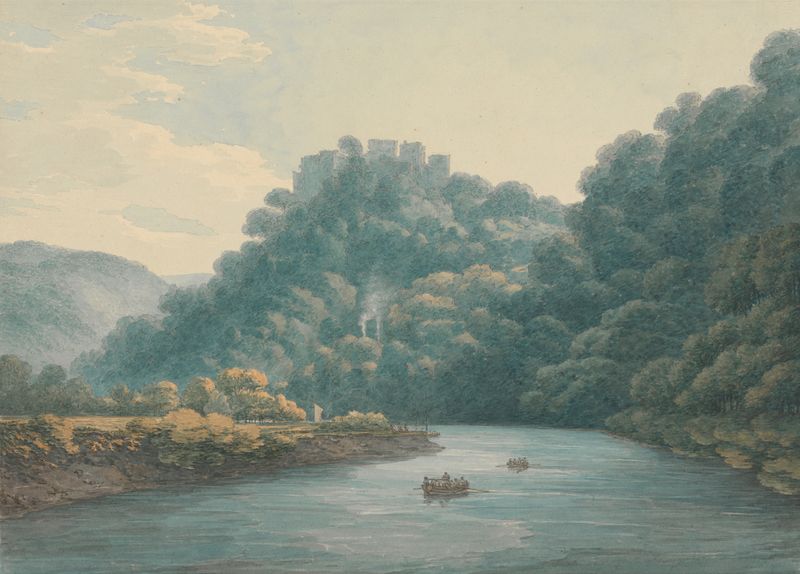
Goodrich Castle on the Wye
Thomas Hearne
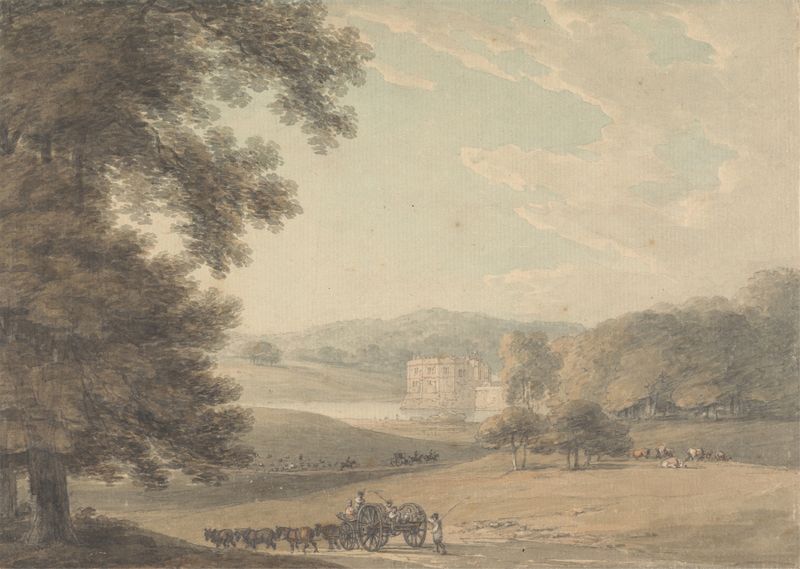
Leeds Castle, Kent
Thomas Hearne
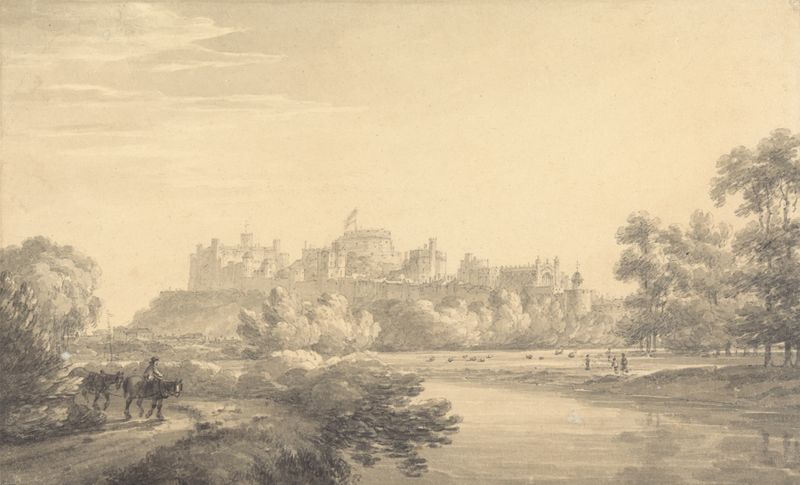
Windsor Castle
Thomas Hearne
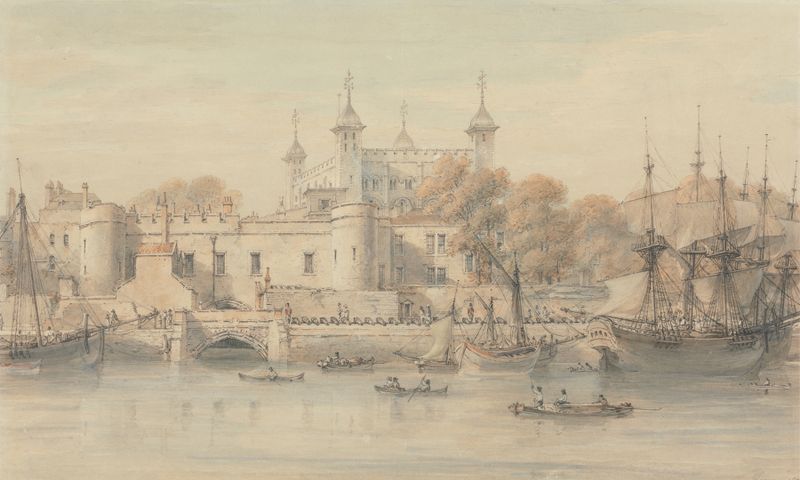
The Tower of London
Thomas Hearne
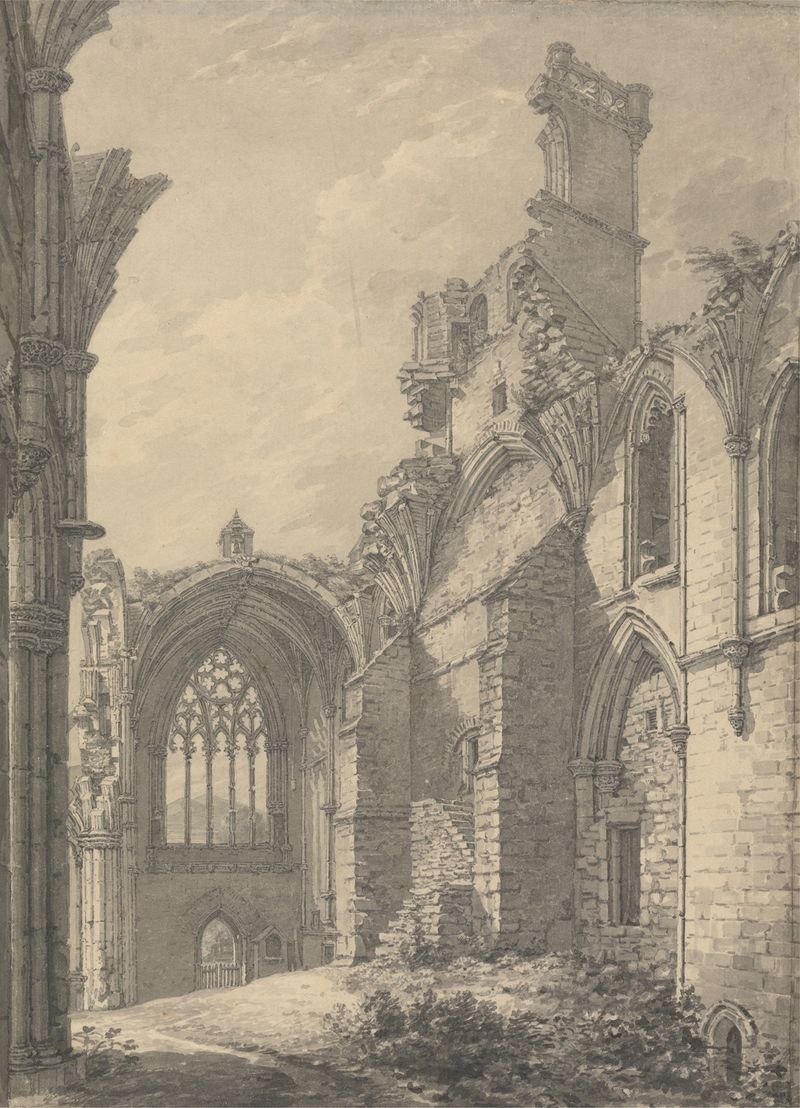
Transept of Melrose Abbey, 1778 Near Old Melrose on the River Tweed, Roxburgh
Thomas Hearne
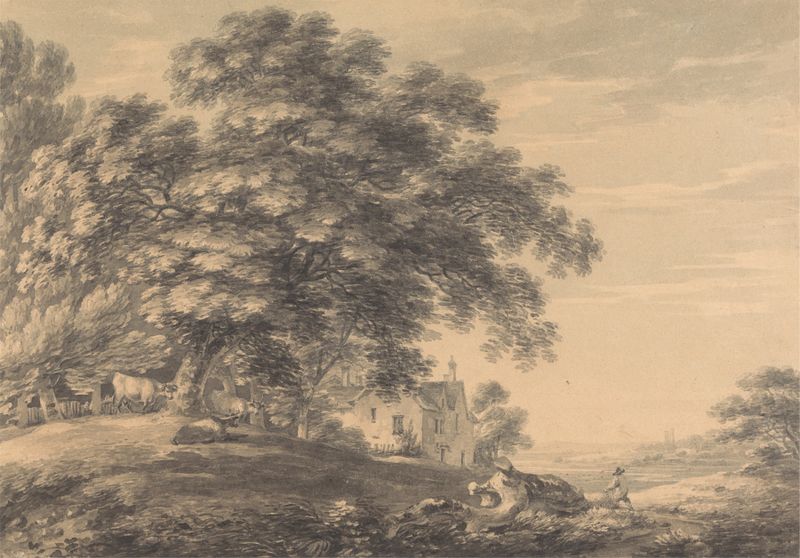
Landscape
Thomas Hearne
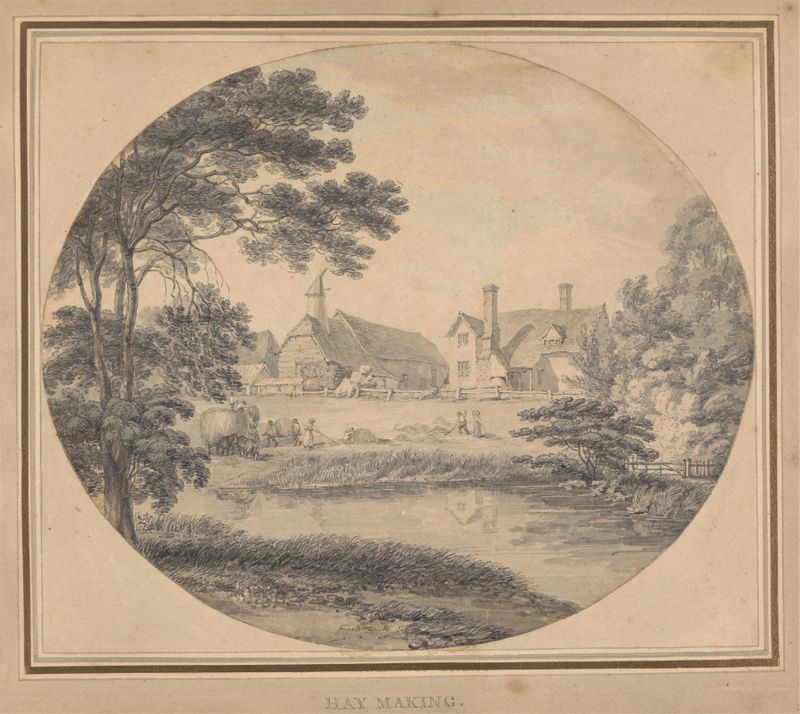
Haymaking
Thomas Hearne

Castle Acre Priory
Thomas Hearne
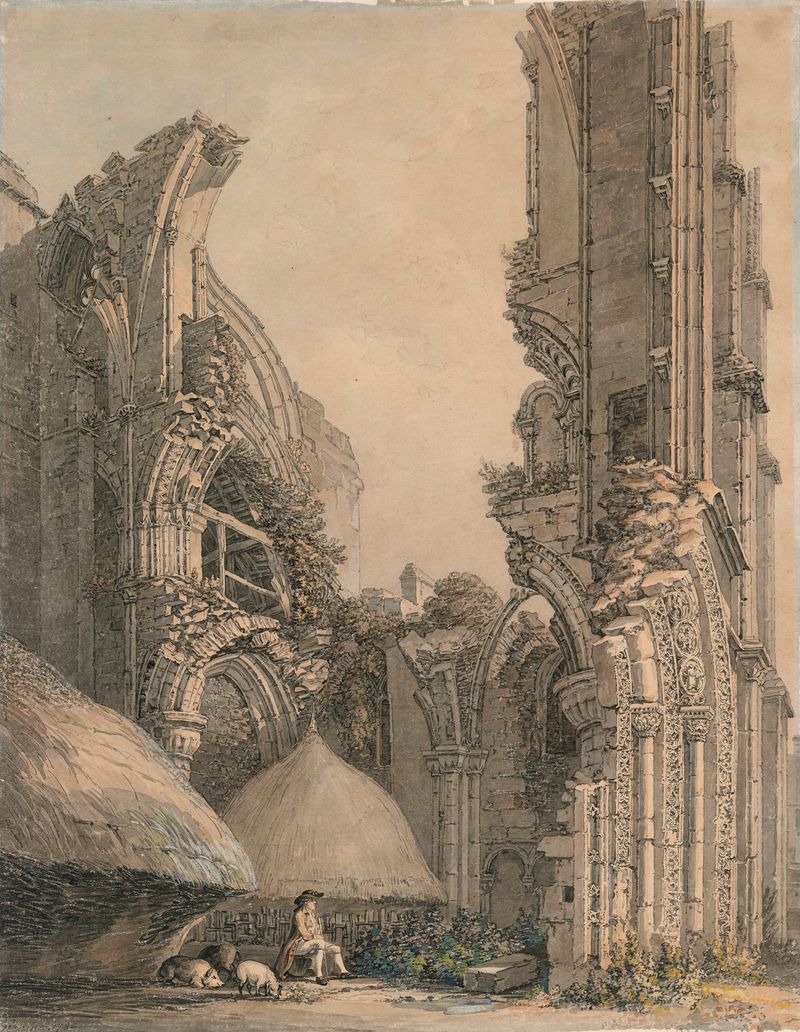
The Ruins of Malmesbury Abbey, Somerset, from the West Front (ill. for ‘The Antiquities of Great Britan’ 1807)
Thomas Hearne
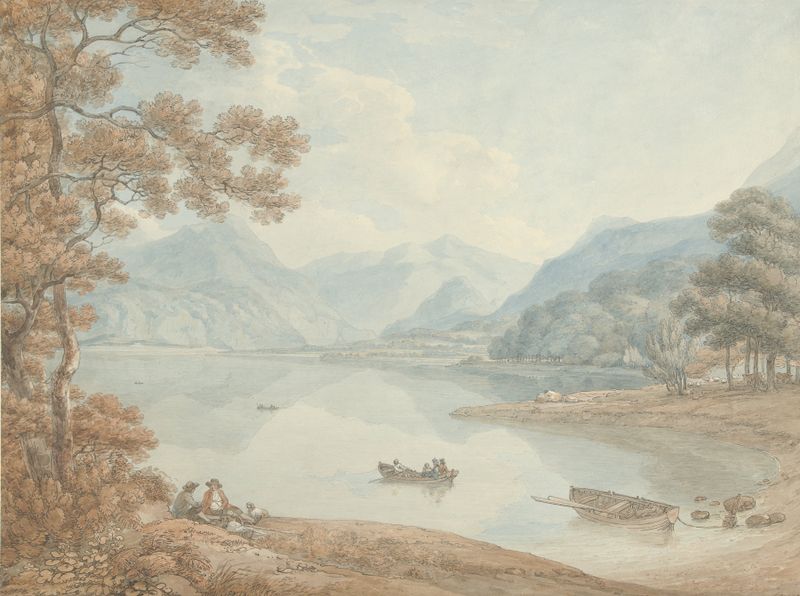
Gezicht op Derwent Water, in de richting van Borrowdale (Cumberland)
Thomas Hearne
More Architecture Art
Browse all →
The statue of Liberty
Frédéric Auguste Bartholdi

View of Houses in Delft, Known as ‘The Little Street’
Johannes Vermeer

View of Houses in Delft, Known as ‘The Little Street’
Johannes Vermeer

The Cathedral in Rouen. The portal, Grey Weather
Claude Monet

The yellow house
Vincent van Gogh

The Church in Auvers-sur-Oise, View from the Chevet
Vincent van Gogh