
Transept of Melrose Abbey, 1778 Near Old Melrose on the River Tweed, Roxburgh — History & Facts
Can paint confess what words never could? In a world where whispers of history cling to crumbling stone, a moment captured stands as a testament to time and creation, echoing the sacred silence of Melrose Abbey. Look to the center of the canvas, where the intricate arches of the transept draw the eye upward, a masterful interplay of light and shadow breathing life into the aged stone. The soft, muted colors evoke the atmosphere of reverence, while dappled sunlight illuminates the rich textures of the masonry, revealing delicate carvings that seem to murmur forgotten prayers. Notice how the surrounding landscape is gently softened by the haze of the twilight sky, suggesting the union of nature and architecture, an eternal embrace. Yet within this serene scene lies a tension between decay and reverence.
The scattered leaves that reach toward the Abbey symbolize nature's relentless cycle, a poignant reminder of mortality amidst permanence. Shadows cast upon the stones hint at stories untold, where past glories fade into whispers, leaving only the essence of what once was. The contrast between the formidable structure and the ephemeral quality of dusk invites contemplation on the passage of time and the solemn beauty of ruins. Created in 1778, this piece emerged during a transformative era for art in England, as the Romantic movement began to challenge neoclassical ideals.
Thomas Hearne painted this scene near the tranquil River Tweed, channeling a burgeoning appreciation for the sublime in nature and history. In an age where landscape and architecture began to intertwine more profoundly, Hearne's work stands as a bridge between the enduring and the ephemeral, capturing the spirit of a moment that whispers through the ages.
More Artworks by Thomas Hearne
Browse all →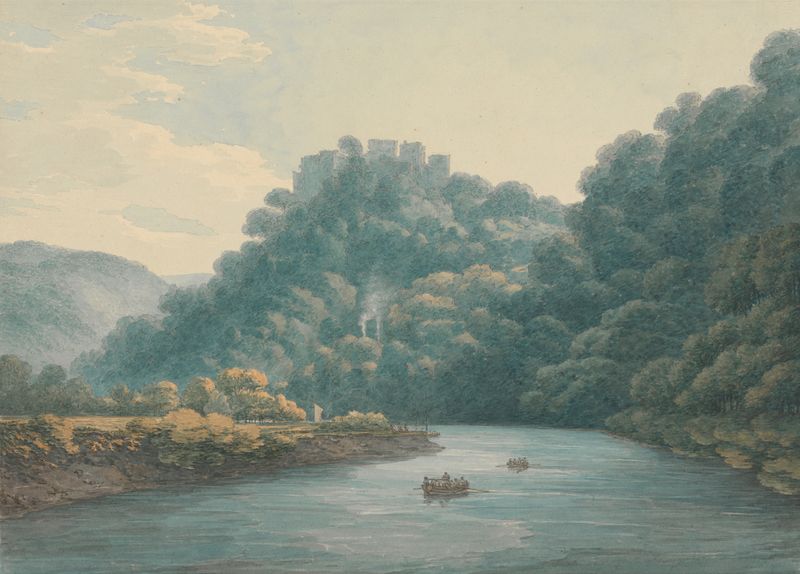
Goodrich Castle on the Wye
Thomas Hearne
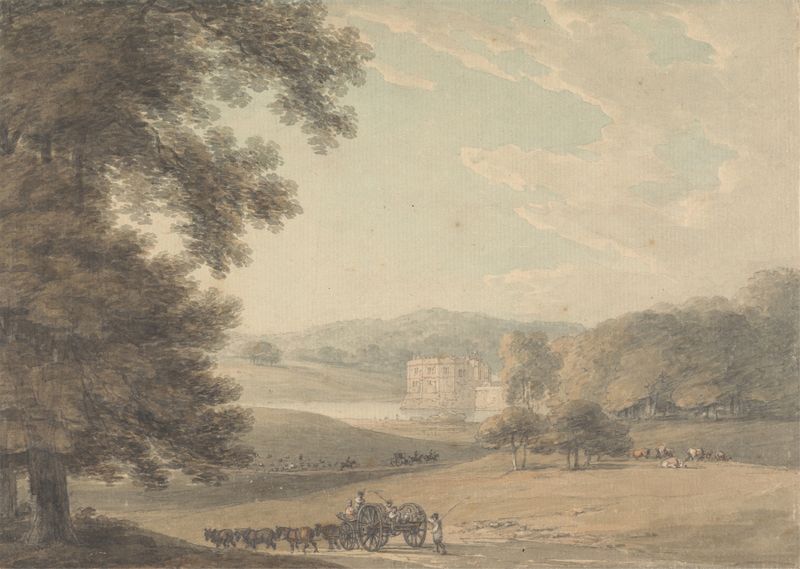
Leeds Castle, Kent
Thomas Hearne

The Ruins of Leiston Abbey
Thomas Hearne
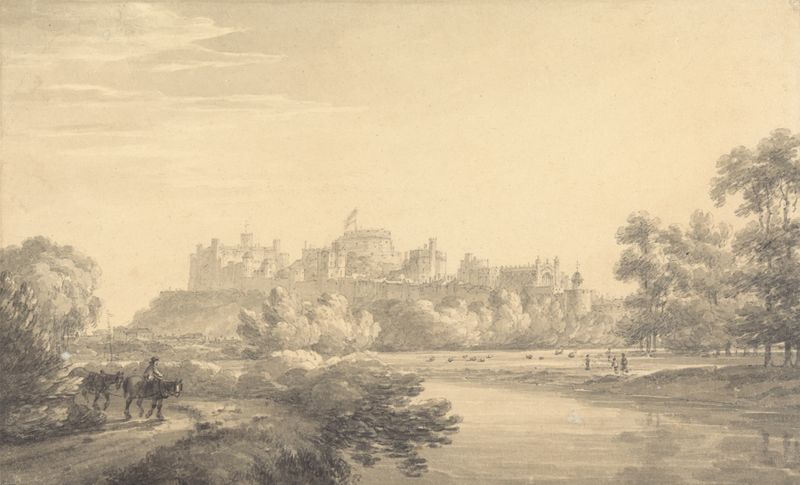
Windsor Castle
Thomas Hearne
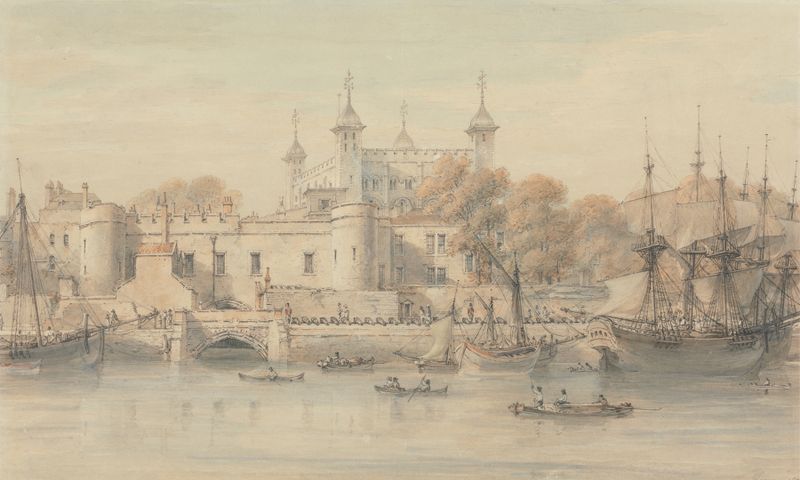
The Tower of London
Thomas Hearne
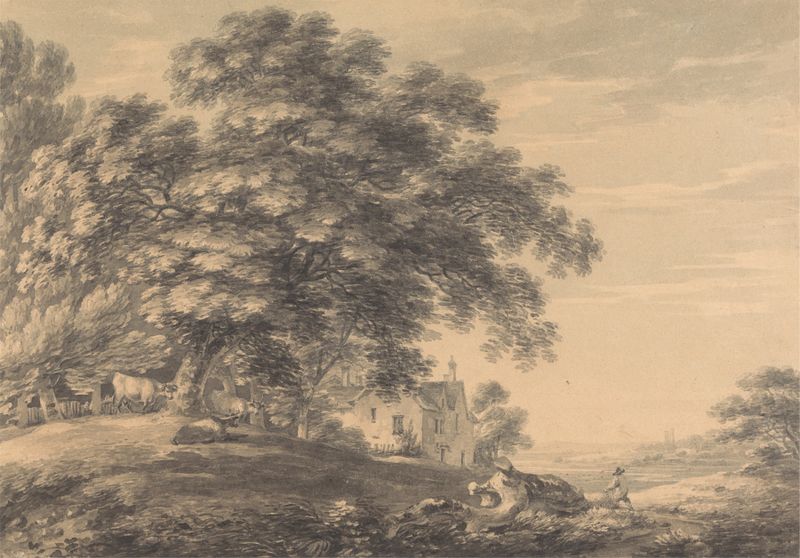
Landscape
Thomas Hearne
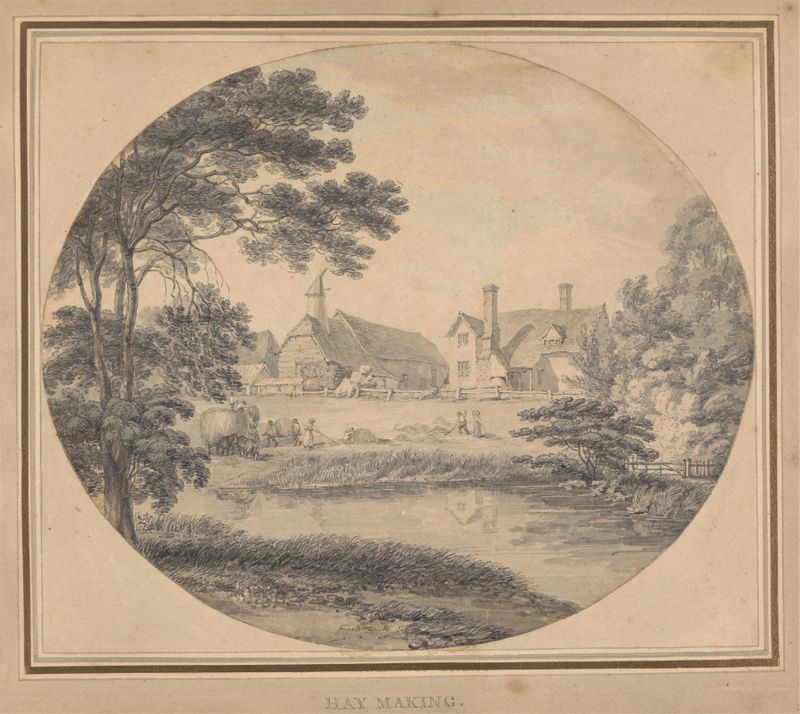
Haymaking
Thomas Hearne

Castle Acre Priory
Thomas Hearne
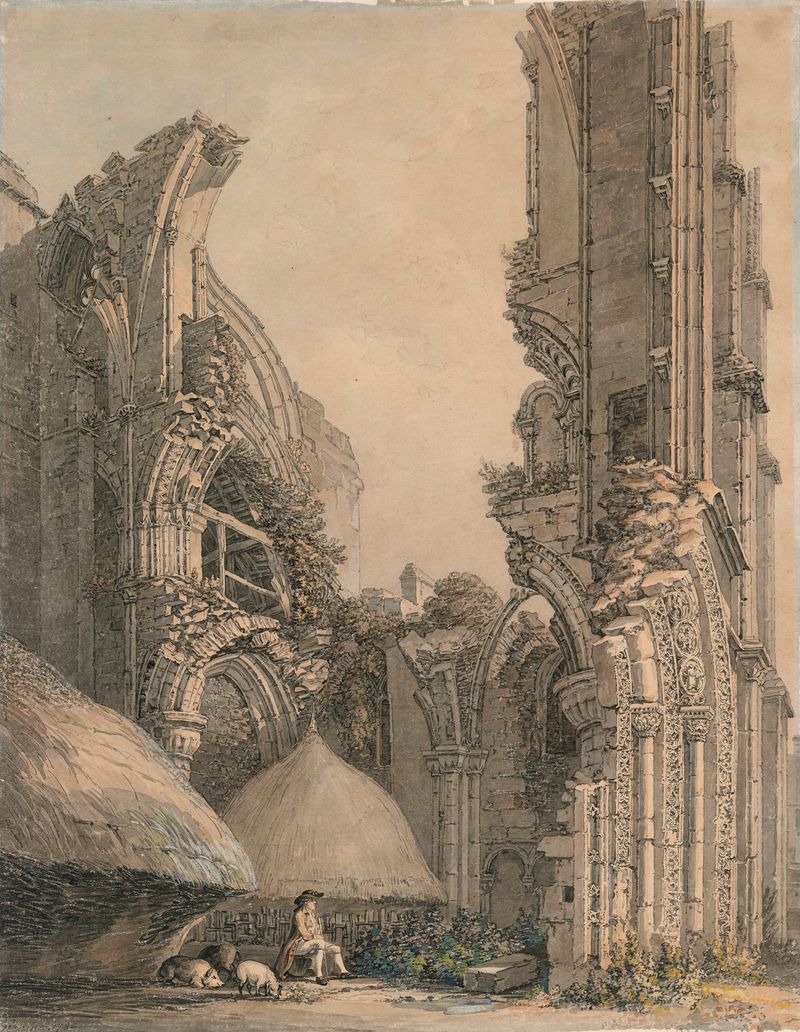
The Ruins of Malmesbury Abbey, Somerset, from the West Front (ill. for ‘The Antiquities of Great Britan’ 1807)
Thomas Hearne
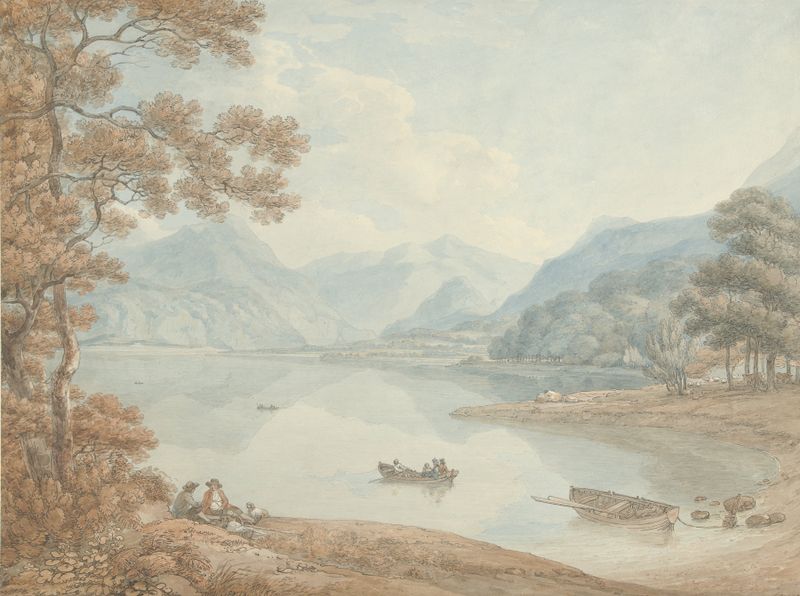
Gezicht op Derwent Water, in de richting van Borrowdale (Cumberland)
Thomas Hearne
More Architecture Art
Browse all →
The statue of Liberty
Frédéric Auguste Bartholdi

View of Houses in Delft, Known as ‘The Little Street’
Johannes Vermeer

View of Houses in Delft, Known as ‘The Little Street’
Johannes Vermeer

The Cathedral in Rouen. The portal, Grey Weather
Claude Monet

The yellow house
Vincent van Gogh

The Church in Auvers-sur-Oise, View from the Chevet
Vincent van Gogh