
Memorial to Admiral Sir Clowdisley Shovell — History & Facts
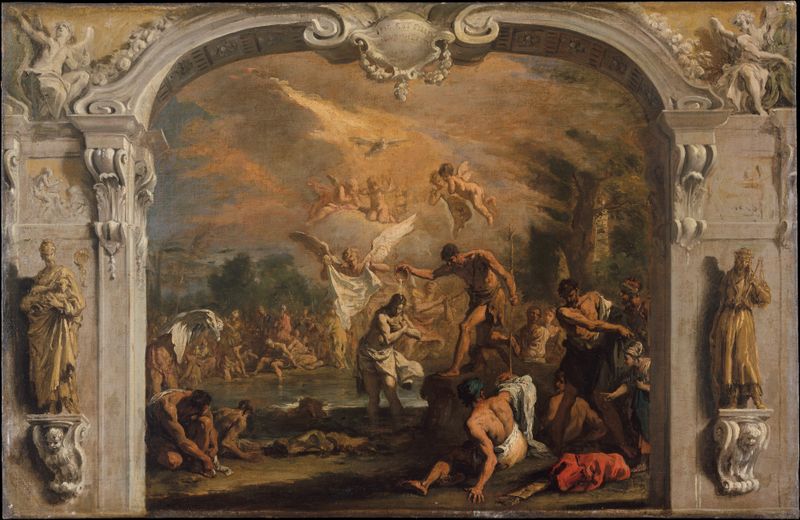
This profound reflection resonates deeply within the opulent confines of the Memorial to Admiral Sir Clowdisley Shovell. The work encapsulates the duality of human experience, marrying the divine and the tragic in a composition that speaks to the heart and soul. Begin your exploration by looking to the shimmering gold elements that frame the central figure. Notice how the light dances across the gilded surfaces, creating an ethereal glow that draws the eye to the admiral’s statue, a solemn reminder of valor.
Surrounding this commanding presence are swirling clouds of soft blues and whites, suggesting both the heavens and the tumultuous sea—two realms forever intertwined by his fate. Observe the meticulous brushstrokes that reveal the artist's deft hand, blending vibrant hues with delicate shadows to evoke a sense of reverence. Delve deeper and consider the emotional tensions at play. The adoration portrayed by the figures surrounding the admiral contrasts sharply with the quiet weight of loss embodied in his gaze.
Each cherub and allegorical figure serves to amplify the poignant narrative; they celebrate a life cut short, while simultaneously lamenting the indelible scars left in its wake. The juxtaposition of divine beauty against the backdrop of human sacrifice invites contemplation on the price of glory and the transient nature of life. Created in 1725, Memorial to Admiral Sir Clowdisley Shovell emerged during a time of great change in the art world, as Baroque influences began yielding to the emerging Rococo style. Ricci was in London, navigating a flourishing artistic environment while simultaneously confronting the loss of a prominent naval figure.
This memorial reflects not just the admiral’s legacy, but also the era’s evolving ideals of honor, beauty, and mortality.
More Artworks by Sebastiano Ricci
Browse all →

More Historical Art
Browse all →
The Night Watch Militia Company of District II under the Command of Captain Frans Banninck Cocq
Rembrandt van Rijn
Lincoln Memorial
Henry Bacon
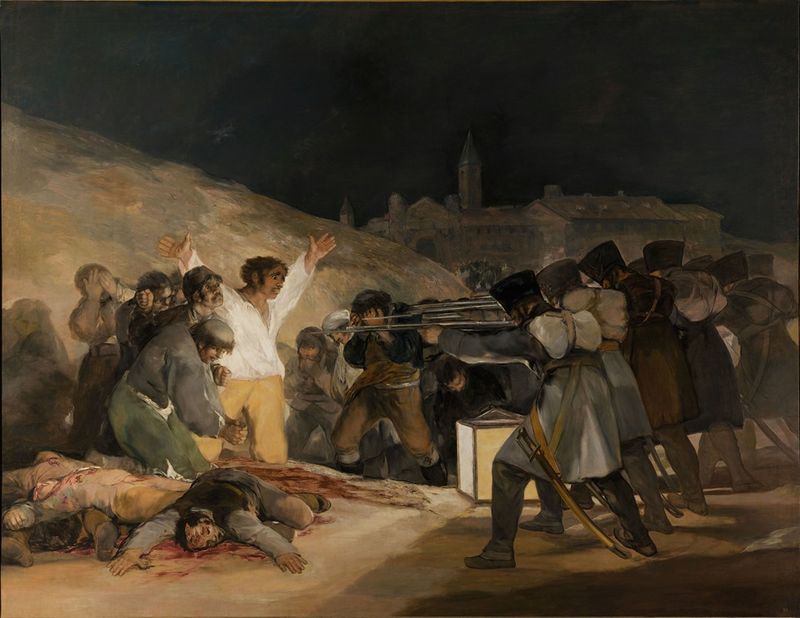
The Third of May 1808
Francisco de Goya

Isaac and Rebecca, Known as ‘The Jewish Bride’
Rembrandt van Rijn
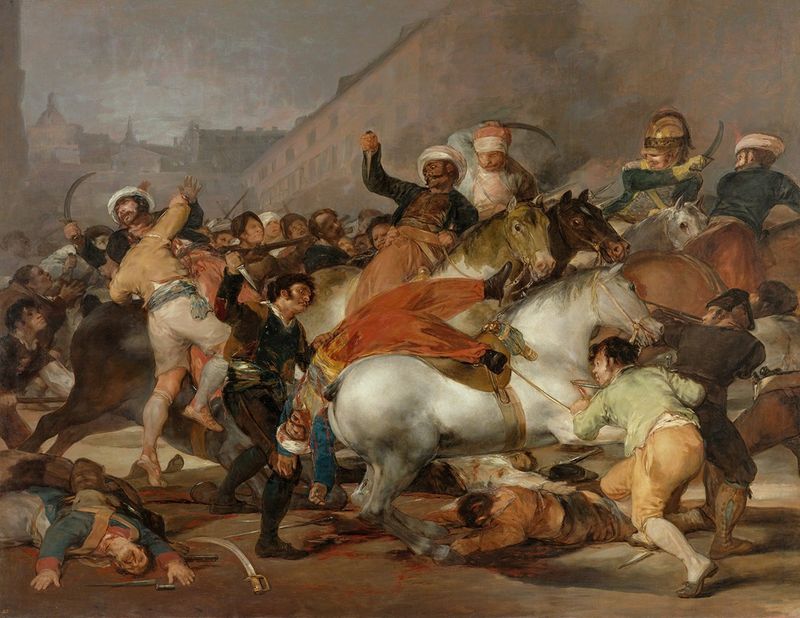
The Charge of the Mamelukes (1814)
Francisco de Goya

De vier ruiters van de apocalyps
Albrecht Dürer