
Mer de Glace, in the Valley of Chamouni, Switzerland — History & Facts
In the stillness of the icy expanse, the weight of solitude lingers like a whispered secret, evoking a profound sense of melancholy that seeps into the soul. Look closely at the horizon where cerulean skies meet the textured, frosted peaks. The majestic juxtaposition of the cool blues and whites creates a chilling harmony, drawing the eye upward toward the sublime heights. Notice how the delicate strokes of paint merge to form the glaciers, shimmering under the ethereal light—a dance of transparency and texture that captures the very essence of ice.
The foreground, painted with softer hues, invites contemplation, providing a sense of depth and space that envelops the viewer. As you delve deeper, consider the emotional contrasts present in this work. The serene clarity of the ice reflects a stark beauty, yet it also evokes the impermanence of nature and life itself. Turner skillfully juxtaposes the grandeur of the landscape with a haunting sense of isolation, suggesting that the sublime can carry a tinge of sorrow.
The lingering shadows hint at the untold stories embedded within the frozen terrain, whispering of journeys taken and dreams abandoned. In 1803, the artist was fully engaged in his exploration of light and atmosphere, painting this piece during a period marked by his growing recognition in the art world. While he thrived in London, the Romantic Movement was on the rise, seeking to capture emotional depth and nature's wild beauty, a theme that resonates deeply in this evocative portrayal of the Mer de Glace.
More Artworks by Joseph Mallord William Turner
Browse all →
Dort or Dordrecht- The Dort Packet-Boat from Rotterdam Becalmed
Joseph Mallord William Turner
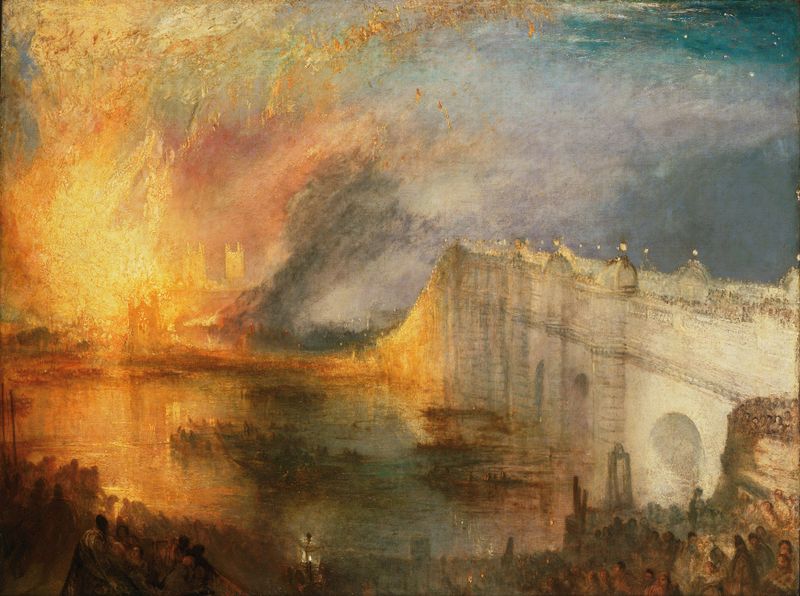
The Burning of the Houses of Lords and Commons, October 16, 1834
Joseph Mallord William Turner
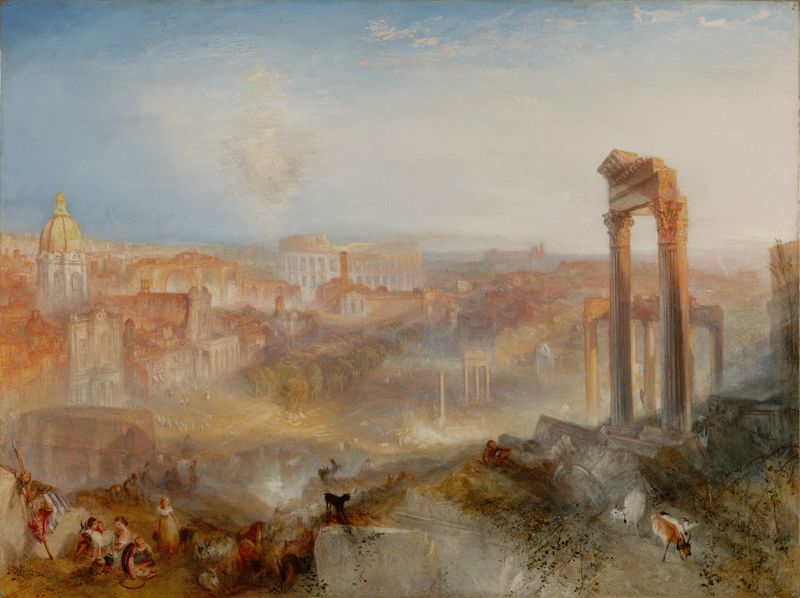
Modern Rome – Campo Vaccino
Joseph Mallord William Turner
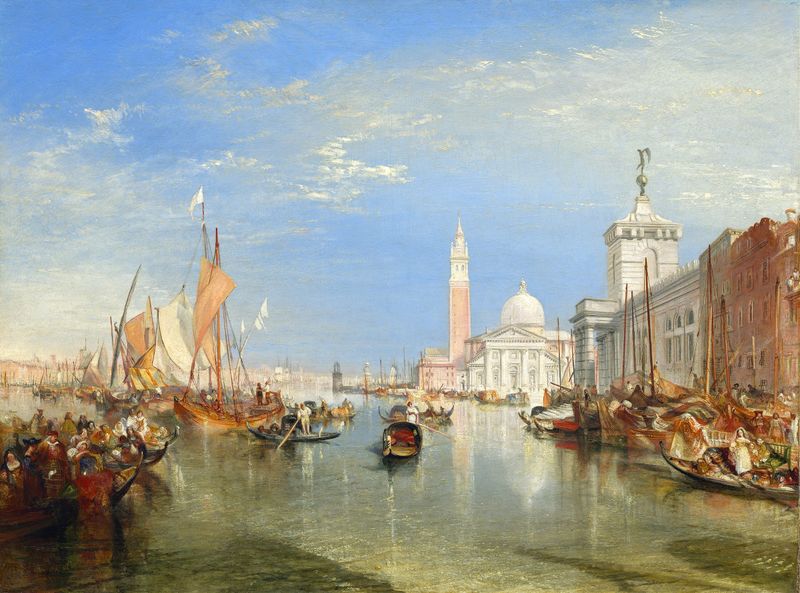
Venice – The Dogana and San Giorgio Maggiore
Joseph Mallord William Turner

The Burning of the Houses of Lords and Commons, 16 October 1834
Joseph Mallord William Turner
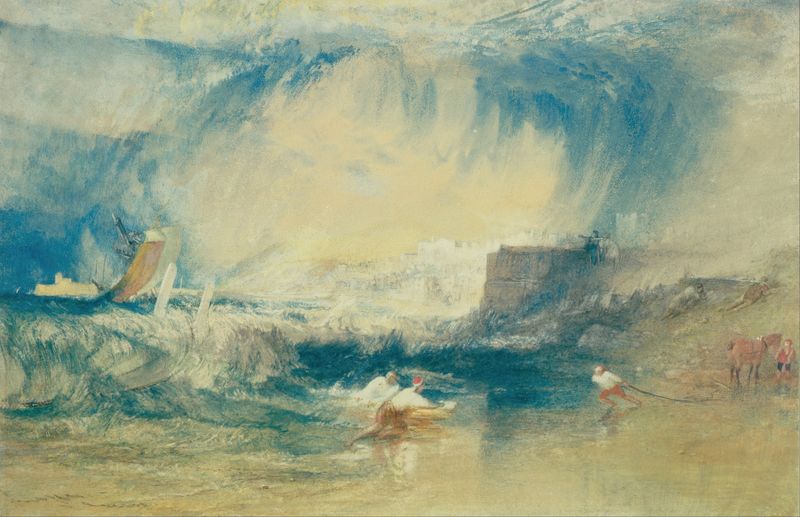
Lyme Regis, Dorsetshire, England
Joseph Mallord William Turner
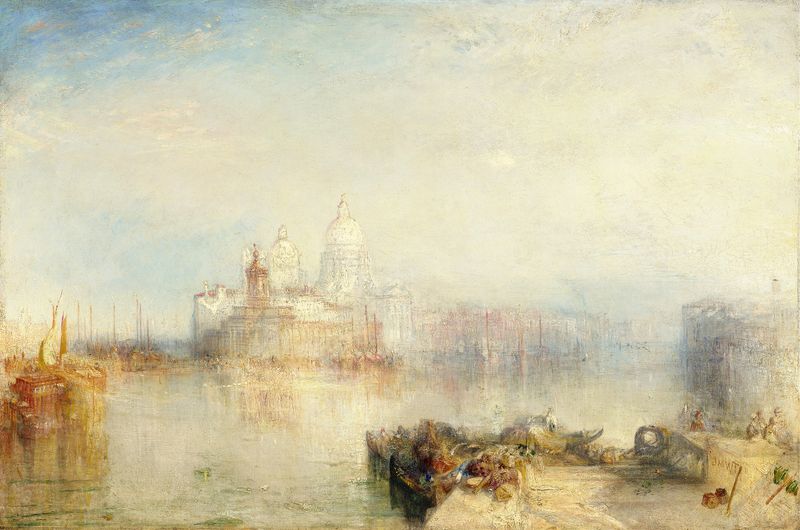
The Dogana and Santa Maria della Salute, Venice
Joseph Mallord William Turner
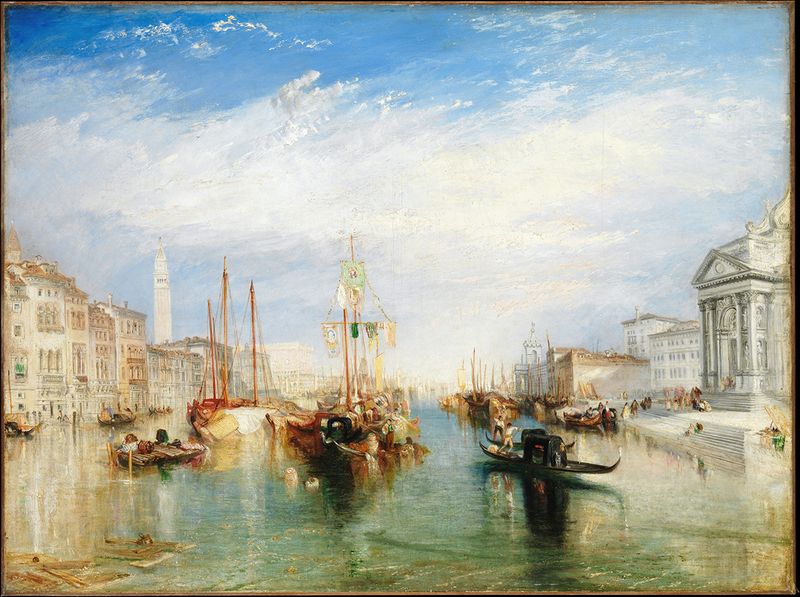
Venice, from the Porch of Madonna della Salute
Joseph Mallord William Turner
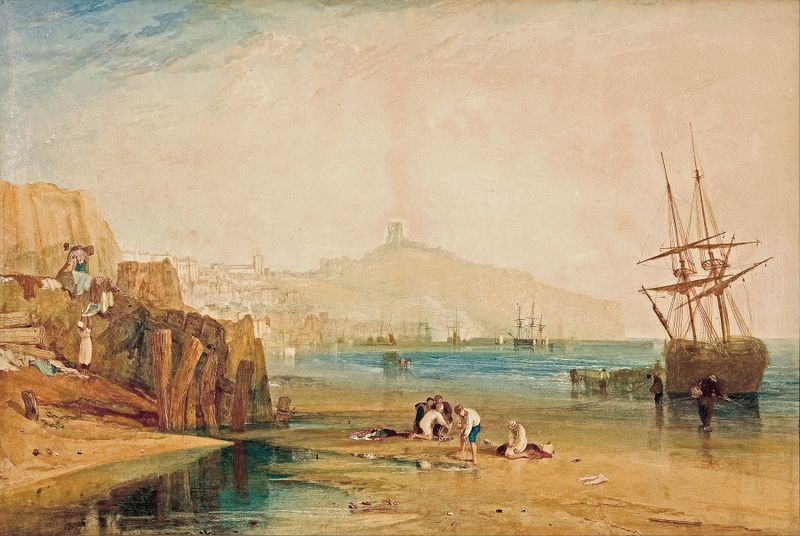
Scarborough town and castle; morning; boys catching crabs
Joseph Mallord William Turner
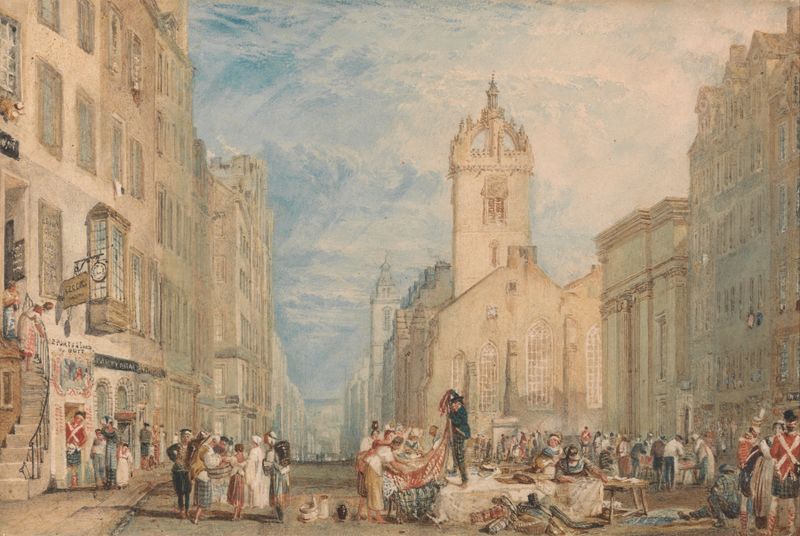
High Street, Edinburgh
Joseph Mallord William Turner





