
Mercedes — Batschari Cigarette — History & Facts
A single, elegantly dressed man reclines in a chair, cigarette poised between his fingers, while a woman stands just behind, her face half-hidden by a fan. The sharp, confident lines of his uniform and the direct gaze he casts outwards are set against her more ambiguous posture, suggesting both allure and reserve. The bold block of text—MERCEDES—and the stylized shield on the chair root the scene in the world of early twentieth-century advertising, where every gesture is a promise of sophistication and pleasure.
The limited palette and crisp outlines focus attention on the figures’ attitudes: the man’s composure, the woman’s coyness, and the cigarette as the axis of their interaction. Created in 1917, this work by Hans Rudi Erdt belongs to the golden age of German poster art, when companies like Batschari commissioned striking images to distinguish their products in a crowded market. Erdt’s style, with its emphasis on graphic clarity and psychological suggestion, helped define the look of modern advertising—an art form in which elegance, wit, and desire were distilled into a single, unforgettable image. History has kept few traces of this particular print, now surfacing from a private collection, but its visual language is unmistakable: a world where leisure and longing are inseparable, and where a cigarette is never just a cigarette.
Look again at the woman’s eyes, and see how much of the story is left for you to finish.
More Artworks by Hans Rudi Erdt
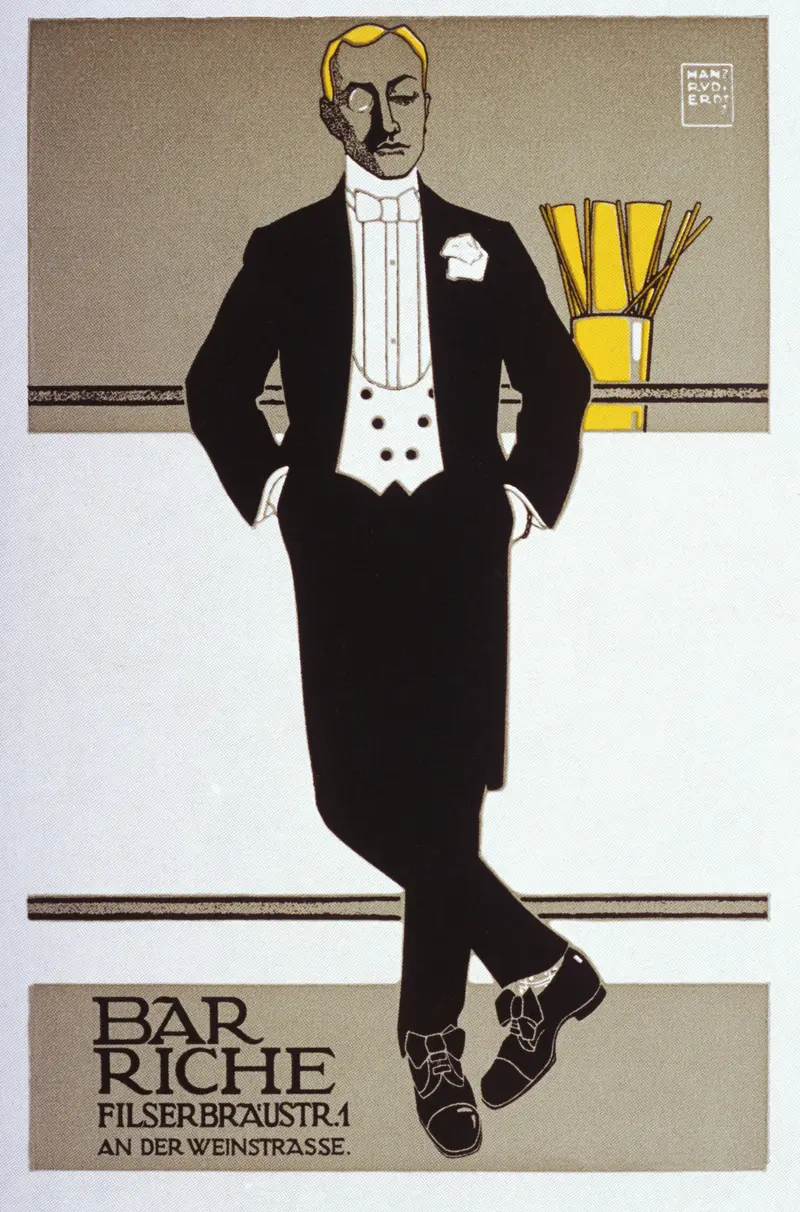
Bar Riche
Hans Rudi Erdt
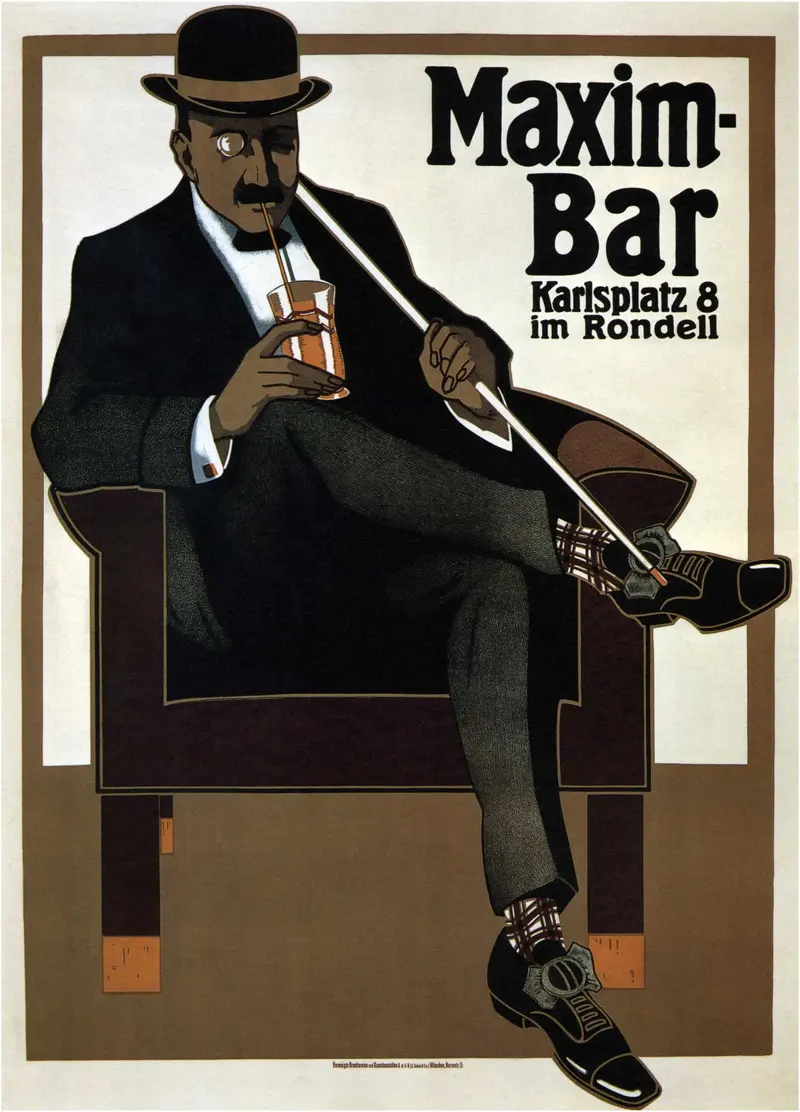
Maxim Bar
Hans Rudi Erdt
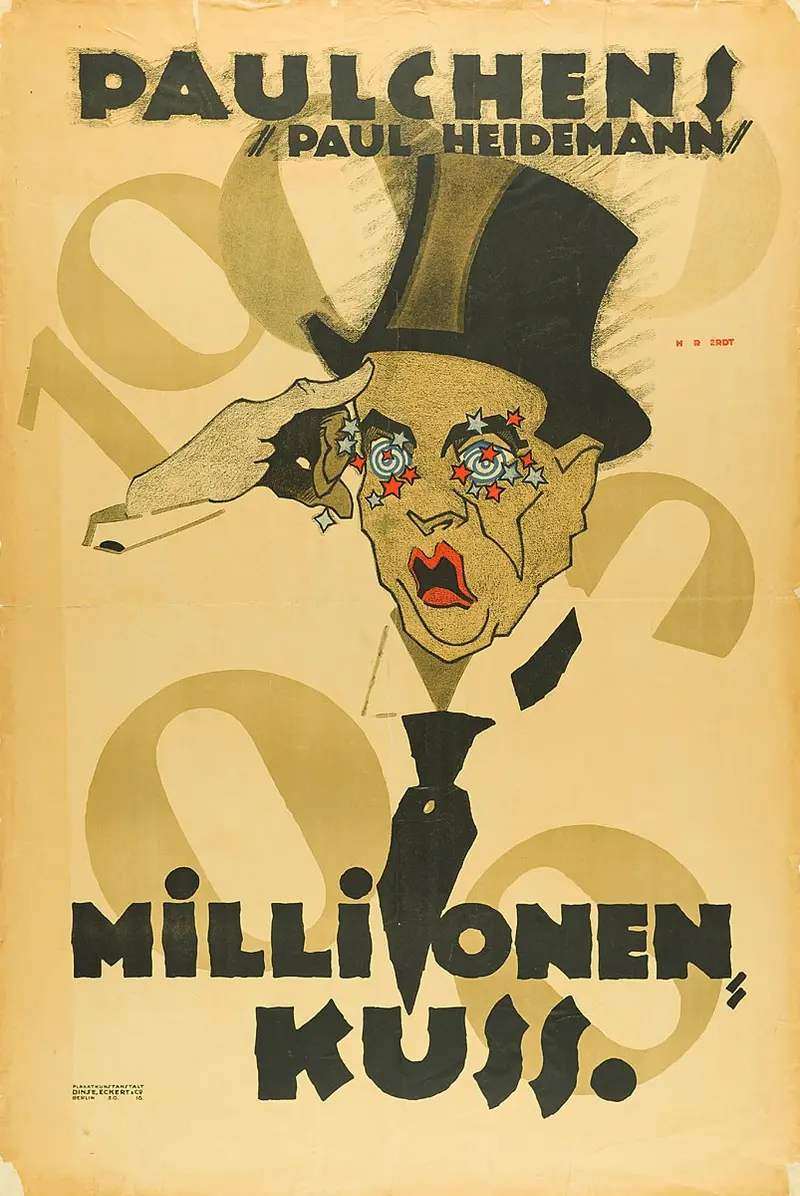
Paulchen's Million-Kiss
Hans Rudi Erdt
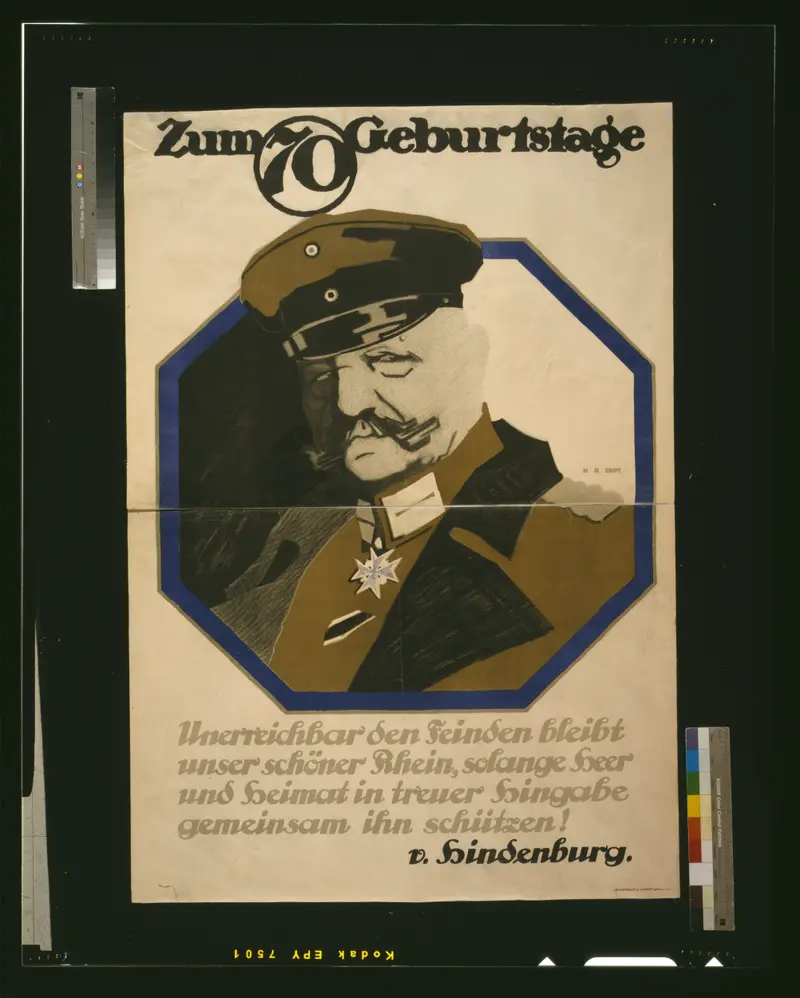
For the 70th Birthday
Hans Rudi Erdt
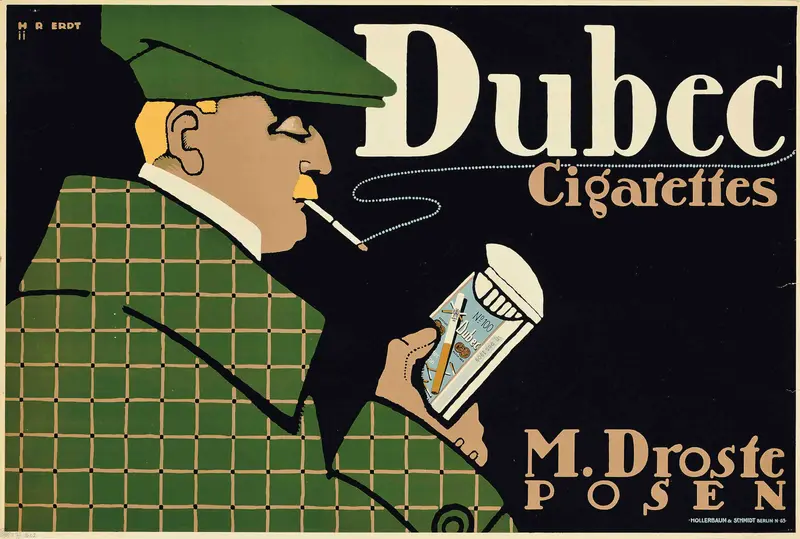
Dubec Cigarettes
Hans Rudi Erdt
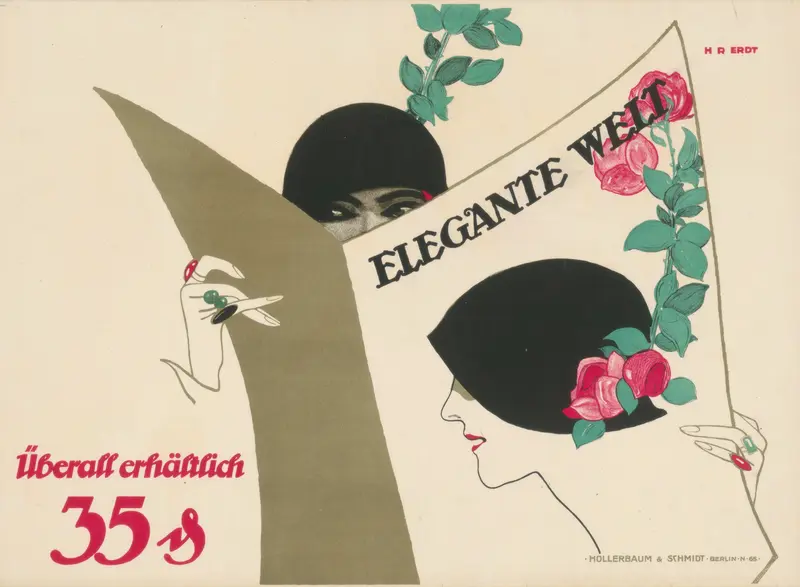
Elegante Welt
Hans Rudi Erdt
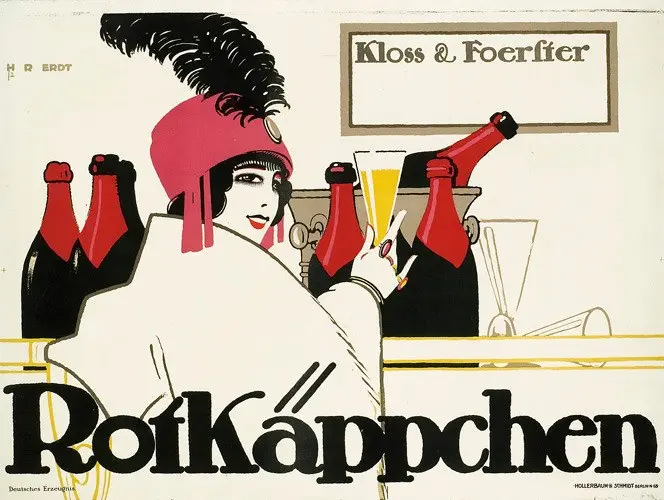
Little Red Riding Hood
Hans Rudi Erdt
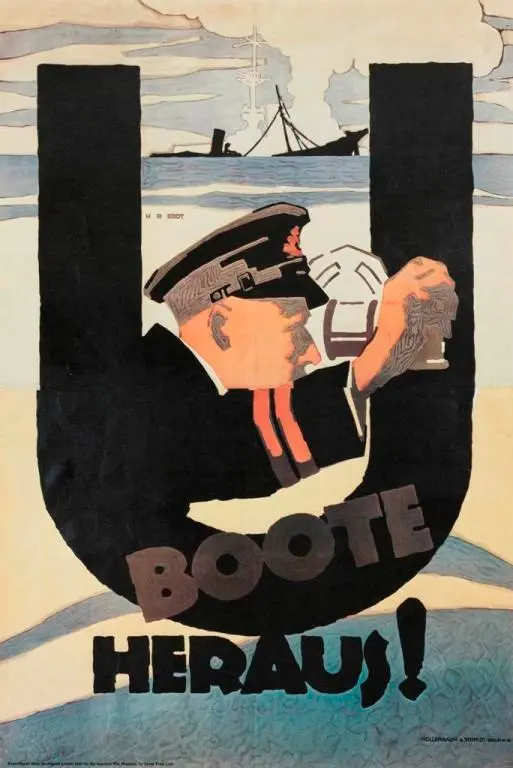
U-Boote heraus!
Hans Rudi Erdt

Manoli
Hans Rudi Erdt
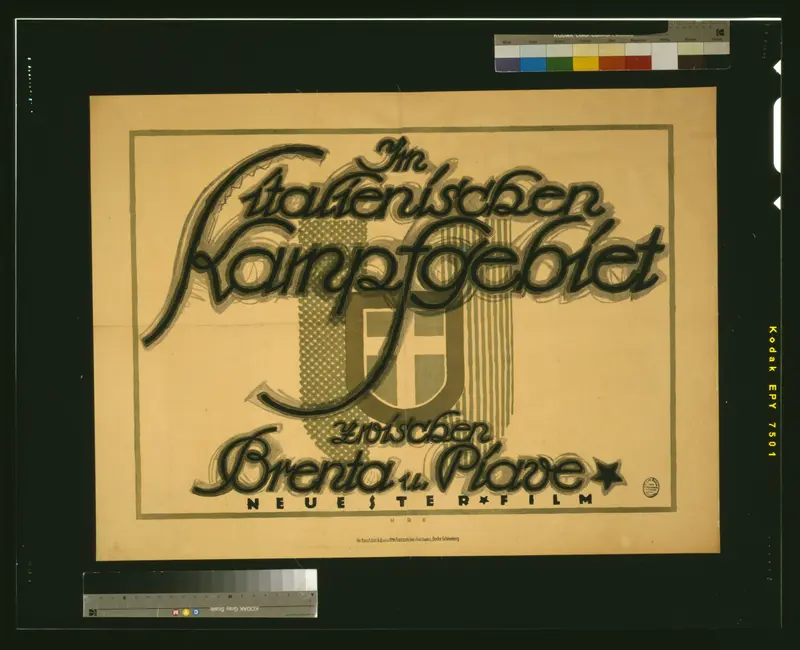
In the Italian Battle Zone between Brenta and Piave
Hans Rudi Erdt



