
Paulchen's Million-Kiss — History & Facts
The first thing that seizes your attention in Paulchen's Million-Kiss is the electric jolt of the central figure’s expression: a wide-eyed, almost cartoonish face, mouth agape in shock or delight, as if the world has just spun off its axis. The exaggerated spiral eyes, ringed with red and blue stars, pull you in—they are not just eyes, but a visual shorthand for dizzying surprise, perhaps even infatuation. The figure’s hand, raised in a mock salute or a gesture of disbelief, and the impossibly tall top hat, all rendered in bold, graphic lines, give the poster a sense of theatrical immediacy.
The background numbers loom large but faded, suggesting a sense of scale or fortune, while the deep black of the text and hat anchor the composition, making the figure’s red lips and swirling eyes pop all the more. Every element here is designed to grab the viewer, to promise an experience that is both comic and overwhelming. This poster, created by Hans Rudi Erdt in 1918, is a vivid example of the German Plakatstil, or “poster style,” that swept through early twentieth-century advertising. These works, often commissioned for films, products, or political causes, were meant to catch the eye on bustling city streets—clarity, wit, and visual punch were prized above all.
Erdt was one of the movement’s leading lights, known for distilling a story into a handful of bold shapes and colors. While the details of this particular poster’s journey remain obscure, it now resides in the Museum für Kunst und Gewerbe Hamburg, a testament to the era when posters were the billboards of modernity. The world that produced this image was one of rapid change, where cinema, mass media, and graphic art collided—look again, and you can almost hear the city outside, alive with the promise of a million kisses.
More Artworks by Hans Rudi Erdt
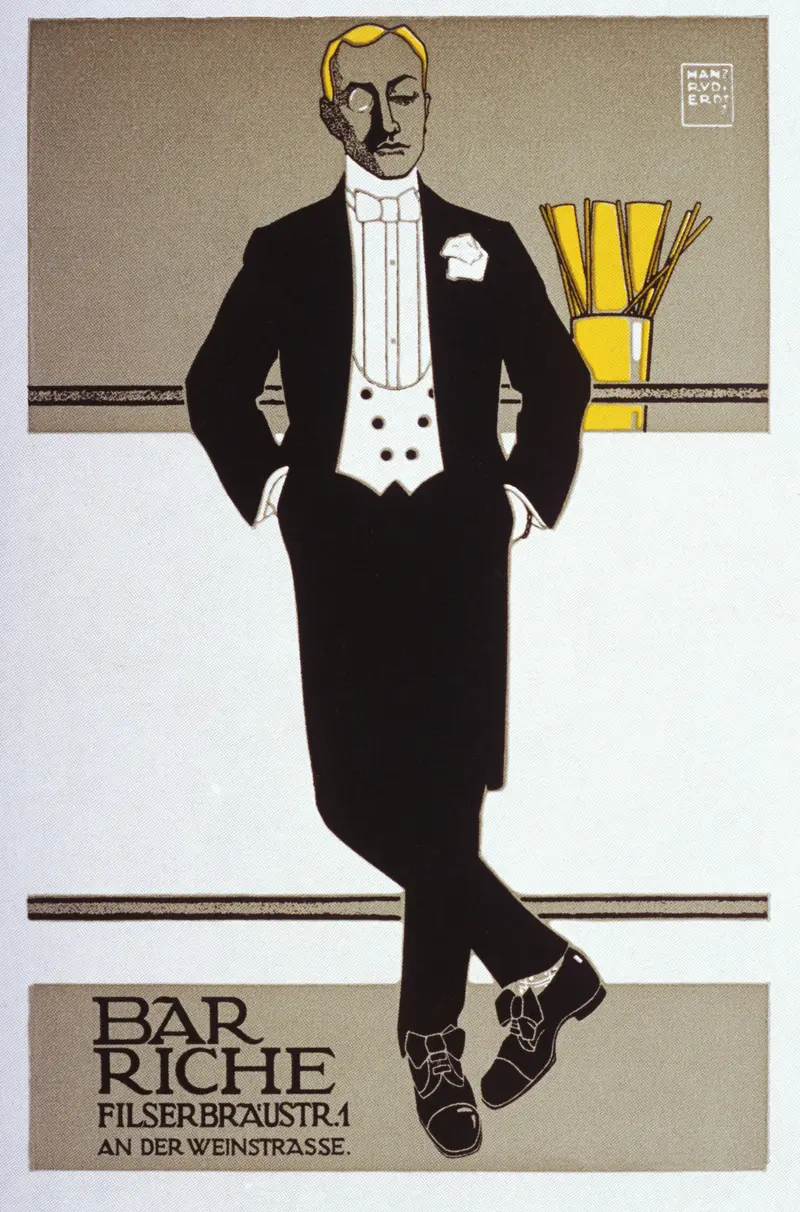
Bar Riche
Hans Rudi Erdt
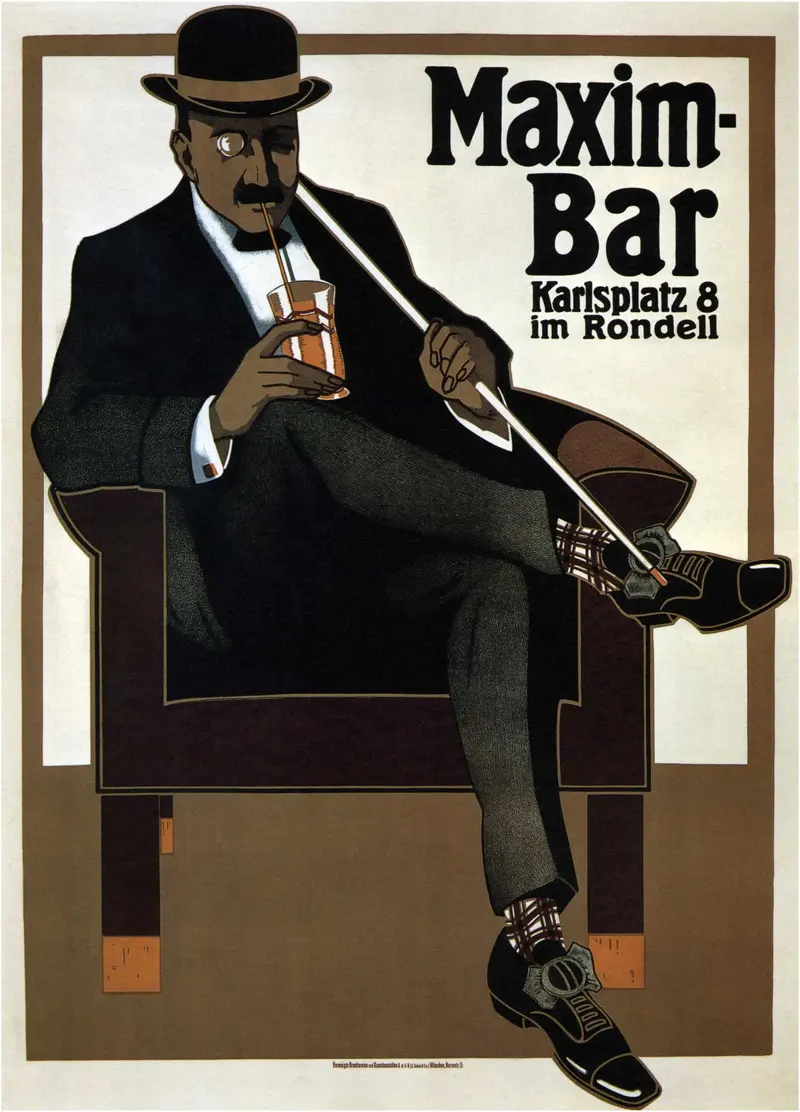
Maxim Bar
Hans Rudi Erdt
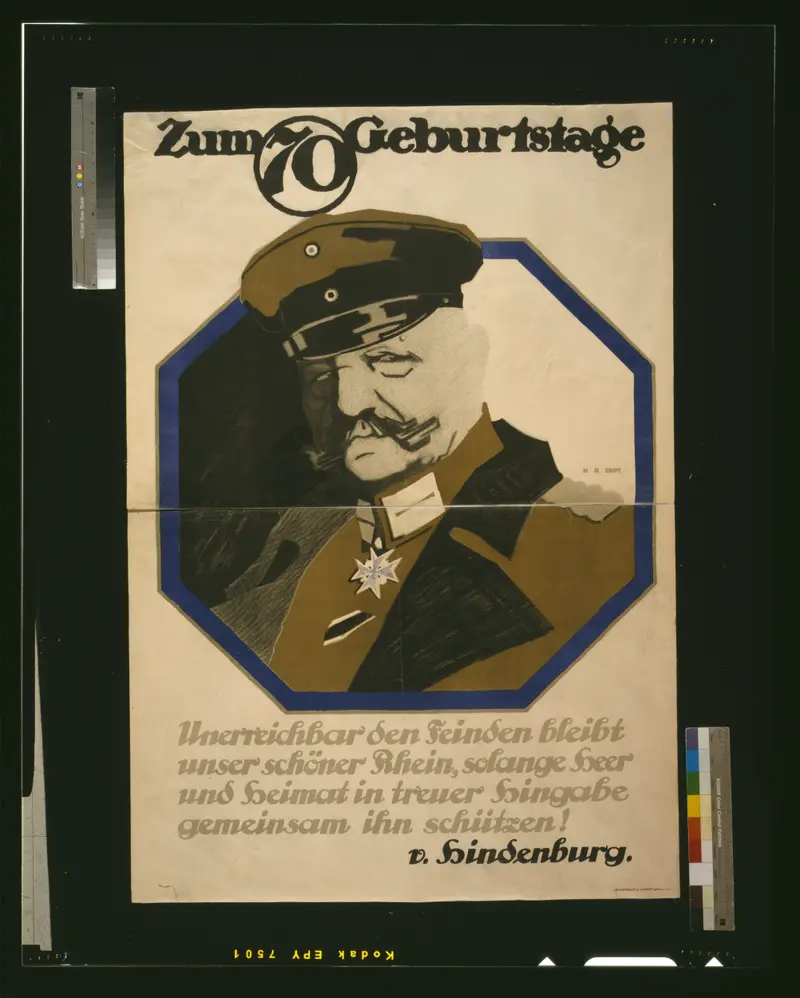
For the 70th Birthday
Hans Rudi Erdt
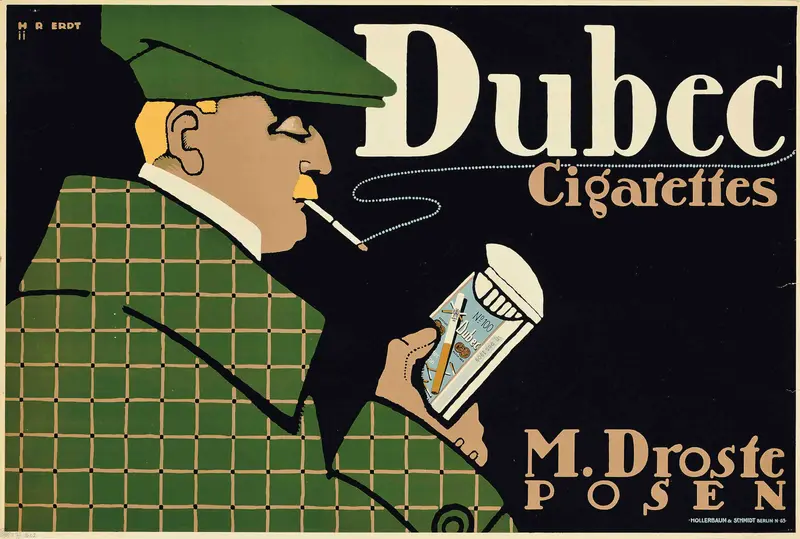
Dubec Cigarettes
Hans Rudi Erdt
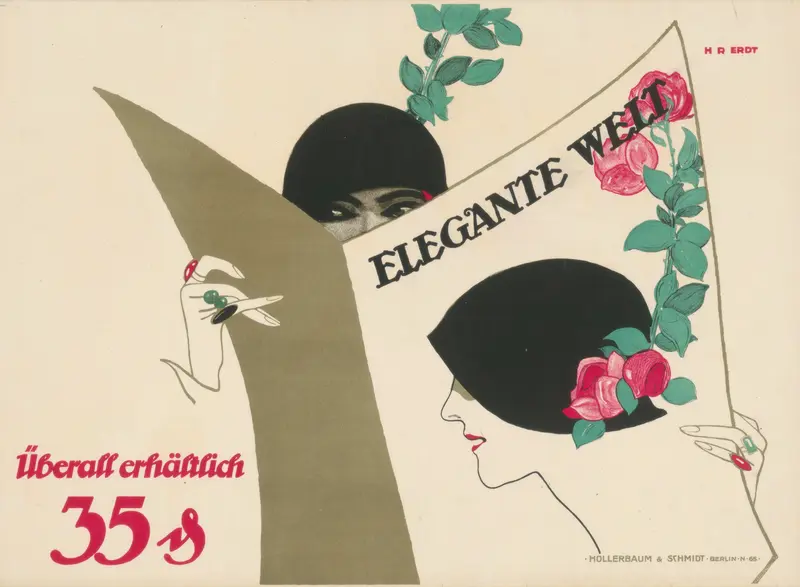
Elegante Welt
Hans Rudi Erdt
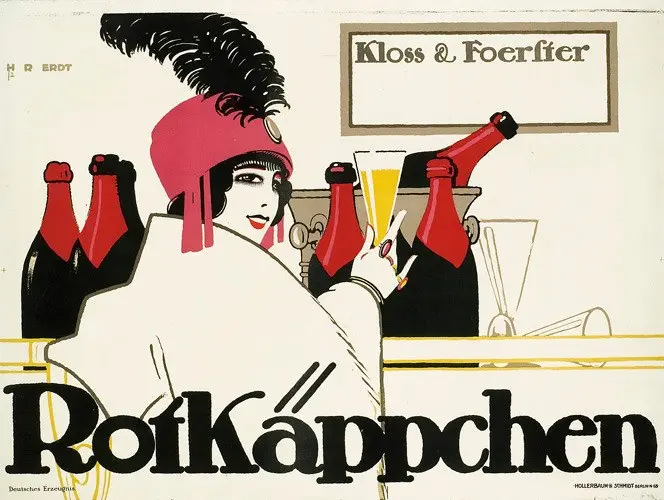
Little Red Riding Hood
Hans Rudi Erdt
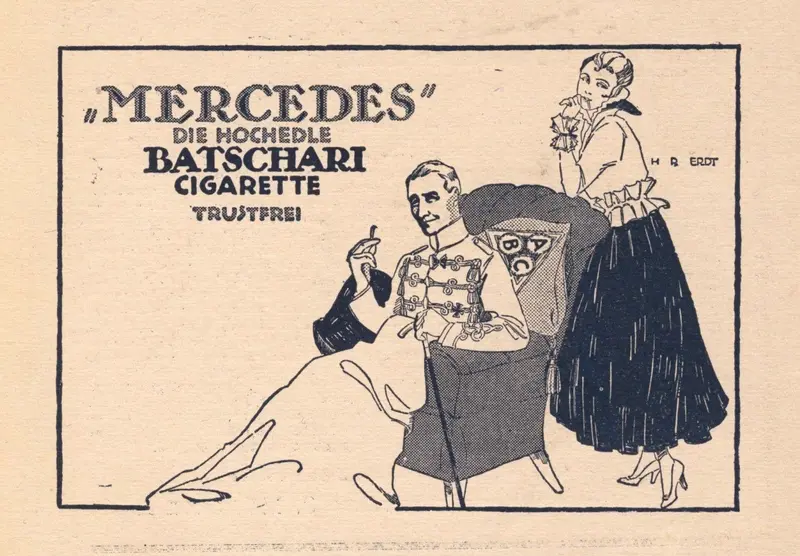
Mercedes — Batschari Cigarette
Hans Rudi Erdt
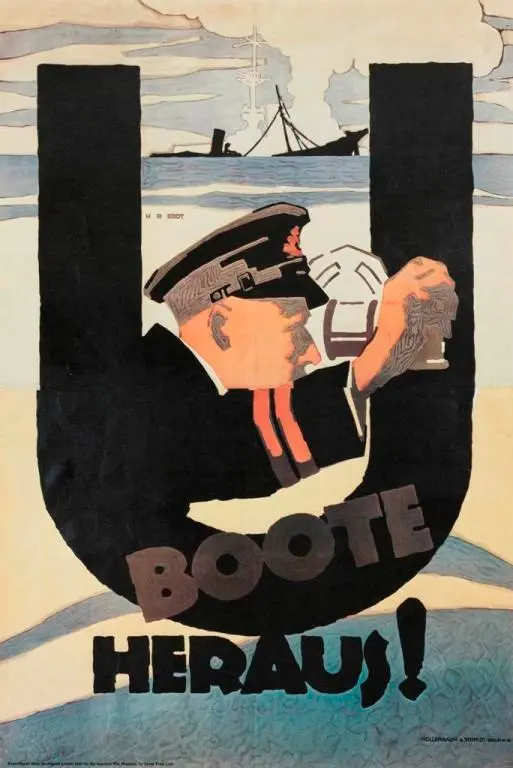
U-Boote heraus!
Hans Rudi Erdt

Manoli
Hans Rudi Erdt
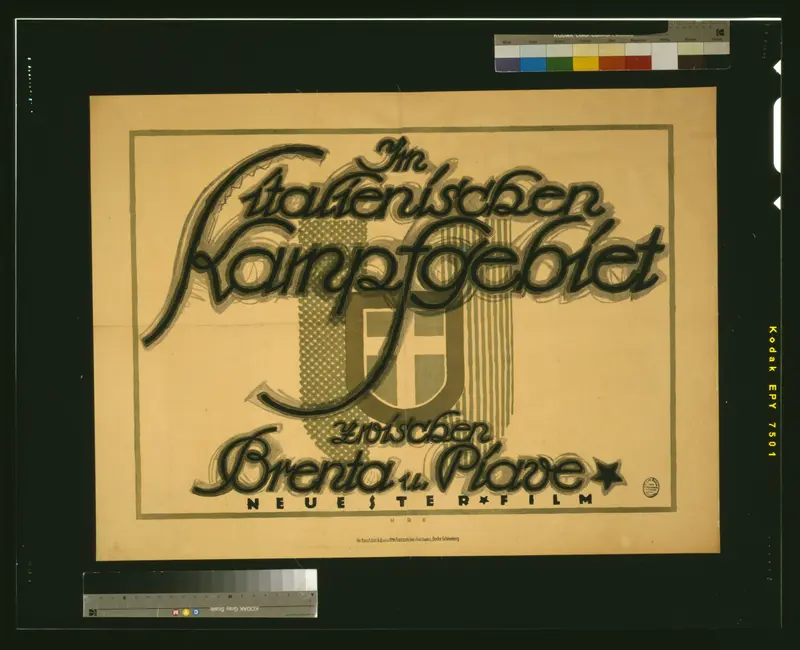
In the Italian Battle Zone between Brenta and Piave
Hans Rudi Erdt



