
U-Boote heraus! — History & Facts
The eye is immediately caught by the monumental black “U” that dominates the image, swallowing up the composition and focusing all attention on the figure of a uniformed officer. Framed within this letter, the officer peers intently through a periscope, his face set in concentration, as if scanning the horizon for enemy ships. Above him, a warship lists in the water, smoke billowing from its hull, while the stark, blocky letters “BOOTE HERAUS!” command action and urgency.
The palette is cool and restrained, with icy blues and greys reinforcing the chill of the sea and the calculated menace of submarine warfare. Every element is designed to project resolve and technological prowess, turning the act of watching and waiting into a symbol of national strength. Created in 1917, this poster by Hans Rudi Erdt belongs to the charged world of World War I propaganda, where art and message fused to serve the needs of the state. German posters of this era, like this one now in the Canadian Museum of Civilization, were tools of recruitment and morale, aiming to rally public support for the controversial and secretive U-boat campaign.
Artists such as Erdt, working in the bold, simplified language of early twentieth-century graphic design, helped invent the modern propaganda poster—direct, memorable, and psychologically sharp. Little is recorded about the individual journey of this specific work, but its survival offers a vivid window into a moment when art was called to the front lines, and the boundaries between image and action blurred. The longer you look, the more the officer’s gaze seems to ask: who is watching whom?
More Artworks by Hans Rudi Erdt
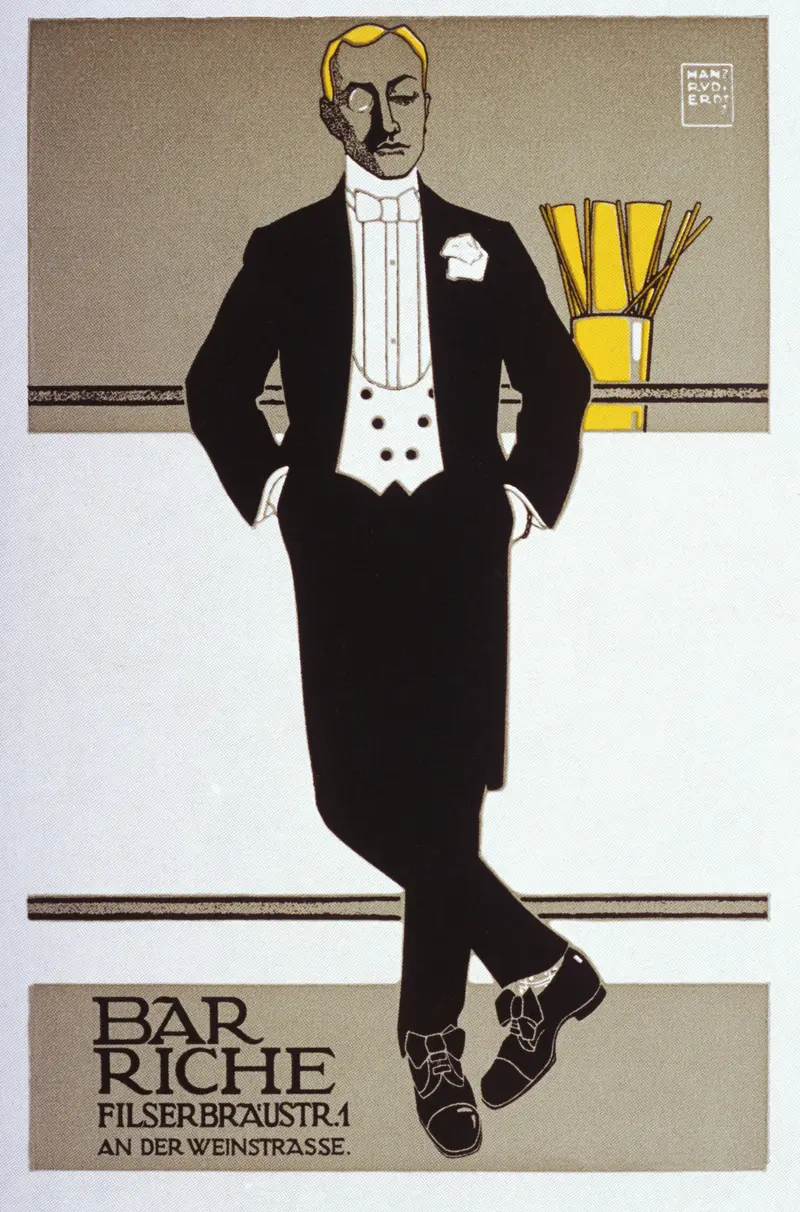
Bar Riche
Hans Rudi Erdt
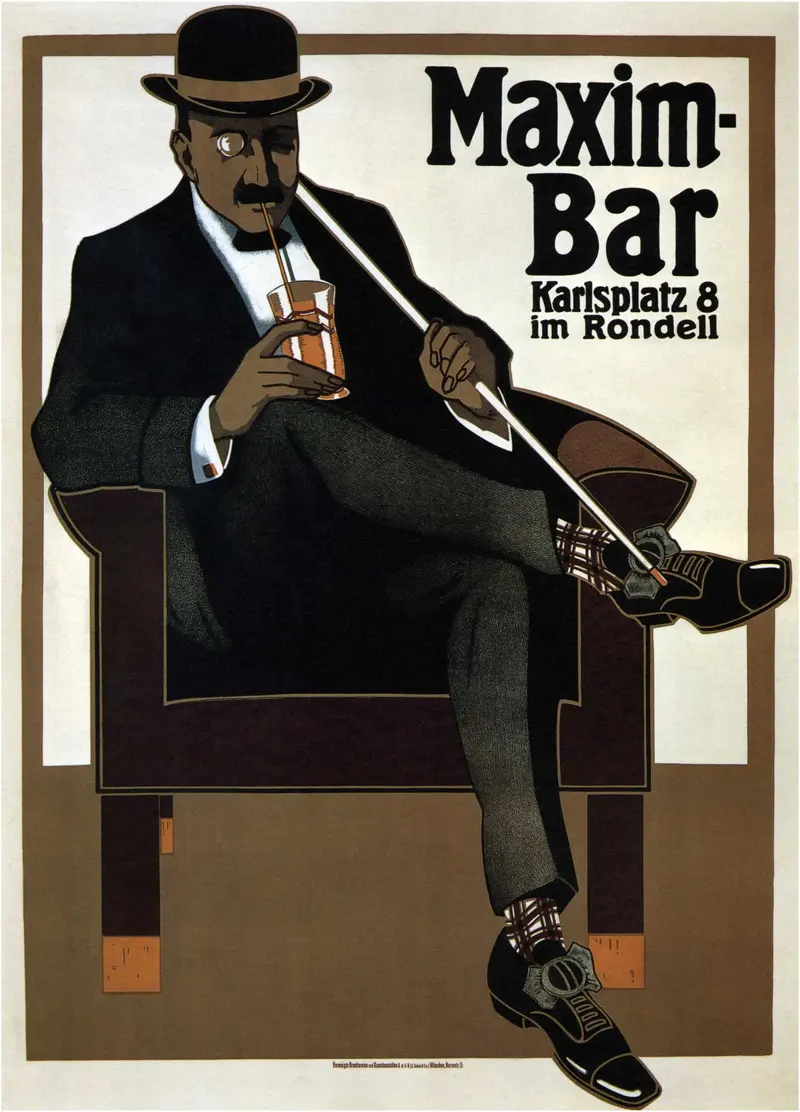
Maxim Bar
Hans Rudi Erdt
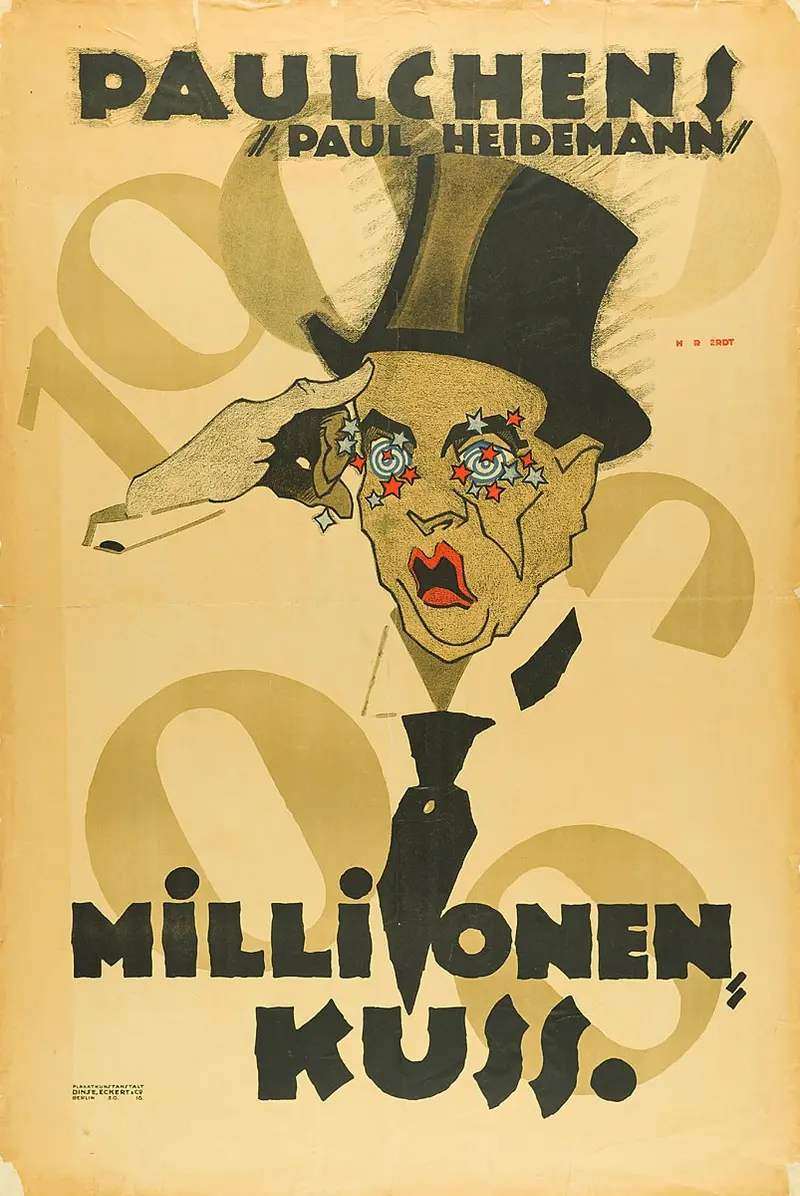
Paulchen's Million-Kiss
Hans Rudi Erdt
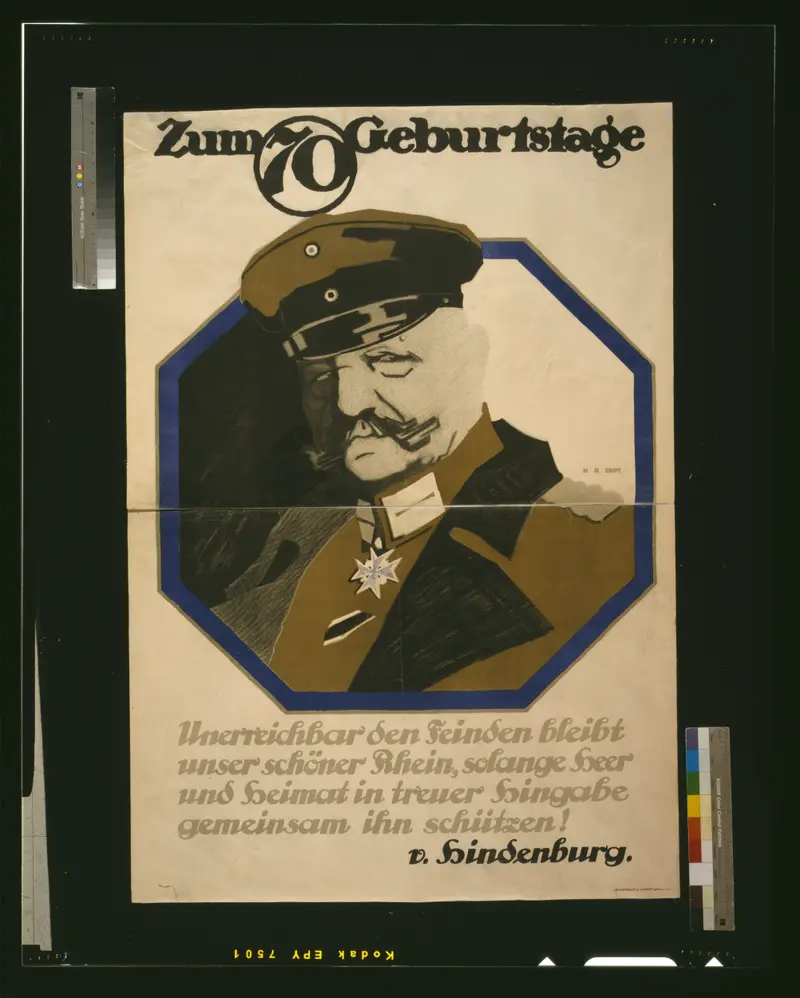
For the 70th Birthday
Hans Rudi Erdt
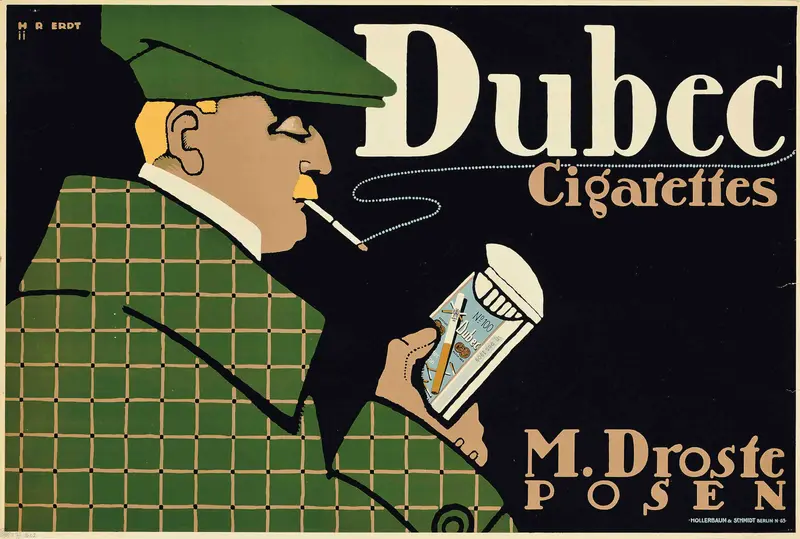
Dubec Cigarettes
Hans Rudi Erdt
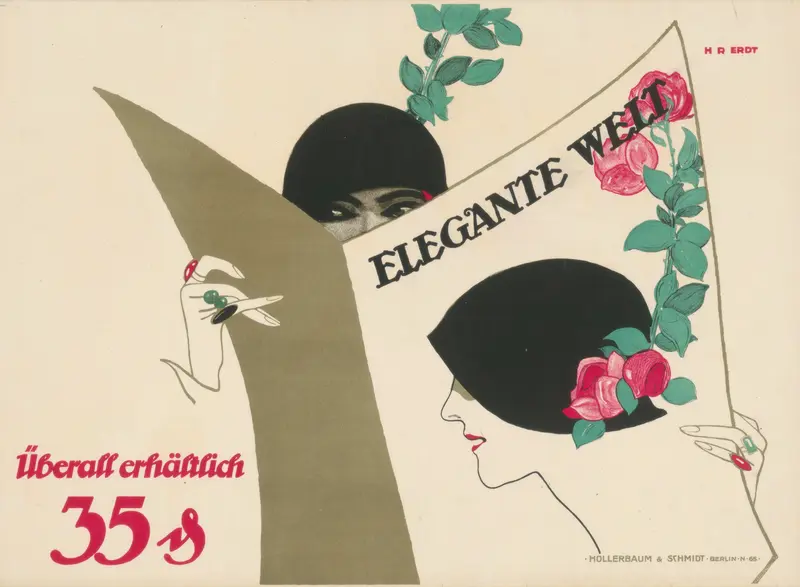
Elegante Welt
Hans Rudi Erdt
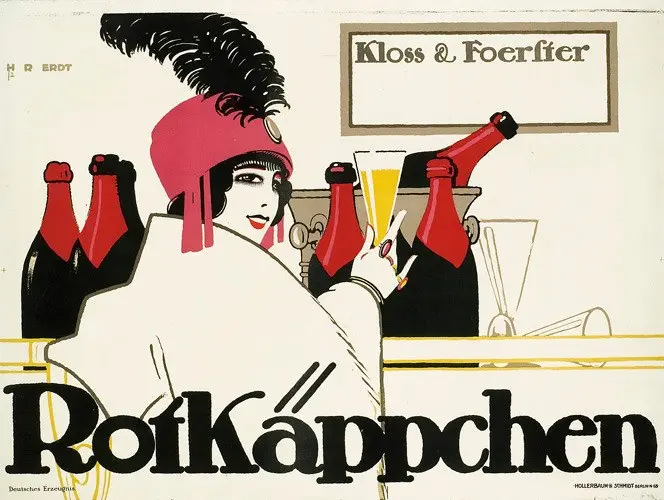
Little Red Riding Hood
Hans Rudi Erdt
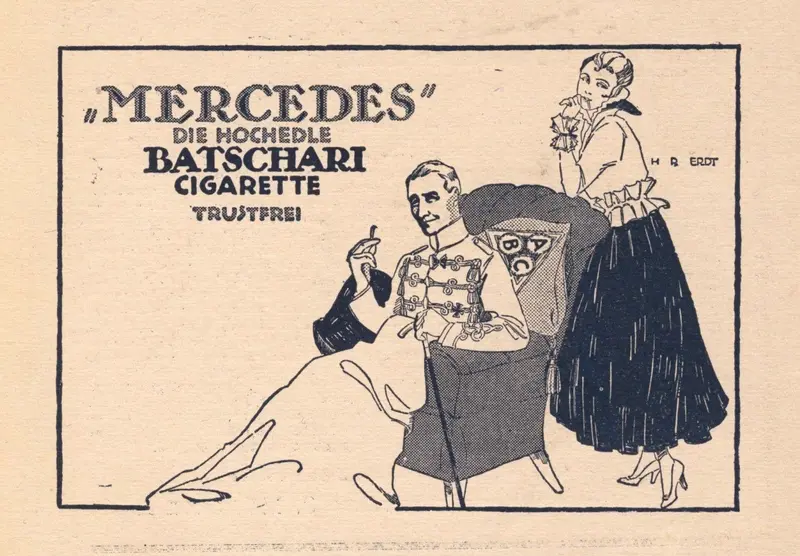
Mercedes — Batschari Cigarette
Hans Rudi Erdt

Manoli
Hans Rudi Erdt
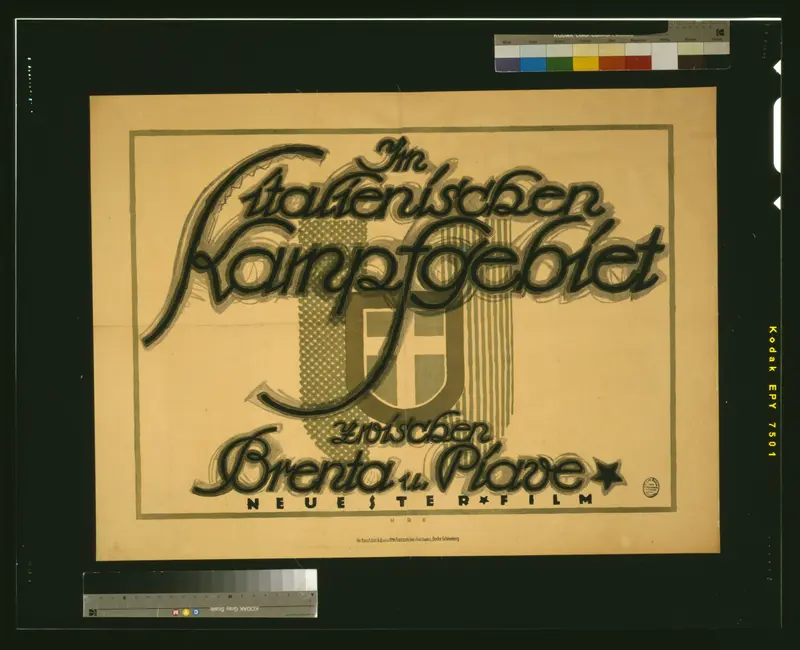
In the Italian Battle Zone between Brenta and Piave
Hans Rudi Erdt





