
Discover insights about this artwork
Merkur — History & Facts
In Merkur, Hans Thoma presents a vivid scene filled with symbolic figures. The painting features a central figure representing Mercury, surrounded by various allegorical elements. The colors are rich and vibrant, with a predominance of golds and greens that evoke a sense of depth and mystery.
The setting appears dreamlike, merging natural and fantastical elements seamlessly. The painting is executed in oil on canvas, showcasing Thoma's skill in blending colors and textures. The dimensions are approximately 100 x 150 cm, making it a substantial piece that draws the viewer in. Thoma's brushwork is detailed, allowing for intricate patterns and forms that enhance the allegorical narrative.
The use of light and shadow adds to the overall atmosphere of the work. Hans Thoma was a prominent figure in the Symbolist movement, known for his allegorical works that often draw from mythology and folklore. Merkur reflects his interest in combining the natural world with spiritual themes. Interestingly, this painting was created during a period when Thoma was exploring the relationship between art and nature.
His works often convey a sense of harmony between the two, making Merkur a notable example of his artistic vision.
More Artworks by Hans Thoma
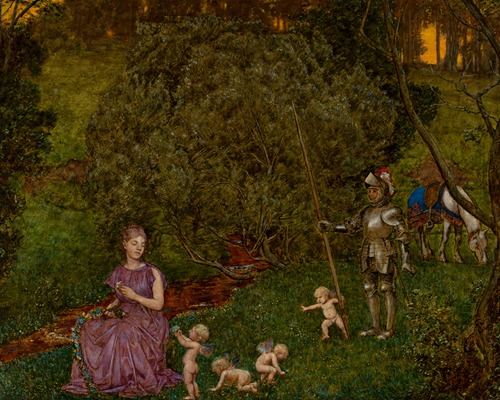
Fable – Knight
Hans Thoma
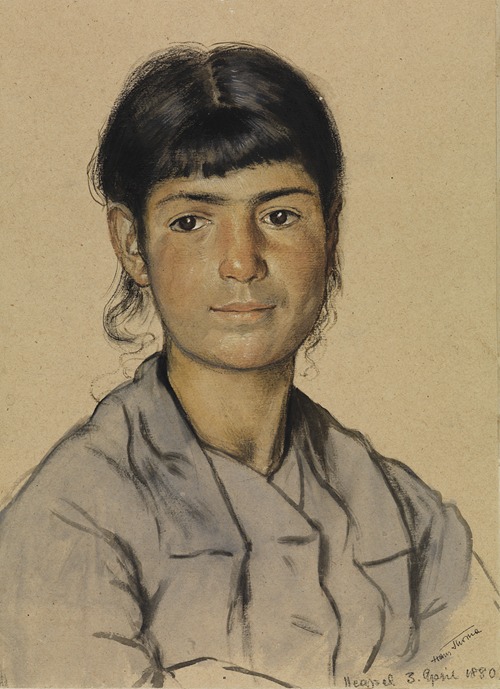
Portrait of a young Neapolitan woman
Hans Thoma
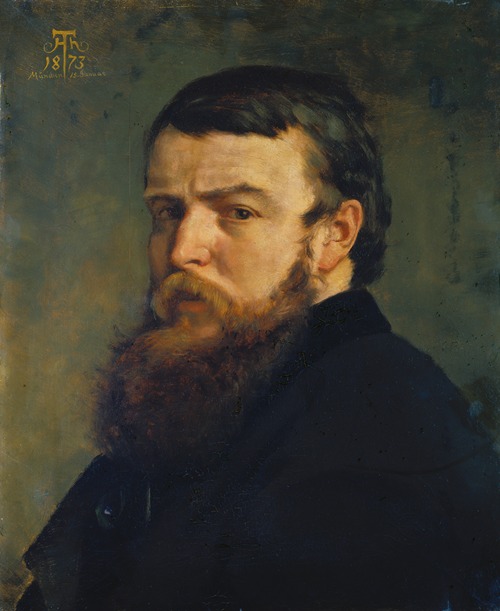
Self-Portrait from Munich
Hans Thoma
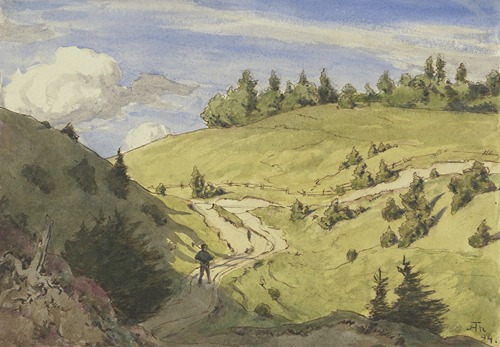
Landscape in the Black Forest
Hans Thoma
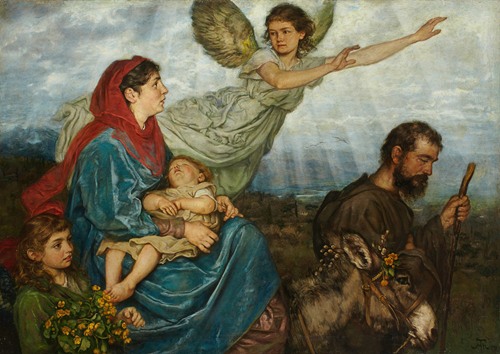
The Flight into Egypt
Hans Thoma
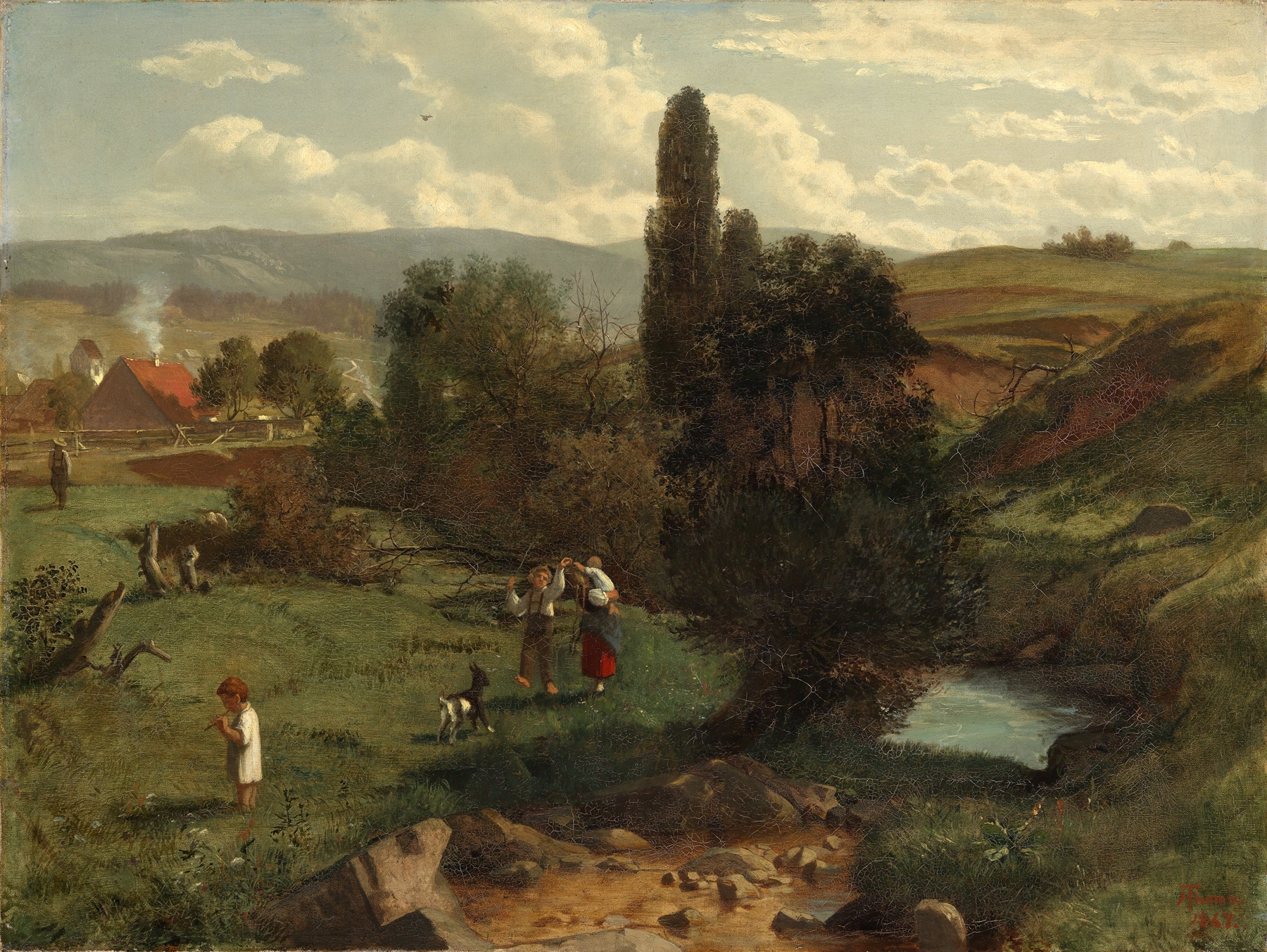
Schwarzwaldlandschaft
Hans Thoma
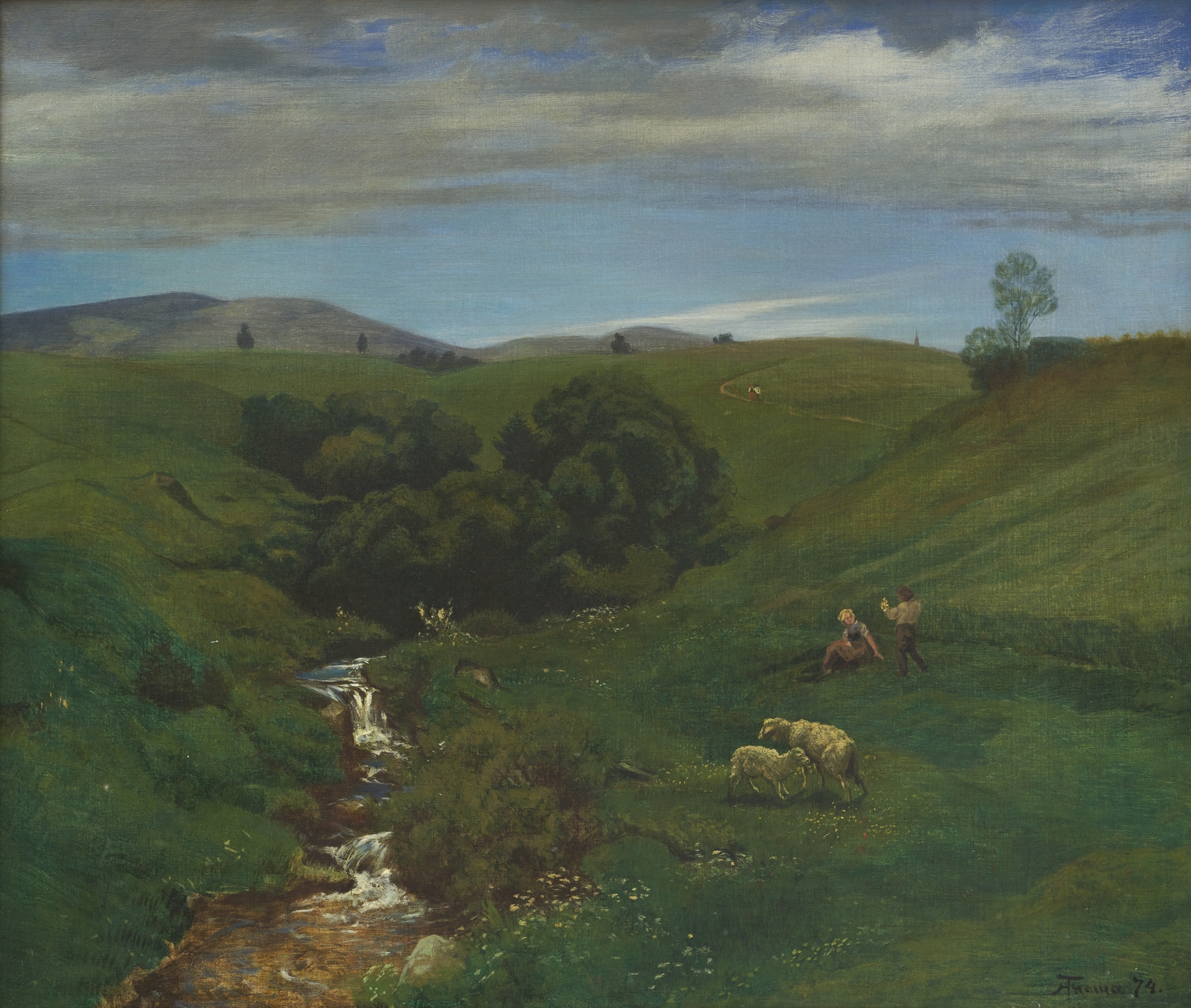
Black Forest Meadow near Bernau
Hans Thoma
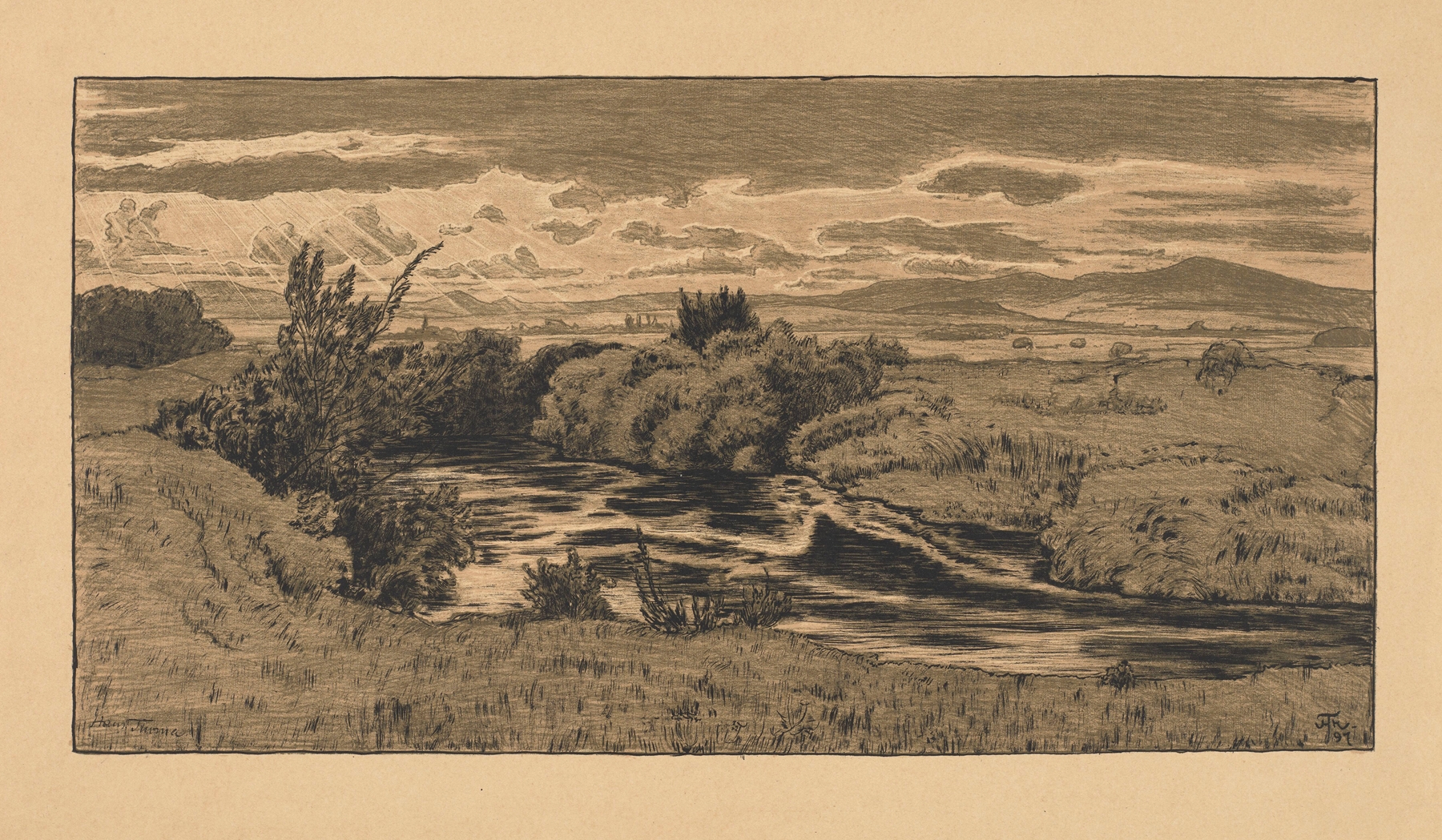
Evening by the Nidda River
Hans Thoma
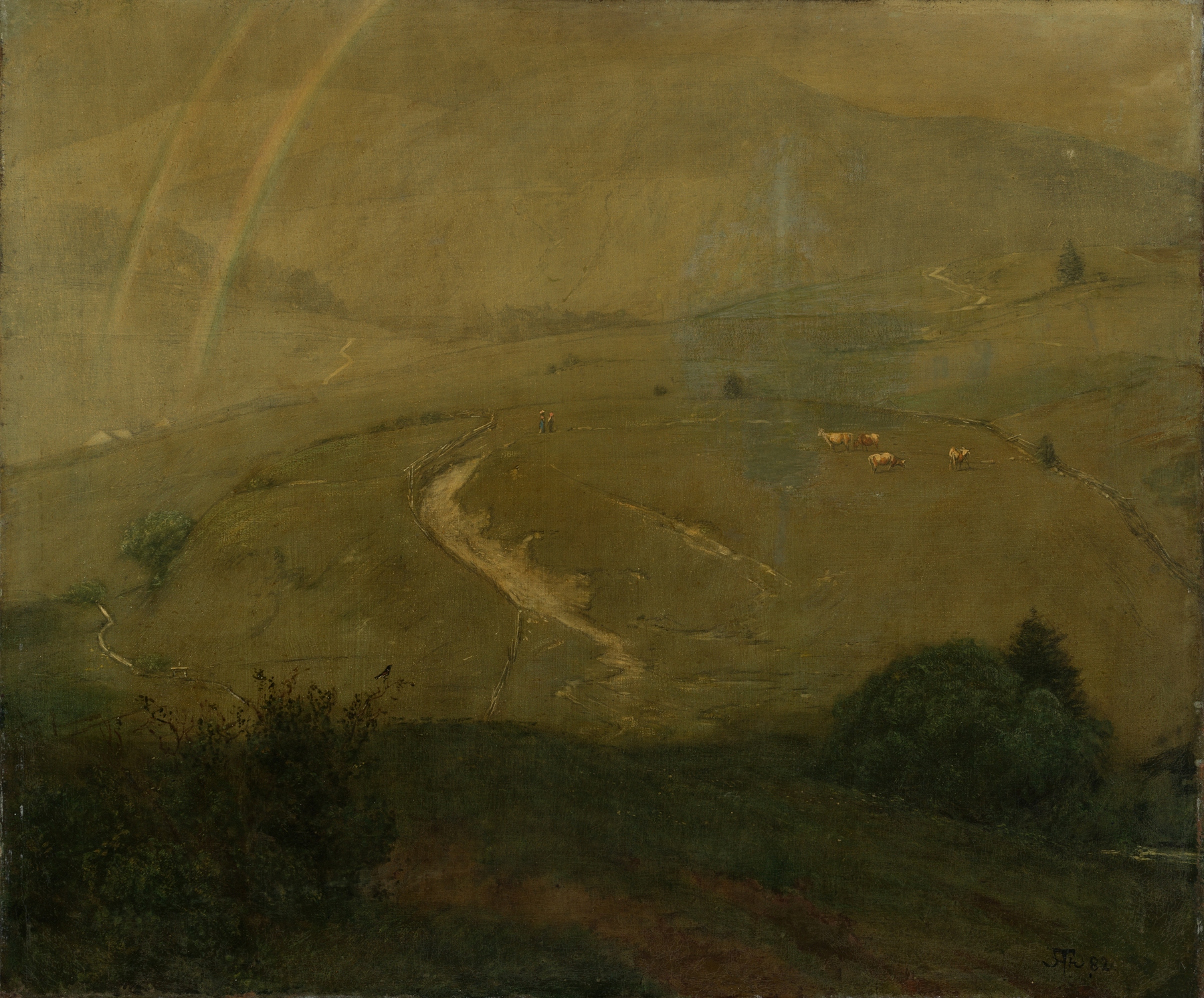
Regen im Schwarzwald
Hans Thoma
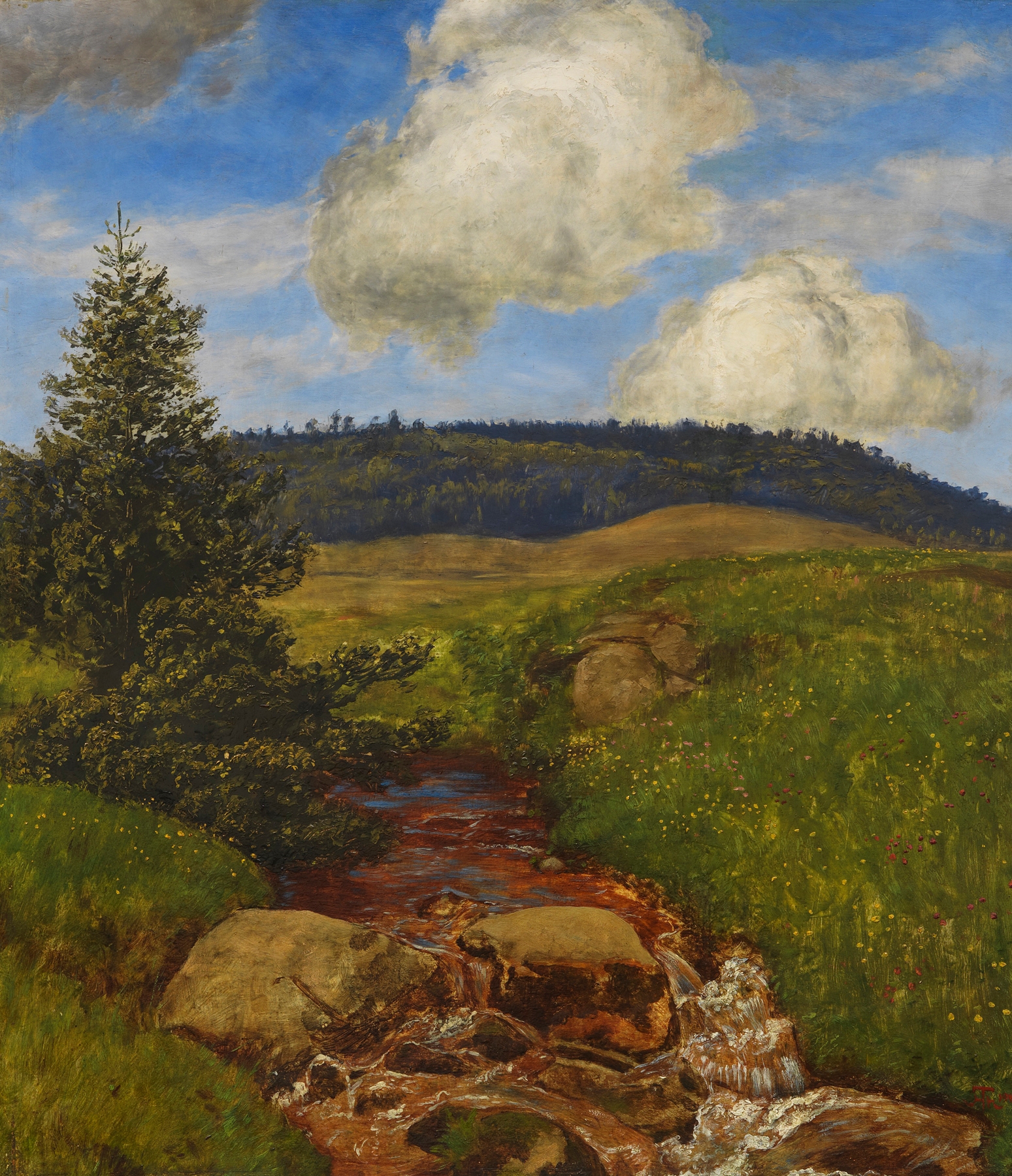
Schwarzwaldbach
Hans Thoma
More Allegory Art
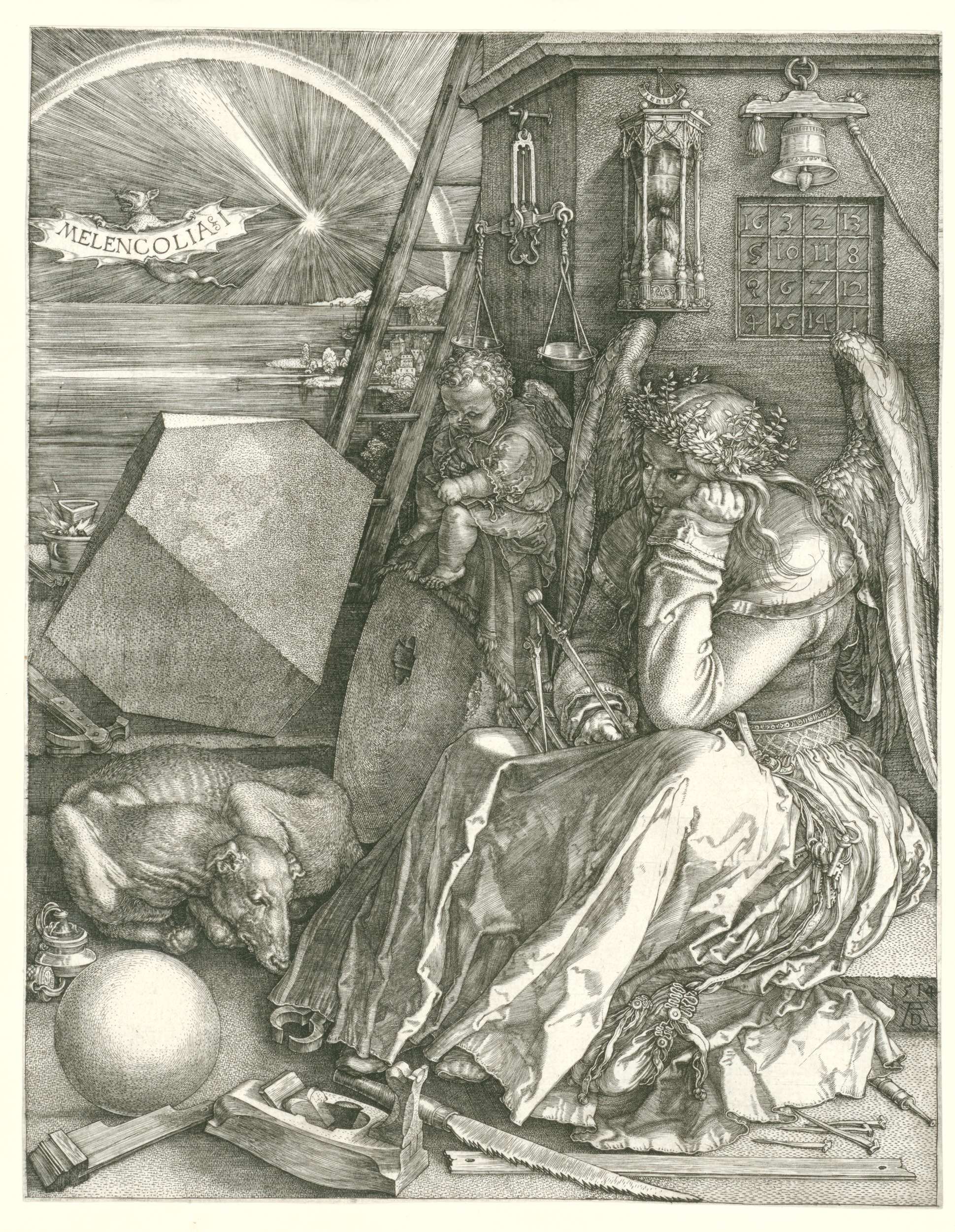
Melancholia
Albrecht Dürer
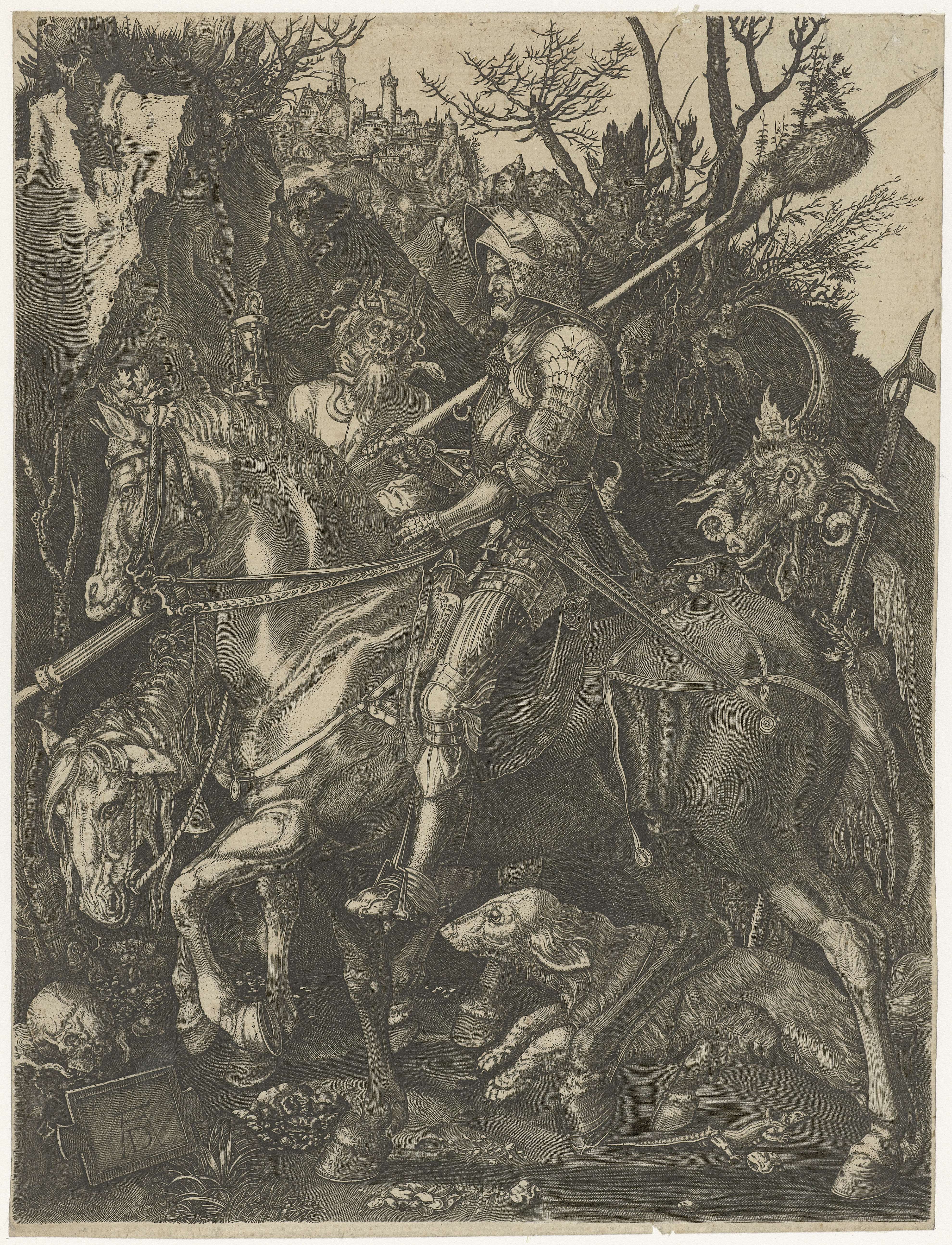
Ridder, Dood en Duivel
Unknown Artist
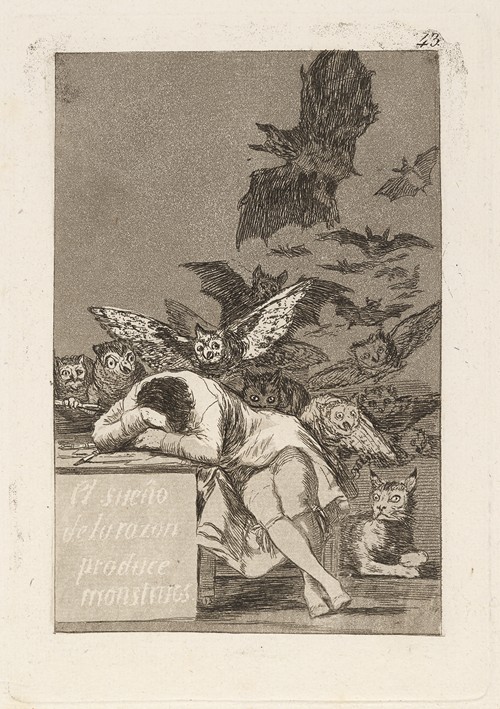
El sueño de la razon produce monstruos. (The sleep of reason produces monsters.)
Francisco de Goya
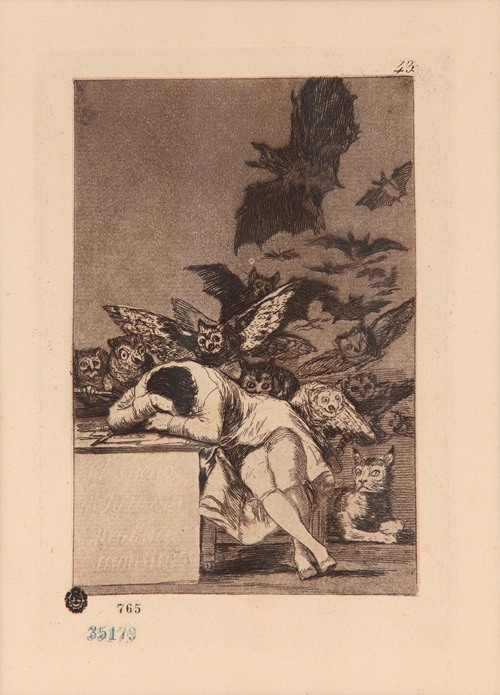
El sueño de la razon produce moustruos (Serie Caprichos)
Francisco de Goya
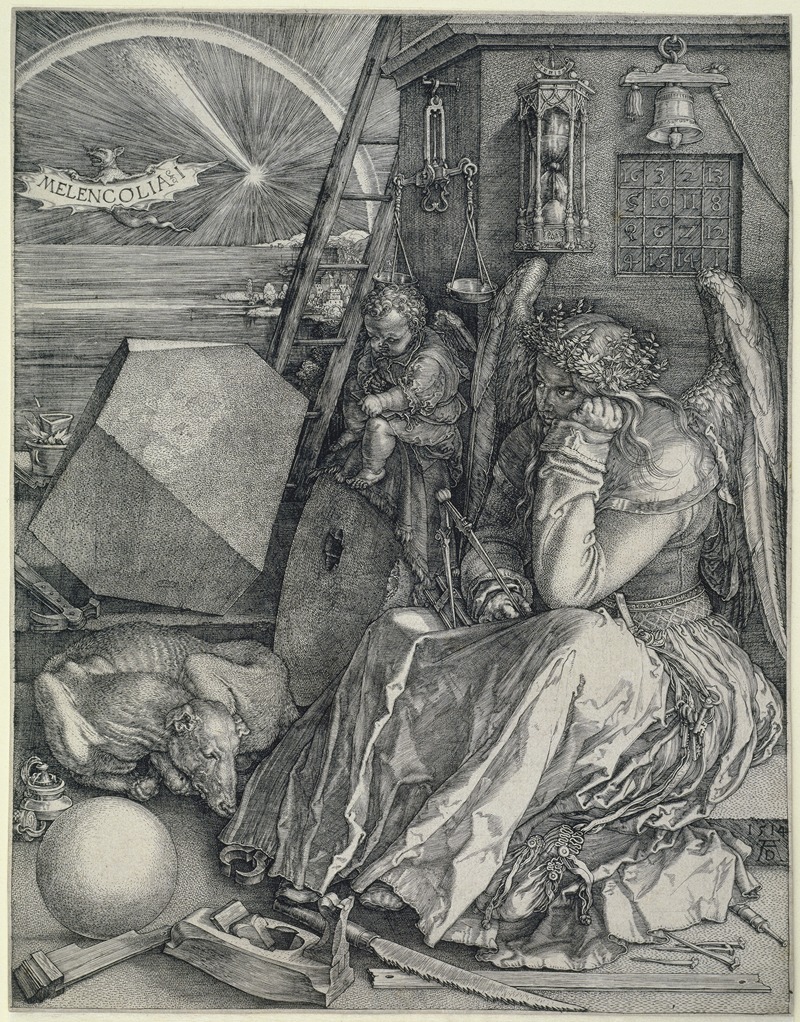
Melencolia I (The Melancholy)
Albrecht Dürer
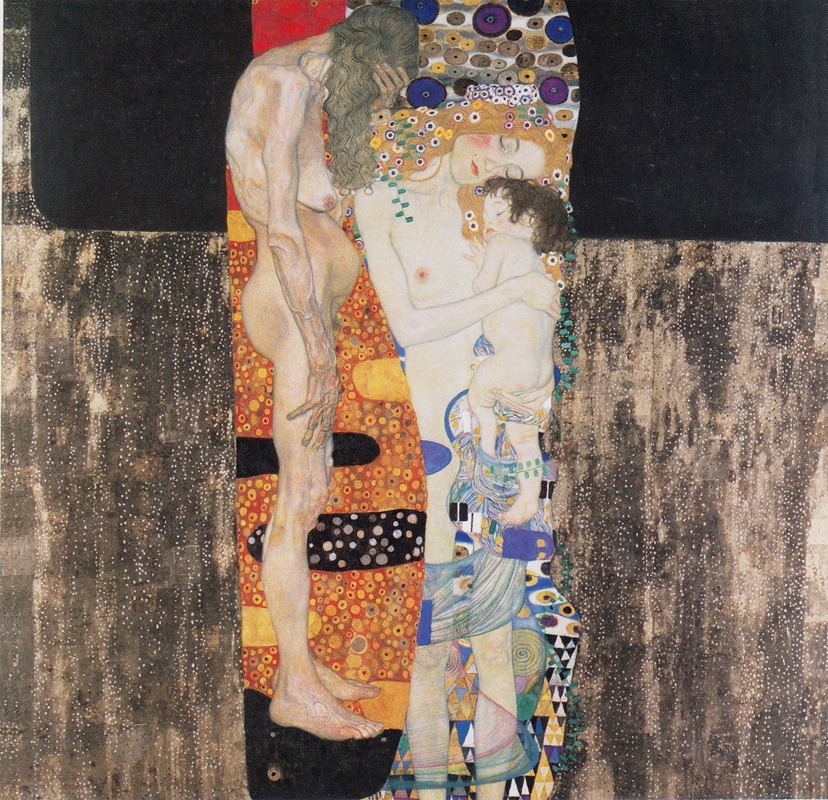
The Three Ages of the Woman
Gustav Klimt