
Midi sous bois — History & Facts
What secret hides in the quiet of the canvas? The stillness of Midi sous bois invites the viewer to ponder the transcendent moments nestled within nature, where silence speaks volumes. Look to the serene depths of the forest, where dappled sunlight filters through the leaves, casting a gentle glow upon the forest floor. Notice how the brush strokes intertwine to create a sense of movement, mimicking the soft rustle of foliage and the whisper of the wind. The palette of earthy greens and warm browns evokes both tranquility and reverence, drawing the eye deeper into this enchanting woodland scene. In this work, contrasts abound; the vibrant vitality of nature stands in silent dialogue with the isolation often felt within its vastness.
The delicate interplay between light and shadow hints at hidden pathways, suggesting that each viewer can discover their own journey within the canvas. Small details, like the play of light on a distant tree or the soft ground beneath, imbue the scene with a sense of depth, evoking feelings of both peace and contemplation. Created in 1889, Midi sous bois reflects the artistic endeavors of Auguste Louis Lepère at a time when Impressionism was blossoming in France. Living in a world influenced by rapid industrialization, the artist turned to nature as a refuge, capturing fleeting moments of beauty.
As Lepère embraced his passion for printmaking and painting, this work became a testament to his belief in the power of natural landscapes to inspire and uplift the human spirit.
More Artworks by Auguste Louis Lepère
Browse all →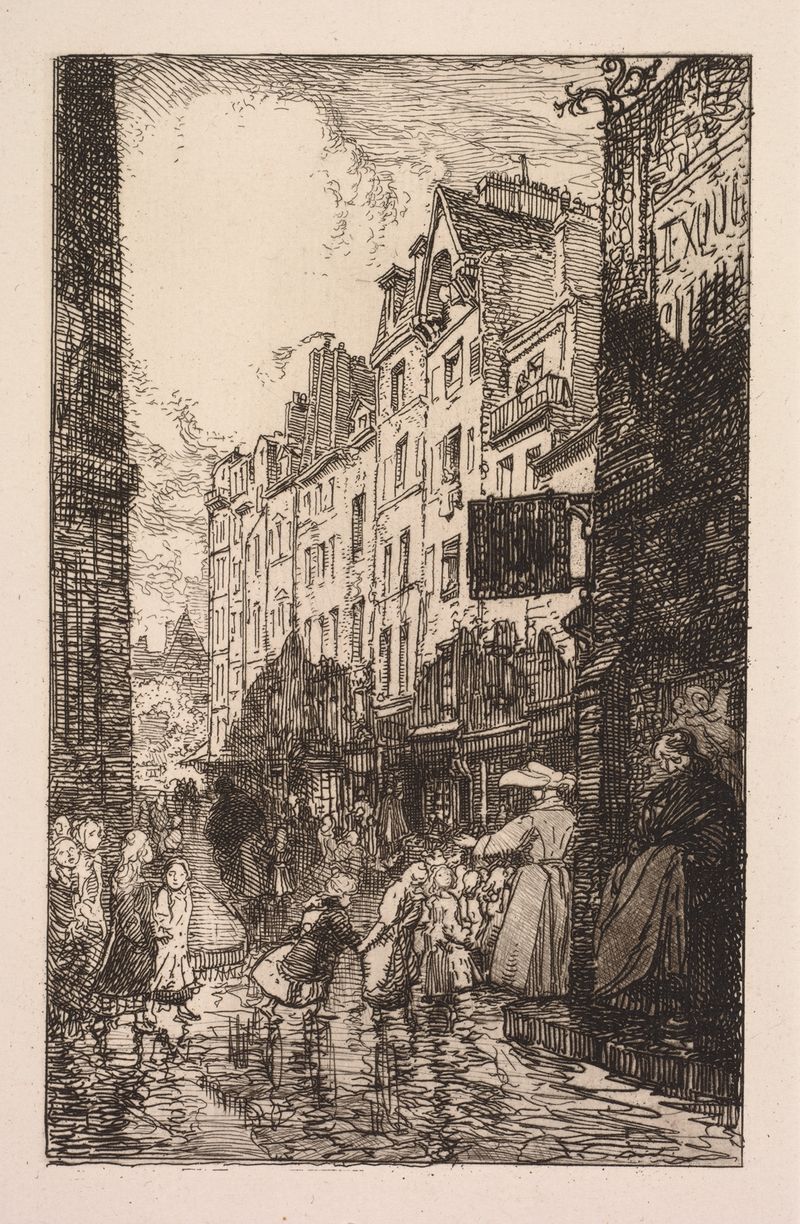
La Rue des Prêtres Saint-Séverin
Auguste Louis Lepère
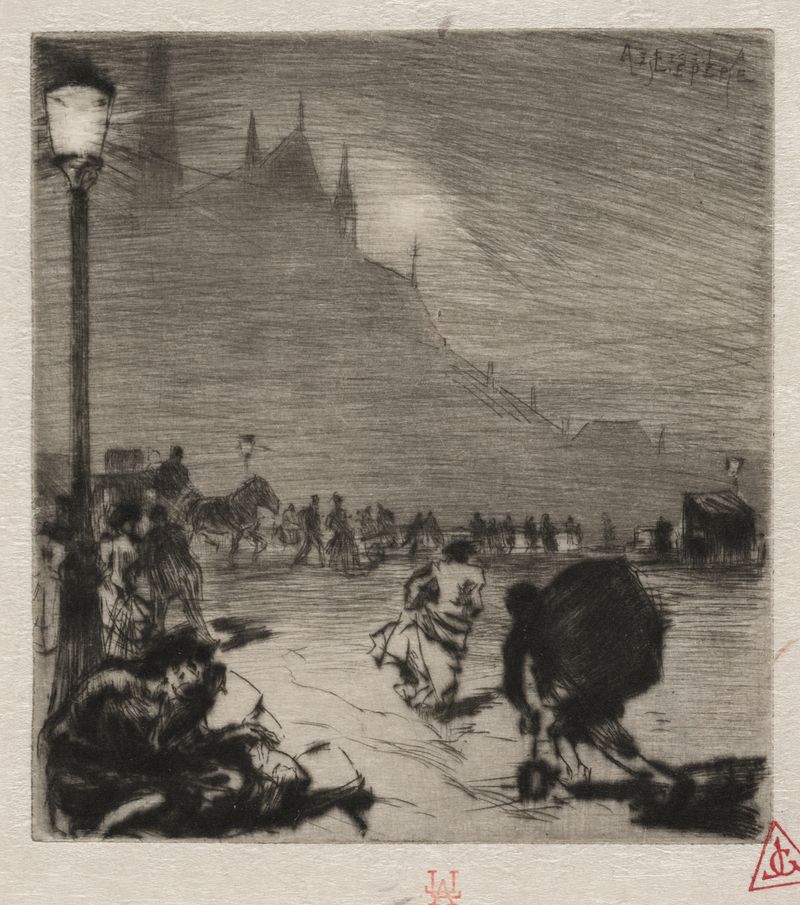
Au Coin du Pont-aux-Doubles
Auguste Louis Lepère
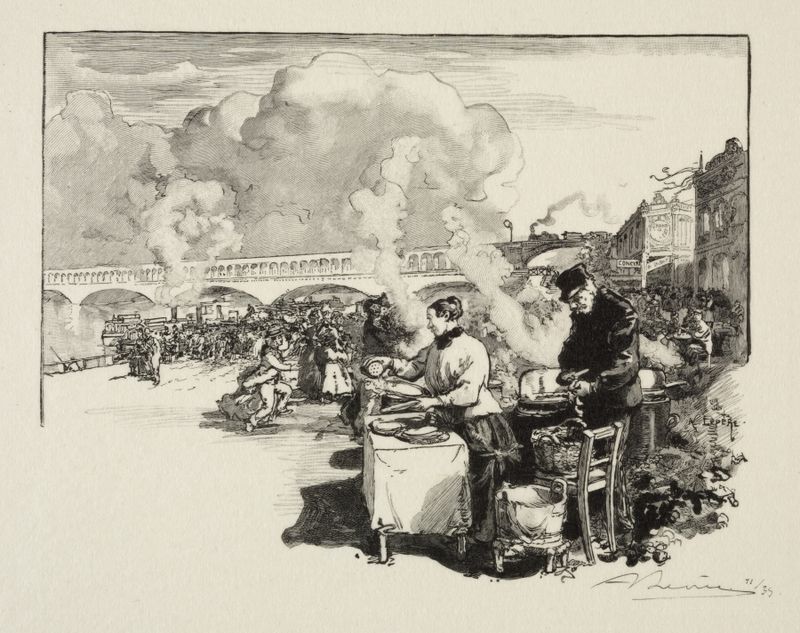
Debarcadère des bateaux-omnibus
Auguste Louis Lepère

La Seine, au quai de la Rapée
Auguste Louis Lepère
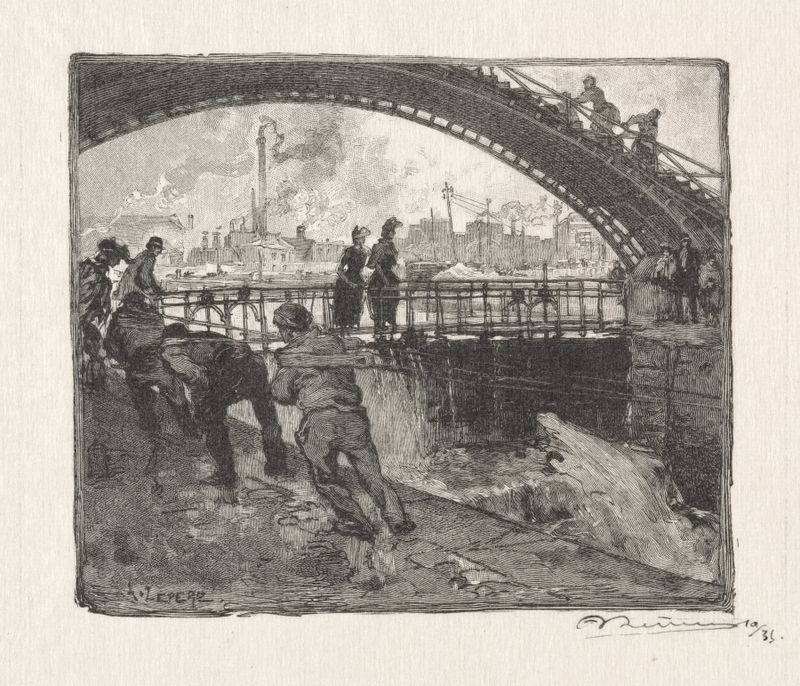
L’Ecluse du Canal St. Martin
Auguste Louis Lepère

Le Boulevard Montmartre, le Soir
Auguste Louis Lepère

Une Chasse au Mont Gérard
Auguste Louis Lepère
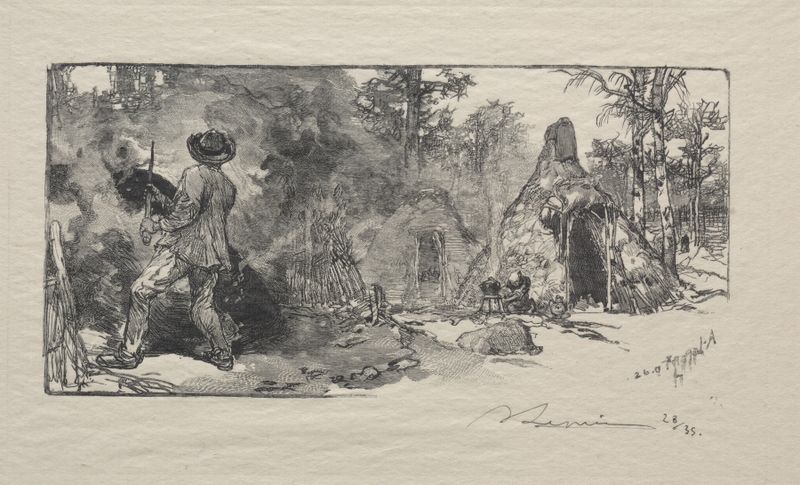
Les Charbonniere
Auguste Louis Lepère
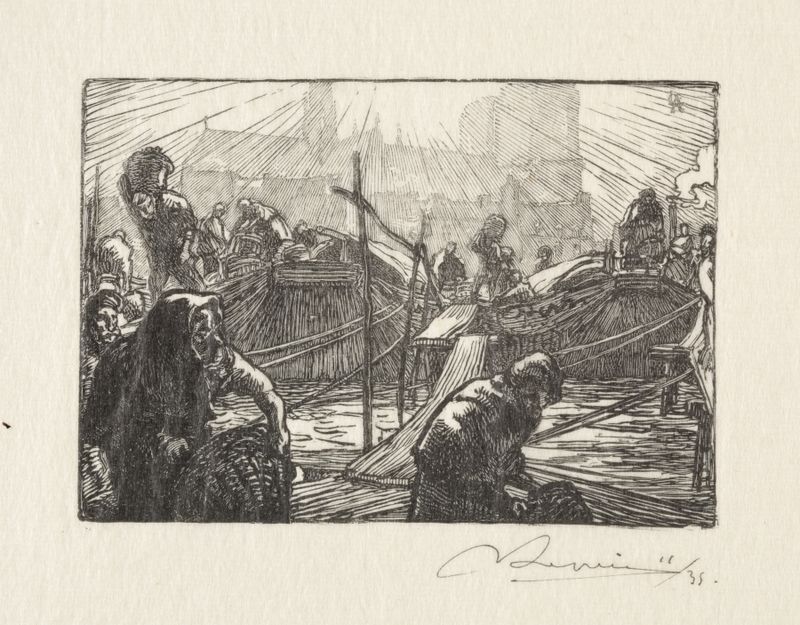
Notre Dame vue du Marché aux pommes
Auguste Louis Lepère

Le Palais des Arts Liberaux, Intèrieur
Auguste Louis Lepère





