
Mill by a river — History & Facts
Is this a mirror — or a memory? The tranquil landscape whispers of legacies intertwined with nature, beckoning reflection on the passage of time. Look to the left at the mill, its weathered wooden beams echoing stories of labor and life. Notice how the sunlight bathes the scene, illuminating the rippling river that flows gently beside it, casting shimmering reflections that dance upon the water's surface. The soft, earthy palette of greens and browns evokes a sense of nostalgia, connecting the viewer to the enduring bond between humanity and the landscapes that sustain us. Delve deeper into the contrasts present in this work.
The juxtaposition of the sturdy mill against the ephemeral qualities of water highlights the delicate balance between permanence and transience. The ripples of the river suggest the relentless passage of time, while the mill stands as a testament to human endeavor, a silent guardian of past memories. The artist captures not just a moment but a broader narrative about growth, decay, and the impact of legacy on future generations. In 1927, Rouba painted this piece during a period of profound change in Poland, where the echoes of World War I were still felt.
His work reflected the burgeoning interest in capturing local landscapes and the lives intertwined with them. As industrialization began to reshape the countryside, he sought to preserve the essence of rural life before it was irrevocably altered, threading a story of resilience through the silken brushstrokes of his canvas.
More Artworks by Michał Rouba
Browse all →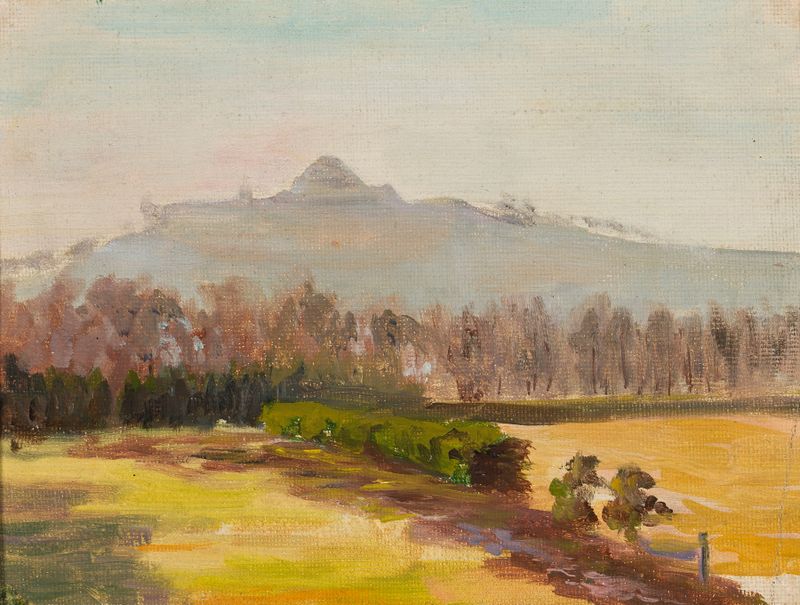
Landscape with a view of the Kościuszko Mound
Michał Rouba
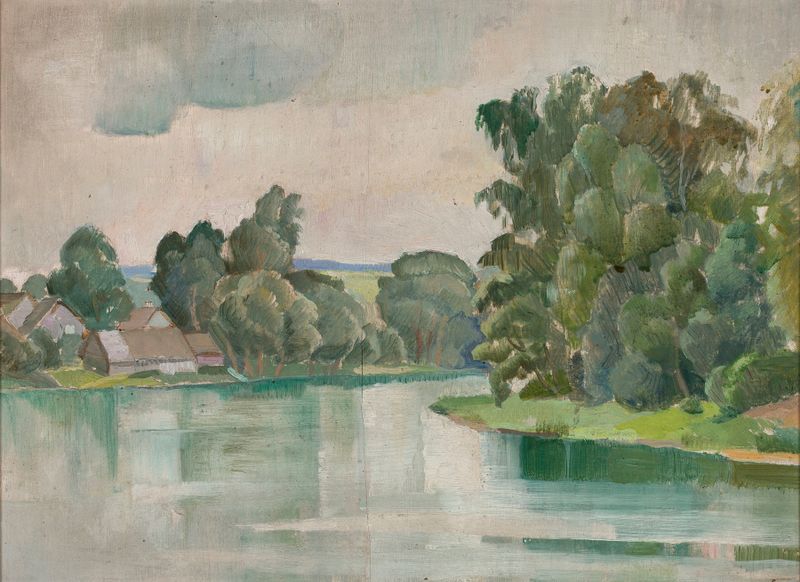
Village by a river
Michał Rouba
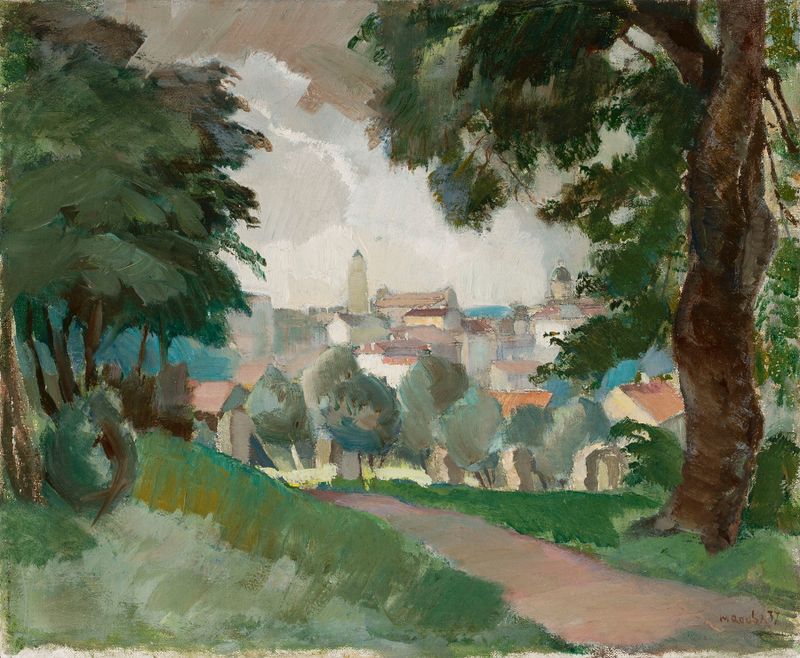
Widok Wilna wśród drzew
Michał Rouba
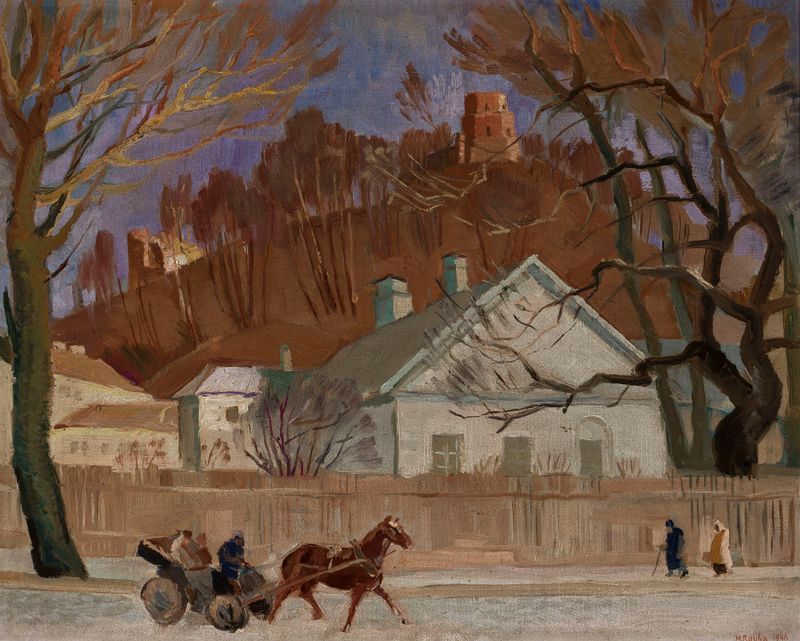
Gediminas Mountain in Vilnius
Michał Rouba
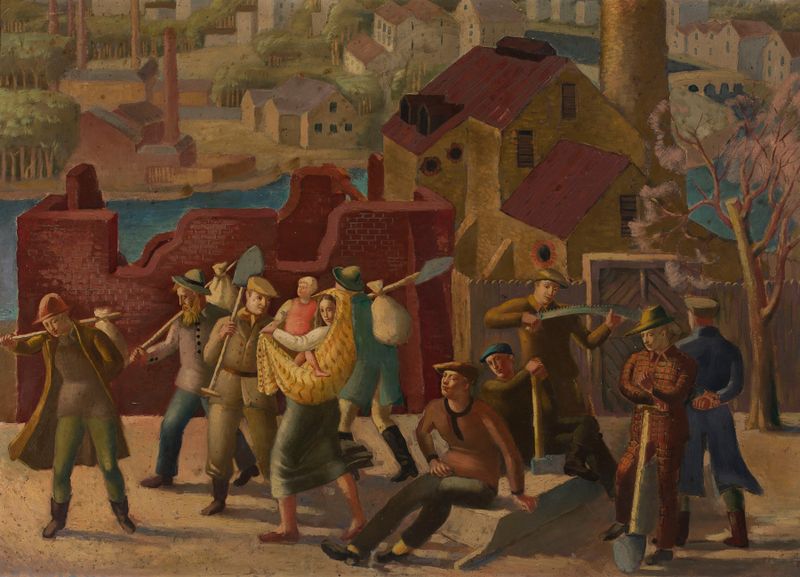
Urban landscape with workers against the background of a building
Michał Rouba
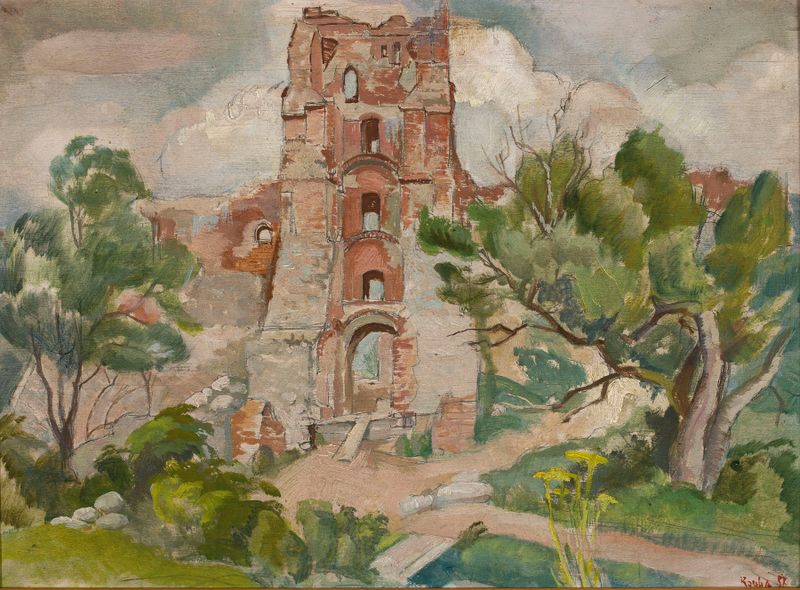
Tower in Troki
Michał Rouba
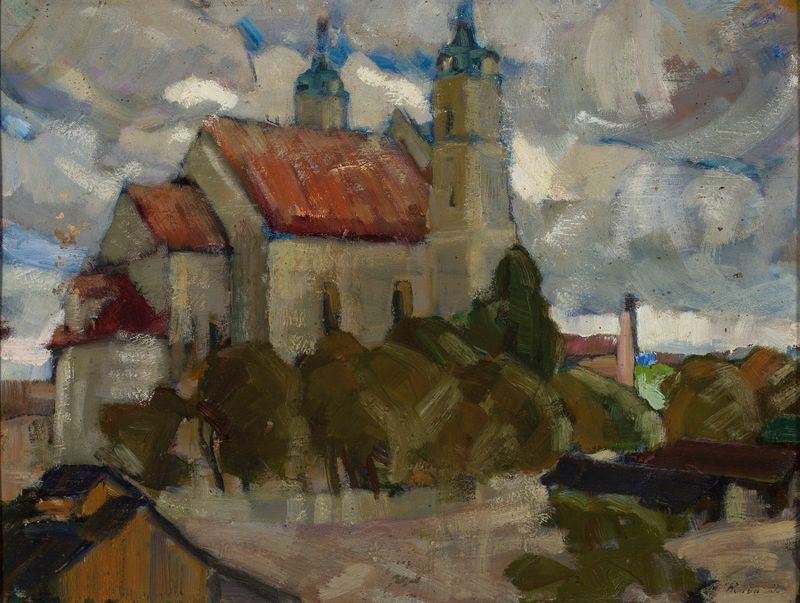
Church among trees
Michał Rouba
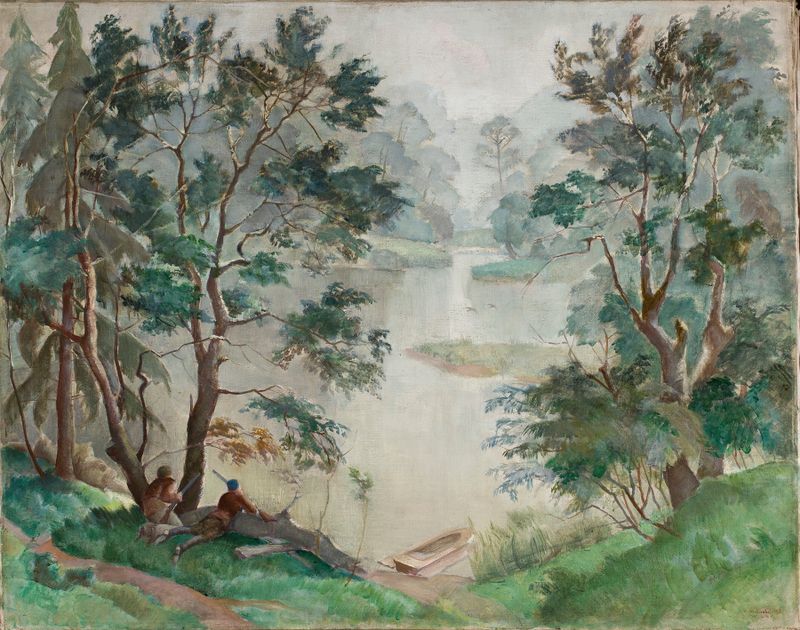
Autumn fogs
Michał Rouba
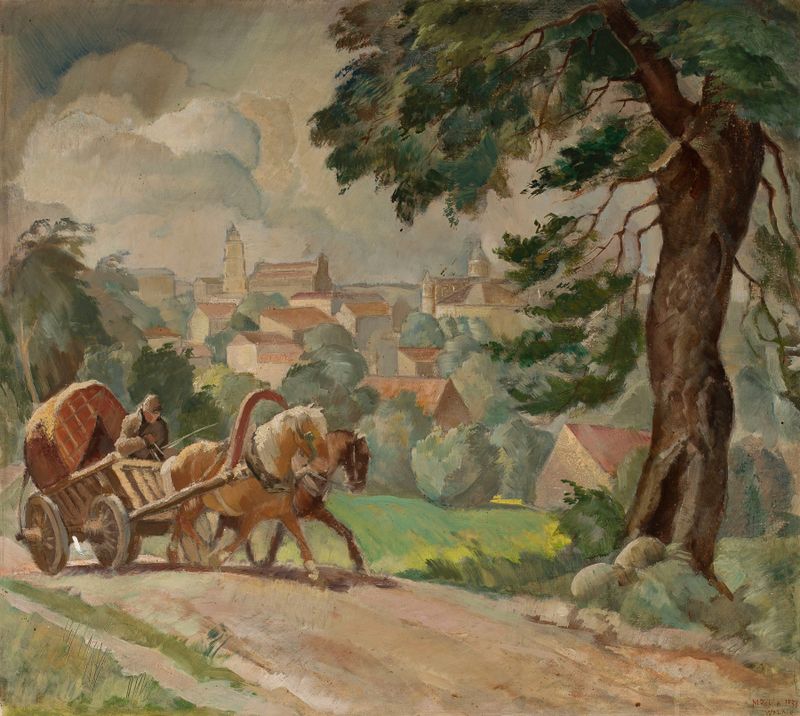
Two-horse cart on the road into town
Michał Rouba
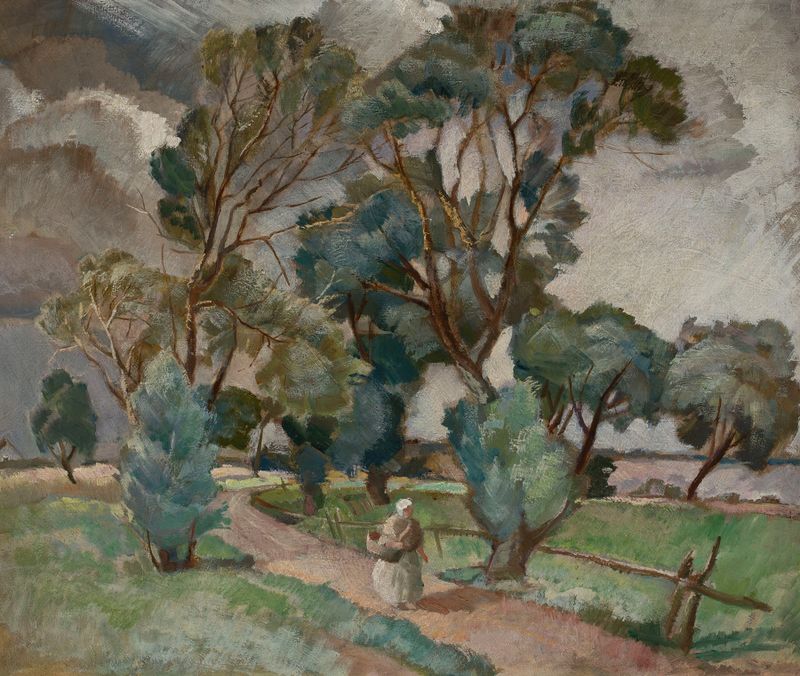
Dull day
Michał Rouba





