
Mill with sight of Delft — History & Facts
The great sweep of the windmill’s sails dominates the scene, but it is the quiet choreography of daily life beneath them that draws the viewer in. A barge nudges the bank, its cargo and crew caught in a moment of work and waiting, while figures on the shore—women in white bonnets, a child—gather and converse, their faces turned toward the water and the mill. Light glances off the rippling canal, guiding the eye from the shadowed reeds in the foreground to the sunlit brick of the mill and, beyond, to the distant spire of Delft.
The palette is rich with autumnal browns and soft sky blues, lending the scene a sense of calm industry, as if the world turns gently on the axis of this mill. Painted in 1836, Mill with sight of Delft by Antonie Waldorp stands firmly in the tradition of Dutch landscape painting, a genre that celebrated the land’s relationship with water, wind, and work. By the early nineteenth century, such views were both a nod to the Dutch Golden Age and a reflection of contemporary pride in national identity and rural life. These paintings were often collected by the rising middle class, eager to display scenes of familiar beauty and quiet prosperity in their homes.
Today, this work resides in the Dordrechts Museum, a reminder of how history has kept few traces of its journey but preserved its invitation to linger in the world it so carefully observes.
More Artworks by Antonie Waldorp
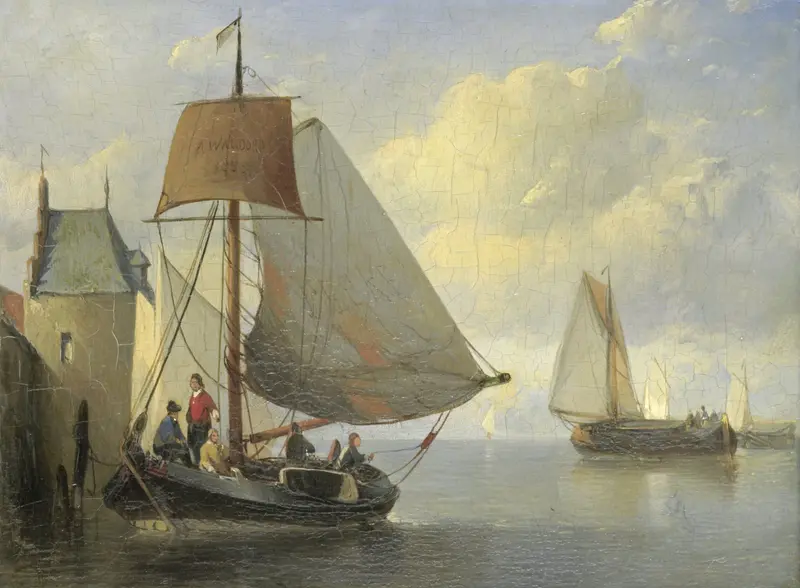
Riviergezicht met een waltoren geïnspireerd op de Camperveerse toren te Veere
Antonie Waldorp
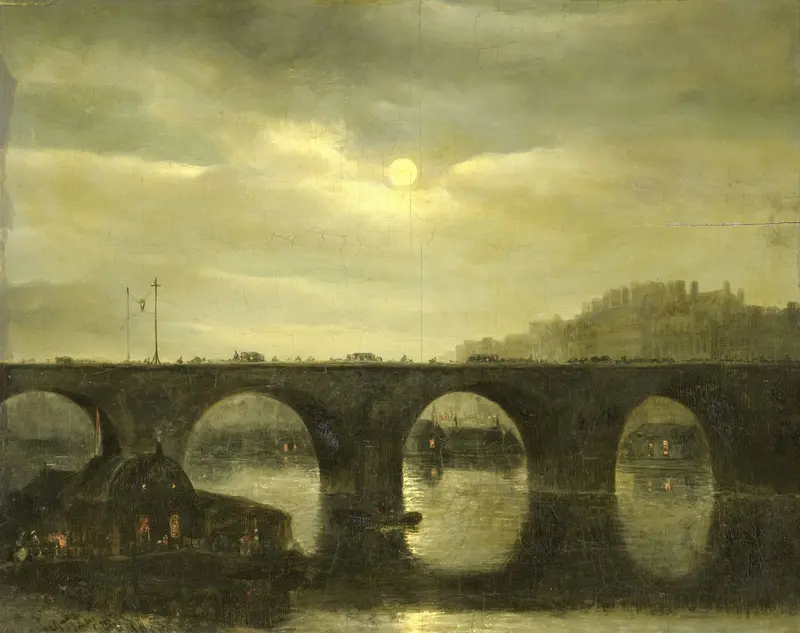
One of the Bridges over the Seine, Paris, in the Moonlight
Antonie Waldorp
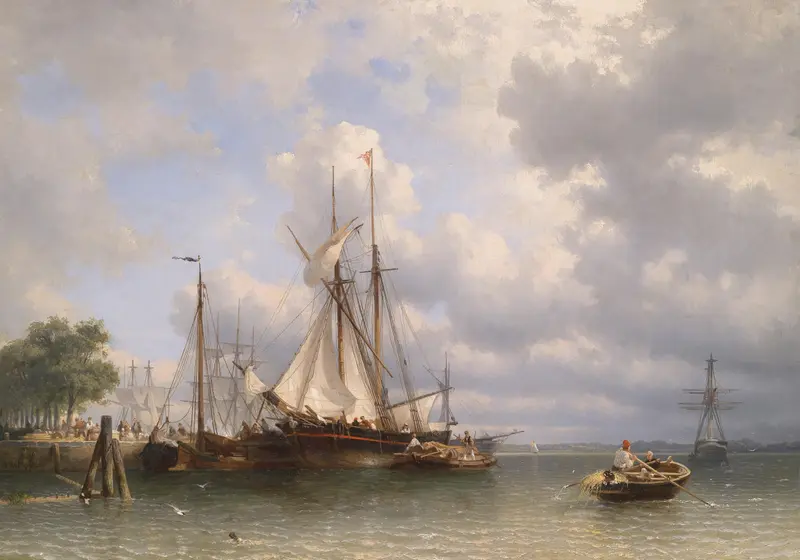
Sailing ships in the harbor
Antonie Waldorp
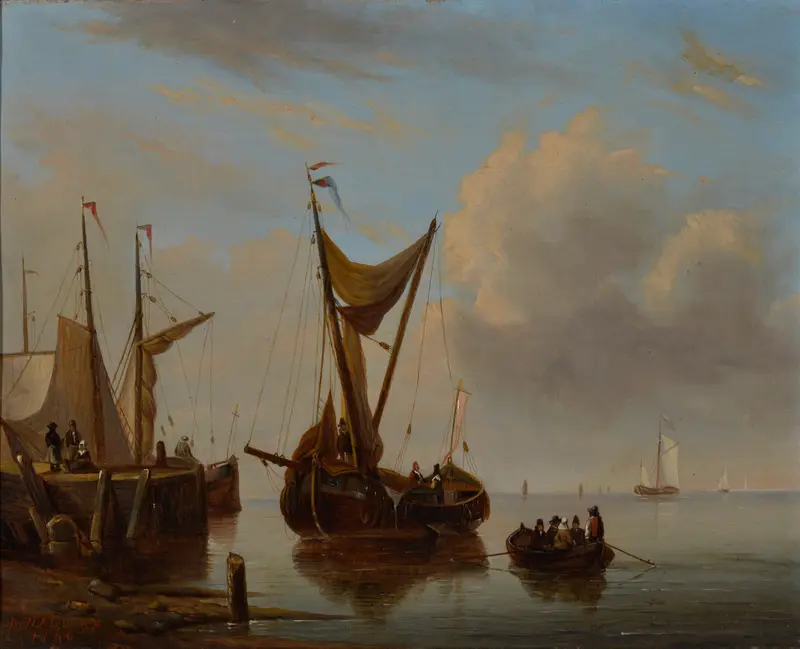
Zeegezicht met schepen DM 012 995 Dordrechts Museum
Antonie Waldorp
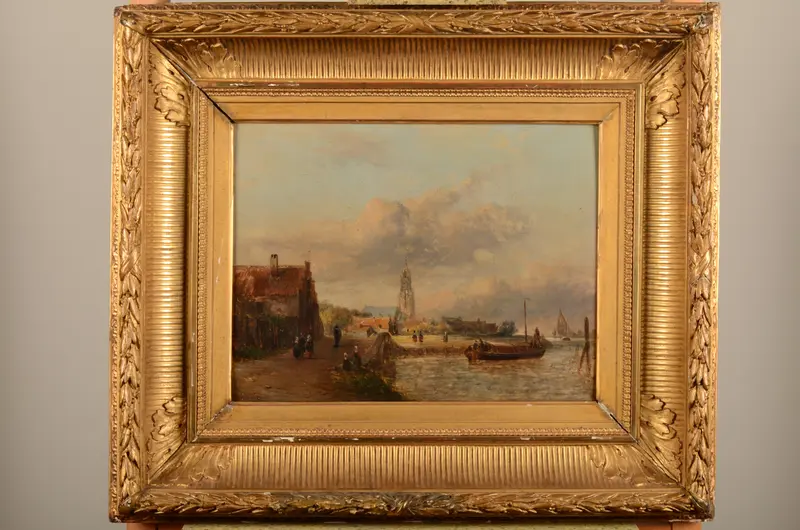
Stadsgezicht 021657 Stedelijk Museum Alkmaar
Antonie Waldorp
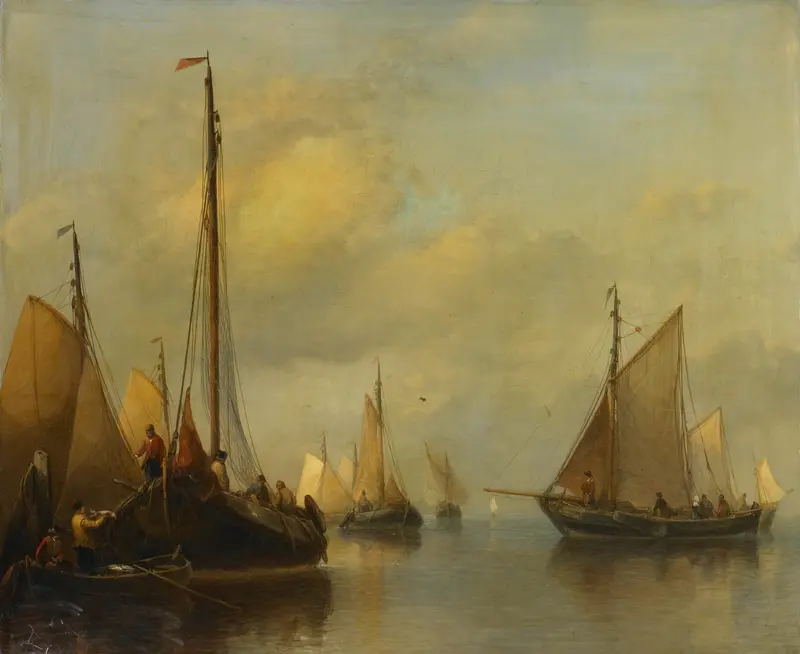
Fishing Boats on calm Water
Antonie Waldorp
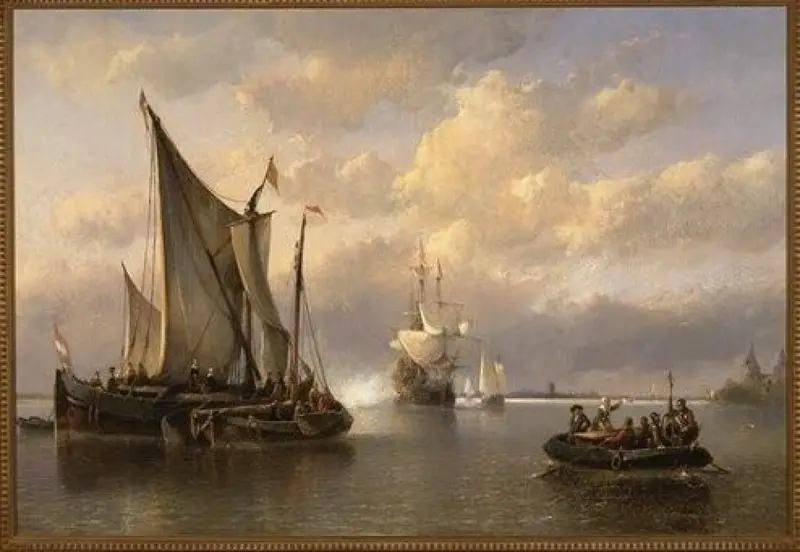
The Merwede River with the Flight of Hugo Grotius
Antonie Waldorp
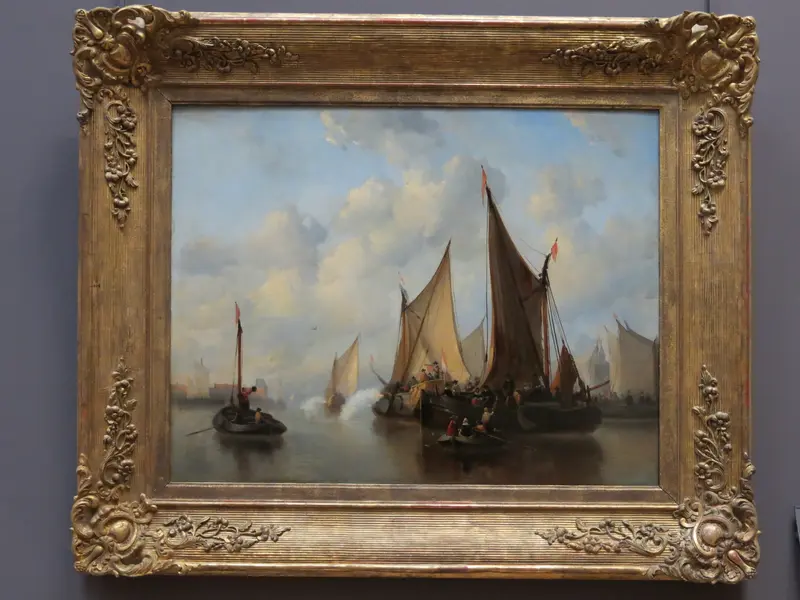
Arrivée de hauts personnages dans un port hollandais (Louvre, MI 90)
Antonie Waldorp
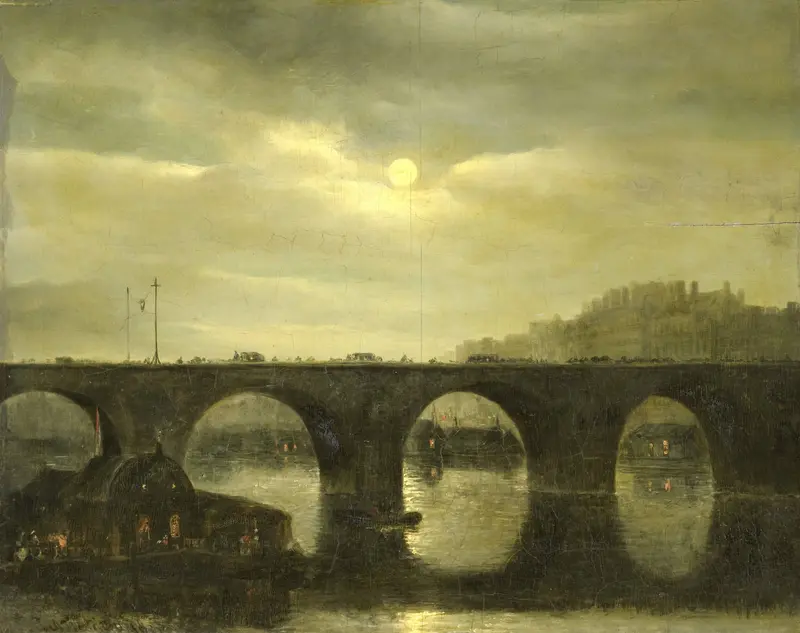
View of a Bridge of the Seine in Paris by Moonlight
Antonie Waldorp

Beurtschip Zaandam
Antonie Waldorp
More Landscape Art

The Starry Night
Vincent van Gogh

View of Delft
Johannes Vermeer

Water Lilies
Claude Monet

The Grand Canal, Venice, looking north-west from the Ca' Corner to the Ca' Contarini degli Scrigni, with the campanile of Santa Maria della Carità
Canaletto

Windsor Castle
Canaletto

The Grand Canal looking North-East from the Palazzo Dolfin-Manin to the Rialto Bridge
Canaletto