
Minamoto no Nakakuni Visits Lady Kogō 1 — History & Facts
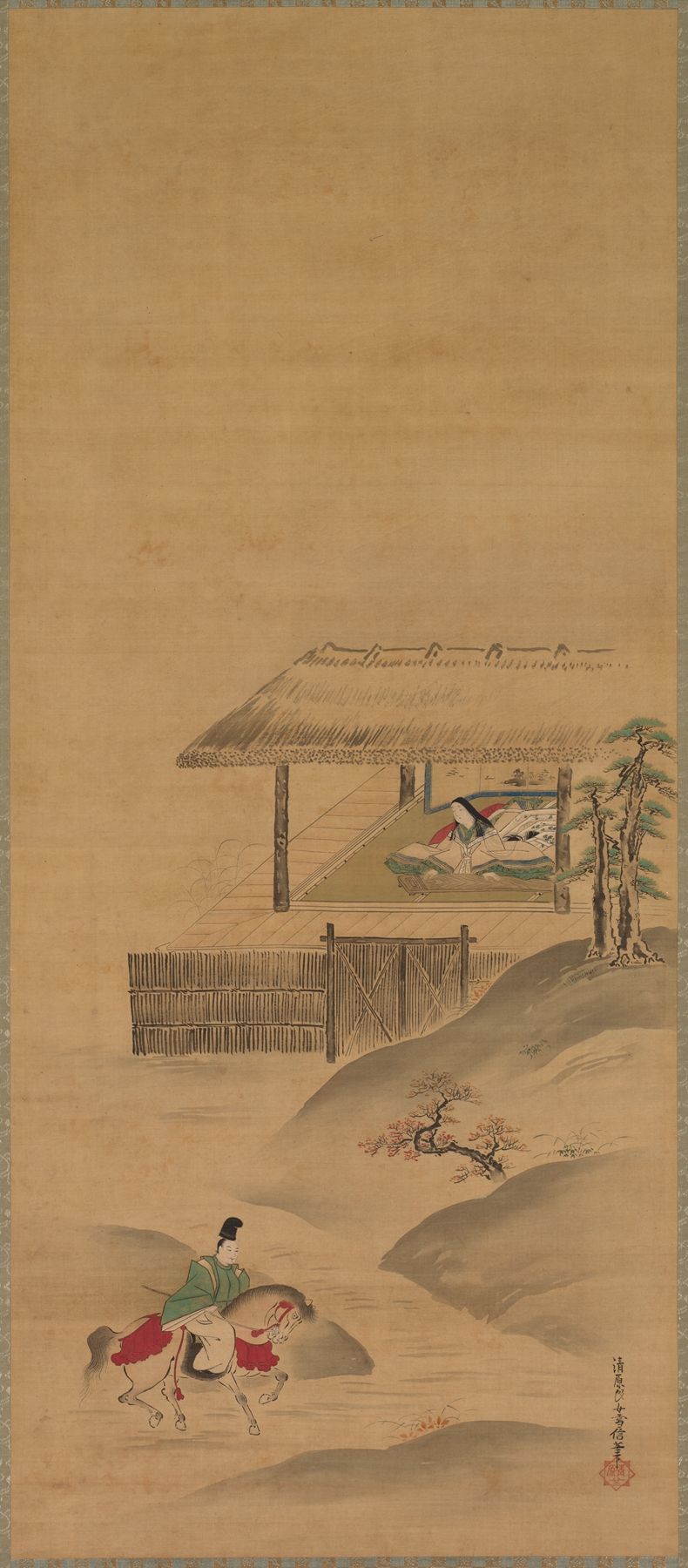
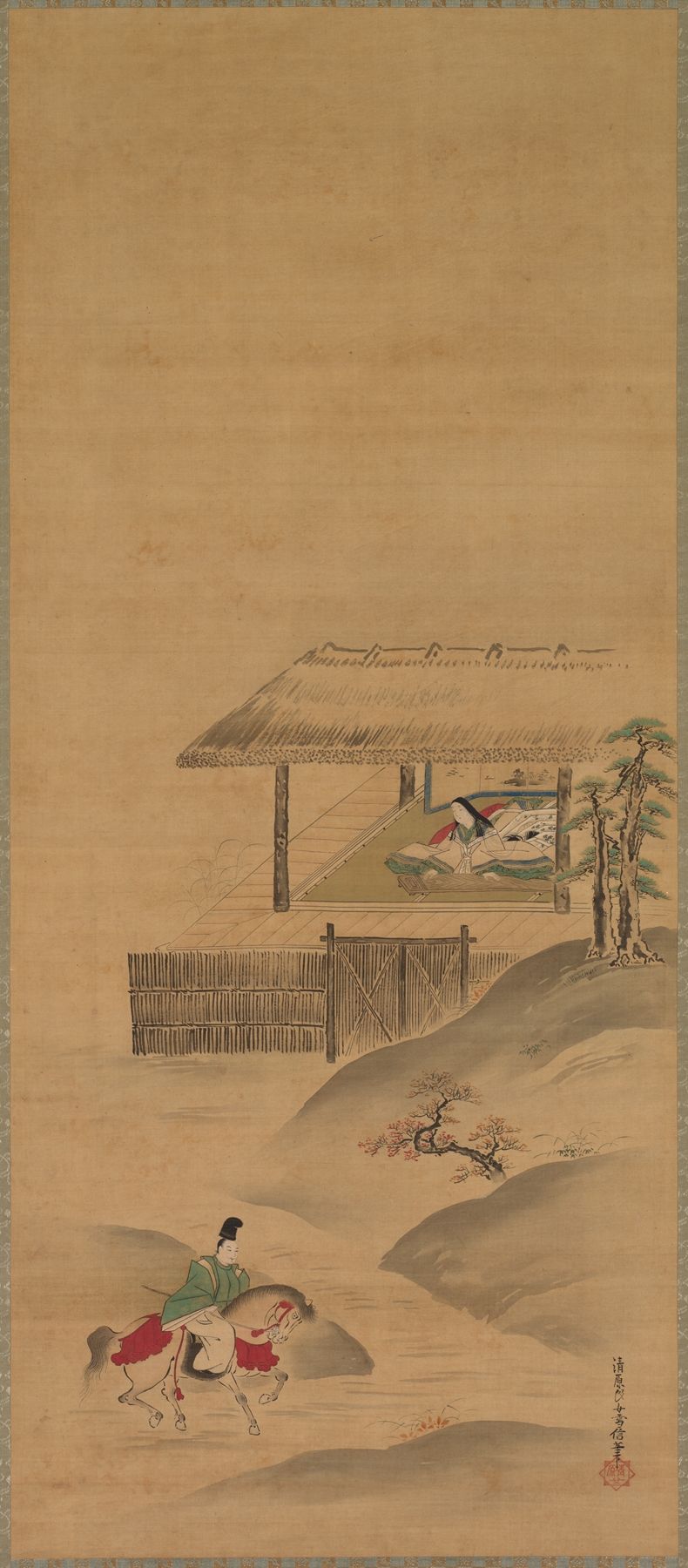
Under a silvery moon, a delicate figure glides through a tranquil garden, her pale robes whispering against the night air. Minamoto no Nakakuni, handsome and poised, stretches a hand toward Lady Kogō, whose downcast gaze speaks of unexpressed longing. The gentle glow of lantern light bathes the scene, casting intricate shadows that dance softly, while the fragrant blossoms seem to lean closer, as if eavesdropping on this poignant moment of connection. Focus first on the serene expressions of the two protagonists, their elegance captured in flowing garments adorned with intricate patterns.
Notice how the artist employs vibrant hues of indigo and gold, imbuing the night with an otherworldly quality. The carefully arranged foliage and blossoms that frame their figures draw your eye inward, making the connection between them feel intimate yet fleeting, as if they exist in a suspended dream. Yet, beneath the serene exterior lies a tension of longing and societal constraints. The petals scattered on the ground hint at vulnerability, while the distance between the two figures evokes the barriers imposed by their respective worlds.
This moment is both a meeting of souls and a reminder of the isolation that often accompanies passion, revealing the delicate balance between desire and duty. Created in the late 1600s, the artist was part of the Kanō school, which thrived in Kyoto during a time of artistic resurgence. Kiyohara Yukinobu was known for his elegance and refinement in depicting courtesans and historical figures. In this period, Japan was experiencing a flourishing cultural life, marked by the rising popularity of ukiyo-e, which celebrated the beauty of fleeting moments and the richness of life, perfectly encapsulating the atmosphere within Minamoto no Nakakuni Visits Lady Kogō.
More Artworks by Kiyohara Yukinobu
Browse all →
Autumn in Takao
Kiyohara Yukinobu
Minamoto no Nakakuni Visits Lady Kogō 2
Kiyohara Yukinobu
Minamoto no Nakakuni Visits Lady Kogō 2
Kiyohara Yukinobu
Minamoto no Nakakuni Visits Lady Kogō 1
Kiyohara Yukinobu
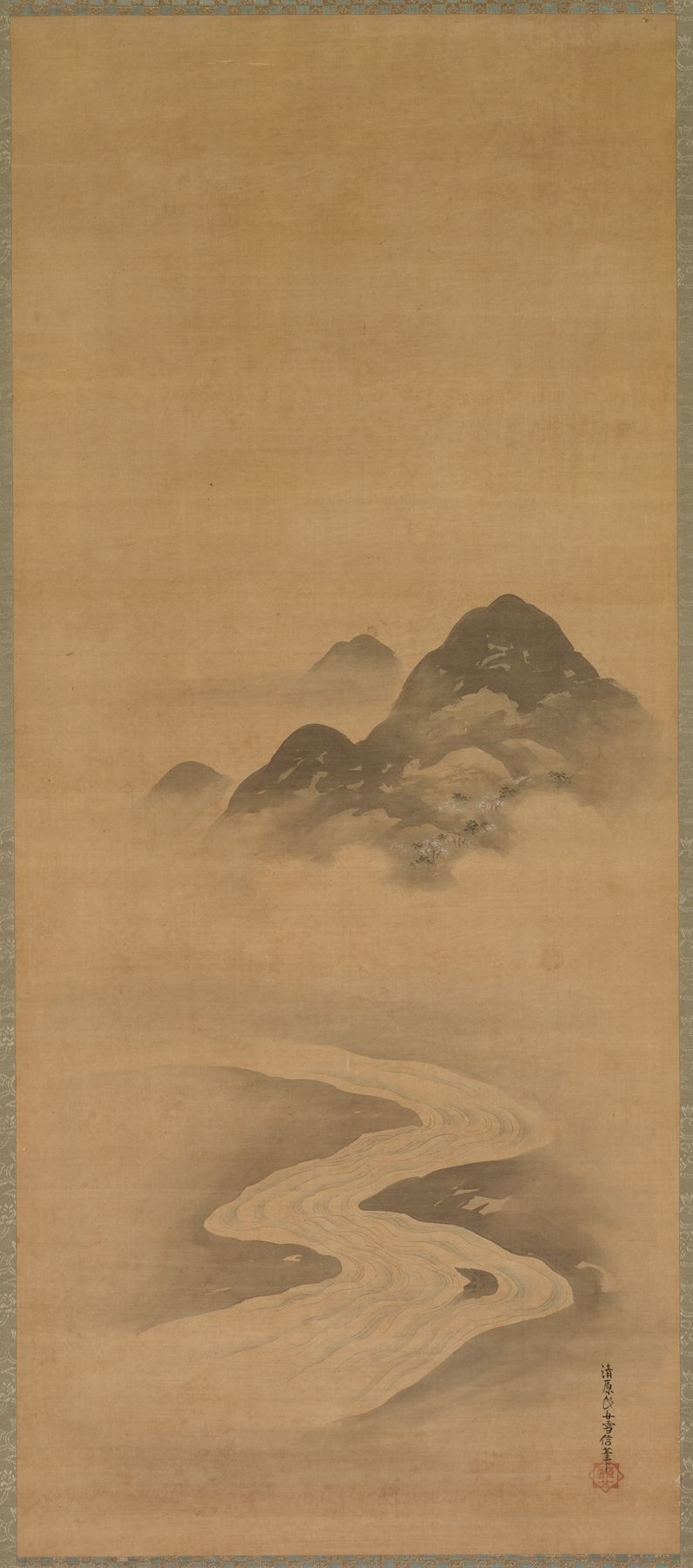
Minamoto no Nakakuni Visits Lady Kogō 3
Kiyohara Yukinobu
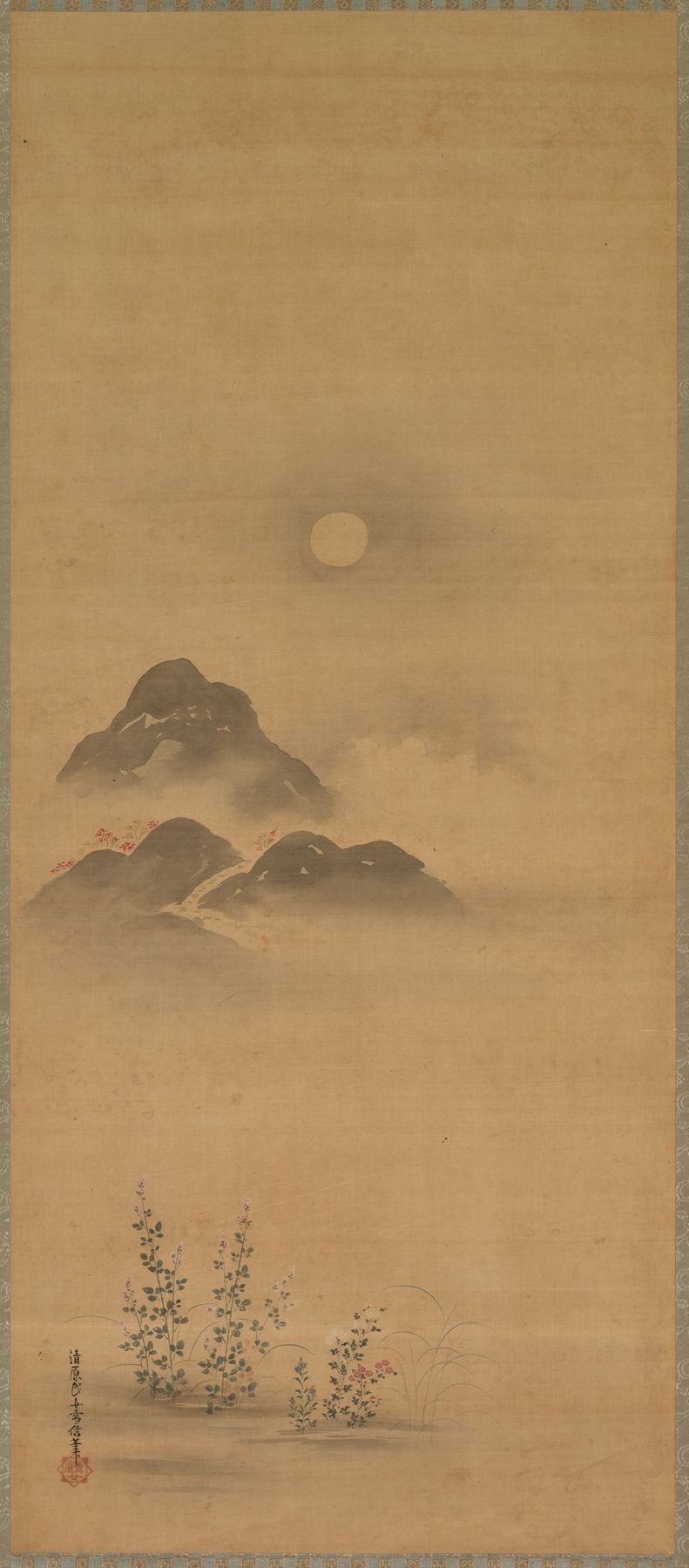
Minamoto no Nakakuni Visits Lady Kogō 3
Kiyohara Yukinobu
More Historical Art
Browse all →
The Night Watch Militia Company of District II under the Command of Captain Frans Banninck Cocq
Rembrandt van Rijn

Lincoln Memorial
Henry Bacon

The Third of May 1808
Francisco de Goya

Isaac and Rebecca, Known as ‘The Jewish Bride’
Rembrandt van Rijn

The Charge of the Mamelukes (1814)
Francisco de Goya

De vier ruiters van de apocalyps
Albrecht Dürer