
Minamoto no Nakakuni Visits Lady Kogō 3 — History & Facts
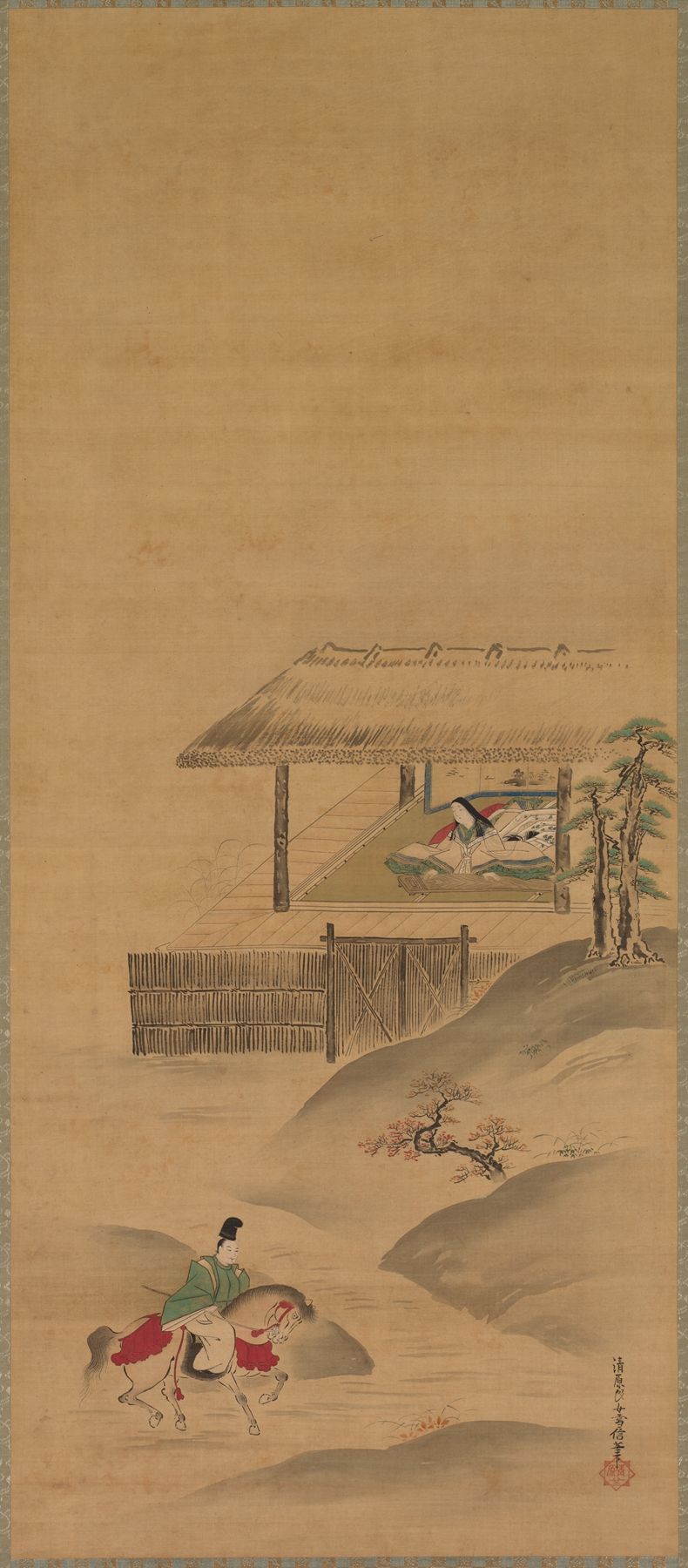
A gentle breeze stirs the silken curtains of a lavish room, the air shimmering with an unspoken tension. Here, beneath the soft glow of lantern light, Minamoto no Nakakuni stands, his expression a blend of longing and admiration as he gazes upon the elegant Lady Kogō. She sits gracefully, her delicate fingers poised on a koto, the instrument whispering melodies that echo the ache in her heart, creating a palpable silence that envelops them. Look to the left at the intricate patterns on Lady Kogō’s flowing kimono, the delicate cherry blossoms cascading like fleeting dreams.
Notice how the artist has captured the light dancing across the fabric, illuminating shades of pink and gold against the muted background. Just above, the soft hues of twilight filter through the window, bathing the scene in a tender glow that enhances the emotional weight of their shared moment, drawing the viewer deeper into this intimate world. Beneath the surface, a rich tapestry of emotions unfolds. The contrast between Nakakuni's yearning gaze and Kogō's serene composure suggests a bittersweet connection, as if their souls are intertwined yet separated by duty and circumstance.
The subtle tension between the musicianship of the koto and the languid stillness of the room further amplifies the feeling of longing, transforming this moment into a poignant exploration of desire and unattainable love. Kiyohara Yukinobu painted this scene in the late 1600s during Japan’s Edo period, a time marked by cultural flourishing and the emergence of the ukiyo-e style. At that time, Yukinobu was becoming well-known for his portraits and scenes of elegant courtesans, blending beauty with deeper narratives. His works often reflected the complexities of love and desire, resonating with the sentiments of a society that valued both artistry and the transient nature of beauty.
More Artworks by Kiyohara Yukinobu
Browse all →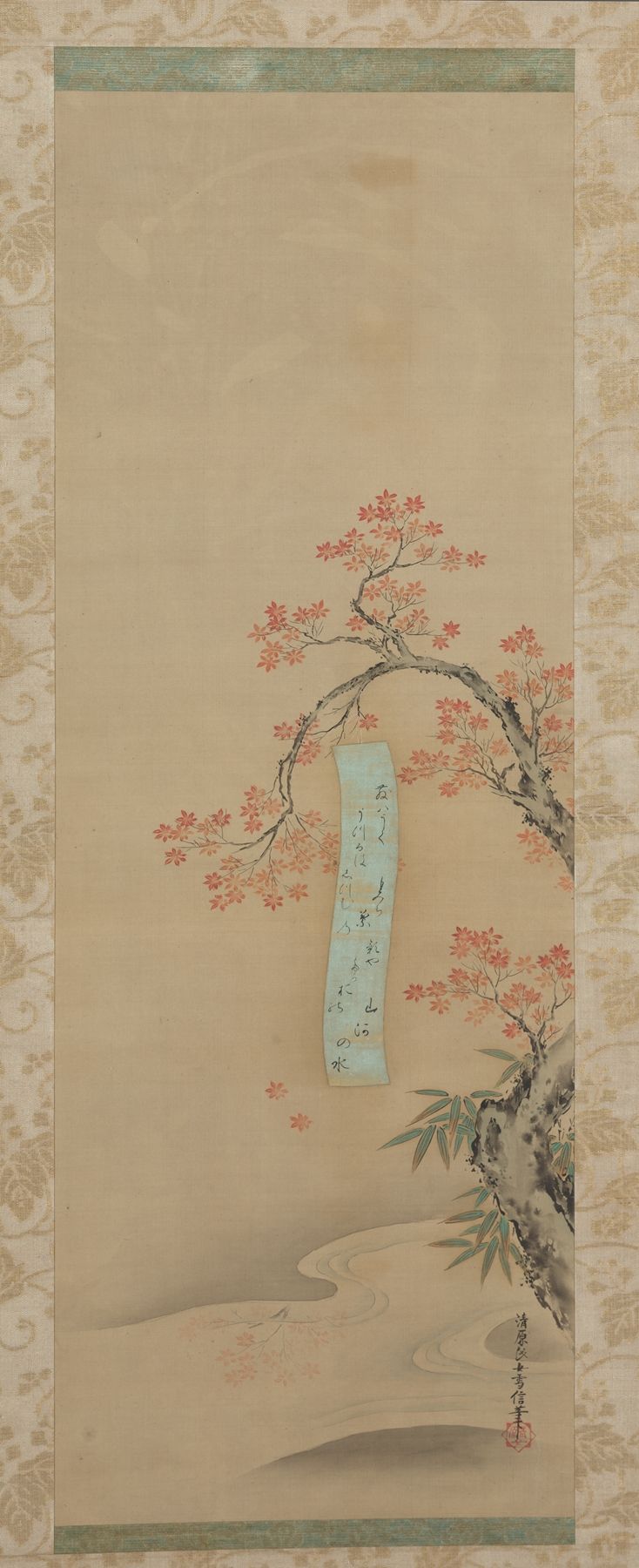
Autumn in Takao
Kiyohara Yukinobu
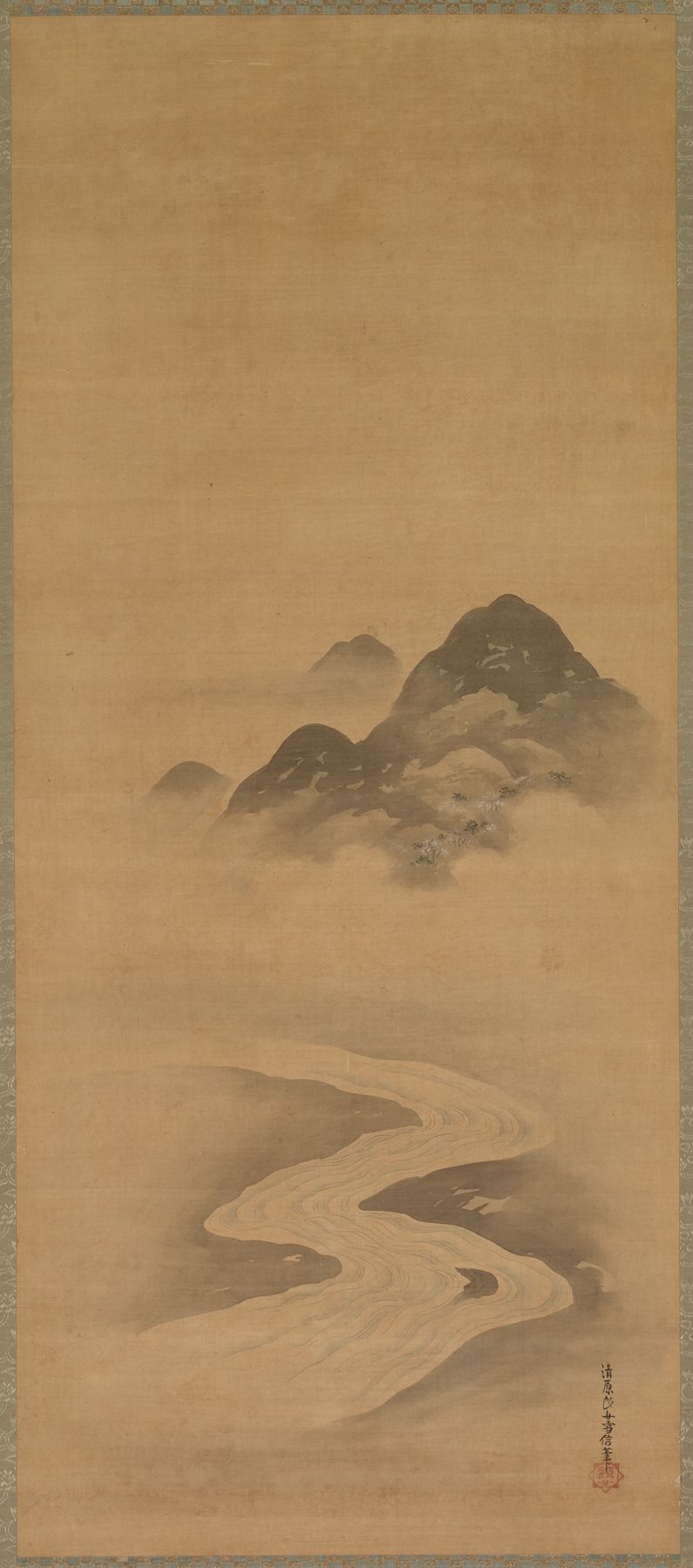
Minamoto no Nakakuni Visits Lady Kogō 1
Kiyohara Yukinobu
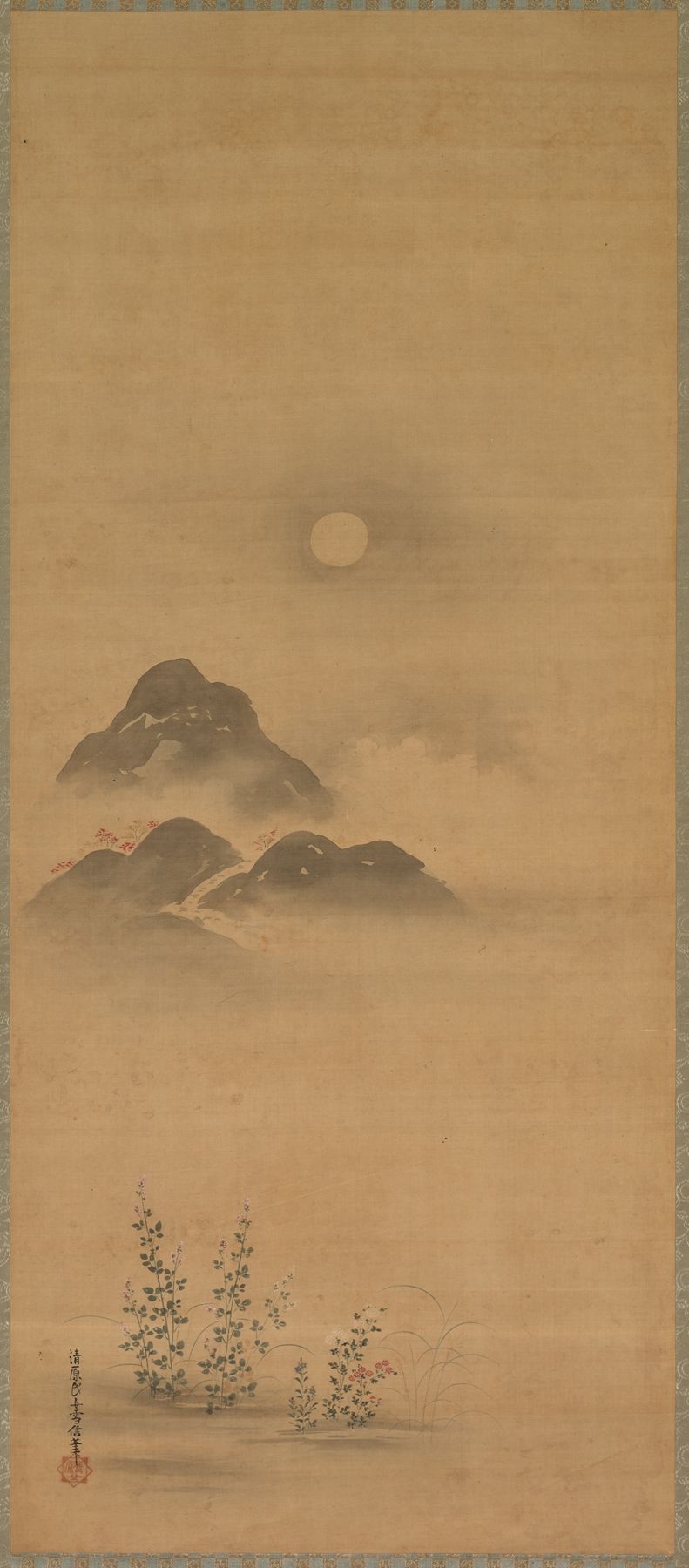
Minamoto no Nakakuni Visits Lady Kogō 2
Kiyohara Yukinobu
Minamoto no Nakakuni Visits Lady Kogō 2
Kiyohara Yukinobu
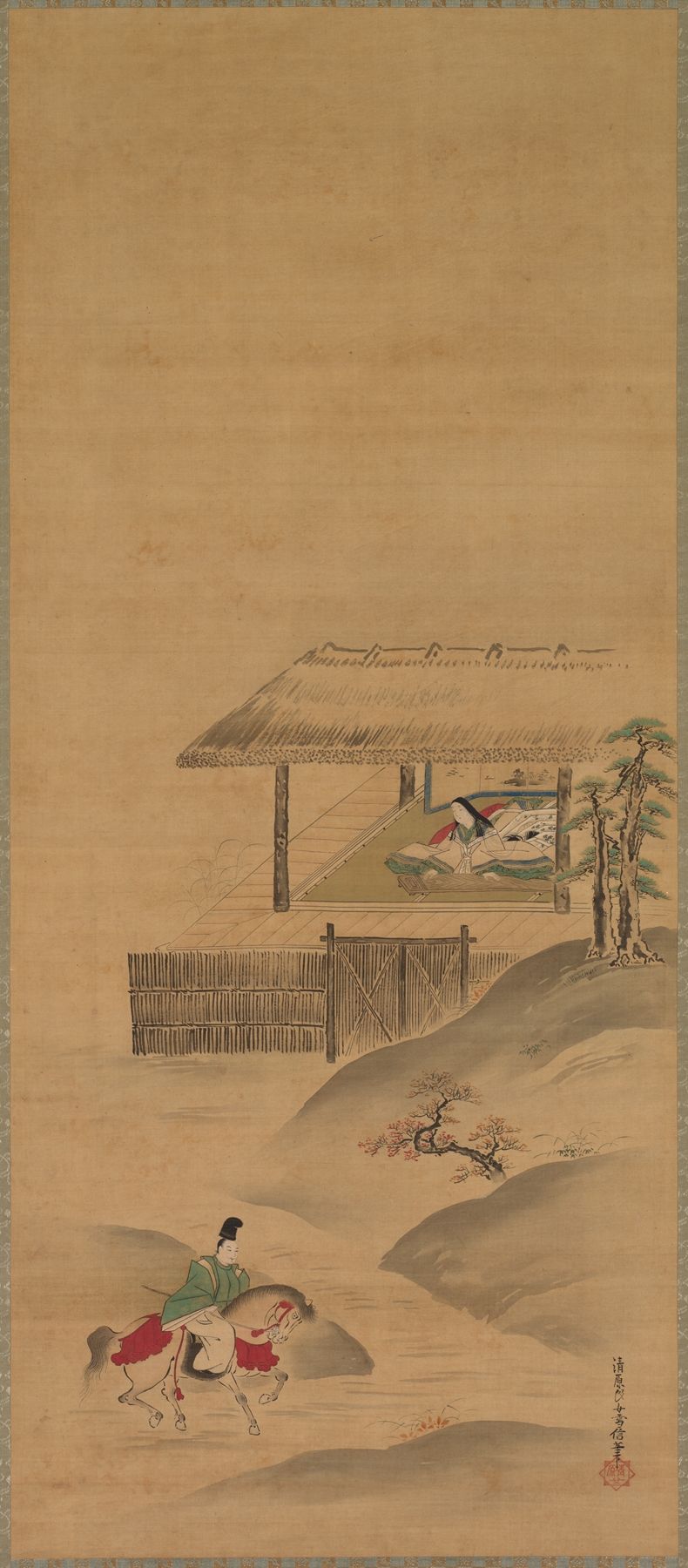
Minamoto no Nakakuni Visits Lady Kogō 1
Kiyohara Yukinobu
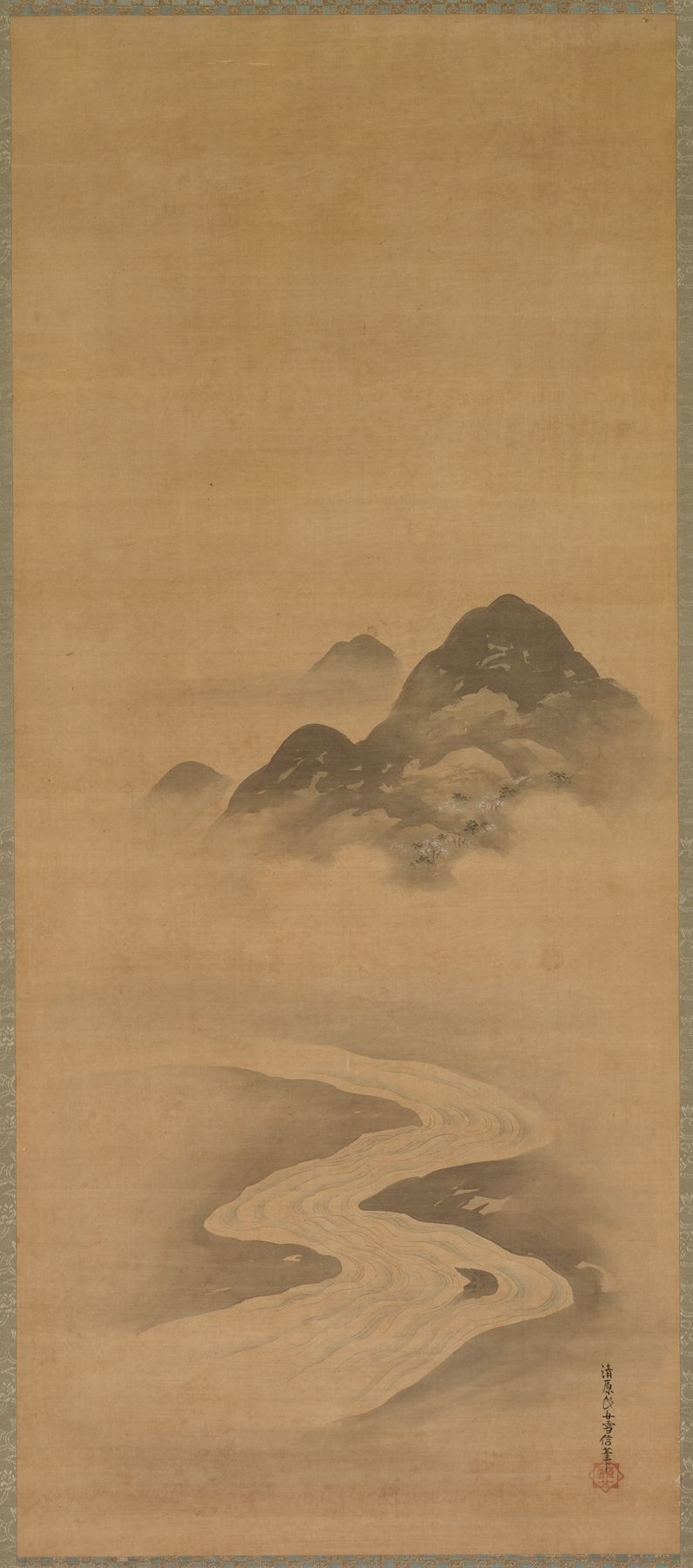
Minamoto no Nakakuni Visits Lady Kogō 3
Kiyohara Yukinobu
More Historical Art
Browse all →
The Night Watch Militia Company of District II under the Command of Captain Frans Banninck Cocq
Rembrandt van Rijn

Lincoln Memorial
Henry Bacon

The Third of May 1808
Francisco de Goya

Isaac and Rebecca, Known as ‘The Jewish Bride’
Rembrandt van Rijn

The Charge of the Mamelukes (1814)
Francisco de Goya

De vier ruiters van de apocalyps
Albrecht Dürer