
Minamoto no Nakakuni Visits Lady Kogō 1 — History & Facts
A gentle breeze stirs the air as Minamoto no Nakakuni, adorned in elegant robes, steps into the resplendent garden of Lady Kogō. Cherry blossoms drift like whispers around them, their soft pink petals punctuating the vibrant greens of the landscape. The moment holds a delicate tension, a dance of unspoken emotions amid the serene beauty of nature, as the two figures exchange glances filled with unfulfilled longing. Look to the left at the intricate patterns embroidered on Nakakuni’s garments; they draw your eye, a testament to the artistry and attention to detail.
Notice the ethereal play of light filtering through the branches above, casting soft shadows that cradle the figures in a warm embrace. The composition radiates harmony, each element meticulously placed to evoke a sense of connection, both to the natural world and to one another. Delve deeper into the nuances of their expressions; Nakakuni’s gaze is both hopeful and melancholic, while Lady Kogō's subtle smile hints at a world of possibility and restraint. The juxtaposition of vivid colors against the muted background speaks to the theme of rebirth—new connections forged even in the face of societal constraints.
Each blossom surrounding them serves as a fleeting reminder of life’s transient nature and the cyclical beauty of love and longing. Kiyohara Yukinobu painted this exquisite scene in the late 1600s, during Japan’s Edo period, a time marked by a flourishing of culture and arts. As a prominent ukiyo-e artist, Yukinobu was influenced by the shifting dynamics of society, where noble themes often intertwined with the experiences of common people. His work reflects the era's burgeoning appreciation for beauty and emotion, portraying poignant narratives like that of Nakakuni and Kogō within the lush backdrop of a transformed Japan.
More Artworks by Kiyohara Yukinobu
Browse all →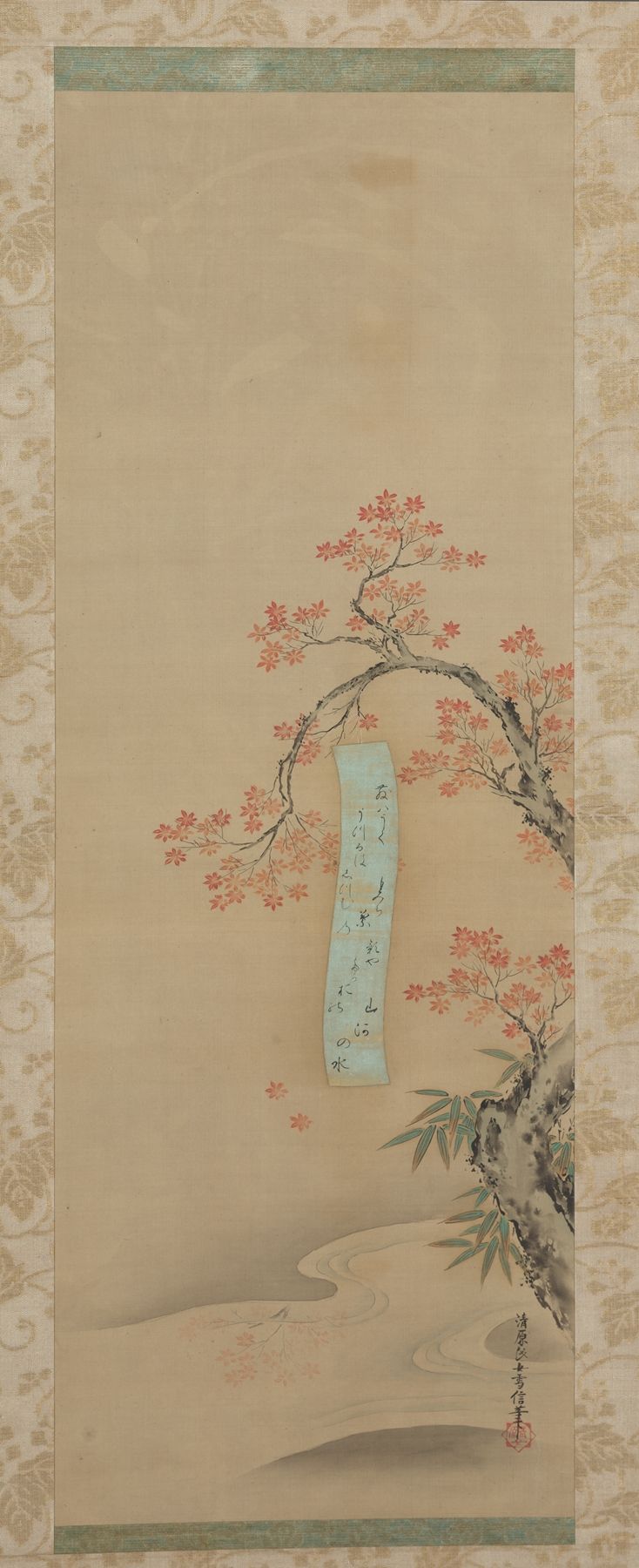
Autumn in Takao
Kiyohara Yukinobu
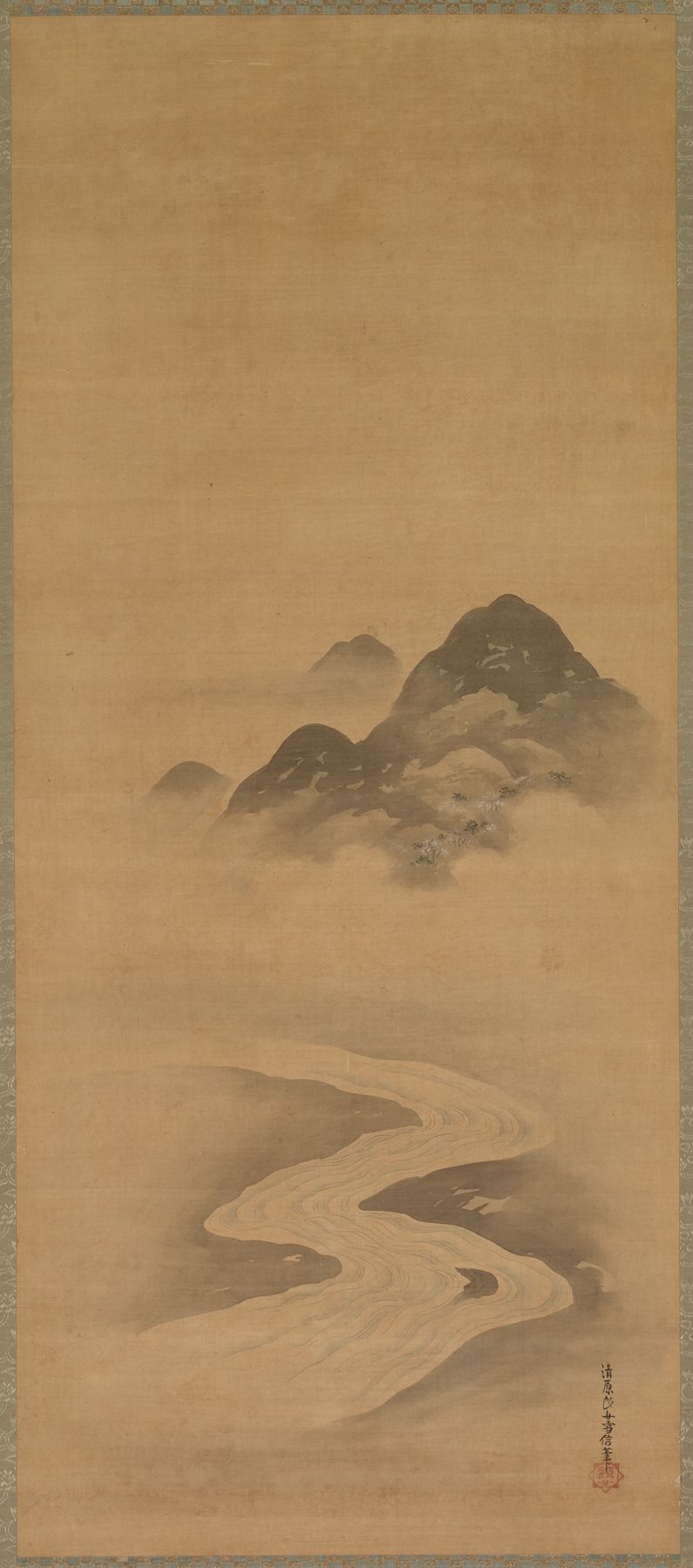
Minamoto no Nakakuni Visits Lady Kogō 1
Kiyohara Yukinobu
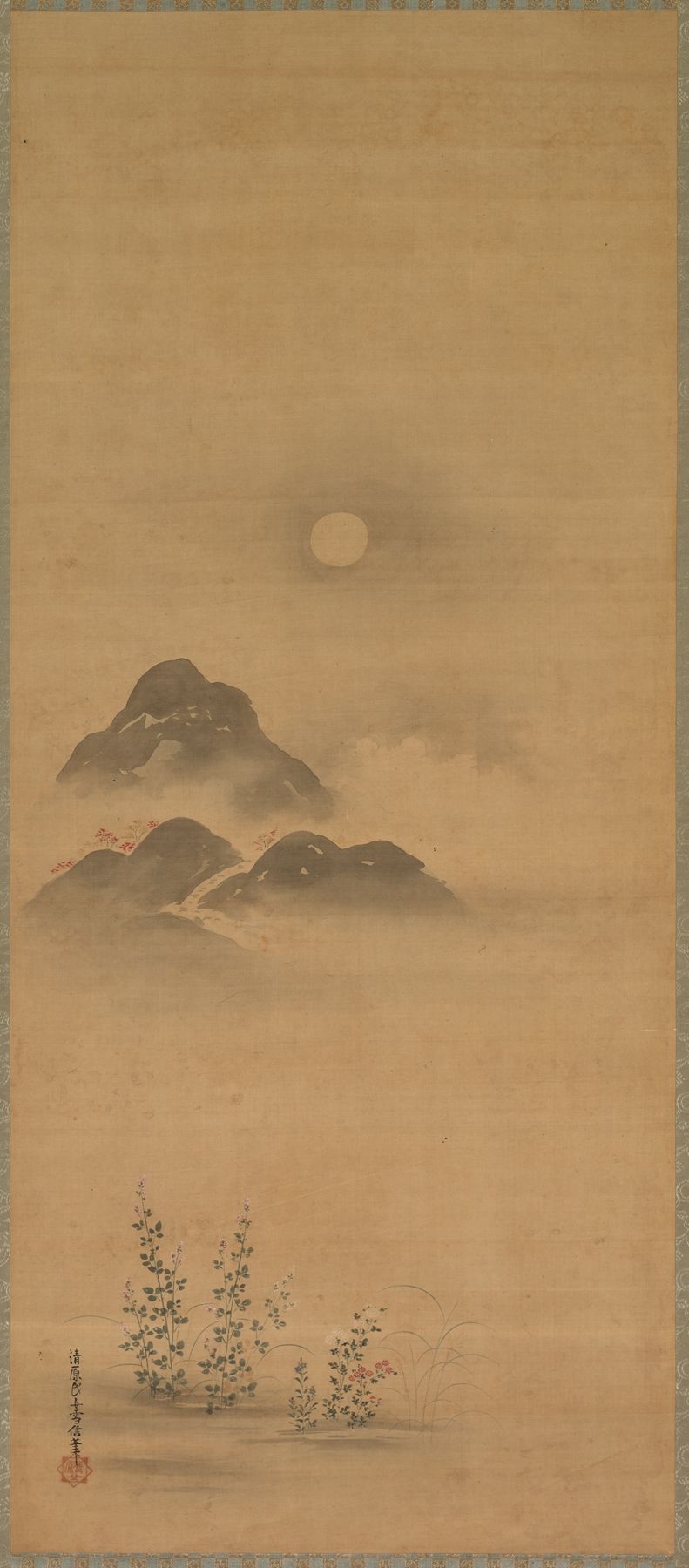
Minamoto no Nakakuni Visits Lady Kogō 2
Kiyohara Yukinobu
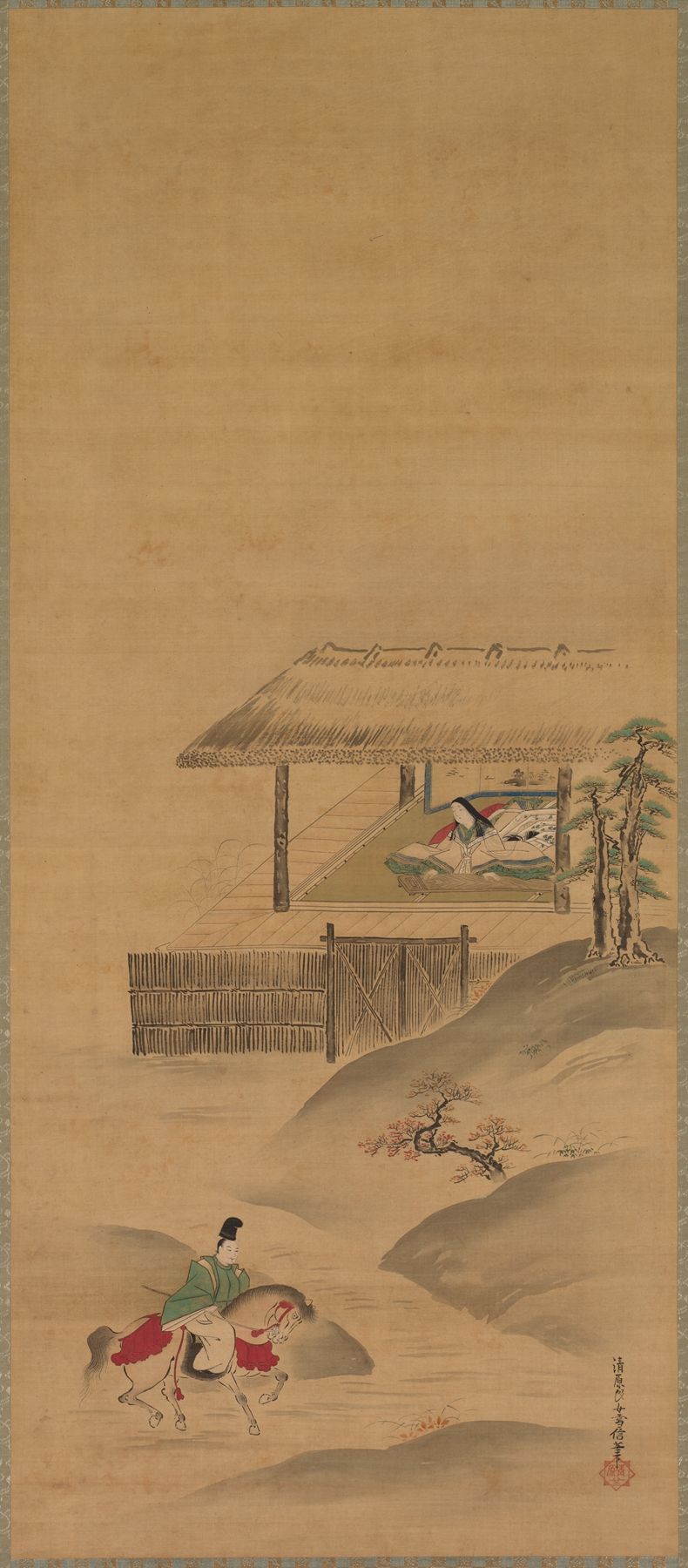
Minamoto no Nakakuni Visits Lady Kogō 2
Kiyohara Yukinobu
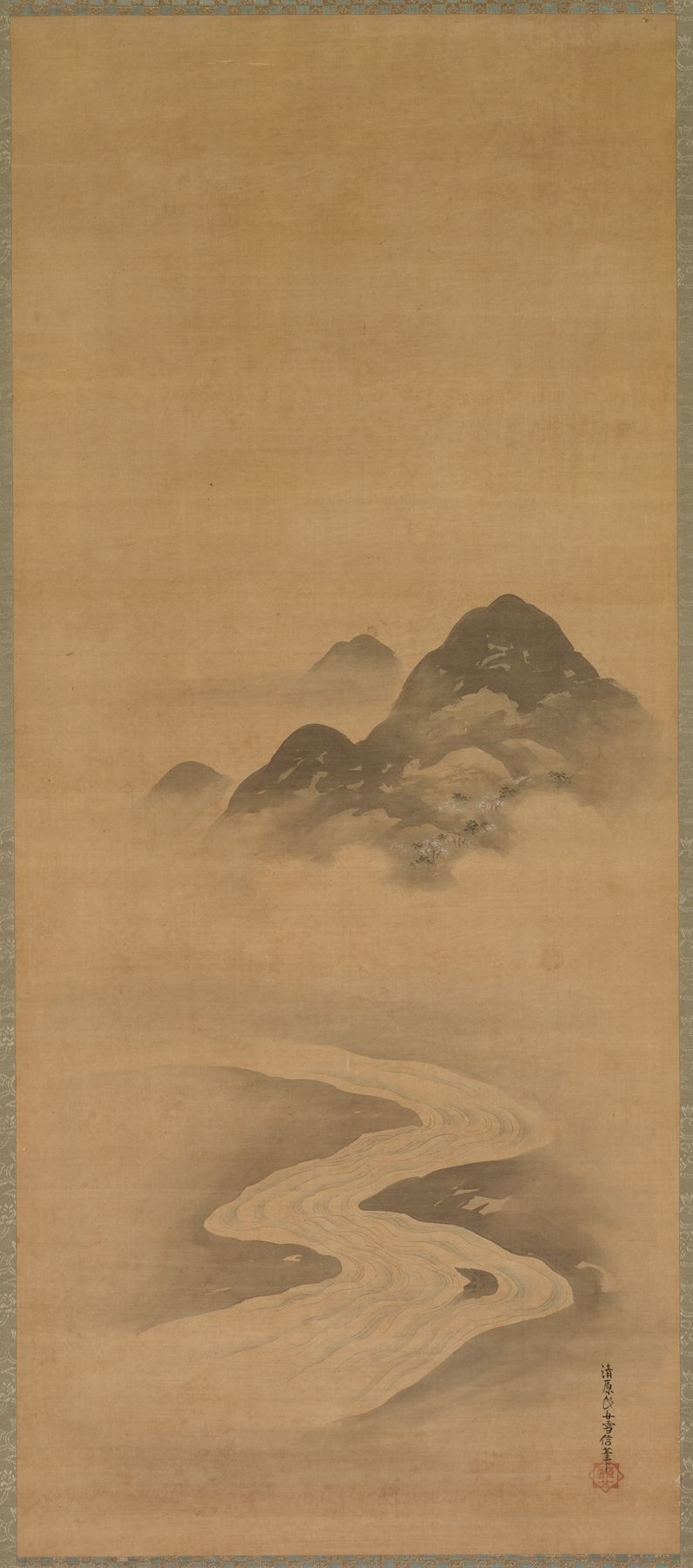
Minamoto no Nakakuni Visits Lady Kogō 3
Kiyohara Yukinobu
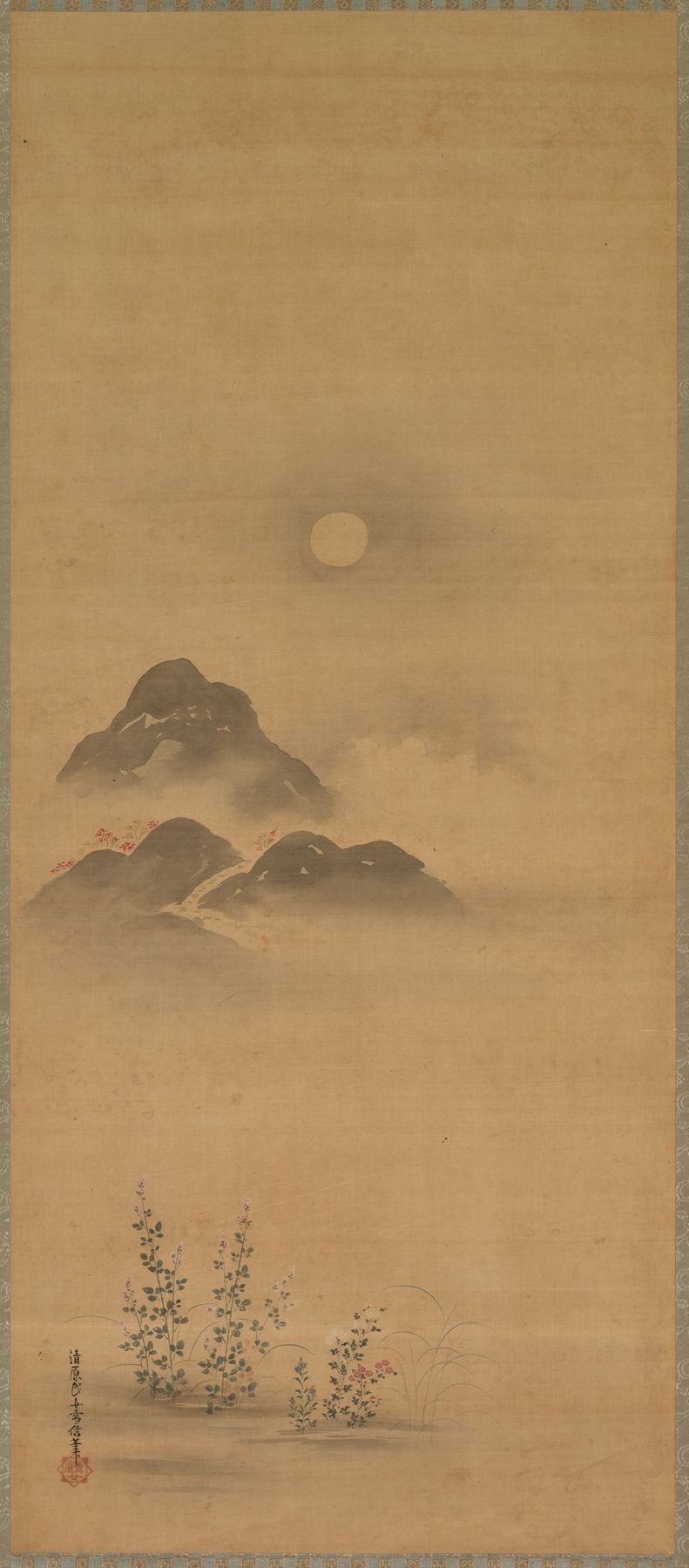
Minamoto no Nakakuni Visits Lady Kogō 3
Kiyohara Yukinobu
More Historical Art
Browse all →
The Night Watch Militia Company of District II under the Command of Captain Frans Banninck Cocq
Rembrandt van Rijn
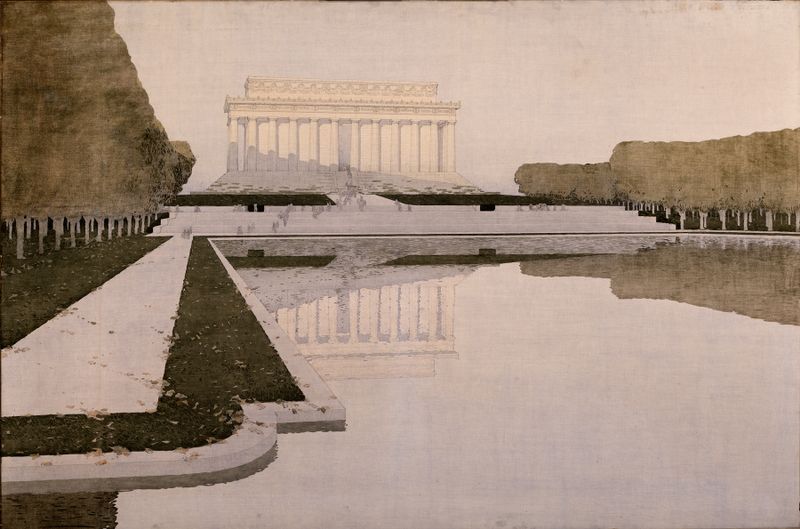
Lincoln Memorial
Henry Bacon
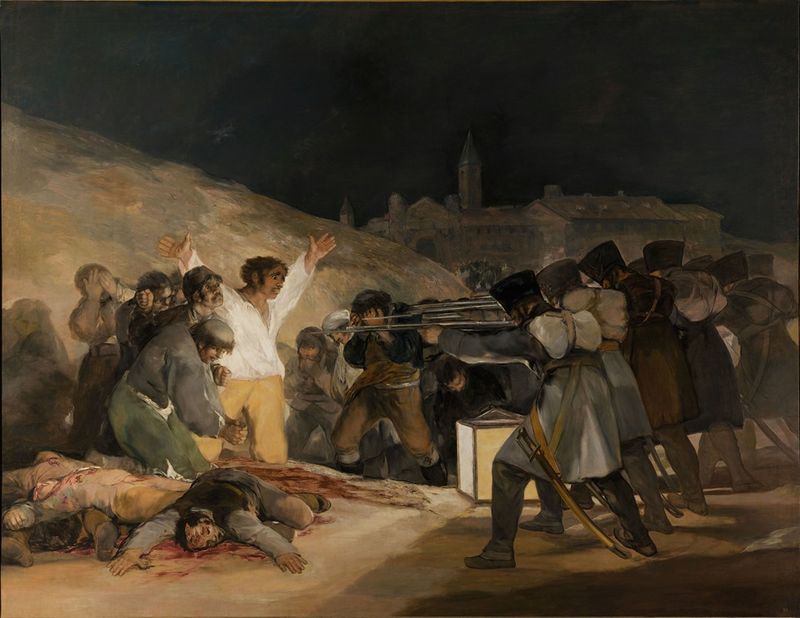
The Third of May 1808
Francisco de Goya

Isaac and Rebecca, Known as ‘The Jewish Bride’
Rembrandt van Rijn
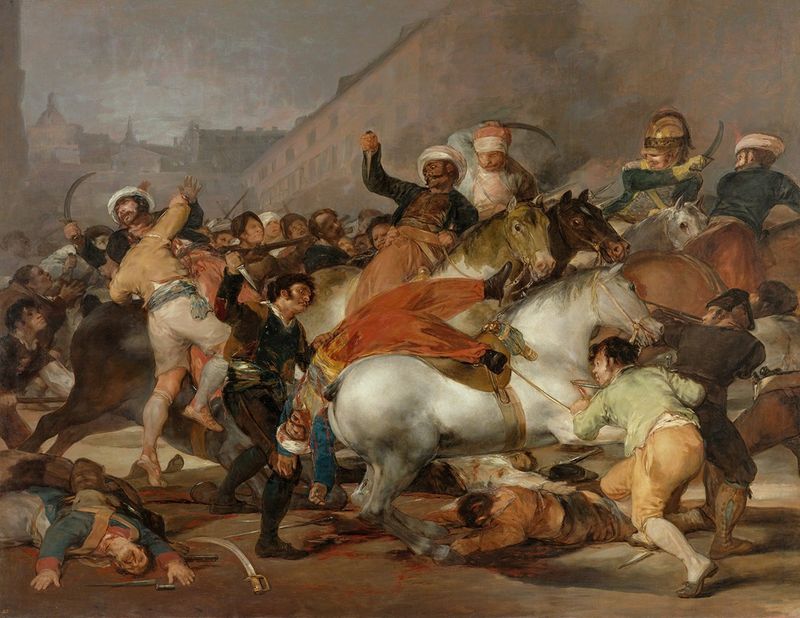
The Charge of the Mamelukes (1814)
Francisco de Goya
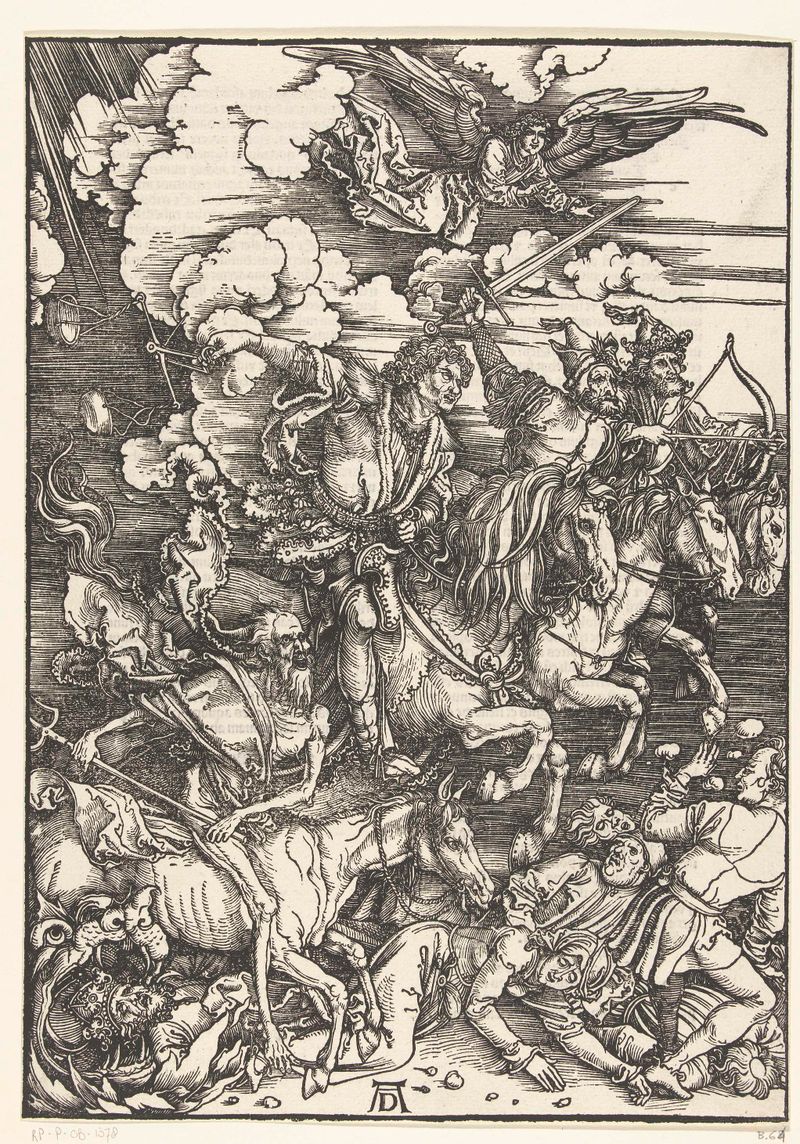
De vier ruiters van de apocalyps
Albrecht Dürer