
Mirabell — History & Facts
Is this a mirror — or a memory? The question lingers, inviting us to navigate the delicate boundary between reality and illusion in Mirabell. Focus first on the ethereal background; soft, swirling colors blend into one another, creating a dreamlike atmosphere that envelops the viewer. The central figure, a haunting silhouette, seems to emerge from the canvas, bathed in a gentle glow that hints at vulnerability. Notice how the brush strokes dance along the edges of the form, blurring the lines between presence and absence, inviting contemplation and introspection.
The cool tones evoke a sense of nostalgia, while warmer hues pulsate with an undercurrent of emotion, adding depth to this enigmatic portrait. Dive deeper into the contrasts at play. The figure’s poised yet ambiguous expression suggests a wistful longing, perhaps for a past that is simultaneously cherished and elusive. Each element in the composition — the juxtaposition of light and shadow, the fluidity of form — speaks to the tension between what is seen and what lingers just beyond perception.
This interplay of illusion raises questions about identity and existence, as if the artwork itself exists in a liminal space between memory and reality. Created in 1916, during a tumultuous time marked by World War I, the artist crafted Mirabell while grappling with personal and societal upheavals. Living in Europe, he sought to capture the complexities of human experience, a theme echoed in the art movements of the period, which often explored abstraction and emotional depth. This painting serves as a poignant reflection of his inner world, revealing not just the external chaos but also the fragile beauty found within it.
More Artworks by Hans Wilt
Browse all →
Die Salzach bei Hallein
Hans Wilt

Felsenküste
Hans Wilt

Blick auf die Salzburger Altstadt von der Nonnbergstiege
Hans Wilt

Frühling im Wienerwald
Hans Wilt
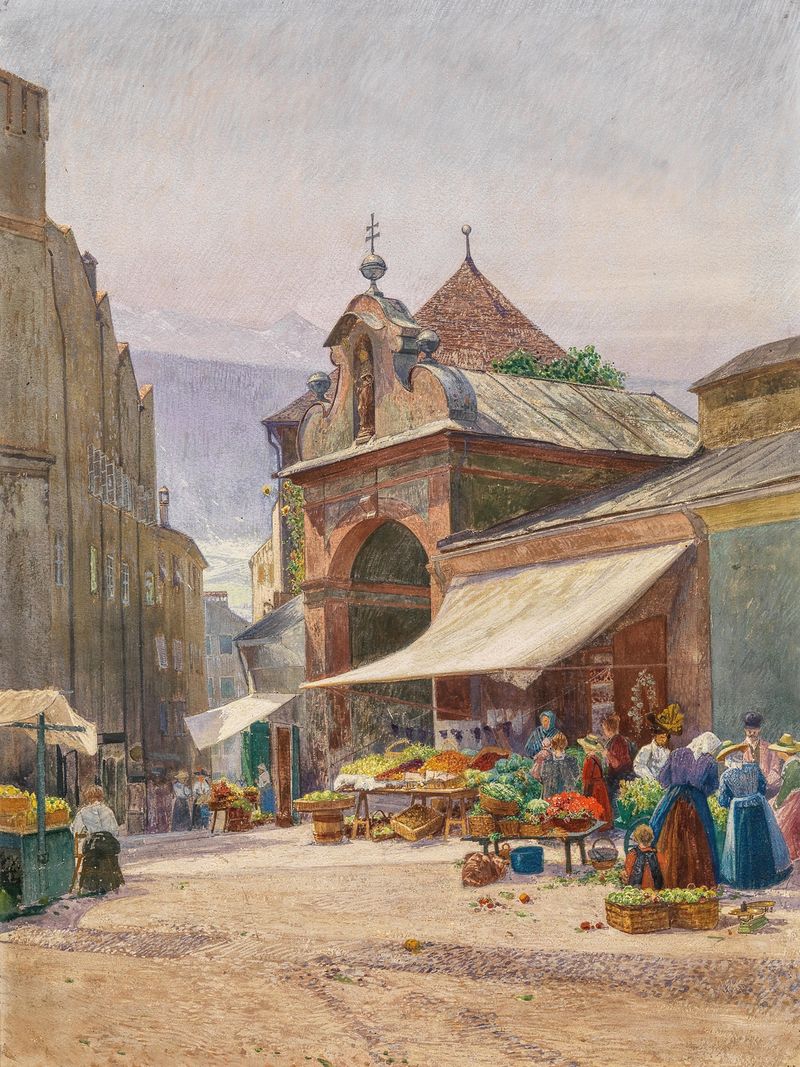
Markt in Hall
Hans Wilt
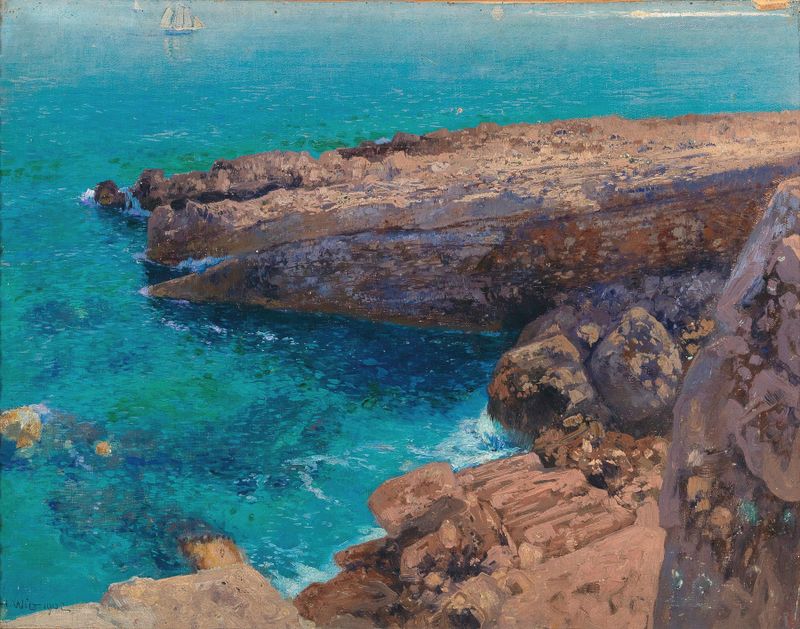
A rocky coast, in the background a sailing boat
Hans Wilt
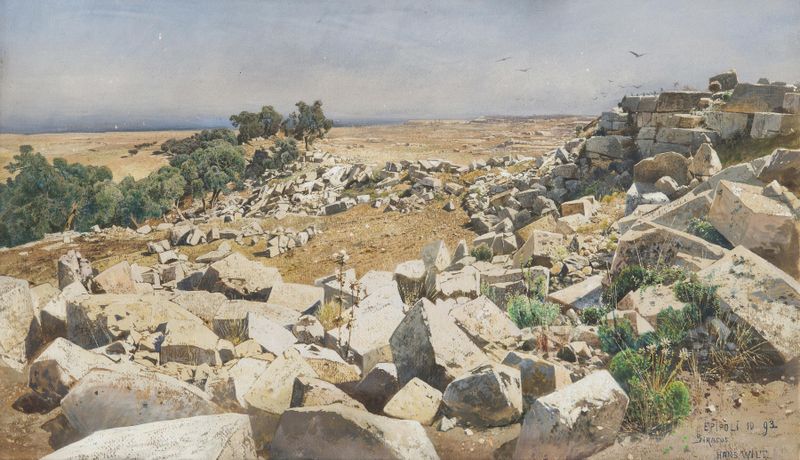
A Motif from the Syracuse Vicinity
Hans Wilt
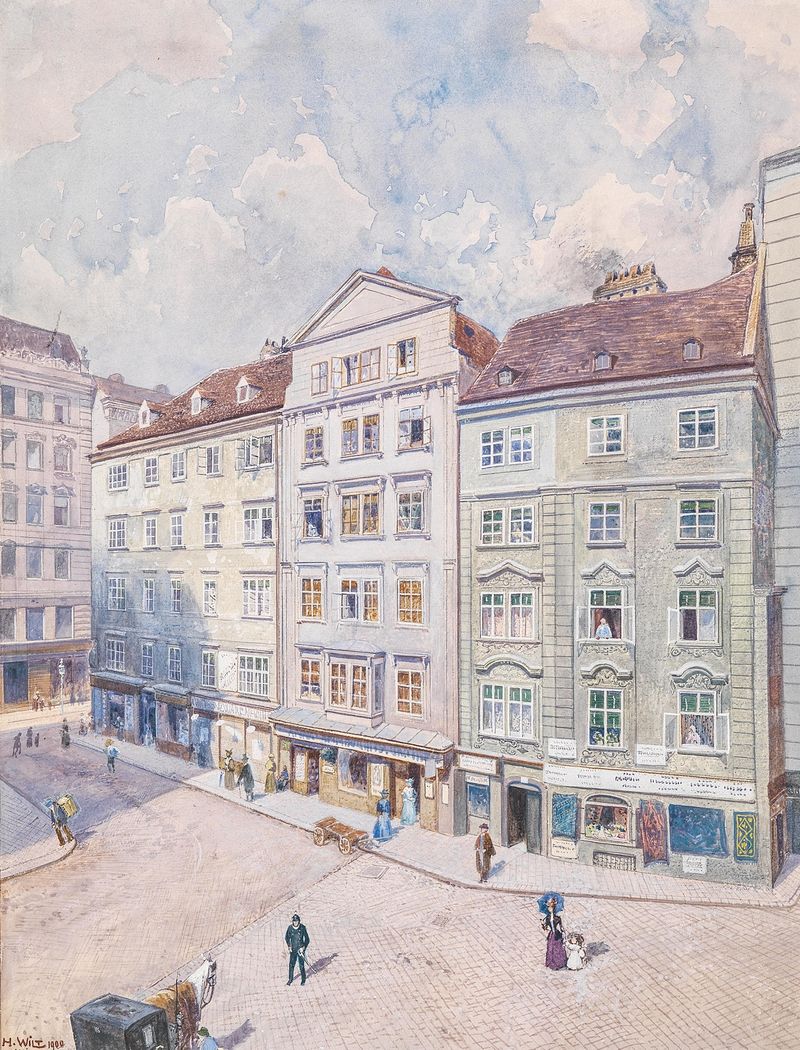
Wiener Häuserfront
Hans Wilt

Morgenstimmung im Hafen von Lussin
Hans Wilt
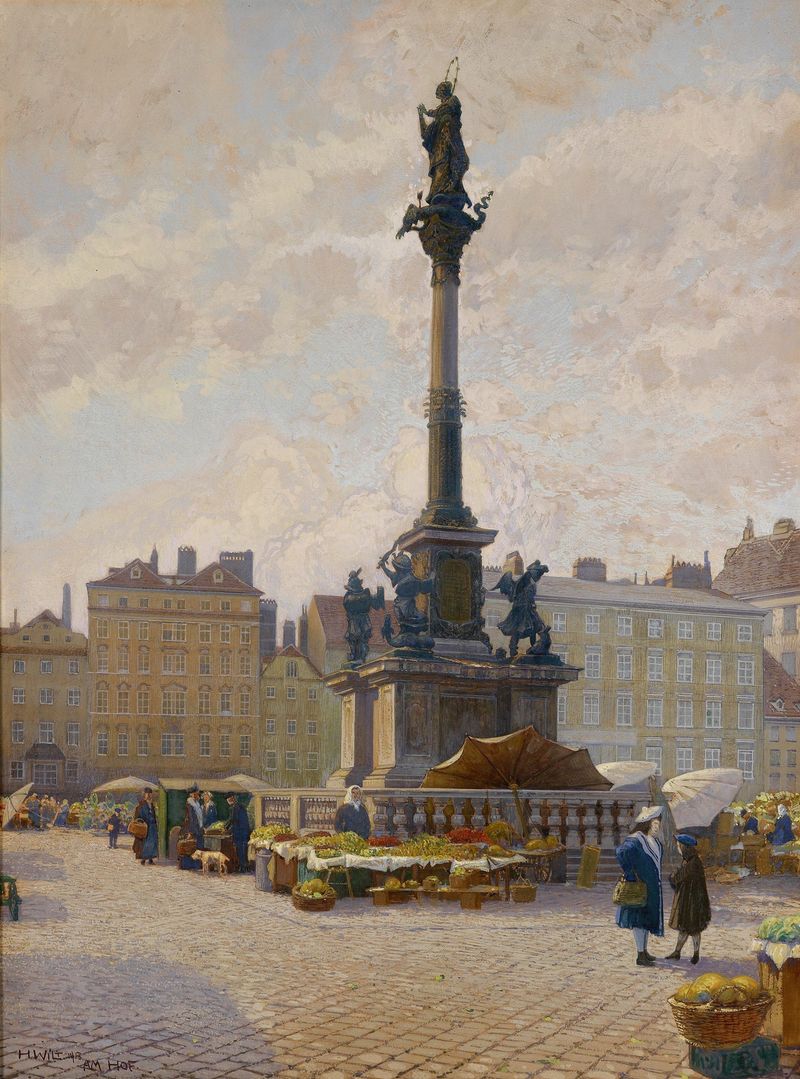
Blumenmarkt Am Hof
Hans Wilt





