
Mirror of the Goddess — History & Facts
Can beauty exist without sorrow? In Mirror of the Goddess, a portrait emerges, inviting us to contemplate the duality of existence — the interplay of light and shadow, joy and pain. Look closely at the central figure, her serene expression illuminated by a soft, ethereal glow. Focus on the delicate way her hand extends, cradling the mirror that reflects her visage, hinting at self-awareness and introspection. The muted palette of blues and greens surrounds her, wrapping the scene in a tranquil embrace, while touches of luminous gold accentuate her features, emphasizing the contrast between the divine and the earthly. Beneath the goddess's placid exterior lies an undercurrent of tension.
The mirror serves not only as a reflection of beauty but also a symbol of the burdens that accompany it; the viewer senses a haunting solitude that pervades the canvas. The smooth surface hints at both clarity and illusion, suggesting that faith and self-perception are often intertwined with sorrow, obscured by the glimmers of glory. Ernest Haskell painted this work in 1920, a time of profound change in the art world as post-war movements began to redefine aesthetics. Living in the artistic enclave of Provincetown, Massachusetts, Haskell was influenced by the burgeoning American modernism and the need to express emotional depth through simplified forms.
His career was marked by a commitment to exploring the balance between beauty and suffering, reflecting the complexities of human experience during a tumultuous era.
More Artworks by Ernest Haskell
Browse all →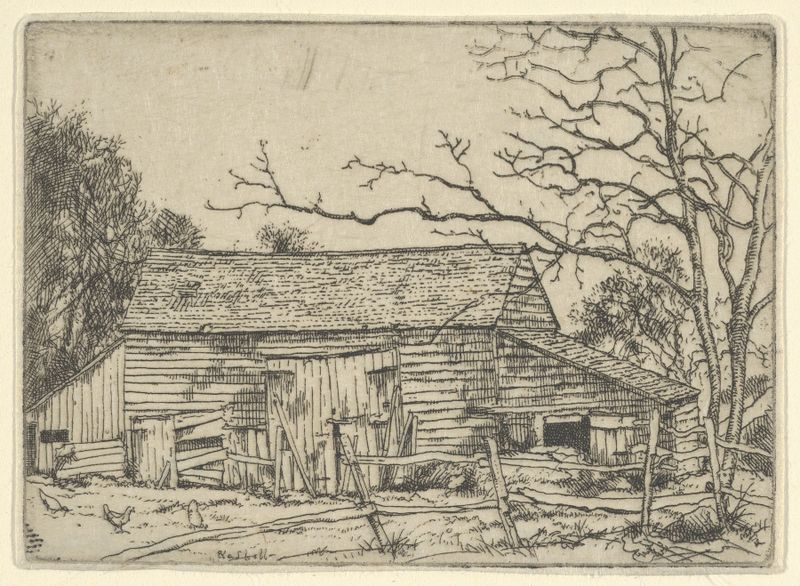
The Barn–Staten Island, N.Y.
Ernest Haskell

Four Live Oaks
Ernest Haskell
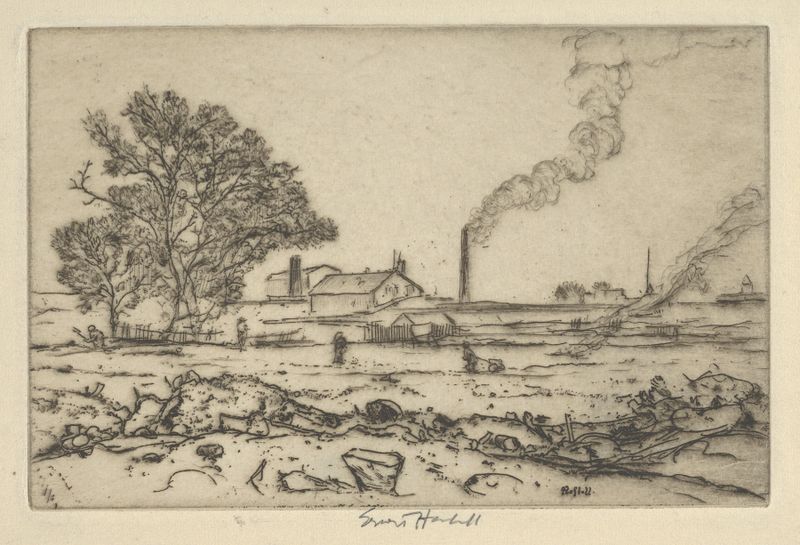
Outskirts of Boston
Ernest Haskell
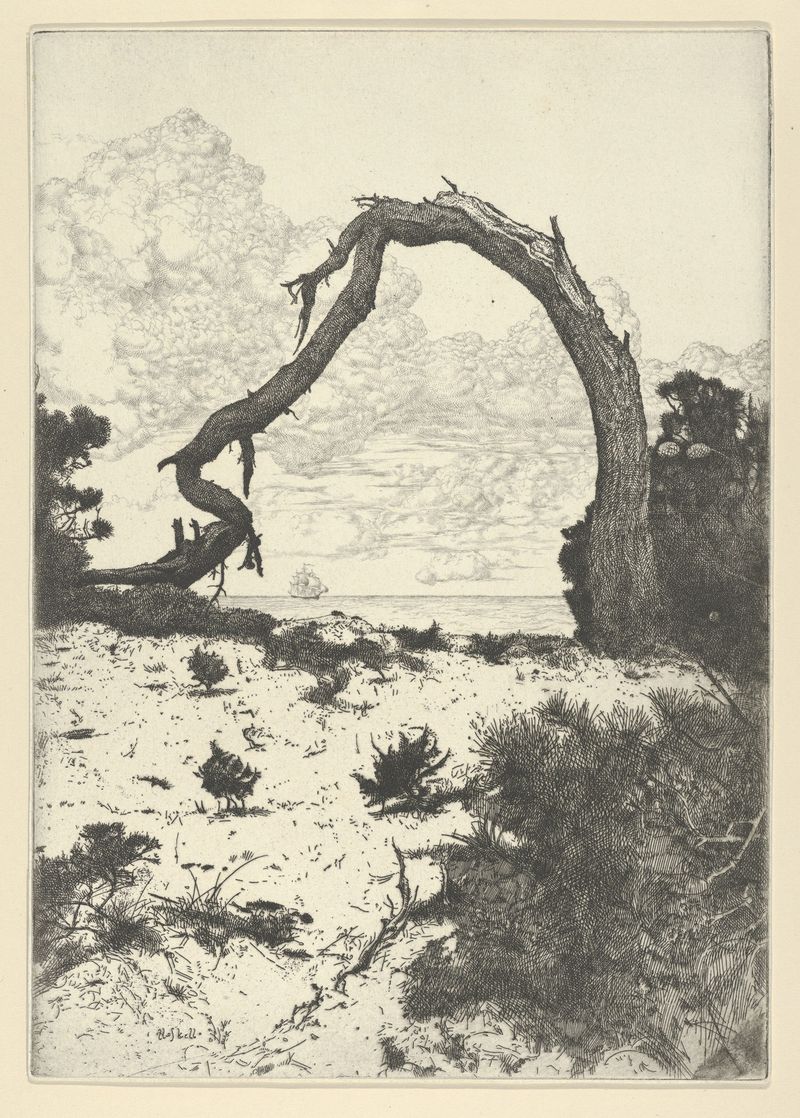
Pine Arch
Ernest Haskell

General Sherman
Ernest Haskell
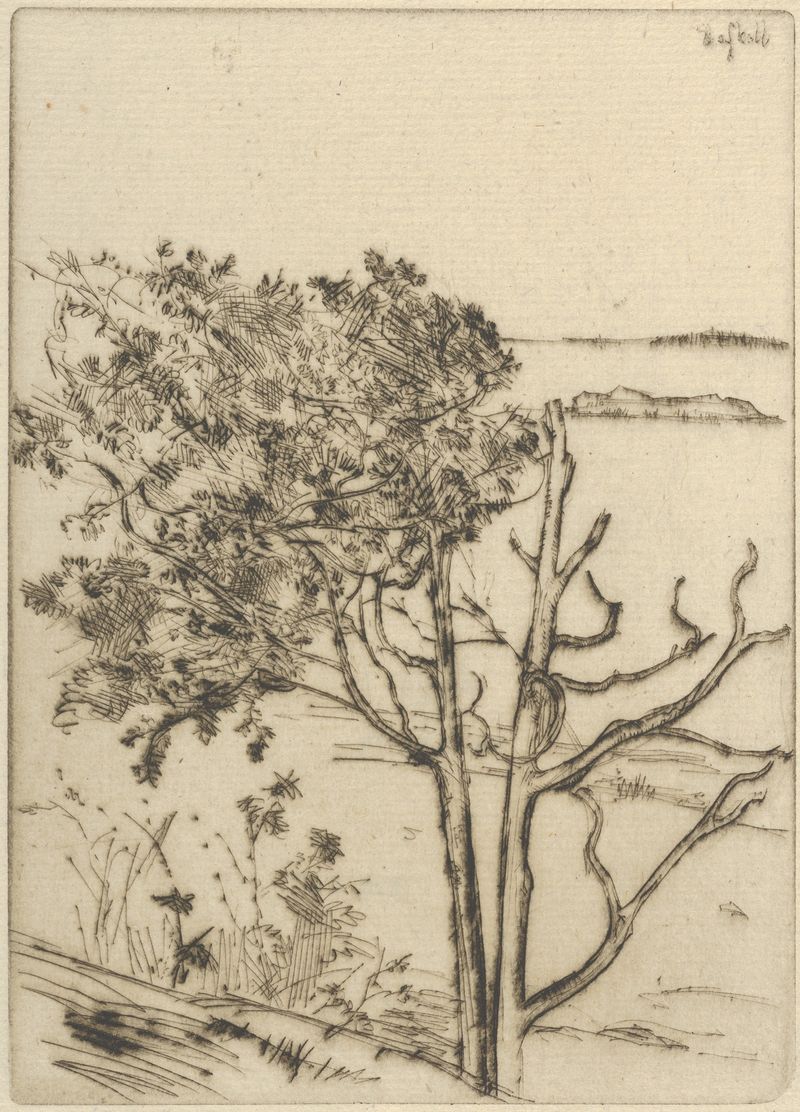
Ragged Tree – Maine
Ernest Haskell

Tide Mill
Ernest Haskell

Ship Building
Ernest Haskell
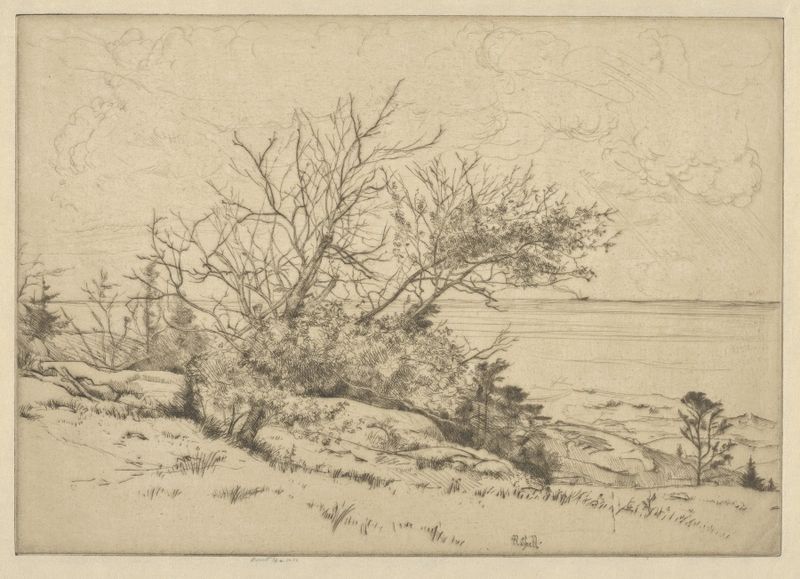
To the Southward – Ragged Island, Me.
Ernest Haskell
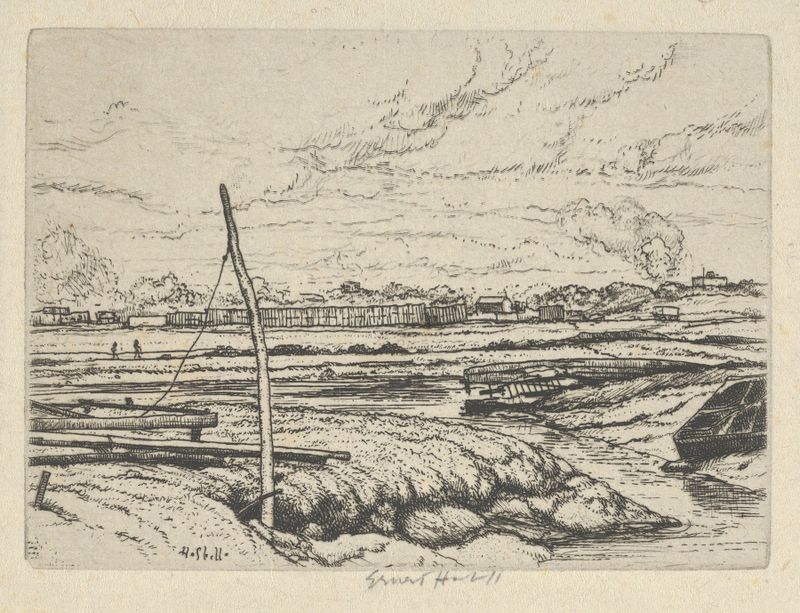
Long Island Marshes
Ernest Haskell
More Portrait Art
Browse all →
Las meninas
Diego Velázquez

Self-portrait with a Bandaged Ear and Pipe
Unidentified artist

Girl with a Pearl Earring
Johannes Vermeer

The Sampling Officials of the Amsterdam Drapers’ Guild, Known as ‘The Syndics’
Rembrandt van Rijn

The Hundred Guilder Print: the man seen on the back in the lower left corner
Rembrandt van Rijn

Portrait of Dr Gachet
Vincent van Gogh