
Modigliani Lunia-czechowska-with-her-left-hand-on-her-cheek- — History & Facts
When Amedeo Modigliani painted Lunia Czechowska with her Left Hand on her Cheek in 1918, he was in the midst of a feverish period in Paris, producing a remarkable series of portraits of his close circle. Lunia Czechowska, a Polish émigrée, sat for him more than a dozen times, her image becoming one of the most recognizable among Modigliani’s muses. The artist’s fascination with her was so intense that contemporaries remarked on the “quiet magnetism” she brought to his studio, and her likeness appears in at least fourteen of his paintings.
This particular portrait stands out for its intimate pose and the way it captures a moment of introspection, hinting at the complex relationship between artist and sitter. At the instant Modigliani chose to paint her, Lunia rests her cheek on her left hand, her gaze turned slightly away from the viewer, lost in thought. The elongated neck and almond-shaped eyes—hallmarks of Modigliani’s style—lend her an air of gentle melancholy, while the simplified forms and muted palette draw the eye to the delicate curve of her hand and the subtle tension in her expression. Unlike the grandeur of Ingres’s portraits or the psychological probing of Van Gogh, Modigliani offers a quiet, almost sculptural presence, inviting us to wonder what occupies Lunia’s mind.
The background, flat and unadorned, isolates her figure, intensifying the sense of private reverie. The exact medium of Lunia Czechowska with her Left Hand on her Cheek is not certain, though Modigliani most often worked in oil on canvas during this period. The painting’s early history is not fully documented, but it is known that many of his works from 1918 were shown at the Galerie Berthe Weill in Paris, where they attracted both admiration and controversy for their modern approach. Today, the portrait is celebrated as a quintessential example of Modigliani’s late style, marking the culmination of his brief but prolific career before his untimely death in 1920.
Its journey from the artist’s Montparnasse studio to the walls of major collections reflects the enduring fascination with both Modigliani’s vision and the enigmatic Lunia herself.
More Artworks by Amedeo Modigliani
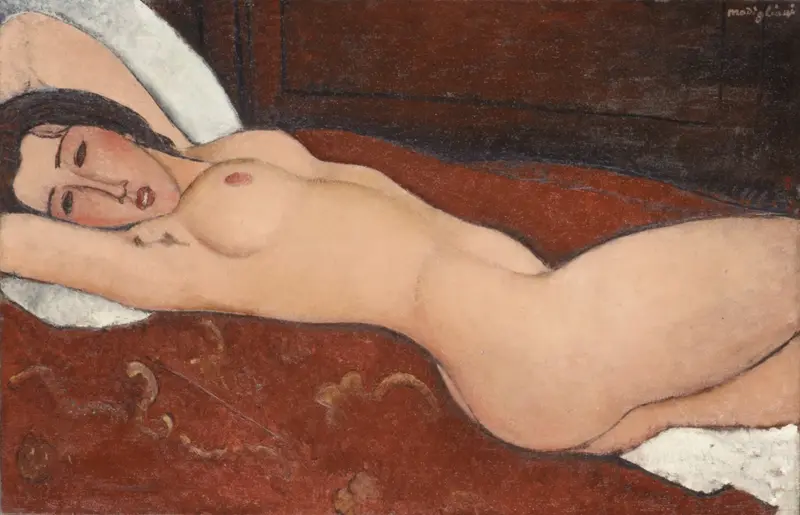
Reclining Nude
Amedeo Modigliani

Portrait Of Jeanne Hébuterne
Amedeo Modigliani

Jeanne Hébuterne
Amedeo Modigliani
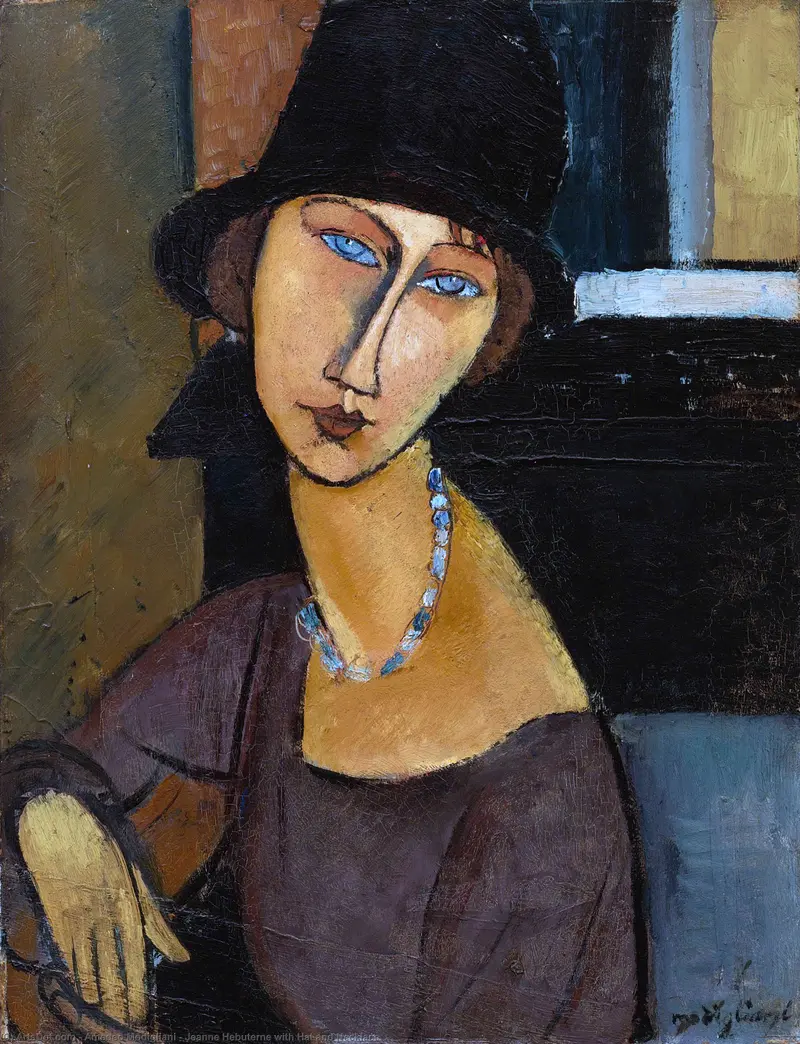
Jeanne Hébuterne with Hat and Necklace
Amedeo Modigliani
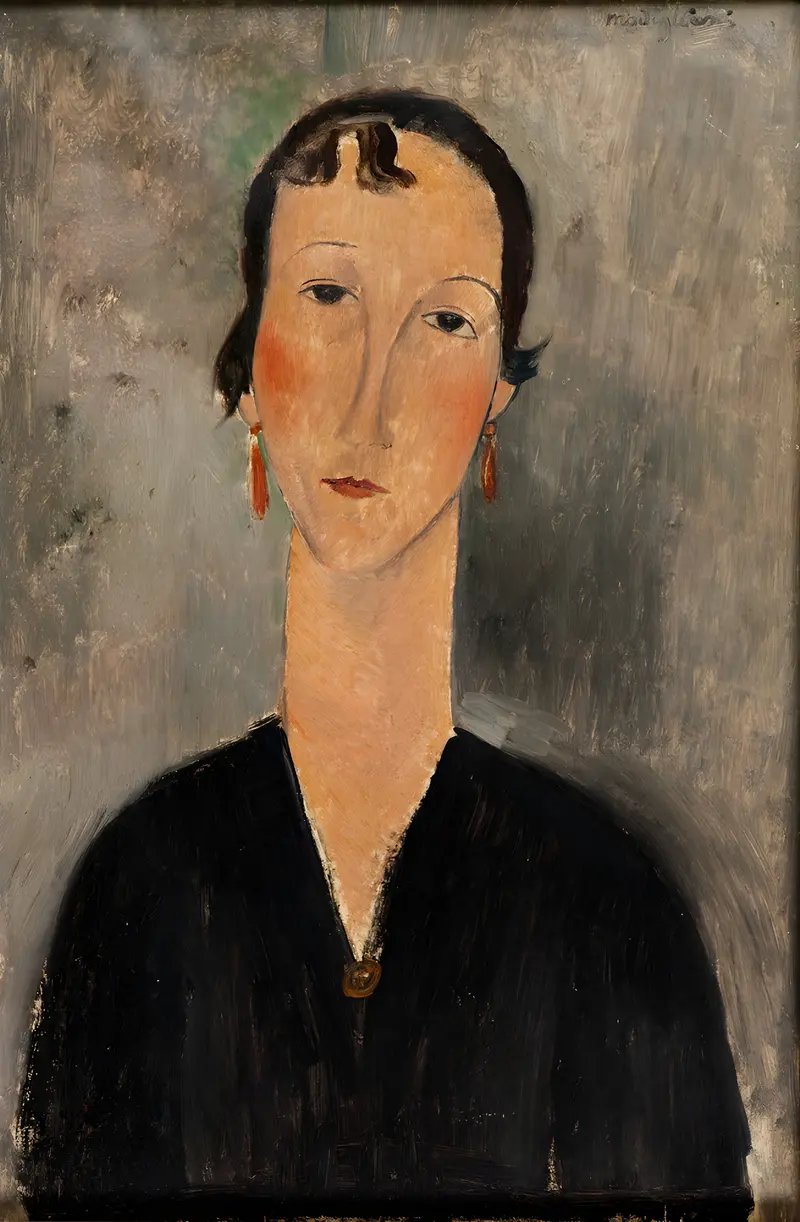
Femme aux boucles d'oreilles
Amedeo Modigliani
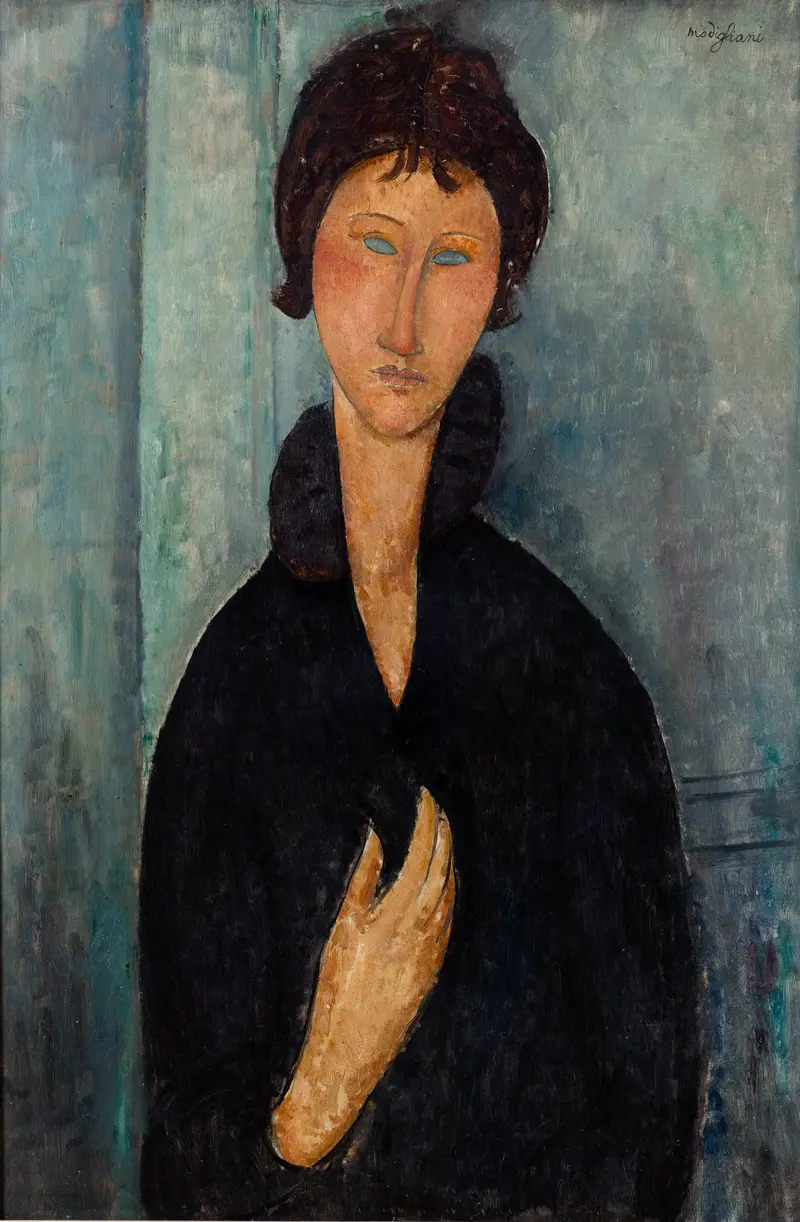
Femme aux yeux bleus
Amedeo Modigliani
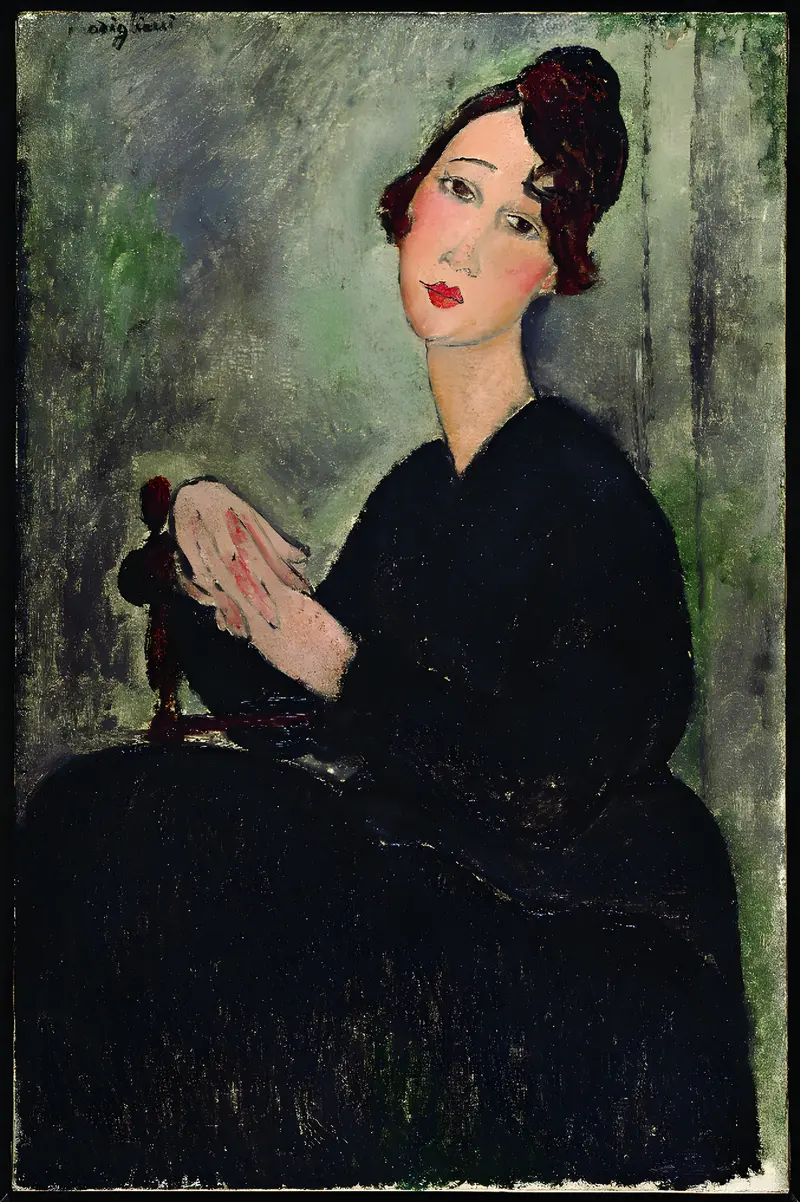
Portrait of Dedie
Amedeo Modigliani
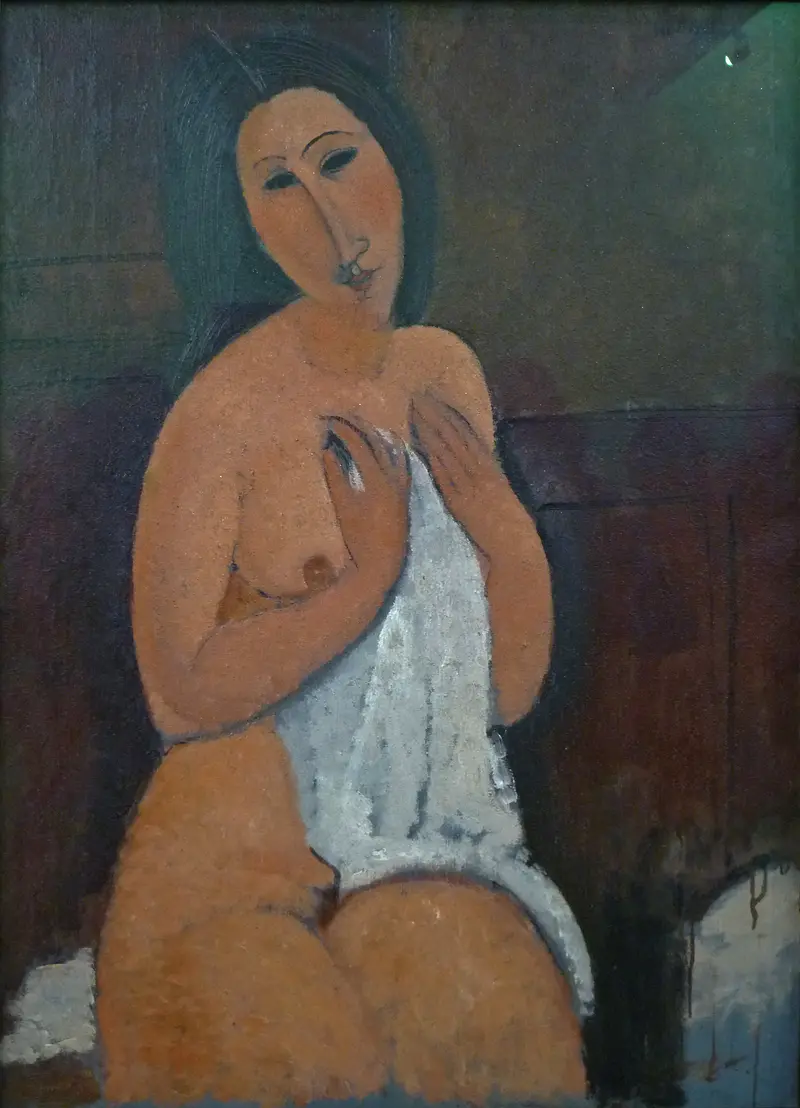
Seated nude with shirt
Amedeo Modigliani
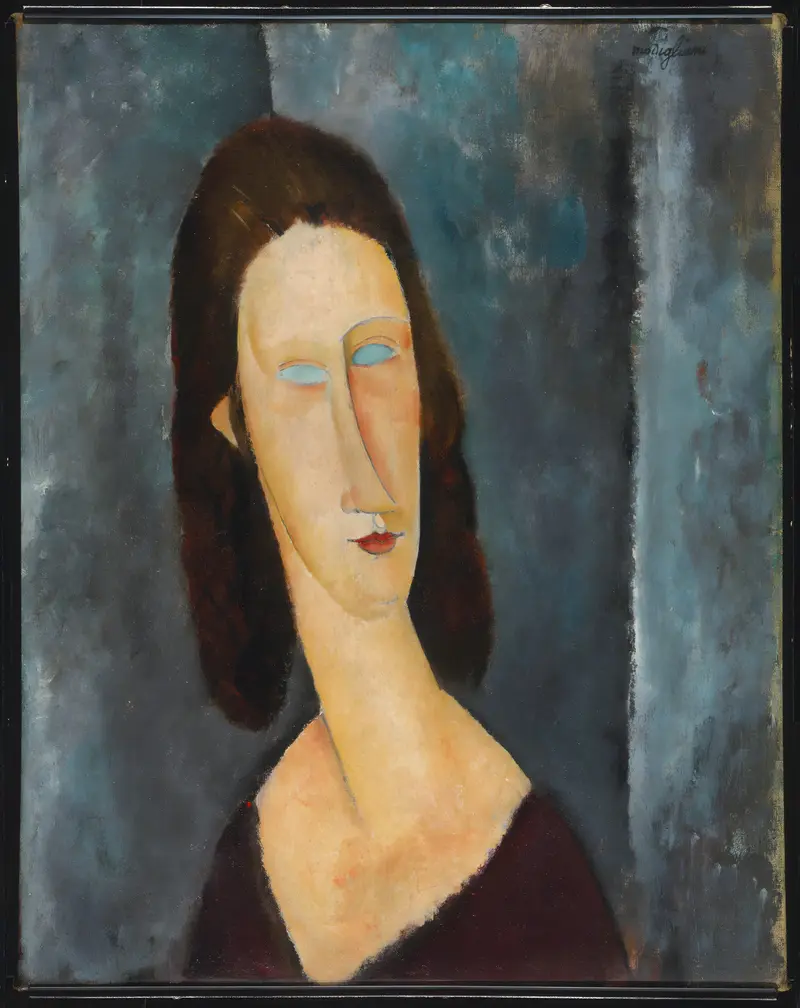
Blue Eyes (Portrait of Madame Jeanne Hébuterne)
Amedeo Modigliani
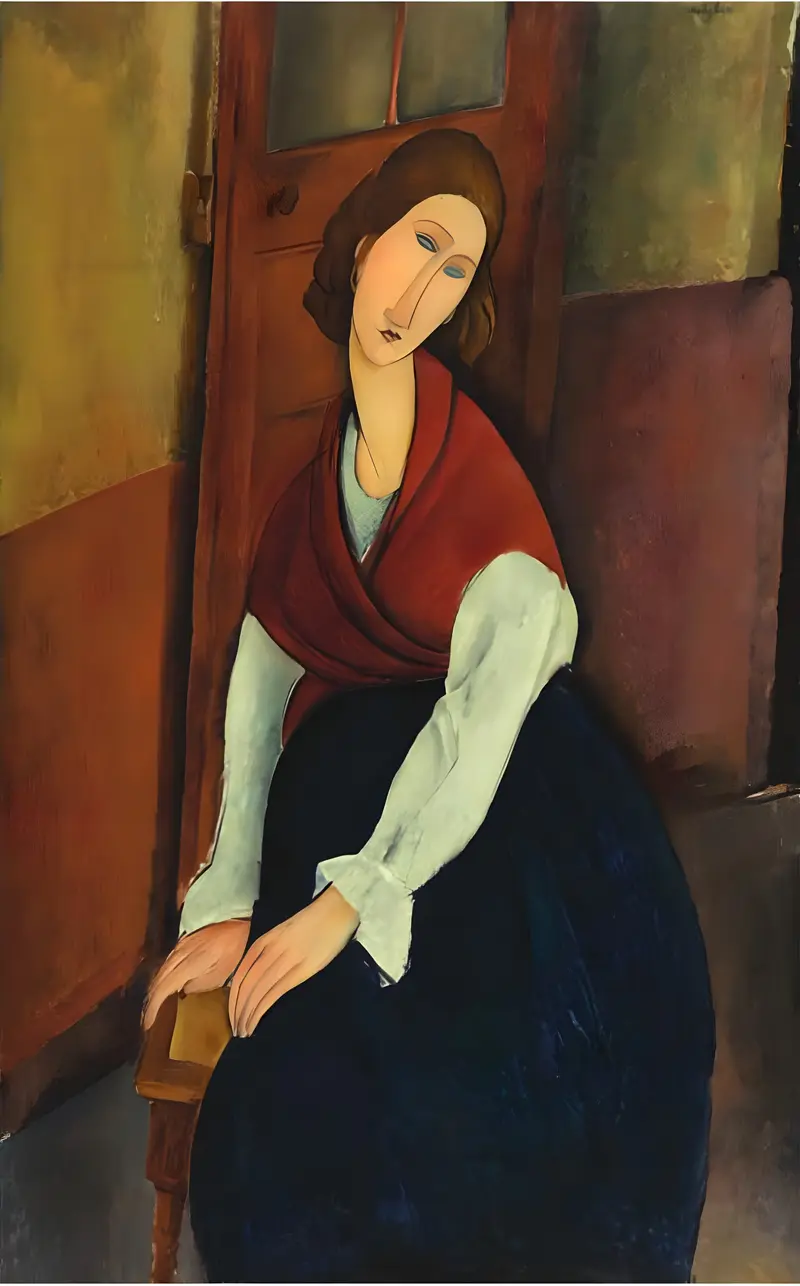
Jeanne Hebuterne in Red Shawl
Amedeo Modigliani





