
Moïse enfant foulant aux pieds la couronne de Pharaon — History & Facts
Few paintings have sparked as much scholarly debate over their meaning as Moïse enfant foulant aux pieds la couronne de Pharaon by Nicolas Poussin. Created in 1637, this work was commissioned by the influential Italian collector Cassiano dal Pozzo, a patron whose intellectual circle prized complex allegories and biblical themes. The painting's subject—a moment from the Jewish historian Josephus rather than the canonical Bible—was rare in 17th-century art, and Poussin’s interpretation remains unique among his contemporaries.
The choice to depict Moses as a child trampling Pharaoh’s crown was both a daring visual metaphor and a subtle commentary on the conflict between spiritual and earthly power. In the scene, the infant Moses, surrounded by Egyptian courtiers and his adoptive mother, boldly crushes the royal crown under his small foot. According to Josephus, this act foretold Moses’ future defiance of Pharaoh and his destiny as the liberator of the Israelites. Poussin arranges the figures in a frieze-like composition, their gestures frozen in astonishment and alarm.
The crown, rendered in gleaming gold, draws the viewer’s eye to the very center of the drama, while the careful play of light isolates Moses as the chosen one. Unlike Rembrandt's more emotional biblical scenes, Poussin’s approach is measured and classical, emphasizing clarity and narrative over raw feeling. The painting’s journey mirrors the cosmopolitan world of its creator. After its completion in Rome, Moïse enfant foulant aux pieds la couronne de Pharaon remained in Italy for decades, passing through several prominent collections before making its way to France.
Its attribution to Poussin has never been seriously questioned, and it is now recognized as a key work from his mature period, when he was at the height of his powers as a storyteller in paint. Today, the painting stands as a testament to Poussin’s deep engagement with ancient sources and his ability to translate them into images that still intrigue and challenge viewers.
More Artworks by Nicolas Poussin

Spring
Nicolas Poussin
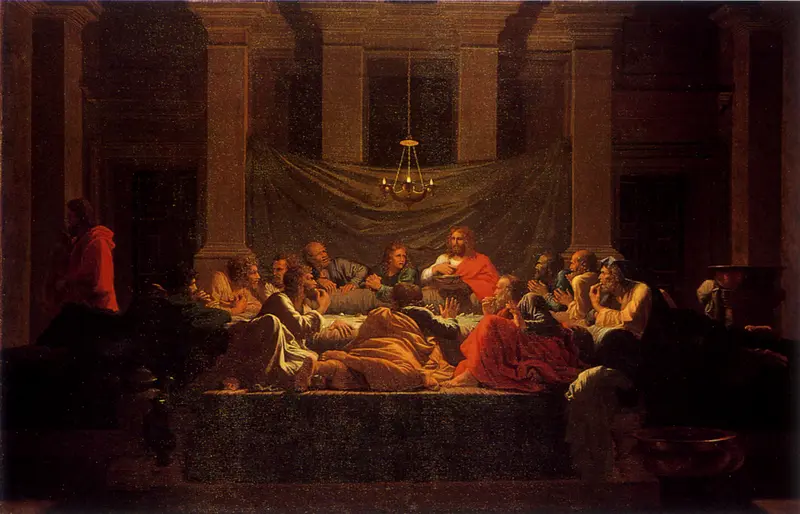
The Sacrament of the Holy Eucharist
Nicolas Poussin
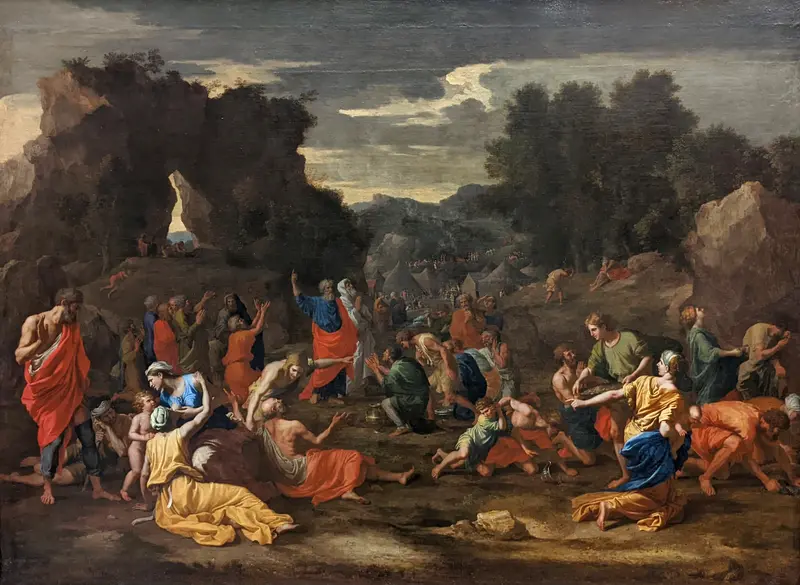
The Israelites gathering Manna in the Desert
Nicolas Poussin
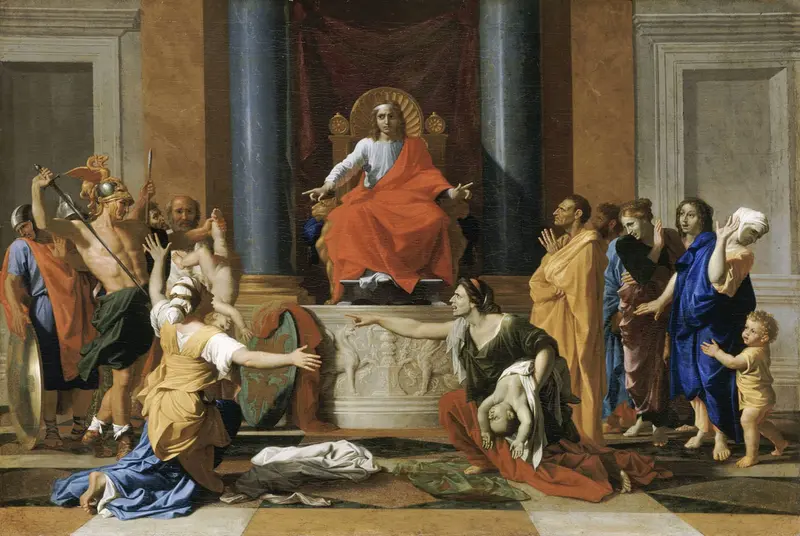
The Judgment of Solomon
Nicolas Poussin
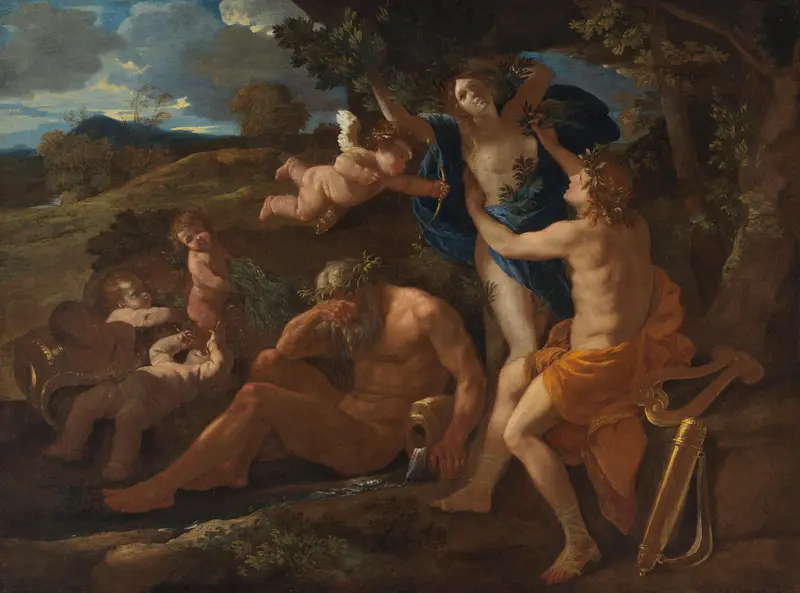
Apollo and Daphne
Nicolas Poussin

The Nurture of Jupiter
Nicolas Poussin

Ordination
Nicolas Poussin
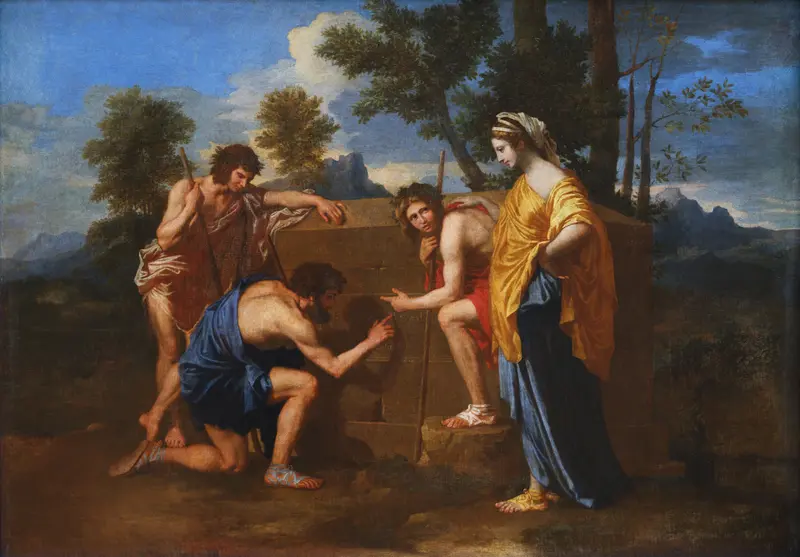
Et in Arcadia ego
Nicolas Poussin
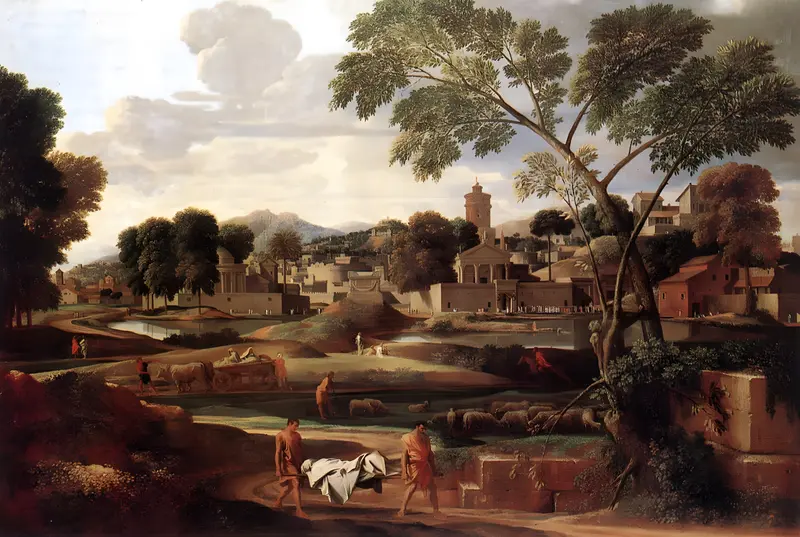
The Funeral of Phocion
Nicolas Poussin
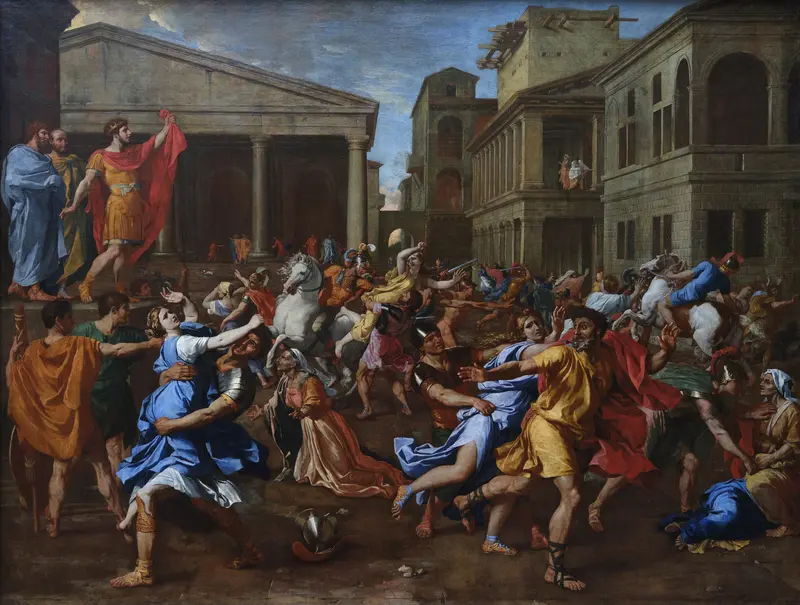
The Rape of the Sabine Women
Nicolas Poussin





