Molen — History & Facts
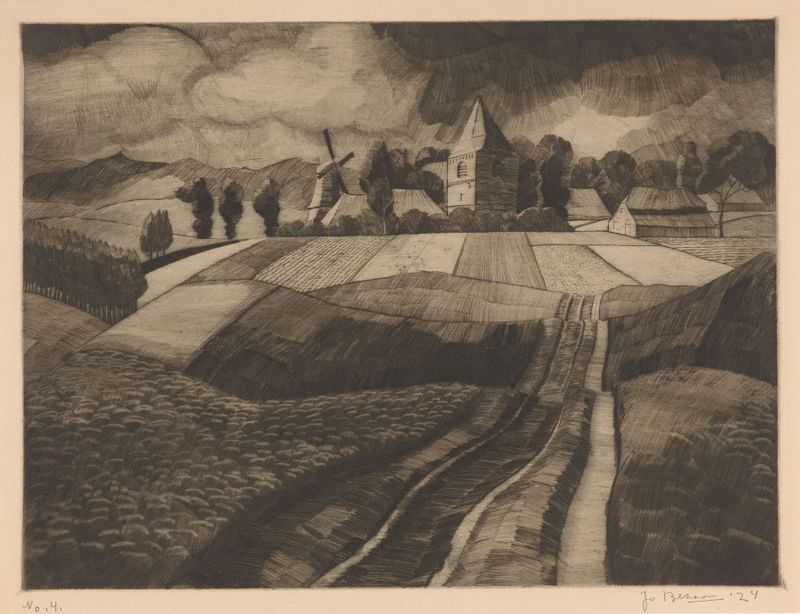
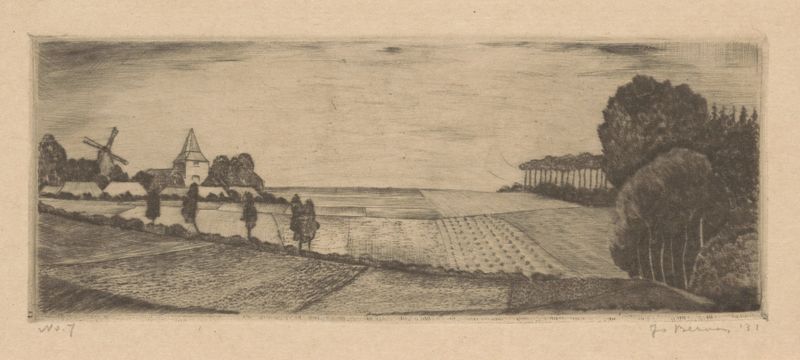
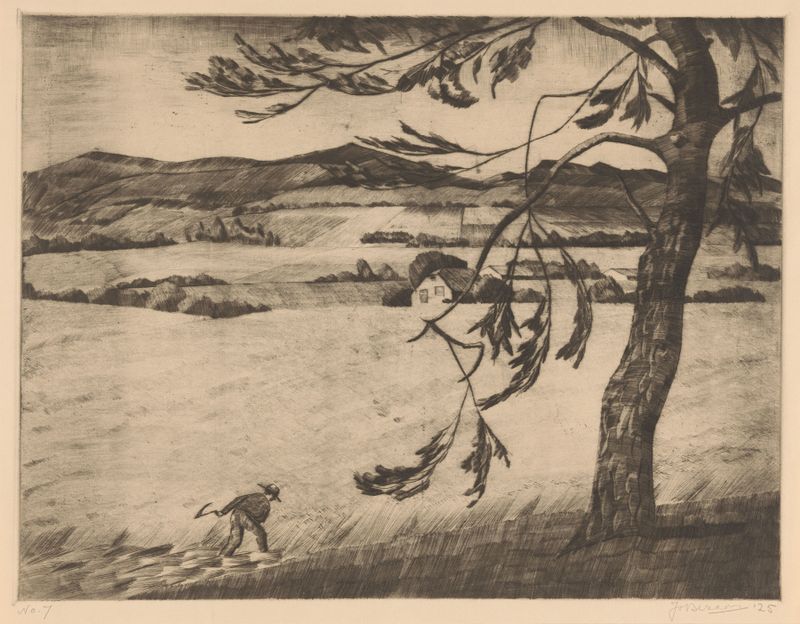
When did color learn to lie? In the quiet world of Molen, one cannot help but ponder the nature of reflection, both seen and unseen. Focus your gaze on the soft blues and shimmering greens that coalesce in the water's surface, as they distort the shapes of the windmill above. Notice how the upward strokes of paint create a gentle rippling effect, inviting you to question what lies beneath this captivating facade. The artist’s brushwork dances between realism and abstraction, using color not merely to replicate reality but to evoke a deeper emotional resonance. Delve deeper into the contrasting elements within this serene landscape.
The windmill stands strong and solid, a symbol of endurance, while the water mirrors its image, suggesting vulnerability and the transient nature of perception. The delicate interplay of stillness and movement reveals an inner tension; the tranquility of the setting belies the complexities of truth hidden within reflection. Each stroke carries a whisper, urging the viewer to explore the dichotomy of appearance versus essence. In 1925, Jo Bezaan crafted Molen during a period of profound change in the art world, marked by the rise of modernism and experimentation with form and color.
Living in the Netherlands—an area rich in artistic heritage—Bezaan was influenced by both the impressionistic techniques of his predecessors and the emerging avant-garde movements. This painting reflects not only his personal exploration of color and light but also the broader dialogues of the time, questioning the nature of reality in an evolving society.