
Mondaufgang (Insel Sylt) — History & Facts
In the stillness of the night, the tranquil moonlit scene belies an undercurrent of tension, hinting at the violence that once stirred these waters. The viewer is drawn into a serene yet haunting landscape, where the beauty of nature coexists with an unsettling sense of foreboding. Look to the left at the shadowy outline of the island, its dark silhouette etched against a luminous, silver sky. The moon, a radiant orb, casts shimmering reflections on the water's surface, creating a stark contrast between light and dark.
The artist's brushstrokes evoke a gentle rippling of the sea, while the cool palette of blues and grays enhances the ethereal atmosphere. Each element is meticulously placed, allowing the viewer to feel the weight of the silence that envelops the scene. Beyond its serene exterior, the painting reveals deeper complexities. The juxtaposition of the moon's tranquility with the restless water could symbolize hidden emotions, the turmoil beneath a calm facade.
Perhaps there is an allusion to the violence of storms that once ravaged this landscape, suggesting that nature's beauty can mask its darker truths. This duality invites contemplation on the fragility of peace and the potential for chaos lurking just beneath surface appearances. In 1930, Wilhelm Ludwig Lehmann painted this evocative piece during a time when Europe was grappling with the aftermath of the First World War. The art world was shifting, moving towards modernism, and Lehmann's work reflects a personal exploration of emotional depth and atmospheric tension.
His choice to depict this scene of serene beauty amidst a historical backdrop adds layers of meaning, reminding us of the violence that can linger in the silence of the night.
More Artworks by Wilhelm Ludwig Lehmann
Browse all →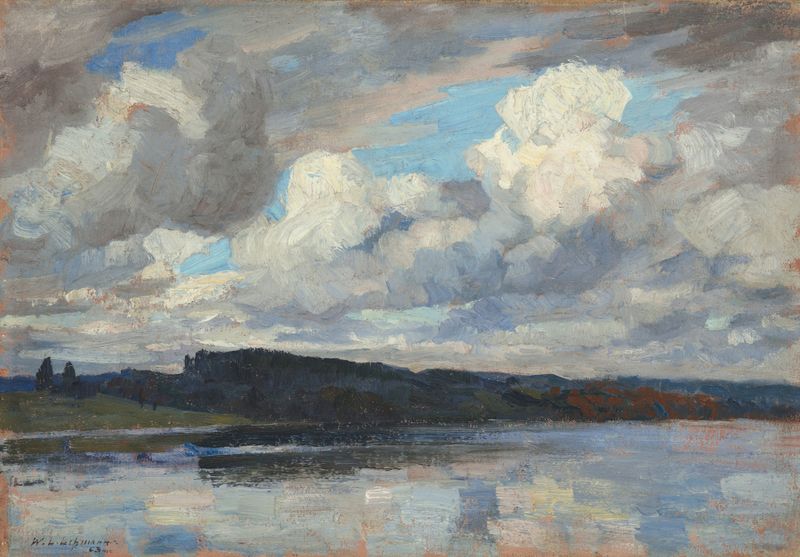
Wolkenstimmung am Chiemsee
Wilhelm Ludwig Lehmann

Feldeinsamkeit
Wilhelm Ludwig Lehmann

Sonntagnachmittag auf Helgoland
Wilhelm Ludwig Lehmann
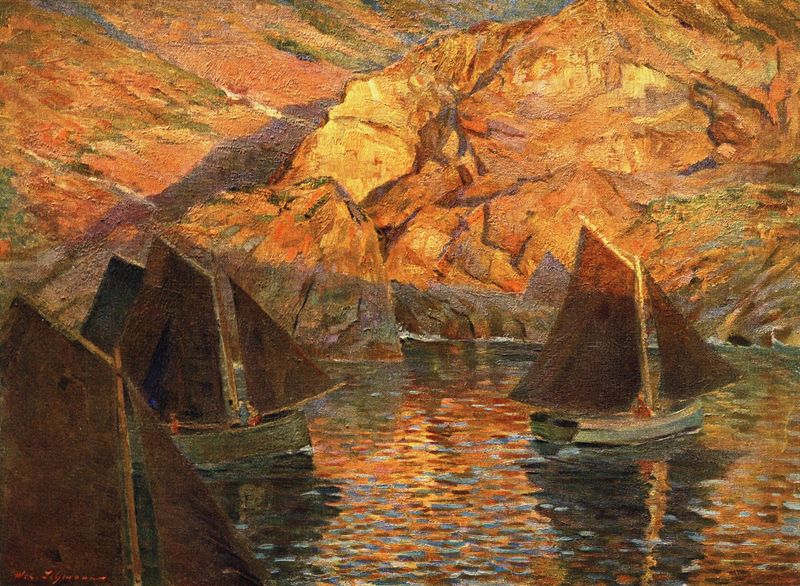
Abendsonne (Bretagne)
Wilhelm Ludwig Lehmann
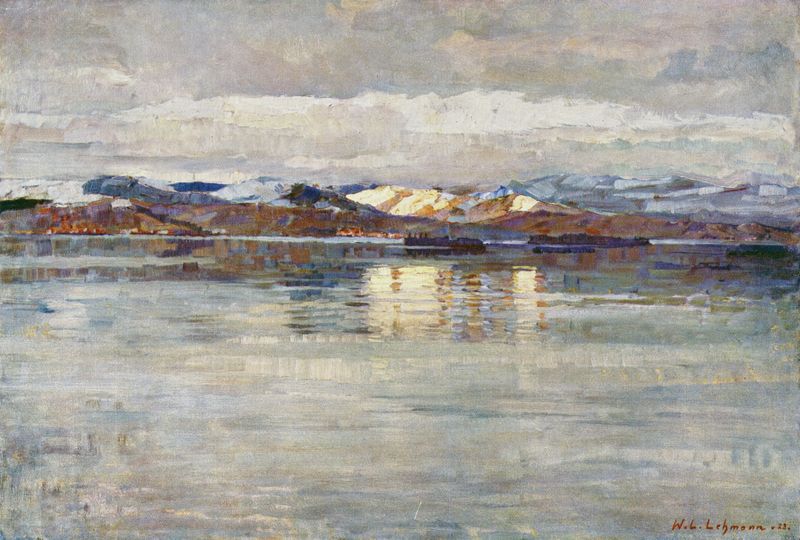
Winterstimmung am Zürichsee
Wilhelm Ludwig Lehmann

Märzsonne (Davos)
Wilhelm Ludwig Lehmann
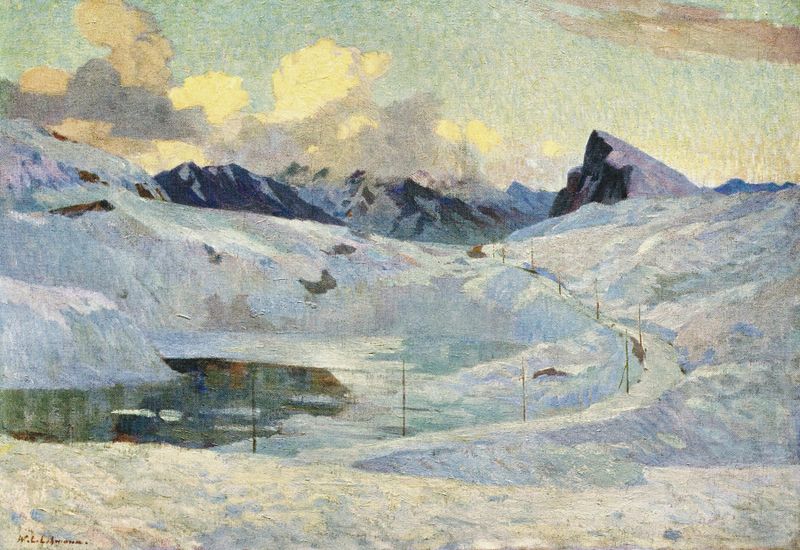
Bernina-Passhöhe
Wilhelm Ludwig Lehmann
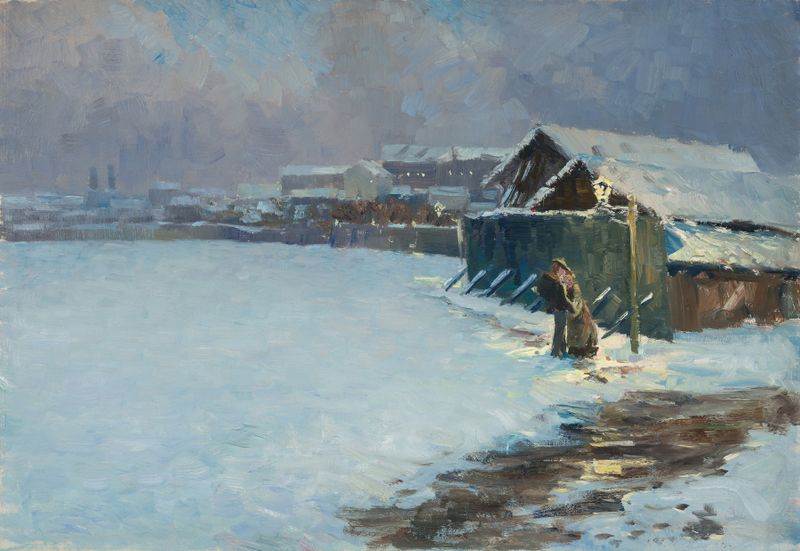
Winternacht (München)
Wilhelm Ludwig Lehmann
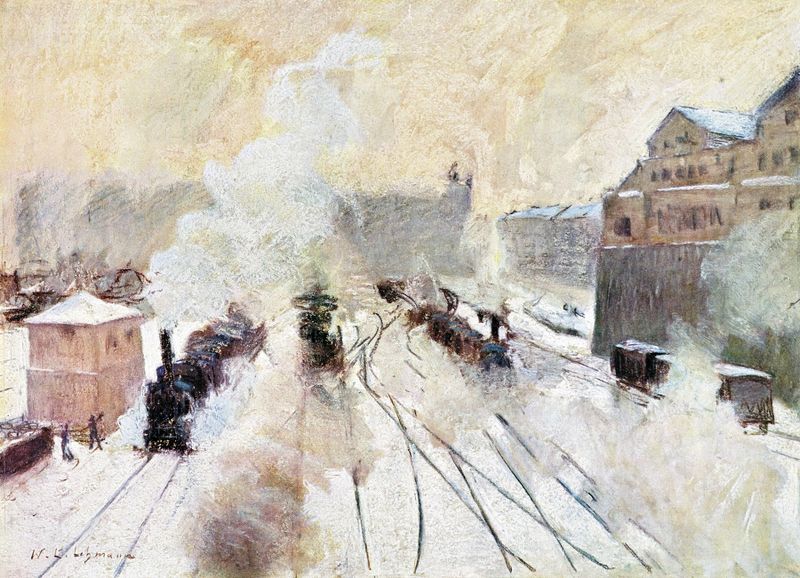
Münchener Frühling
Wilhelm Ludwig Lehmann





