
Feldeinsamkeit — History & Facts
Could beauty survive in a century of chaos? Feldeinsamkeit presents a poignant exploration of solitude amidst the vastness of nature, inviting contemplation of existence itself. Focus first on the expansive fields that ripple under an expansive sky. Notice the gentle brushstrokes that create a sense of movement in the tall grass, as if each blade dances to a silent melody. The subtle palette of greens and browns, punctuated by soft blues, evokes a serene yet haunting atmosphere, drawing the viewer into a meditative state.
The horizon stretches endlessly, suggesting both freedom and isolation, inviting introspection as one gazes into the distance. Within this tranquil landscape lies a tension between the beauty of nature and an underlying emptiness. The solitary tree stands sentinel, embodying resilience while simultaneously highlighting the loneliness of its existence. The open space around it amplifies feelings of abandonment, allowing viewers to ponder their relationship with solitude.
Each detail—the delicate play of light, the absence of figures—whispers of a world untouched yet yearns for connection, resonating with the quiet ache of yearning. In 1918, Wilhelm Ludwig Lehmann created this work during a tumultuous period marked by the aftermath of World War I. He was stationed in Germany, a time when the country grappled with the scars of conflict, and art sought to capture both the despair and fleeting beauty of life. This painting emerges as a reflection of an artist navigating a world longing for solace amidst chaos, encapsulating a unique moment in art history where nature becomes both a refuge and a mirror to one’s soul.
More Artworks by Wilhelm Ludwig Lehmann
Browse all →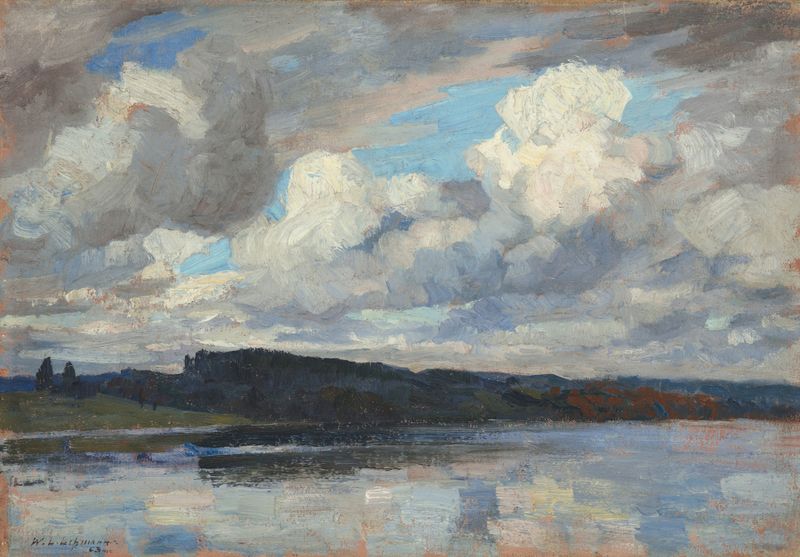
Wolkenstimmung am Chiemsee
Wilhelm Ludwig Lehmann

Sonntagnachmittag auf Helgoland
Wilhelm Ludwig Lehmann
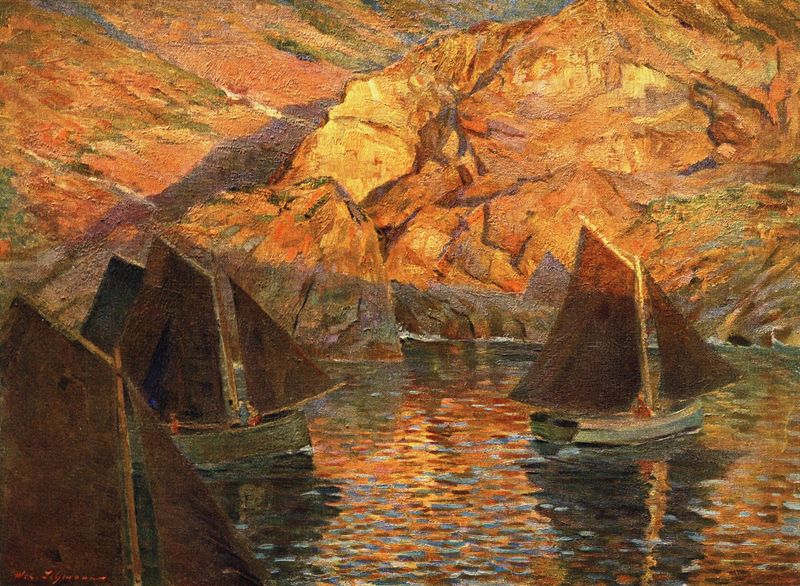
Abendsonne (Bretagne)
Wilhelm Ludwig Lehmann

Mondaufgang (Insel Sylt)
Wilhelm Ludwig Lehmann
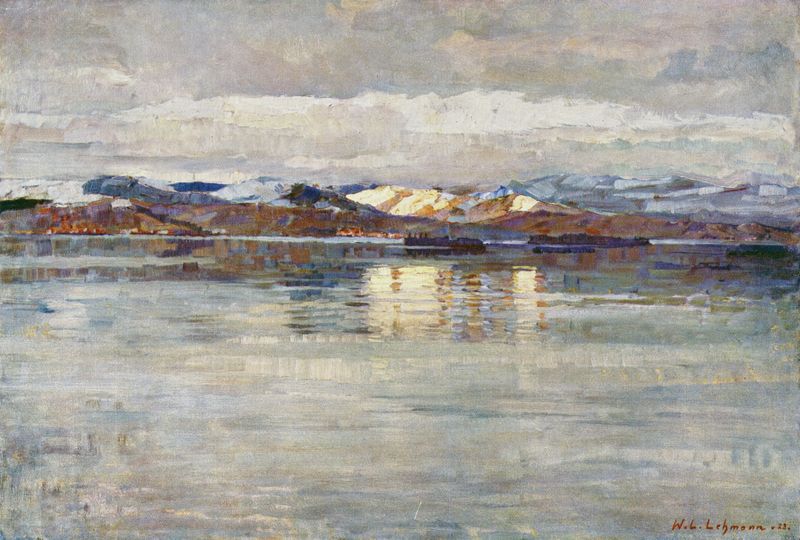
Winterstimmung am Zürichsee
Wilhelm Ludwig Lehmann

Märzsonne (Davos)
Wilhelm Ludwig Lehmann
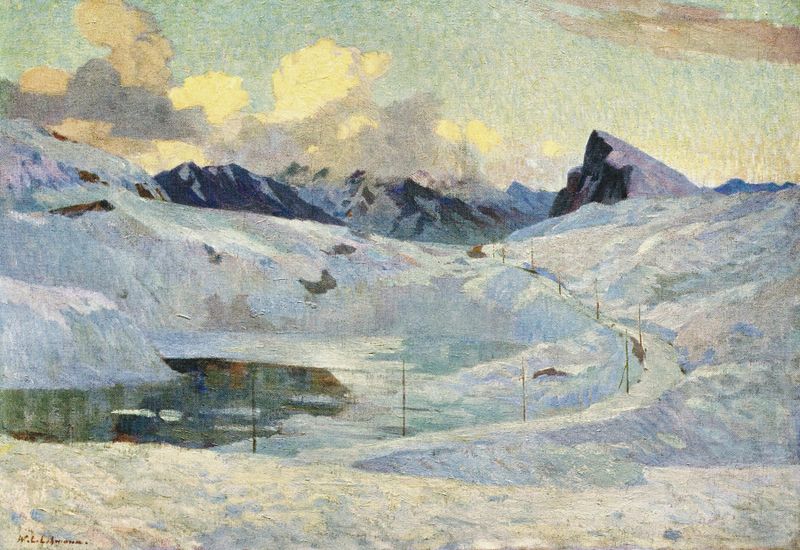
Bernina-Passhöhe
Wilhelm Ludwig Lehmann
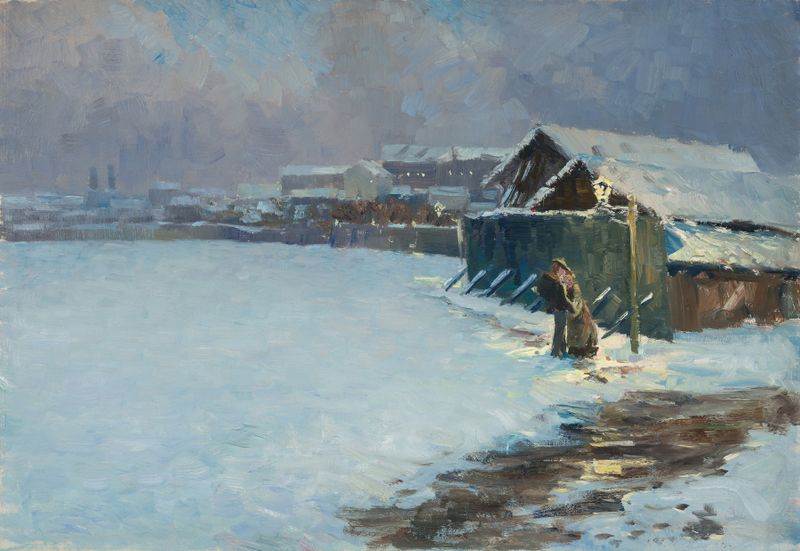
Winternacht (München)
Wilhelm Ludwig Lehmann
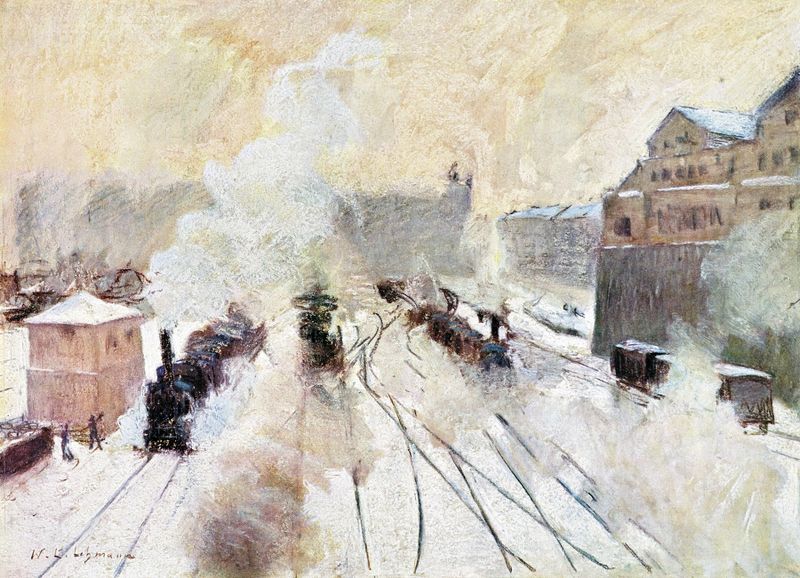
Münchener Frühling
Wilhelm Ludwig Lehmann





