
Märzsonne (Davos) — History & Facts
In a time marked by turmoil, the search for truth becomes paramount, a refuge from the noise surrounding us. Begin your journey by focusing on the sunlit horizon, where swathes of golden-yellow paint embrace the sky, igniting hope and warmth. To the left, glance at the delicate interplay of light and shadow that dances across the snow-covered peaks, suggesting a serene yet powerful presence. The soft brushwork evokes a sense of gentle movement, while the palette harmoniously captures the essence of early spring in the Alps. Amid this captivating landscape, the stark contrast between the pristine white snow and the rich blue of the sky speaks volumes.
The distant mountains, both majestic and daunting, remind us of nature's indifference to human struggle. Yet, the painter's choice to depict this scene at dawn hints at rebirth and renewal, a bridge between the harshness of winter and the vibrancy that lies ahead. Each brushstroke seems to whisper a quiet resolve, embracing both the beauty and the solitude of existence. Wilhelm Ludwig Lehmann created Märzsonne (Davos) in 1913, a year filled with changing societal dynamics and artistic innovation.
At that time, he was immersed in the beauty of the Swiss Alps, capturing landscapes that resonated with emotional depth. The early 20th century was also seeing the rise of modernism in art, a movement that explored new truths and perspectives, which Lehmann interpreted through his unique vision, marking his place in the evolving dialogue of the period.
More Artworks by Wilhelm Ludwig Lehmann
Browse all →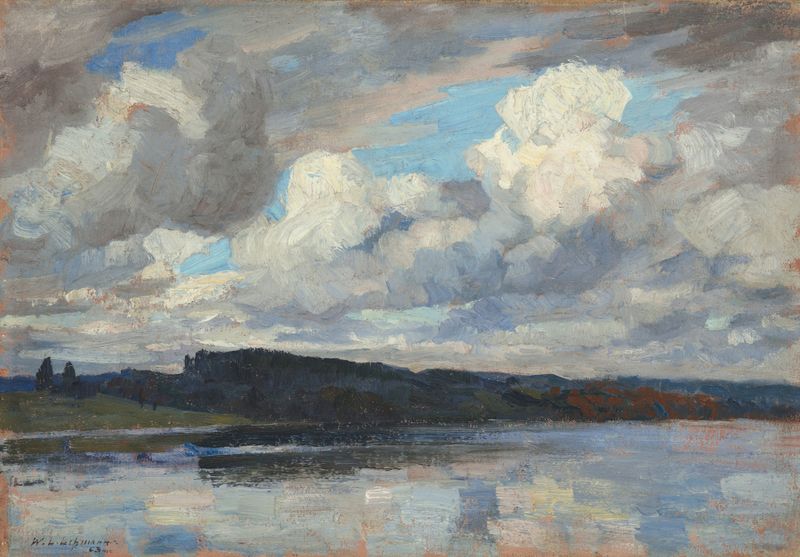
Wolkenstimmung am Chiemsee
Wilhelm Ludwig Lehmann

Feldeinsamkeit
Wilhelm Ludwig Lehmann

Sonntagnachmittag auf Helgoland
Wilhelm Ludwig Lehmann
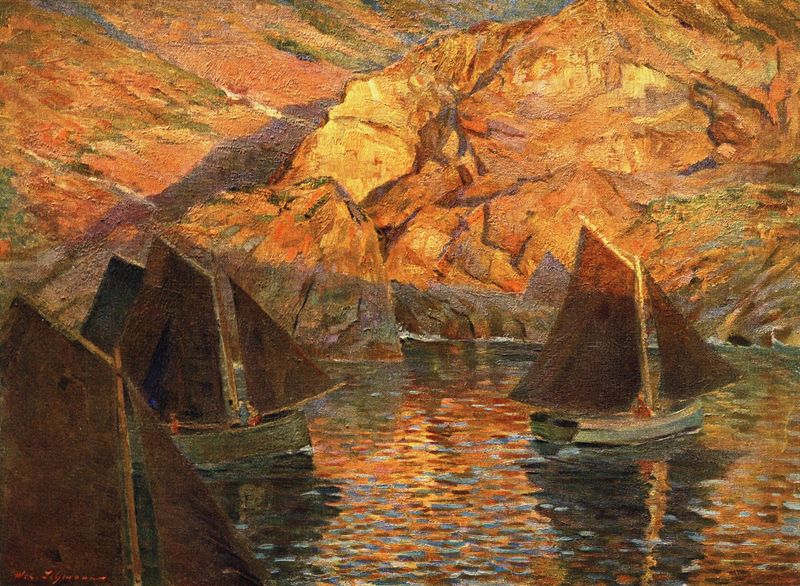
Abendsonne (Bretagne)
Wilhelm Ludwig Lehmann

Mondaufgang (Insel Sylt)
Wilhelm Ludwig Lehmann
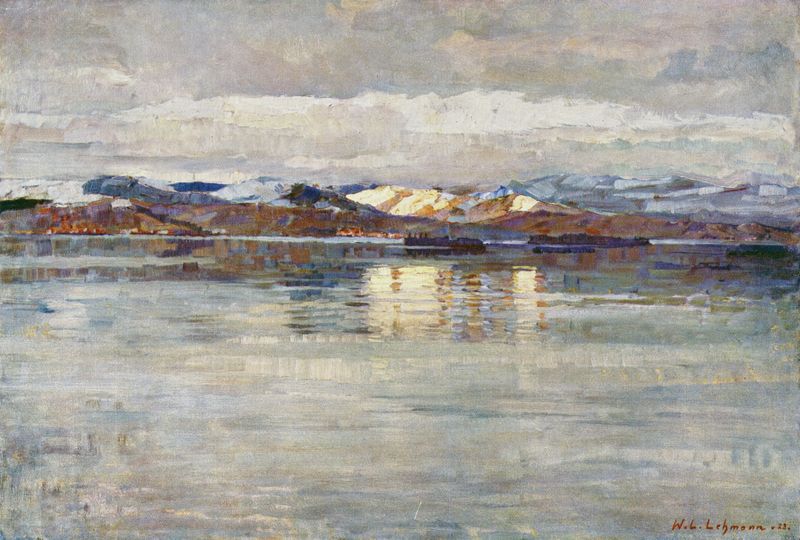
Winterstimmung am Zürichsee
Wilhelm Ludwig Lehmann
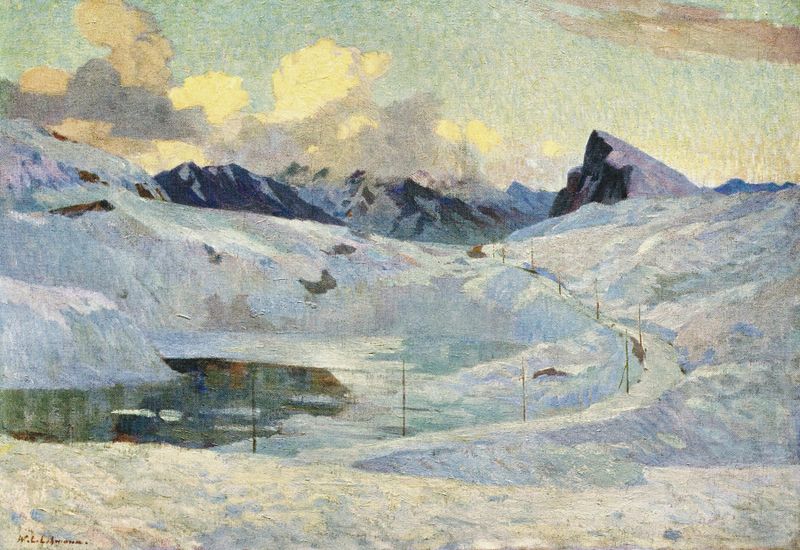
Bernina-Passhöhe
Wilhelm Ludwig Lehmann
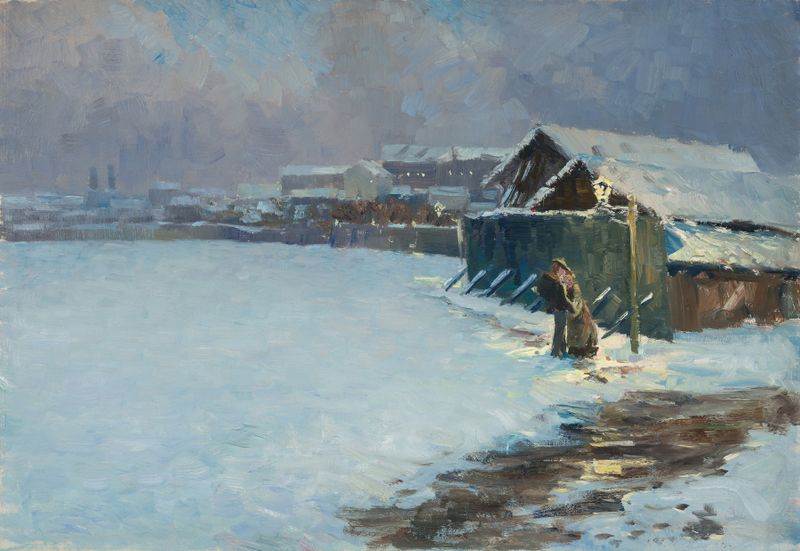
Winternacht (München)
Wilhelm Ludwig Lehmann
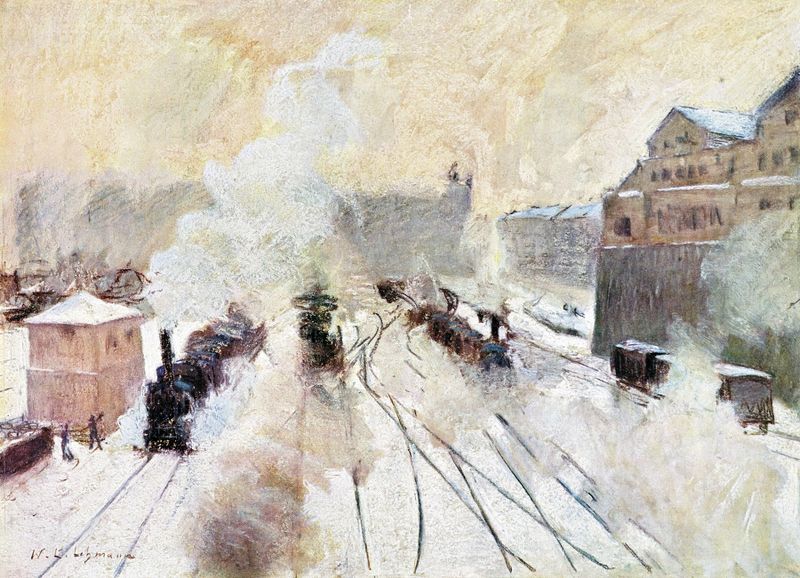
Münchener Frühling
Wilhelm Ludwig Lehmann





