
Bernina-Passhöhe — History & Facts
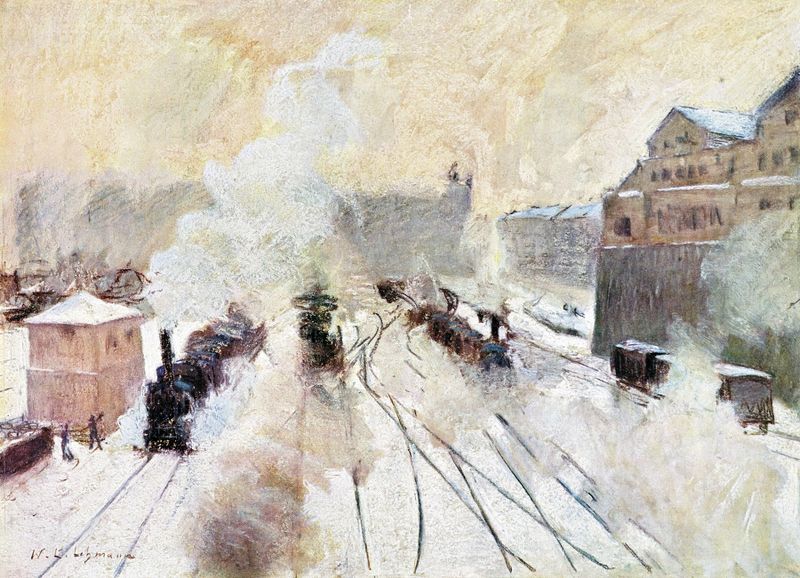
This sentiment captures the essence of our fleeting existence, much like the interplay of time and landscape in the work before us. In the delicate strokes of this piece, the artist invites us to pause and reflect on the profound beauty that unfolds with each passing moment. Look towards the center where the snow-capped peaks rise majestically against a serene sky. The gentle play of pastel hues evokes a sense of tranquility, while the deep greens of the valley beneath create a contrast that speaks of life thriving in the shadow of monumental grandeur.
Notice how Lehmann's brushwork, both soft and deliberate, breathes life into the scene, as if the mountains themselves are whispering secrets of time long past. Hidden within the layers of color lies a tension between permanence and transience. The steadfast mountains, symbols of endurance, stand in stark contrast to the ethereal clouds that drift lazily across the sky, reminding us of the ephemeral nature of our own lives. The interplay of light and shadow further accentuates this dichotomy — each illuminated peak beckons us to consider both the beauty of the moment and the relentless march of time that shapes it. In 1902, at a time when the natural world was increasingly becoming a subject of fascination for artists reacting to modernity, Wilhelm Ludwig Lehmann found himself in the picturesque Bernina Pass.
Capturing this breathtaking landscape was not just an act of creation, but a personal exploration of the eternal versus the ephemeral, reflecting a broader artistic trend of seeking solace in nature amidst the rapid changes of the world.
More Artworks by Wilhelm Ludwig Lehmann
Browse all →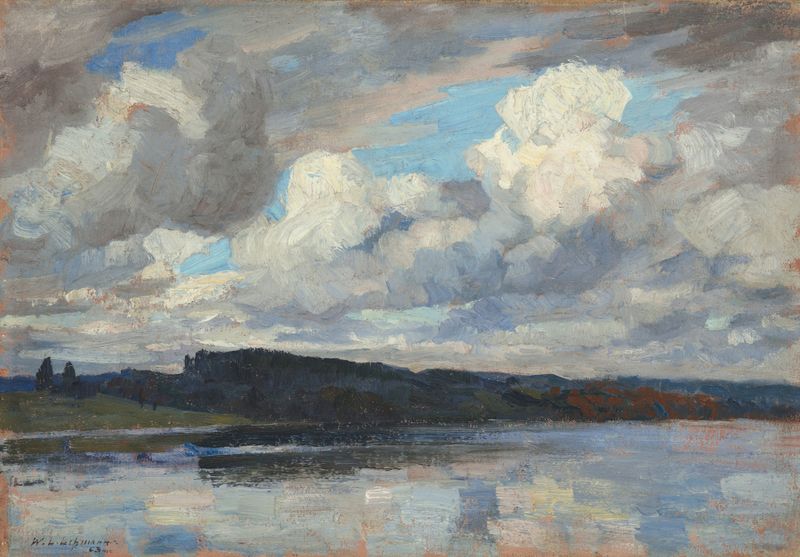
Wolkenstimmung am Chiemsee
Wilhelm Ludwig Lehmann

Feldeinsamkeit
Wilhelm Ludwig Lehmann

Sonntagnachmittag auf Helgoland
Wilhelm Ludwig Lehmann
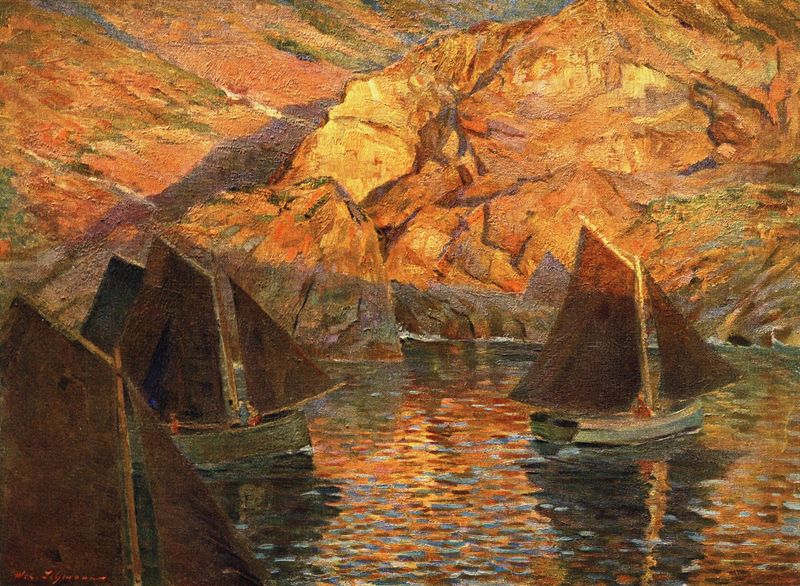
Abendsonne (Bretagne)
Wilhelm Ludwig Lehmann

Mondaufgang (Insel Sylt)
Wilhelm Ludwig Lehmann
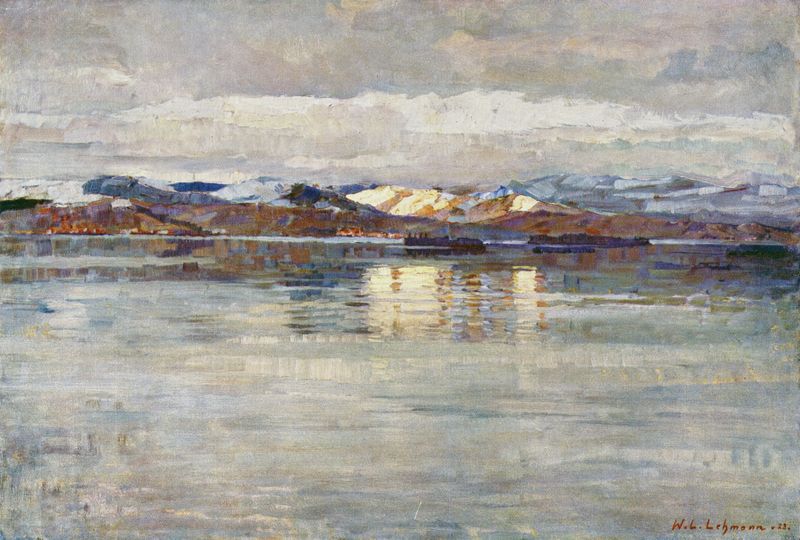
Winterstimmung am Zürichsee
Wilhelm Ludwig Lehmann

Märzsonne (Davos)
Wilhelm Ludwig Lehmann
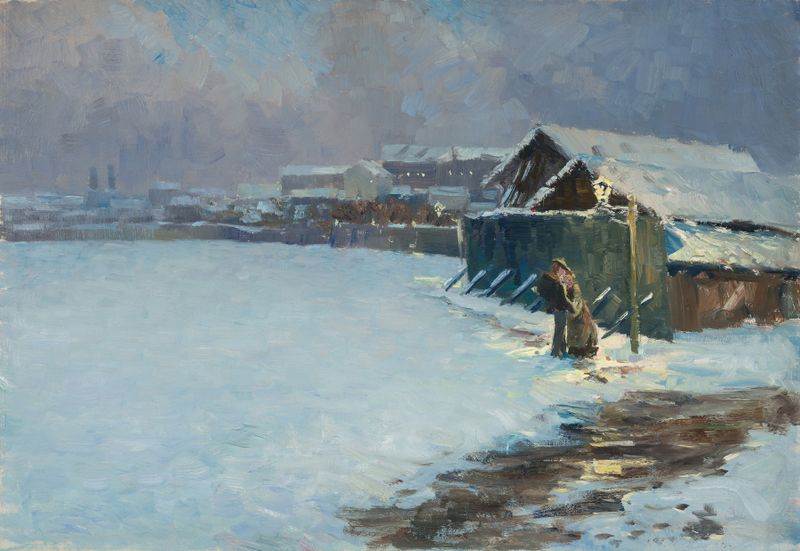
Winternacht (München)
Wilhelm Ludwig Lehmann
Münchener Frühling
Wilhelm Ludwig Lehmann





