
Mondaufgang Nach Der Ernte I — History & Facts
In the stillness of twilight, silence envelops the landscape, whispering secrets of the harvest just past. A moon rises, casting its pale glow over fields that once thrummed with life, transforming the ordinary into the extraordinary. It evokes a sense of quiet introspection, a moment suspended in time where nature breathes softly under the influence of evening’s arrival. Look to the left at the gentle curves of the rolling hills, bathed in a soft, silvery light that contrasts with the deep shadows of the foreground.
The artist employs a monochromatic palette, deftly blending blues and greens to create a dreamlike quality. Notice the delicate brushstrokes that convey the texture of the earth and the ethereal shimmer of the moonlit sky, inviting you to linger in the serenity of the scene. The composition draws your eye upward, mirroring nature's transition from the labor of the day to the tranquility of night. As you delve deeper, the interplay of light and dark becomes symbolic of the cycle of life.
The moon’s glow signifies hope and renewal, while the shadowed areas evoke a sense of loss and the quiet aftermath of labor. This duality embodies the emotional tension between the end of one chapter and the beginning of another, reflecting humanity’s perpetual dance with nature. Each stroke captures not just the landscape but the essence of a moment filled with unspoken stories. In 1892, Theodor Von Hörmann created this piece during a time of artistic exploration in Vienna, where the Symbolist movement was gaining momentum.
The changing dynamics in the art world reflected broader societal shifts, and artists were increasingly turning to nature and personal reflection as subjects. This work encapsulates that spirit of innovation while emphasizing the beauty found in stillness and contemplation, mirroring the artist's own journey through a period rich in cultural transformation.
More Artworks by Theodor Von Hörmann
Browse all →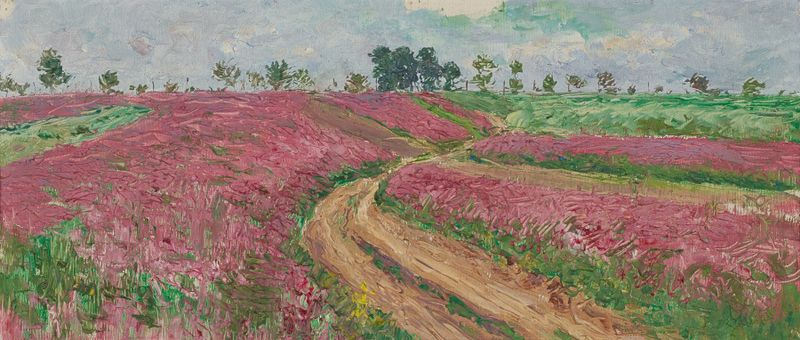
Esparsettenfeld Bei Znaim Ii
Theodor Von Hörmann

Blick Auf Paris
Theodor Von Hörmann

A Watering Place in Kis Bagh
Theodor Von Hörmann

Auf Der Ligethi Puszta
Theodor Von Hörmann
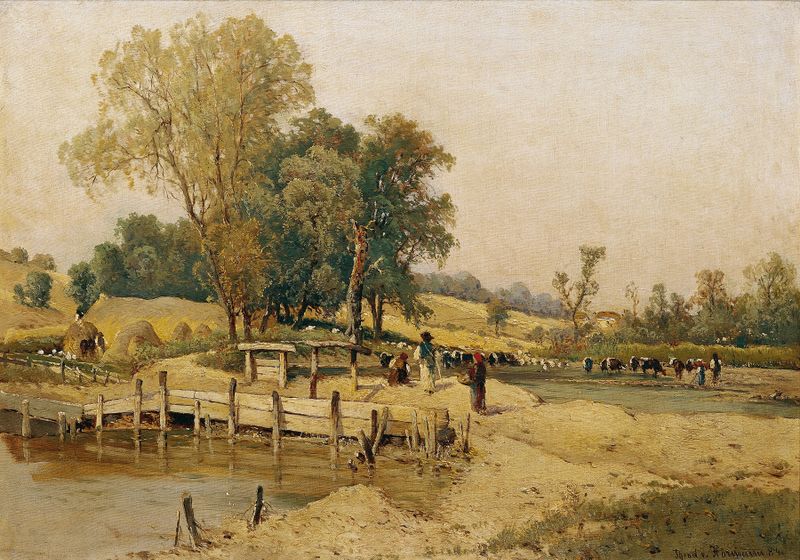
Ungarische Landschaft Mit Viehtränke
Theodor Von Hörmann
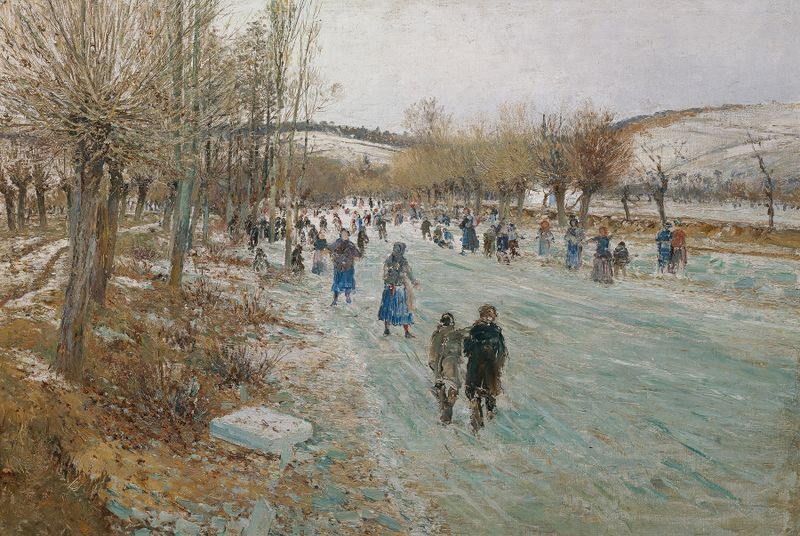
Eisläufer Auf Der Thaya Bei Lundenburg
Theodor Von Hörmann
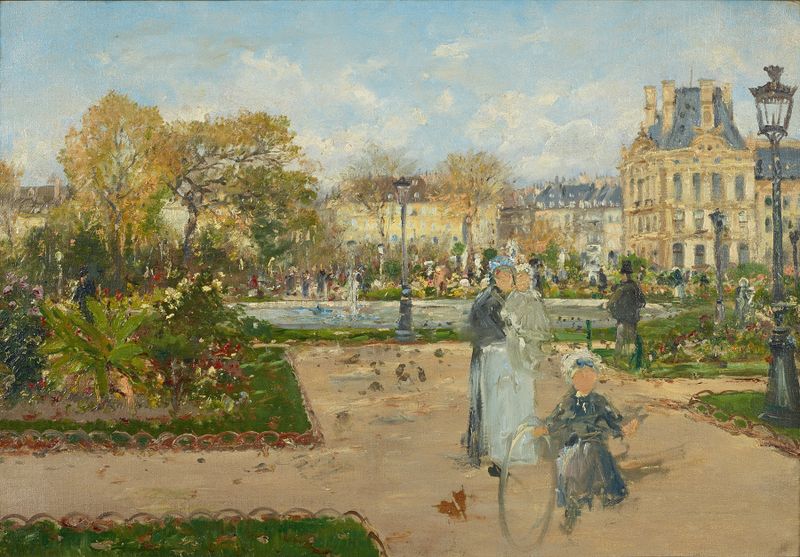
In Den Tuilerien
Theodor Von Hörmann

A Winter Day, Scene near St. Pölten
Theodor Von Hörmann

Znaim Im Schnee Ii
Theodor Von Hörmann
Dorfmotiv von Albeins bei Brixen, Tirol
Theodor Von Hörmann





