
Mondscheinlandschaft an einem Fluß, Hirte und Hirtin treiben das Vieh zum Hof — History & Facts
Could beauty survive in a century of chaos? In a world wrestling with innovation and conflict, moments like these remind us of the gentle embrace of nature and the simplicity of life. Look to the foreground, where a shepherd and shepherdess guide their flock along a serene riverbank. The soft, muted colors of twilight suffuse the scene, casting a delicate glow over the figures and their surroundings. Notice how the light reflects on the water’s surface, creating a mesmerizing play of illumination that dances with the rhythm of the evening breeze.
The careful composition draws our gaze along the winding river, leading us into the tranquil embrace of the landscape. Beneath the idyllic surface lies a profound tension: the pastoral bliss contrasted with the encroaching modernity of the late 18th century. The figures embody a nostalgia for a simpler past, yet their presence hints at the inevitability of change. The stillness of the landscape evokes a longing for peace, while the tension in their gestures—the shepherd’s firm grip and the shepherdess’s watchful eye—reveals an underlying concern for their flock and their way of life.
This duality invites a deeper reflection on the fragility of harmony amidst societal upheaval. In 1789, the artist created this work during a time of political turmoil in Europe, as revolutions loomed on the horizon. Living in Germany, Pforr was influenced by the Romantic movement, which sought to capture emotion and nature’s beauty amidst a rapidly changing world. This painting reflects his desire to preserve the essence of a pastoral lifestyle, a quiet resistance against the chaos of contemporary life.
More Artworks by Johann Georg Pforr
Browse all →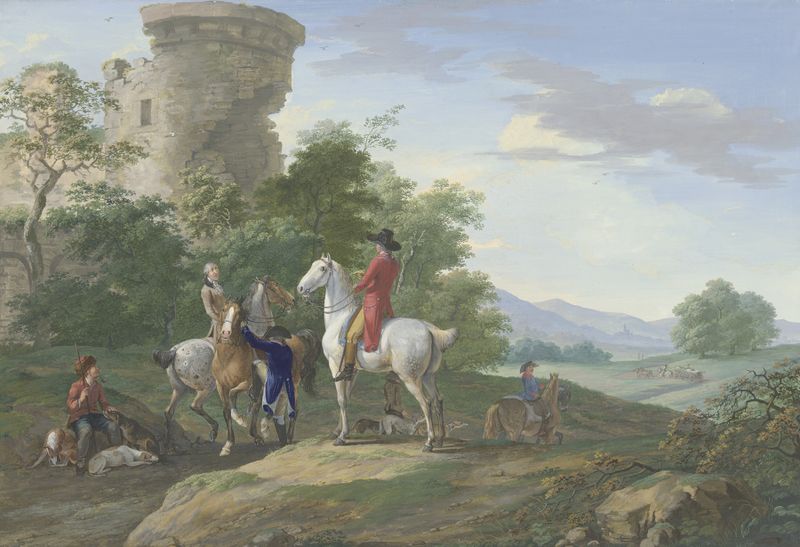
Jäger mit Pferden und Jagdhunden machen bei einer Ruine halt
Johann Georg Pforr
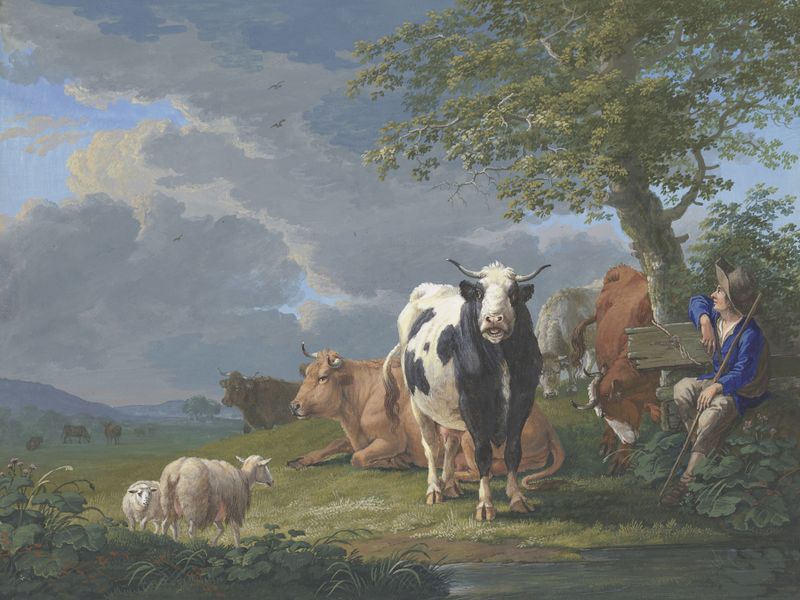
Hirte unter einem Baum mit seiner Rinderherde und zwei Schafen
Johann Georg Pforr
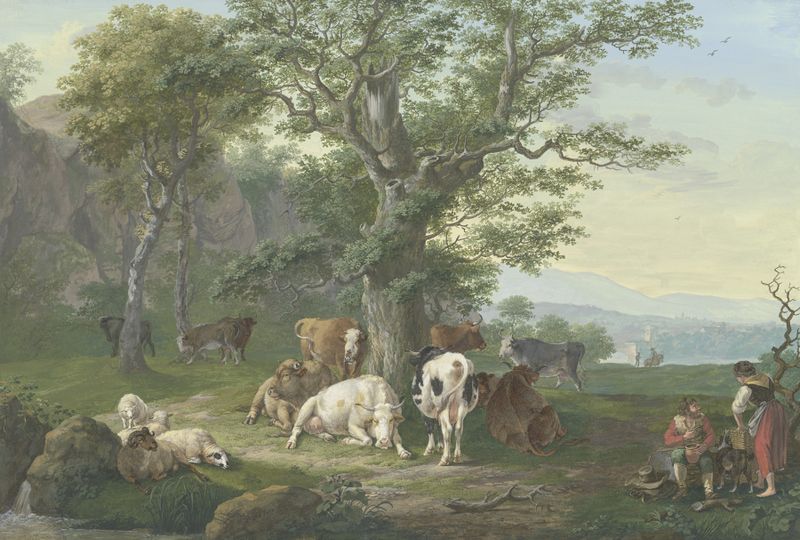
Lagernde Herde unter einer Eiche, rechts Hirte und Hirtin bei der Mahlzeit und Ausblick in die Ferne
Johann Georg Pforr
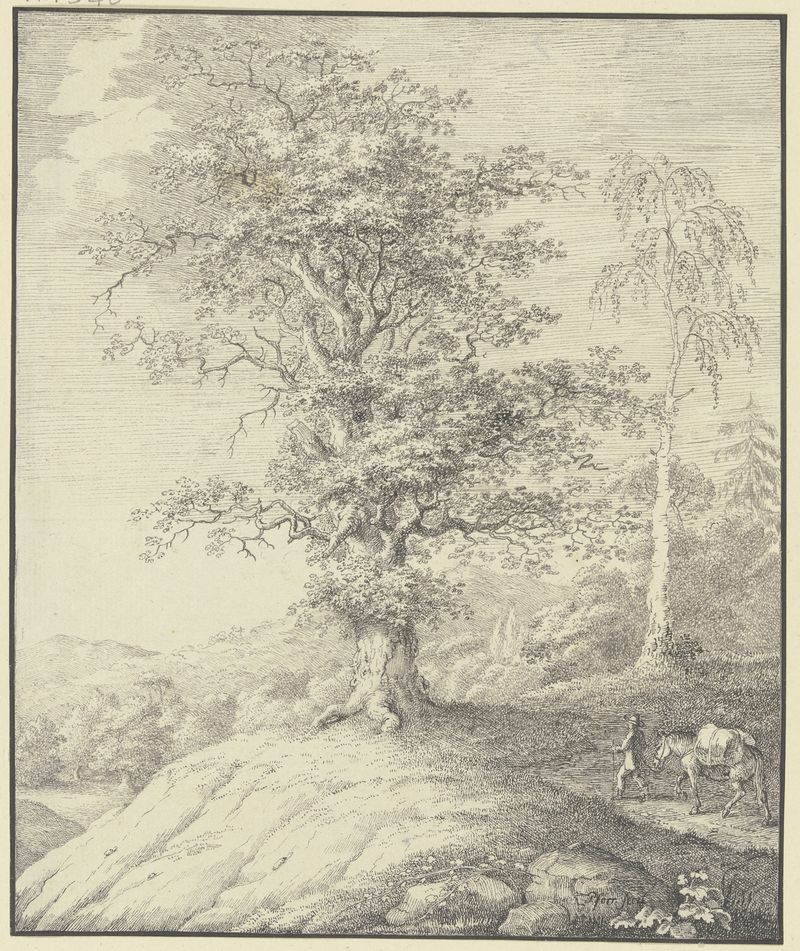
Eichbaum und Birke auf einer Anhöhe, von rechts führt ein Mann ein bepacktes Pferd herbei
Johann Georg Pforr
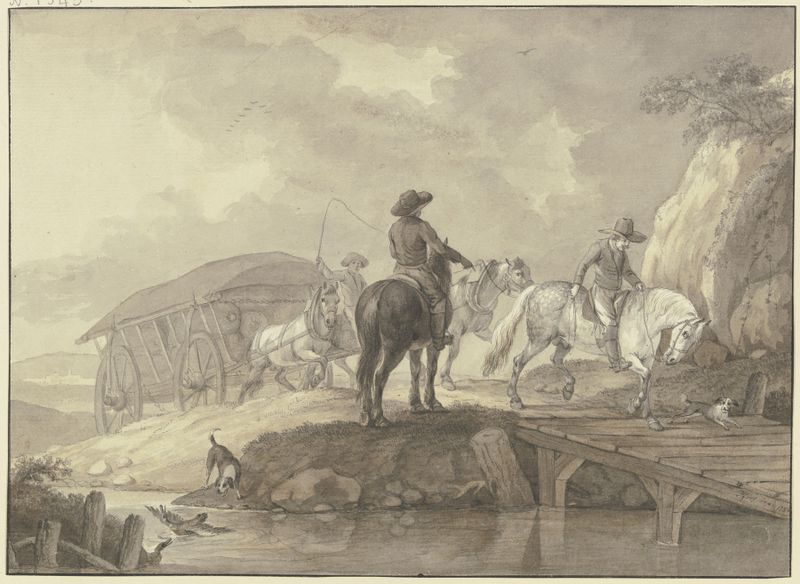
Ein mit Säcken beladener Lastwagen, begleitet von zwei Reitern und zwei Hunden, fährt über eine Brücke
Johann Georg Pforr
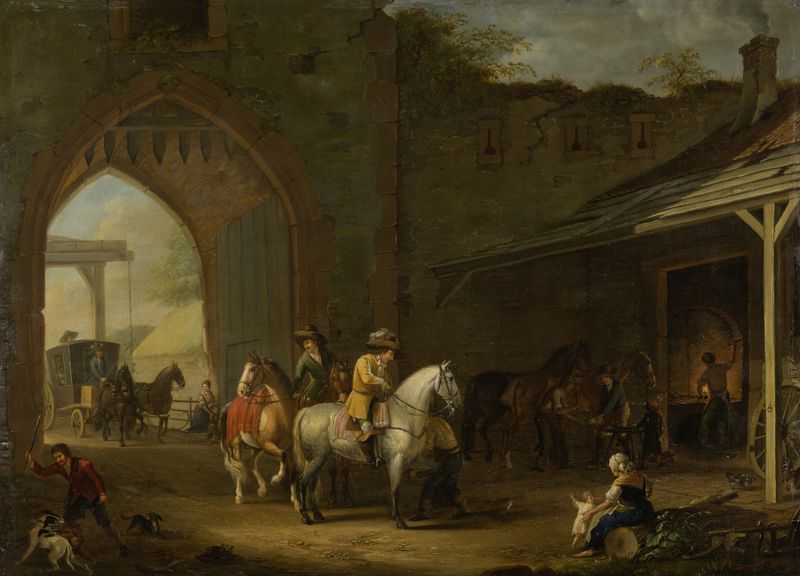
Horsemen at the Blacksmith’s
Johann Georg Pforr
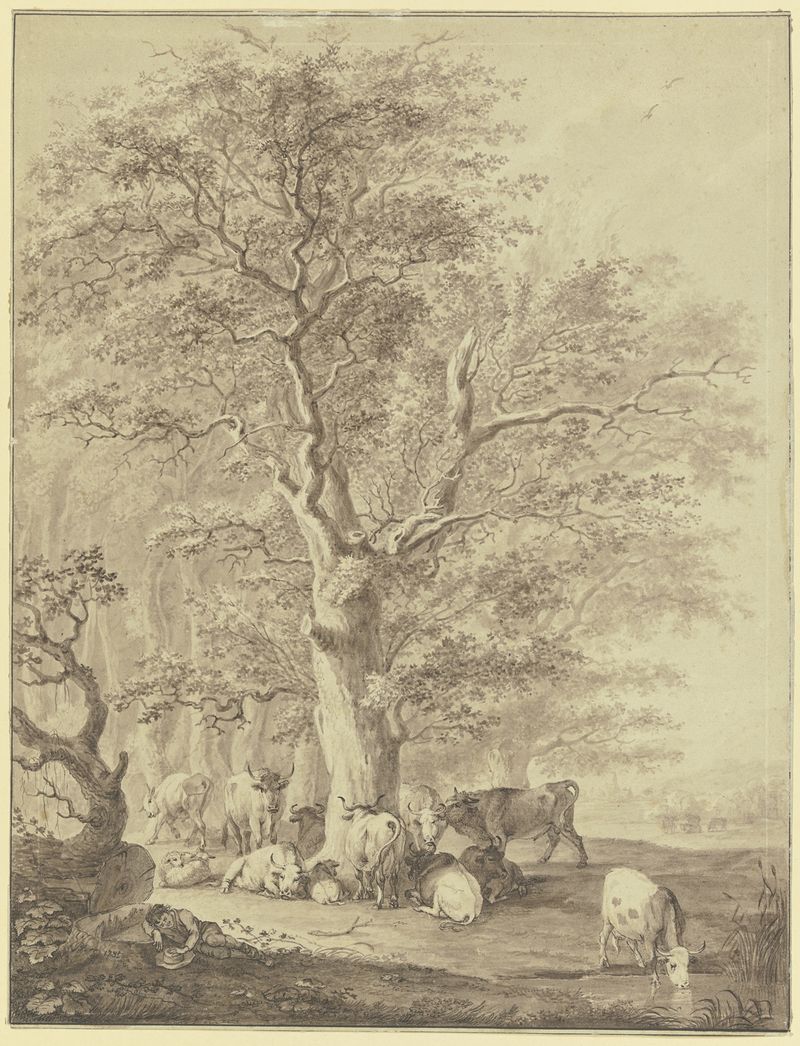
Rinderherde mit zwei Schafen und dem Hirten unter einer Eiche rastend
Johann Georg Pforr
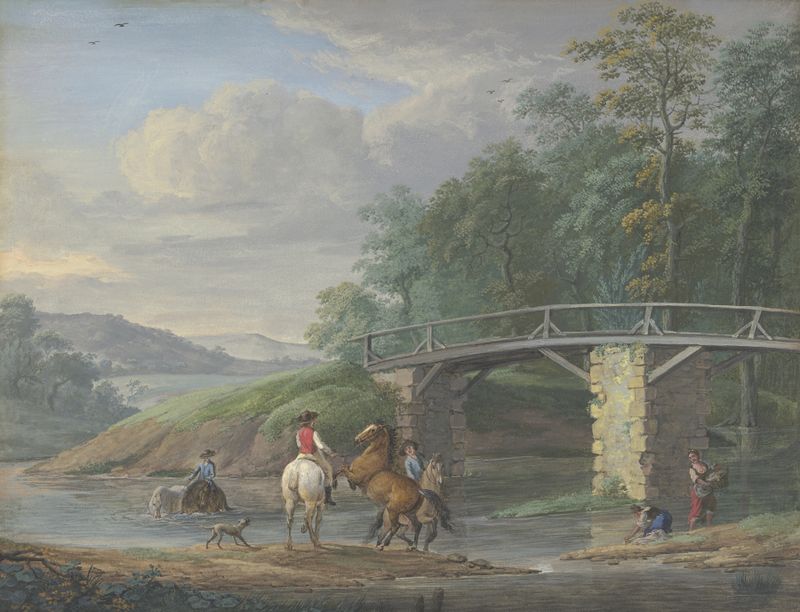
Pferde in der Schwemme bei einer Brücke, rechts zwei Wäscherinnen
Johann Georg Pforr

Viehherde mit zwei Hirten, bei einer Steinbrücke durch das Wasser schwimmend
Johann Georg Pforr
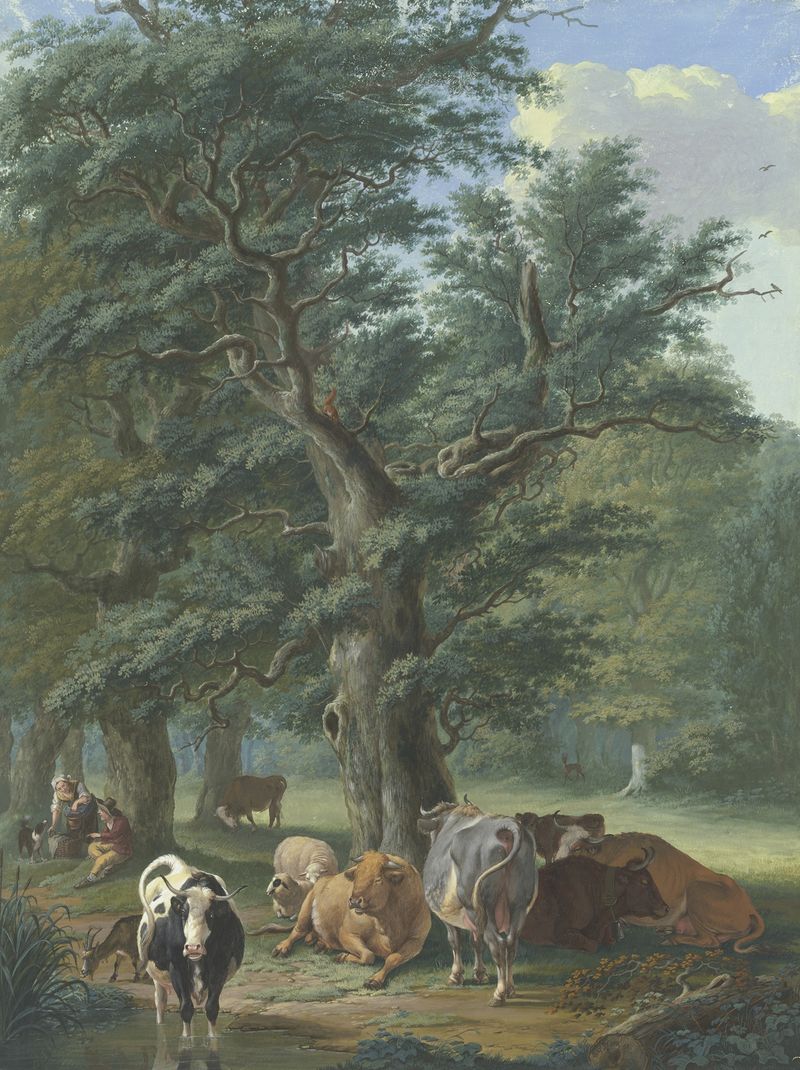
Unter einen großen Eiche ruht Vieh, in der Ferne ein Reh, links bringt eine Frau dem Hirten das Essen
Johann Georg Pforr





