
Pferde in der Schwemme bei einer Brücke, rechts zwei Wäscherinnen — History & Facts
Could a single brushstroke hold eternity? In Pferde in der Schwemme bei einer Brücke, rechts zwei Wäscherinnen, the delicate interplay of water and human activity suggests a world teetering on the brink of chaos and beauty, inviting viewers to explore the madness beneath the surface. Look to the right at the two washerwomen, their figures poised in motion, while the horses wade through shimmering water. Notice how the light dances across the scene, illuminating their labor against the muted tones of the nearby bridge. The careful placement of colors creates a harmonious balance, where the vibrant blues and greens of nature contrast with the earthy browns of the women’s clothing.
This composition, rich in texture, pulls the eye toward the unity of the figures and their environment, embodying a fleeting moment of life. Yet, beneath this tranquil surface lies a tension between the wildness of the water and the domesticity of the women’s toil. The flowing currents hint at the unpredictable nature of existence, while the steadfast bridge symbolizes the human need for connection and stability. The juxtaposition of the serene horses with the busy washerwomen captures the duality of life — the chaos of nature and the mundane repetition of daily chores, revealing a deeper commentary on how we navigate our own madness within the confines of routine. Created during a time when the artist lived in Germany, presumably in the late 18th or early 19th century, this piece reflects Pforr's engagement with Romantic ideals.
Although the exact date is unclear, he was influenced by the growing interest in nature and emotions, exploring themes that would resonate throughout the art world. His intimate connection to the landscape and the human experience is evident in this work, offering a window into his perspective as both an observer and participant in the world around him.
More Artworks by Johann Georg Pforr
Browse all →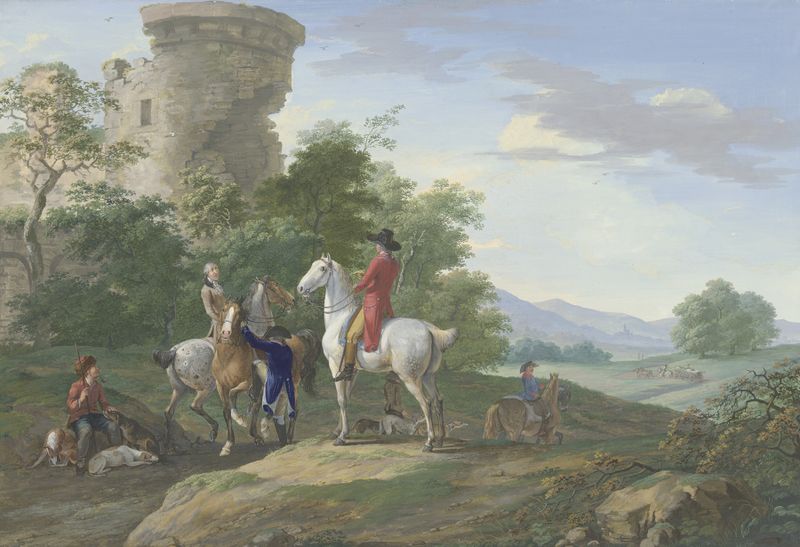
Jäger mit Pferden und Jagdhunden machen bei einer Ruine halt
Johann Georg Pforr
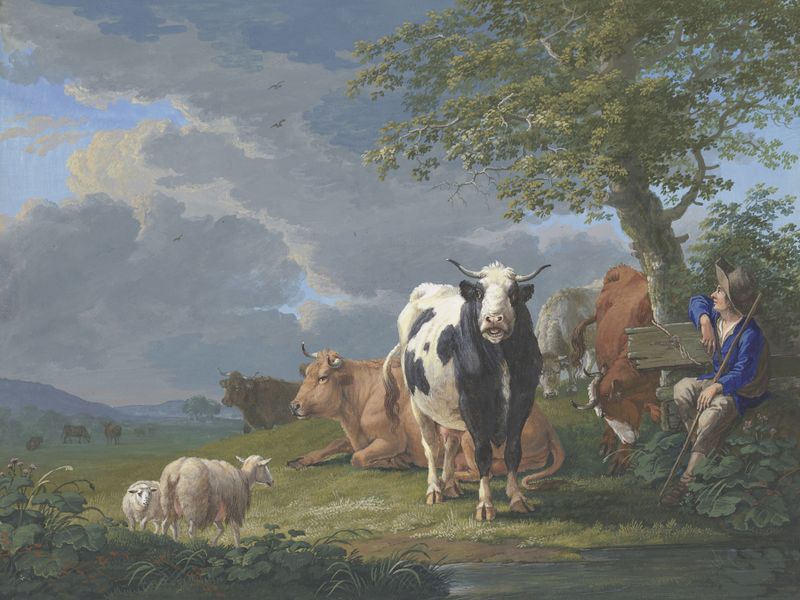
Hirte unter einem Baum mit seiner Rinderherde und zwei Schafen
Johann Georg Pforr
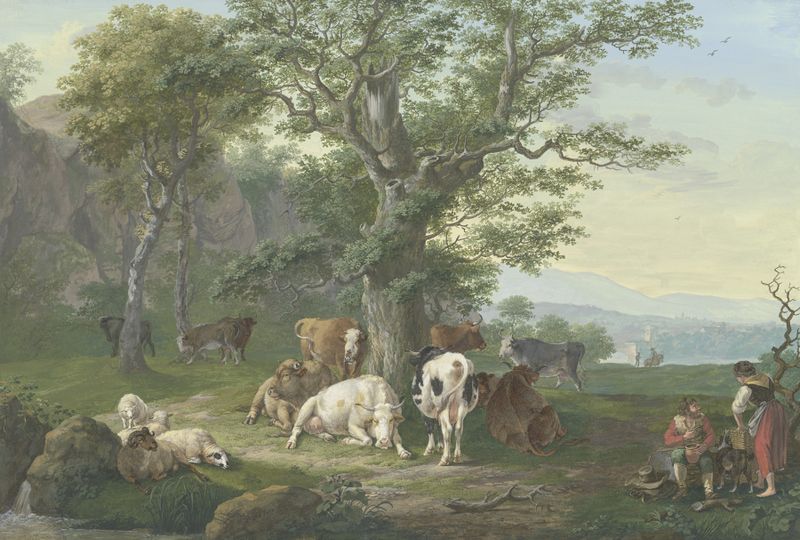
Lagernde Herde unter einer Eiche, rechts Hirte und Hirtin bei der Mahlzeit und Ausblick in die Ferne
Johann Georg Pforr
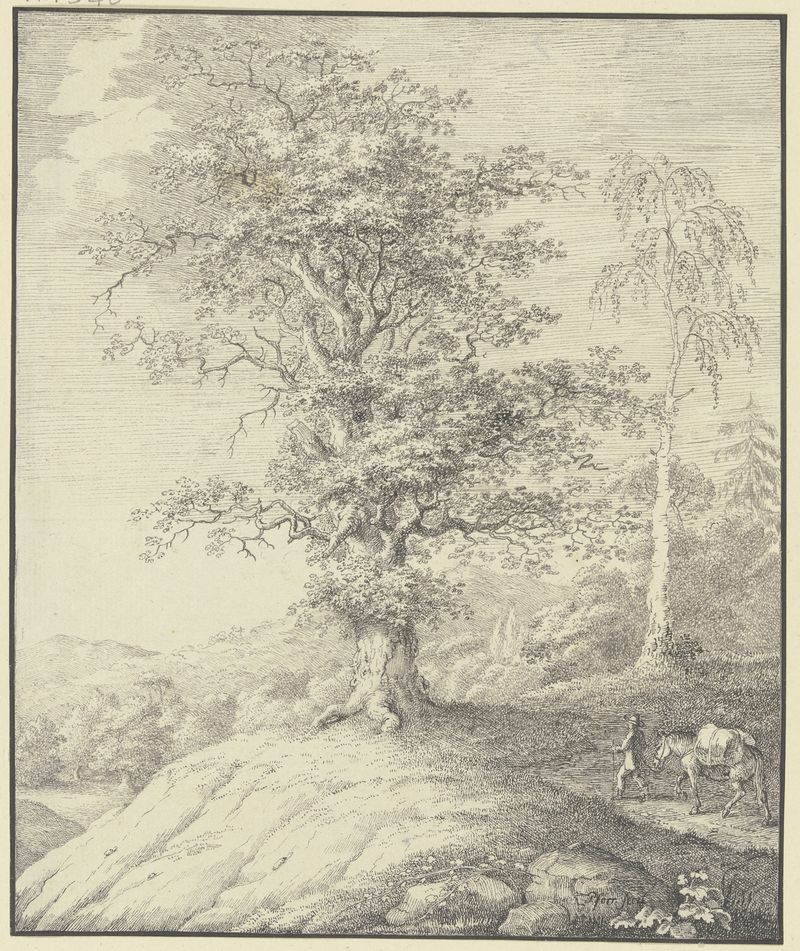
Eichbaum und Birke auf einer Anhöhe, von rechts führt ein Mann ein bepacktes Pferd herbei
Johann Georg Pforr
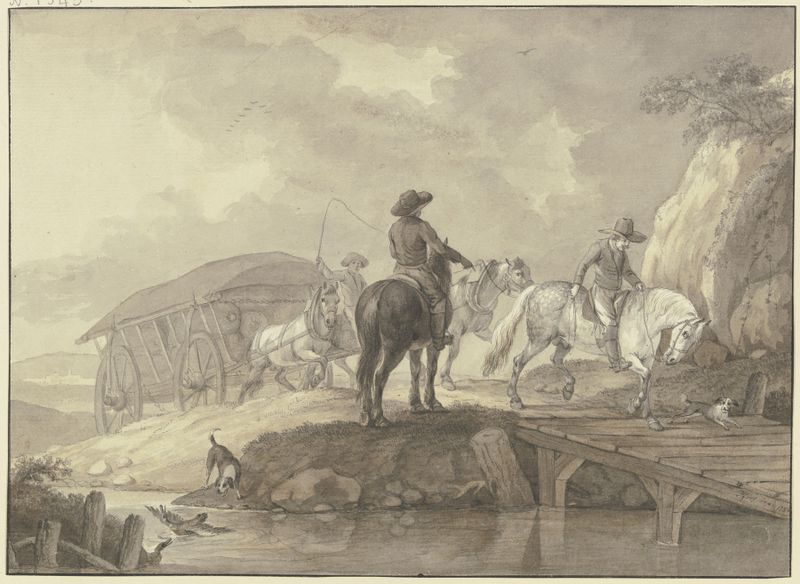
Ein mit Säcken beladener Lastwagen, begleitet von zwei Reitern und zwei Hunden, fährt über eine Brücke
Johann Georg Pforr
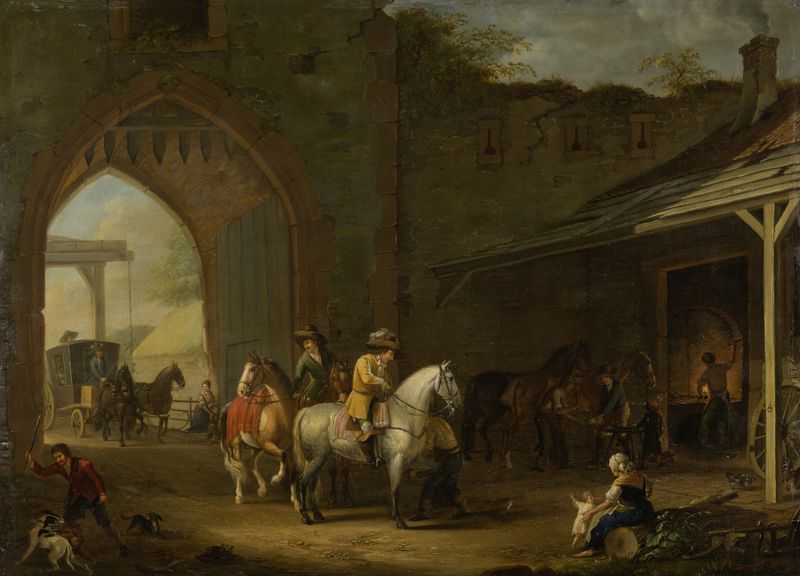
Horsemen at the Blacksmith’s
Johann Georg Pforr
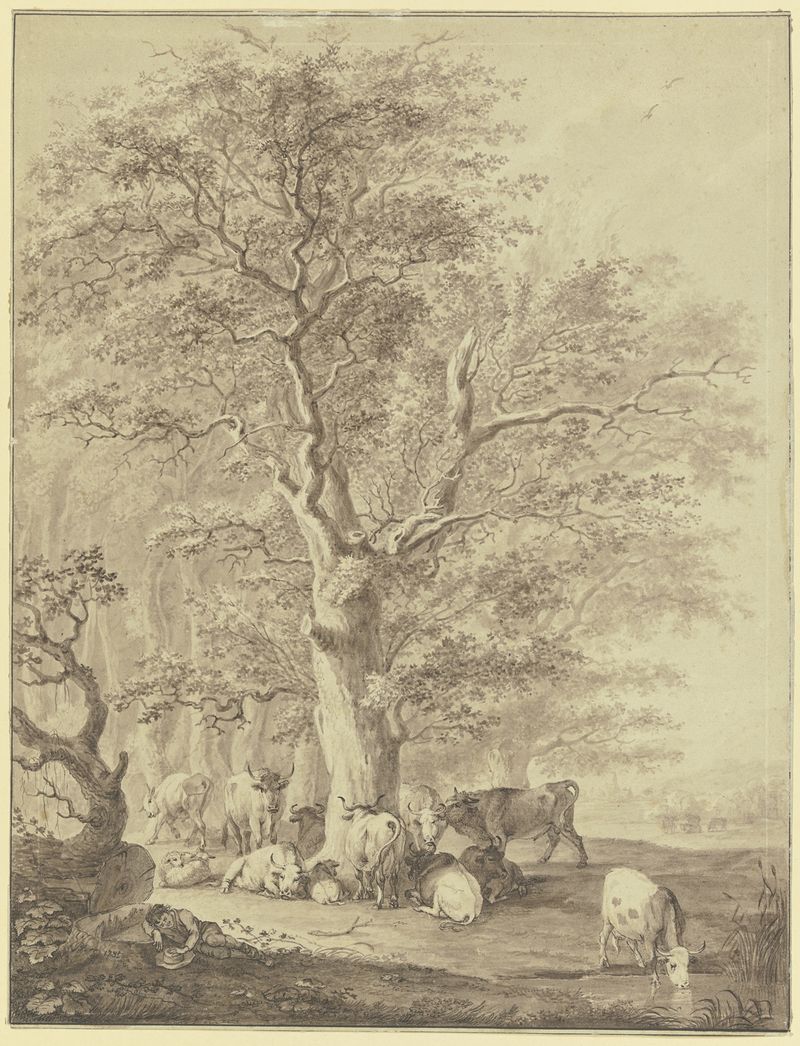
Rinderherde mit zwei Schafen und dem Hirten unter einer Eiche rastend
Johann Georg Pforr

Mondscheinlandschaft an einem Fluß, Hirte und Hirtin treiben das Vieh zum Hof
Johann Georg Pforr

Viehherde mit zwei Hirten, bei einer Steinbrücke durch das Wasser schwimmend
Johann Georg Pforr
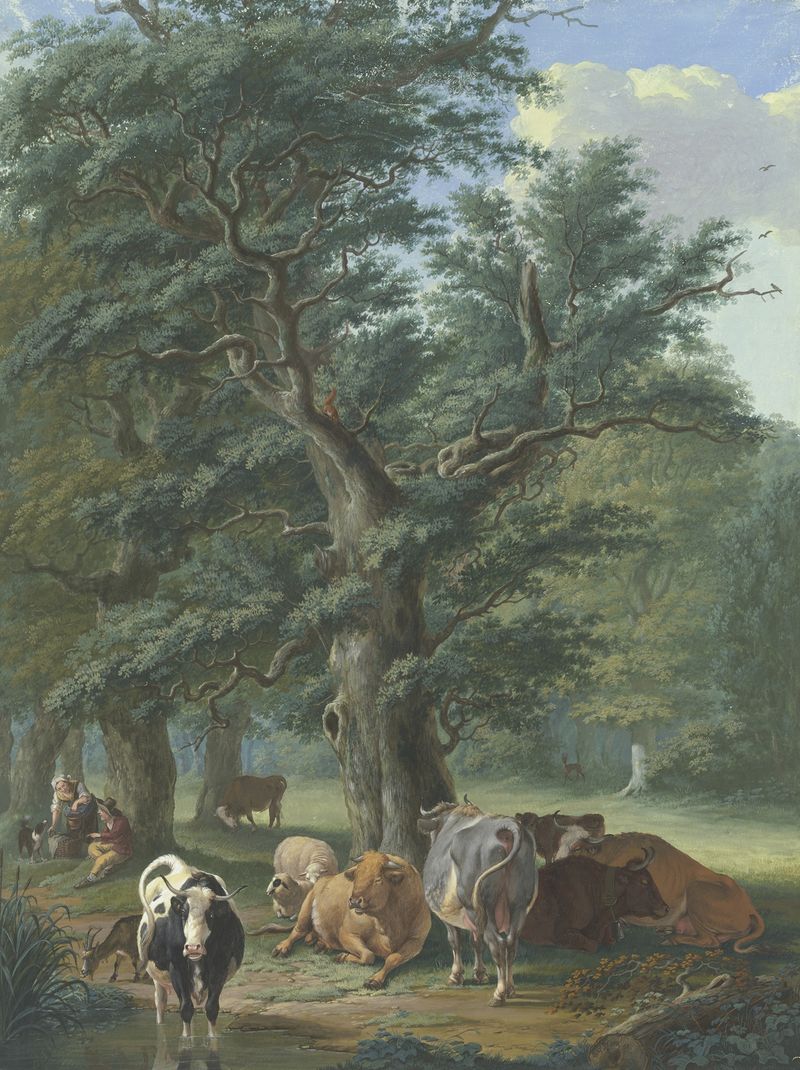
Unter einen großen Eiche ruht Vieh, in der Ferne ein Reh, links bringt eine Frau dem Hirten das Essen
Johann Georg Pforr





