
Monogram van Christus — History & Facts
Did the painter know this moment would outlive them? In a world where every breath is fleeting, Albrecht Dürer’s artistry captures the essence of mortality and the divine, echoing the human struggle against time. Look closely at the center of the piece, where the intricate monogram emerges with a commanding presence, interwoven with delicate lines and meticulous detail. Notice how the bold strokes contrast against the soft hues that envelop the surrounding elements, creating a tension between permanence and ephemerality. The careful balance of light and shadow draws the eye, inviting a contemplative gaze that lingers on the nuances of Dürer’s skillful composition. As you explore the artwork further, consider the interplay of symbols that reflect deeper philosophical questions.
The monogram itself signifies the unification of the earthly and the spiritual, a reminder of the eternal amidst the inevitable decay of life. Each flourish of the brush hints at the artist’s meditation on existence, urging viewers to confront their own mortality. The juxtaposition of the ornate and the simple reinforces a poignant realization: beauty is often transient, yet its impact can resonate through time. In 1520, Dürer was entrenched in a prolific period of his life, navigating the cultural currents of the Northern Renaissance.
Creating this piece in Nuremberg, he was influenced by his studies of classical texts and landscapes, seeking to bridge human experience with divine inspiration. This work encapsulates a moment of introspection, both personal and universal, as he grappled with the advancing years and the legacy he wished to leave behind.
More Artworks by Albrecht Dürer
Browse all →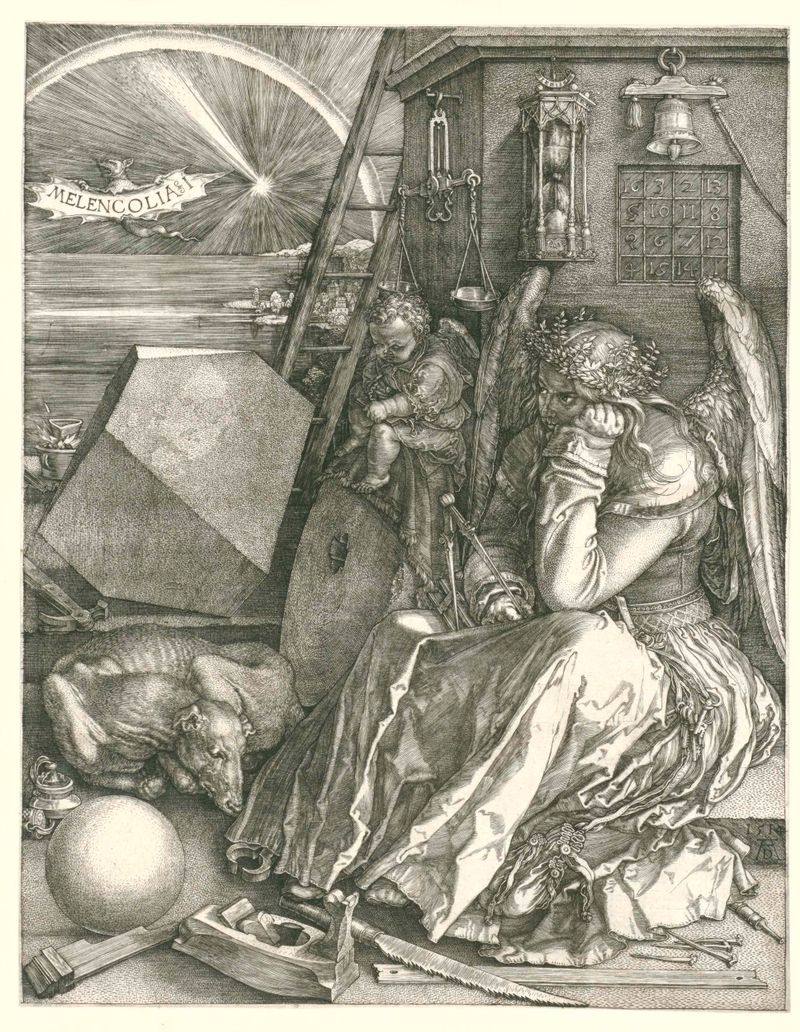
Melancholia
Albrecht Dürer
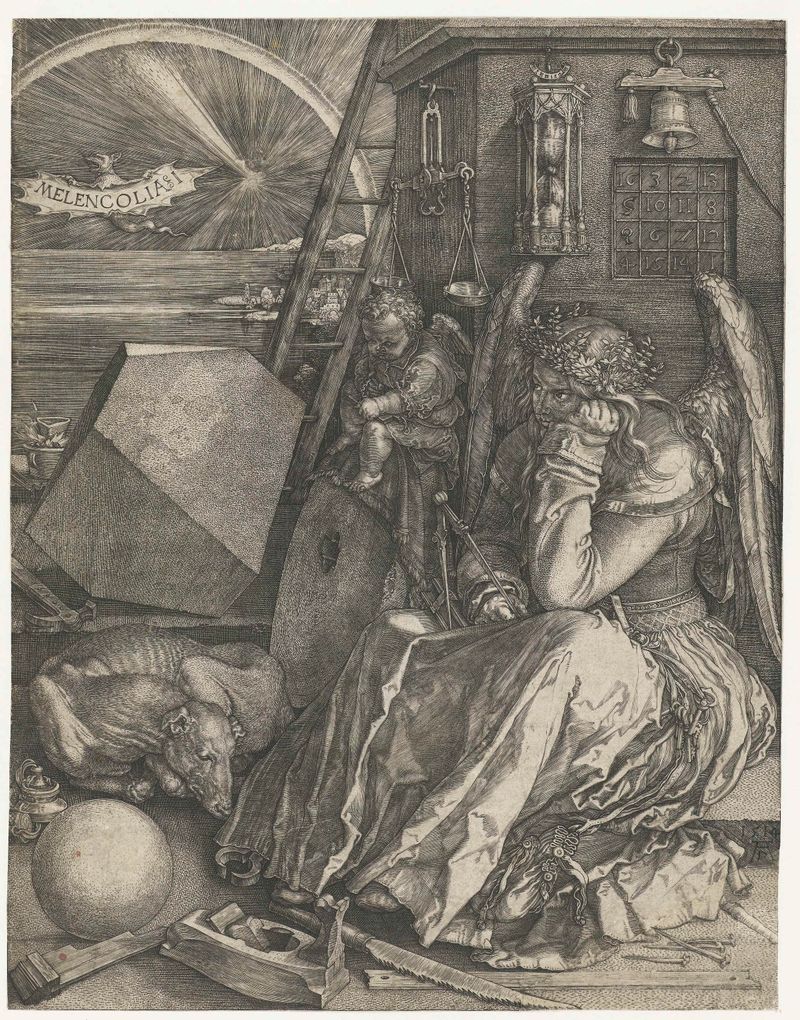
Melancholie
Albrecht Dürer
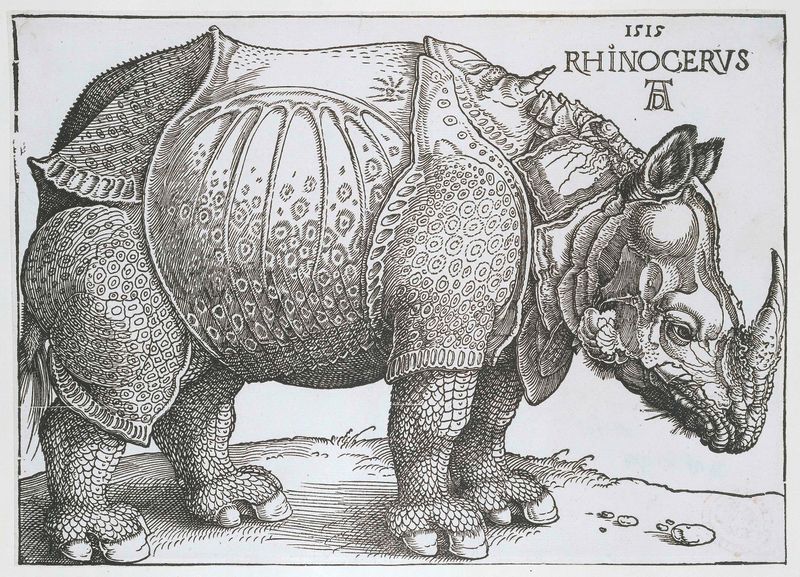
Neushoorn
Albrecht Dürer
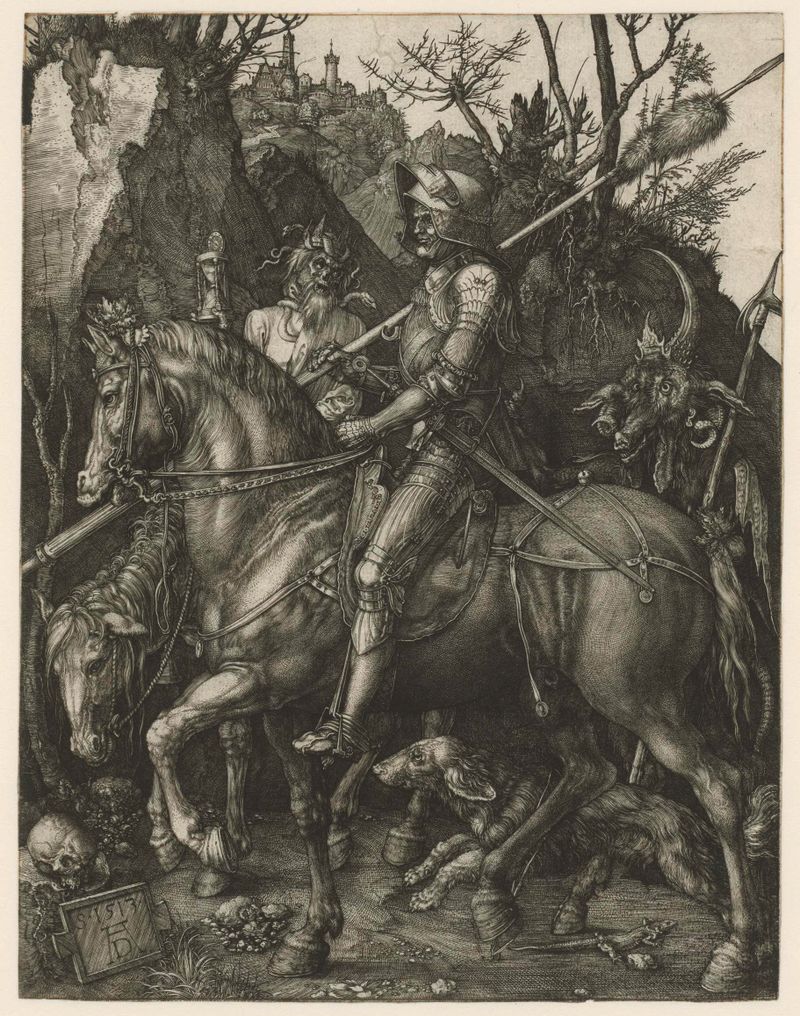
Knight, Death, and the Devil
Albrecht Dürer

De vier ruiters van de apocalyps
Albrecht Dürer

De vier ruiters van de apocalyps
Albrecht Dürer
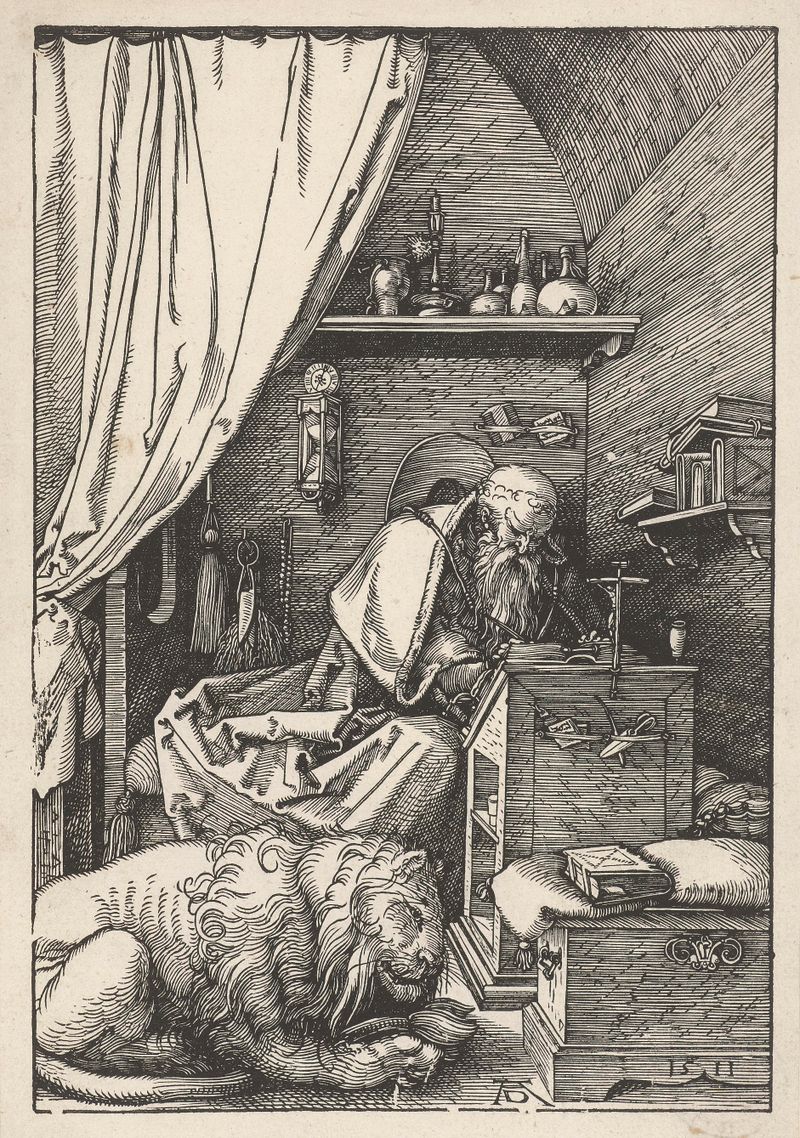
De Heilige Hiëronymus in zijn studeervertrek
Albrecht Dürer
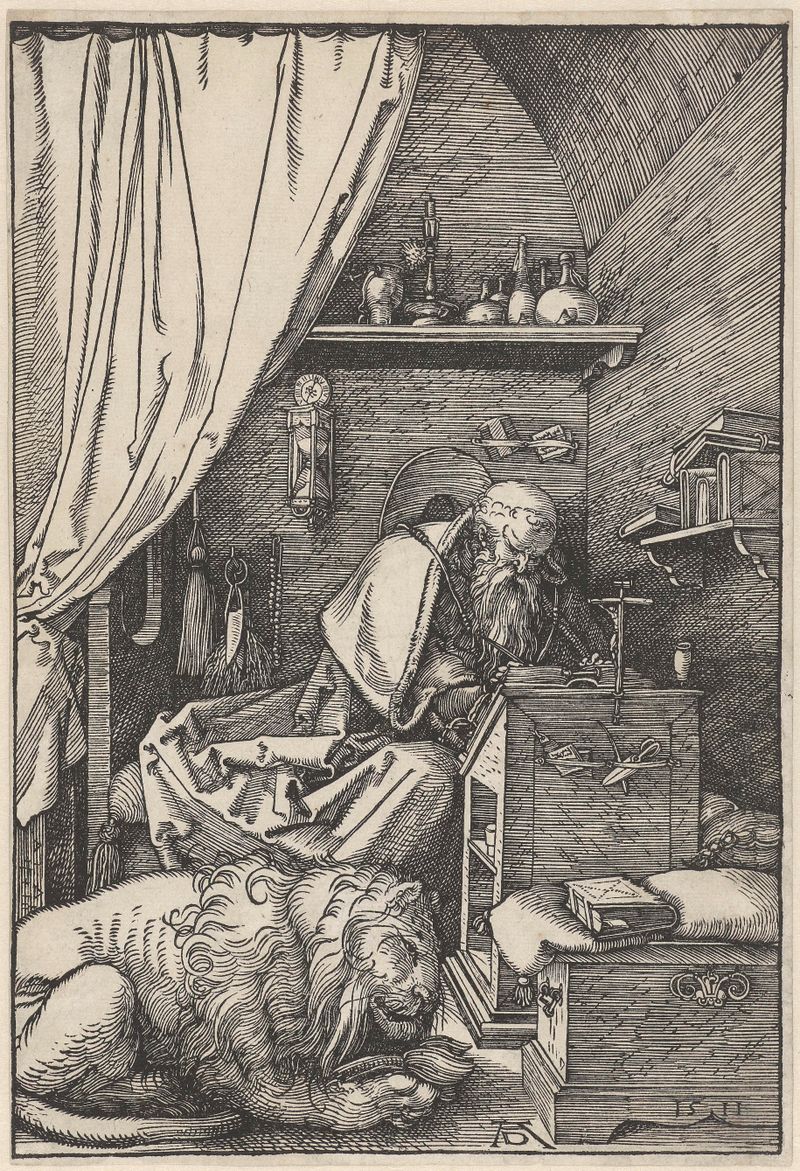
De Heilige Hiëronymus in zijn studeervertrek
Albrecht Dürer
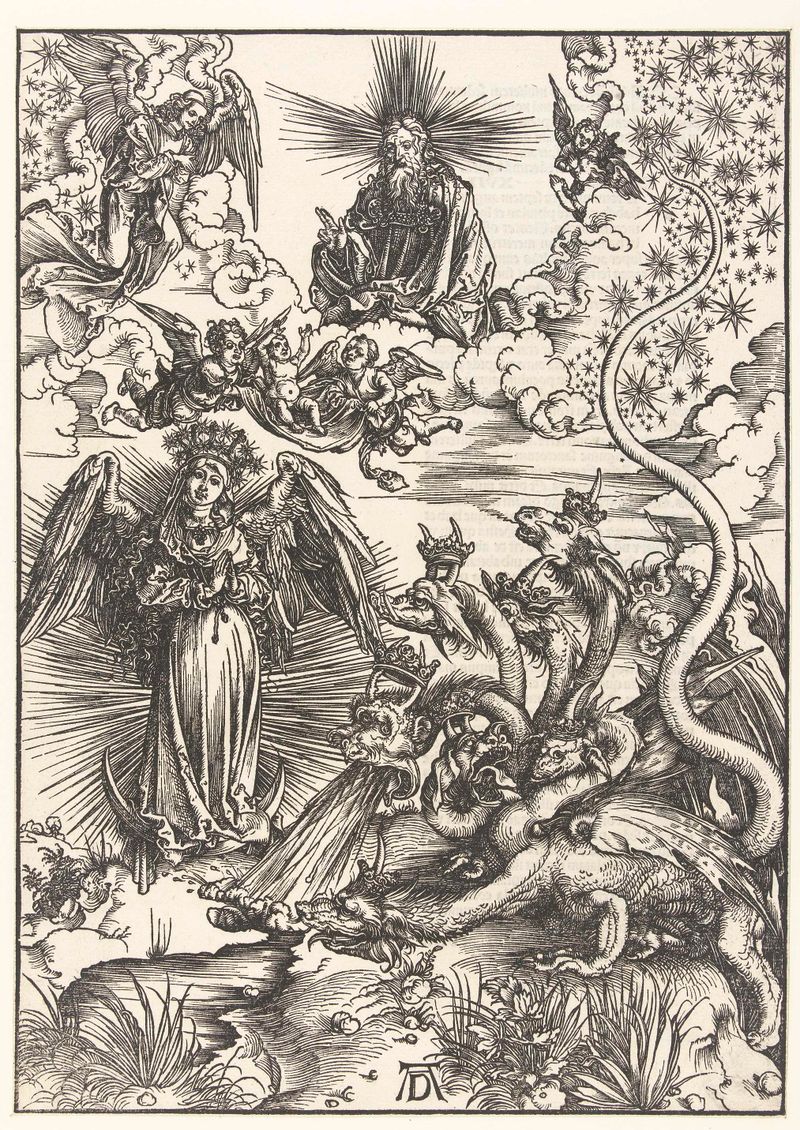
De apocalyptische vrouw en de zevenkoppige draak
Albrecht Dürer
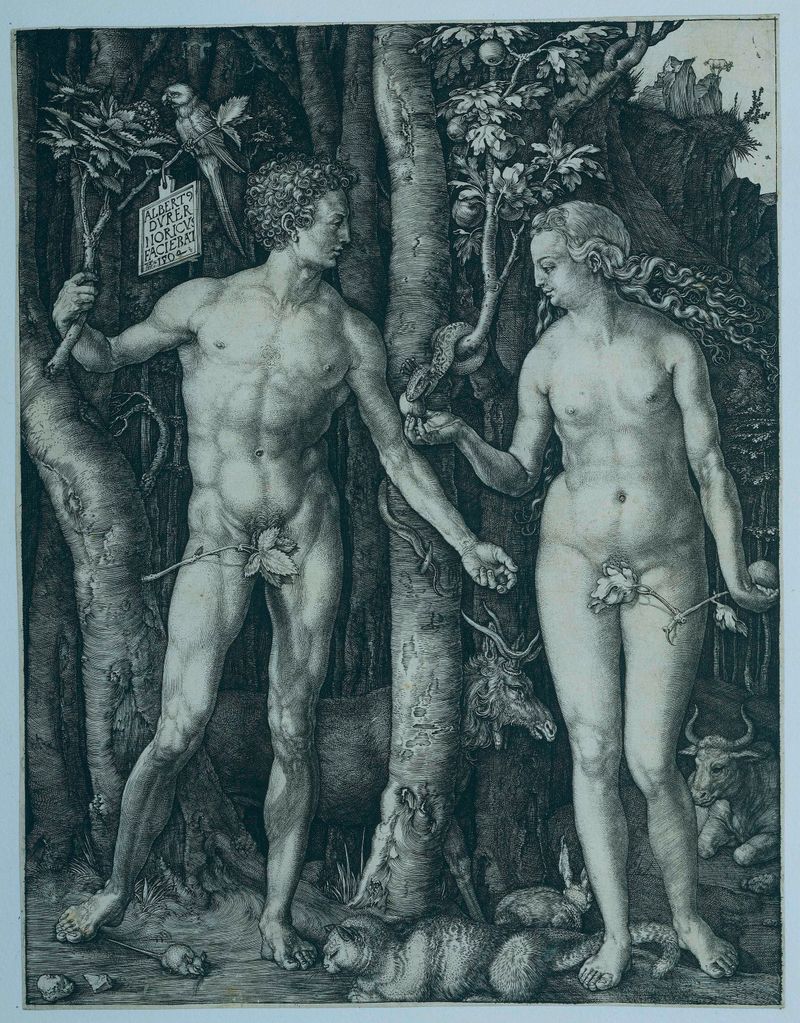
Adam en Eva
Albrecht Dürer
More Religious Art
Browse all →
The Return of the Prodigal Son
Rembrandt van Rijn

The Garden of Earthly Delights
El Bosco

Count Orgaz’ funeral
El Greco

The Hundred Guilder Print: the central piece with Christ preaching, the plate arched
Rembrandt van Rijn

The Descent from the Cross
Rogier van der Weyden

The return of the prodigal son
Rembrandt van Rijn