Month cup of the ninth month with a chrysanthemum and a poem — History & Facts
When did color learn to lie? This question lingers in the air, inviting us to explore the delicate interplay of truth and illusion in art. Look closely at the intricate detail of the chrysanthemum, a flower rendered with such precision that it seems to pulse with life. Notice how the vibrant hues of gold and crimson contrast with the muted earth tones of the cup, echoing a mood that balances between celebration and contemplation. The composition is masterfully arranged, with the poem inscribed in a graceful arch, guiding the viewer's gaze and inviting a moment of reflection. Yet, beyond the floral beauty, this artwork speaks of temporal truths.
The chrysanthemum, often associated with the transience of life, suggests a deeper commentary on the seasons of existence, while the cup, a vessel for both sustenance and beauty, embodies the fragility of human experience. The careful brushwork surrounding these elements evokes an emotional tension, as if the artist is urging us to consider what is ephemeral and what endures. Created between 1700 and 1724, this piece emerged from a time rich with artistic exploration in East Asian culture. Anonymity surrounds the artist, yet the traditions and philosophies of the era were steeped in a quest for harmony and enlightenment.
The careful melding of poetry and visual art reflects a broader cultural movement, where each work sought to capture not just the fleeting moments of beauty, but a deeper, resonant truth hidden beneath the surface.
More Artworks by Unknown Artist
Browse all →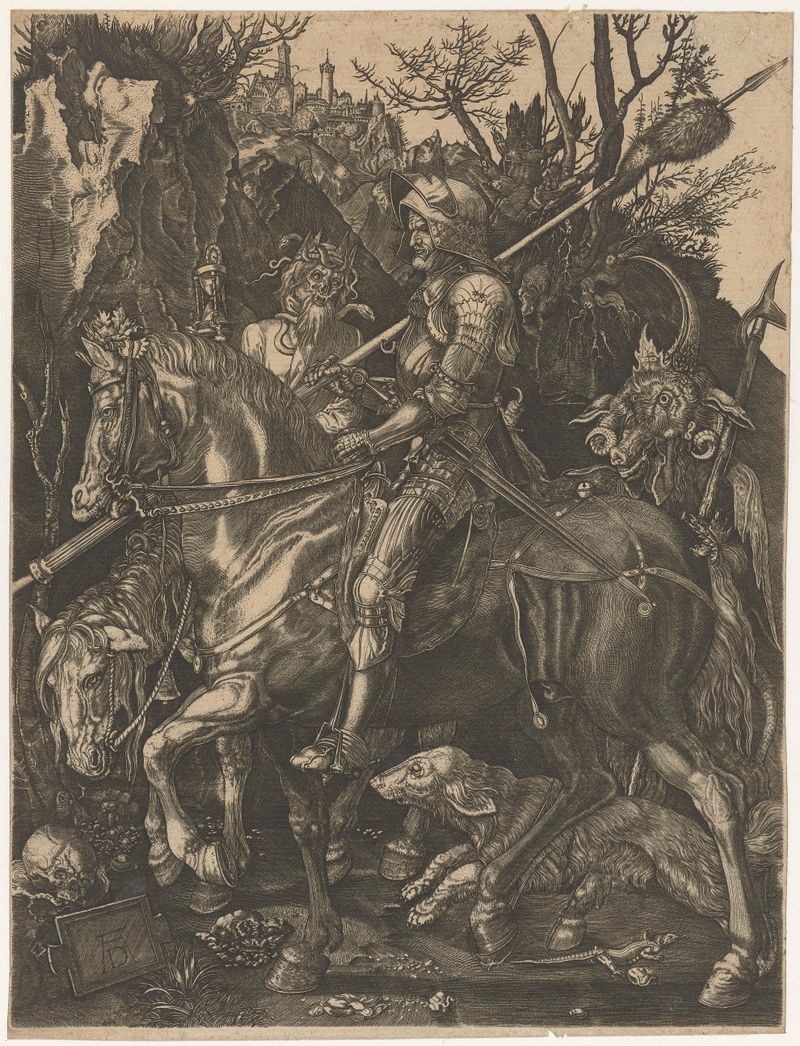
Ridder, Dood en Duivel
Unknown Artist
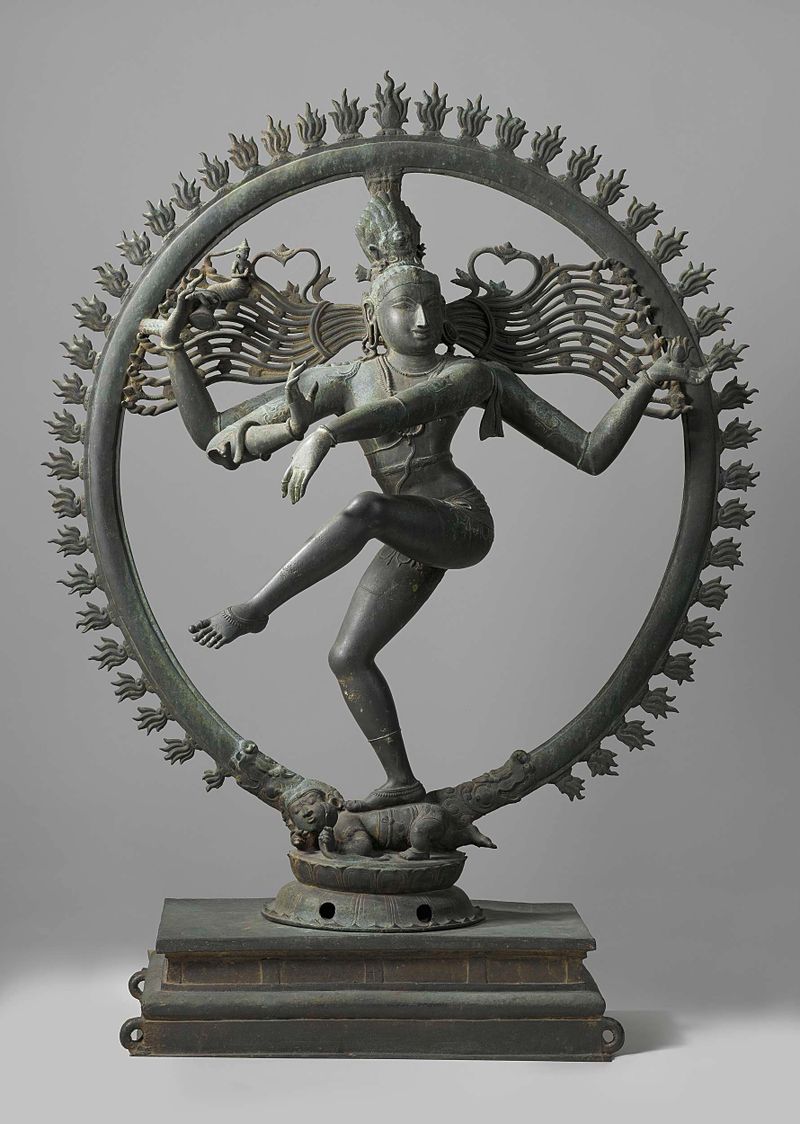
Shiva Nataraja
Unknown Artist
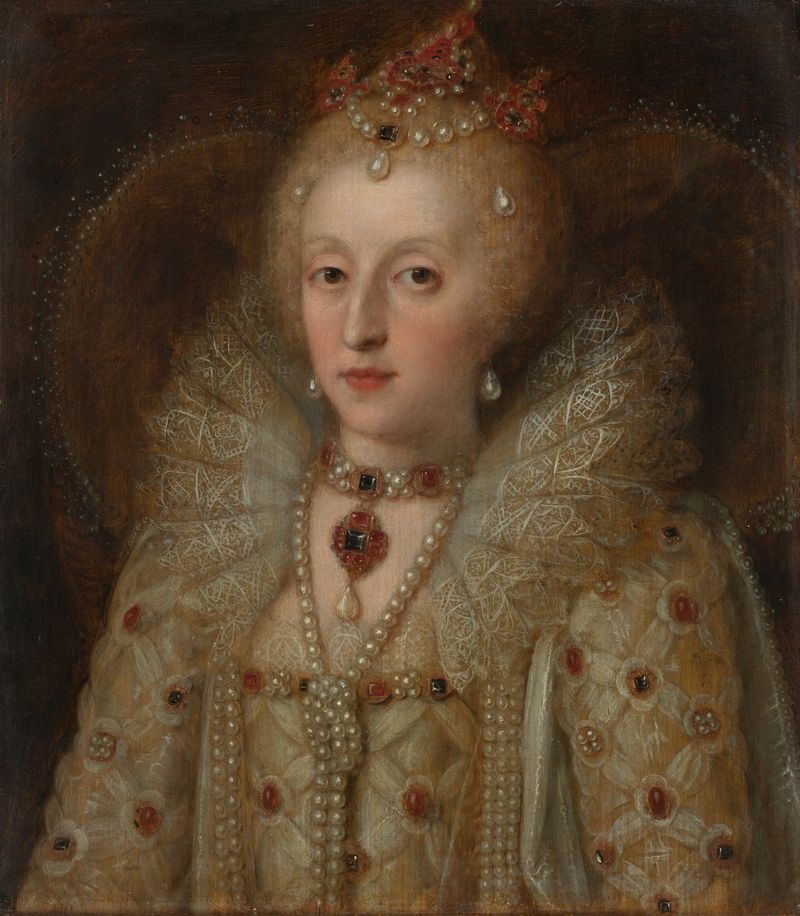
Portrait of Elizabeth I, Queen of England
Unknown Artist
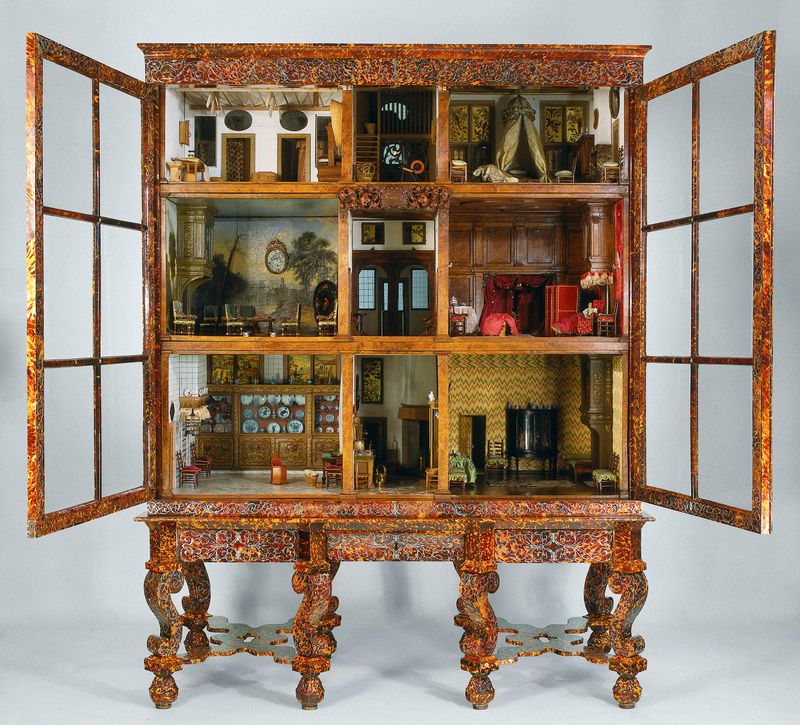
Dolls’ house of Petronella Oortman
Unknown Artist
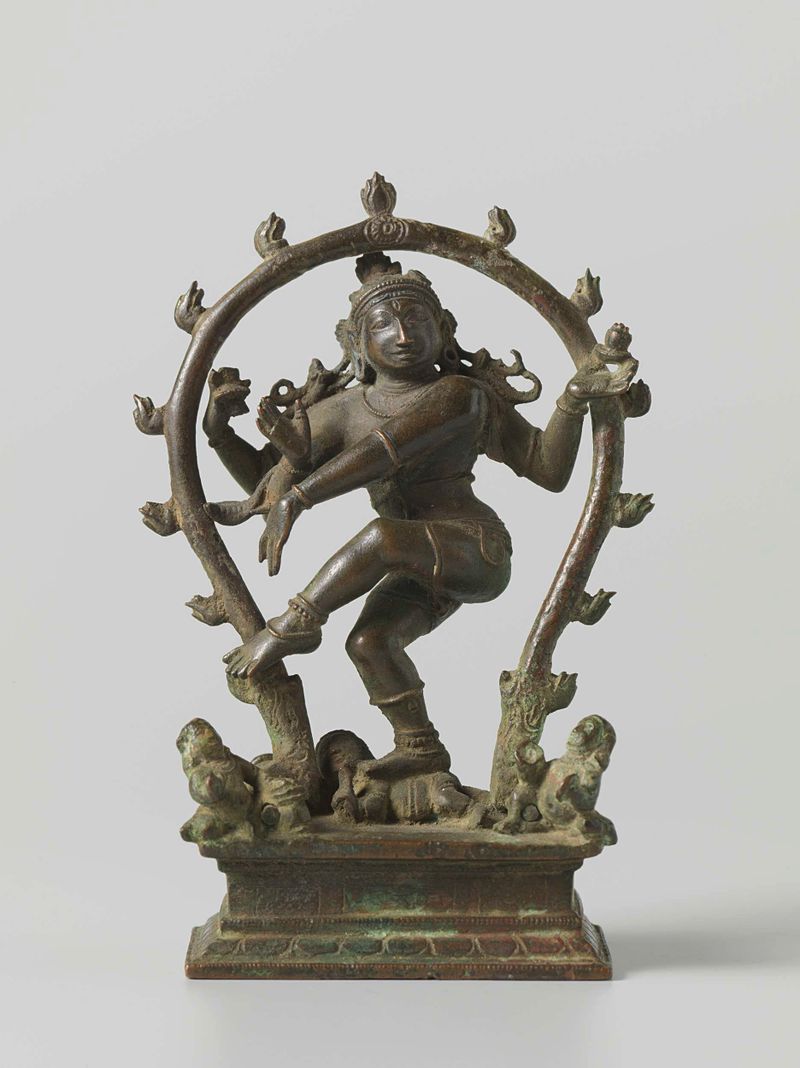
Shiva Nataraja
Unknown Artist

The Tale of Genji
Unknown Artist

The Tale of Genji
Unknown Artist

Cong
Unknown Artist
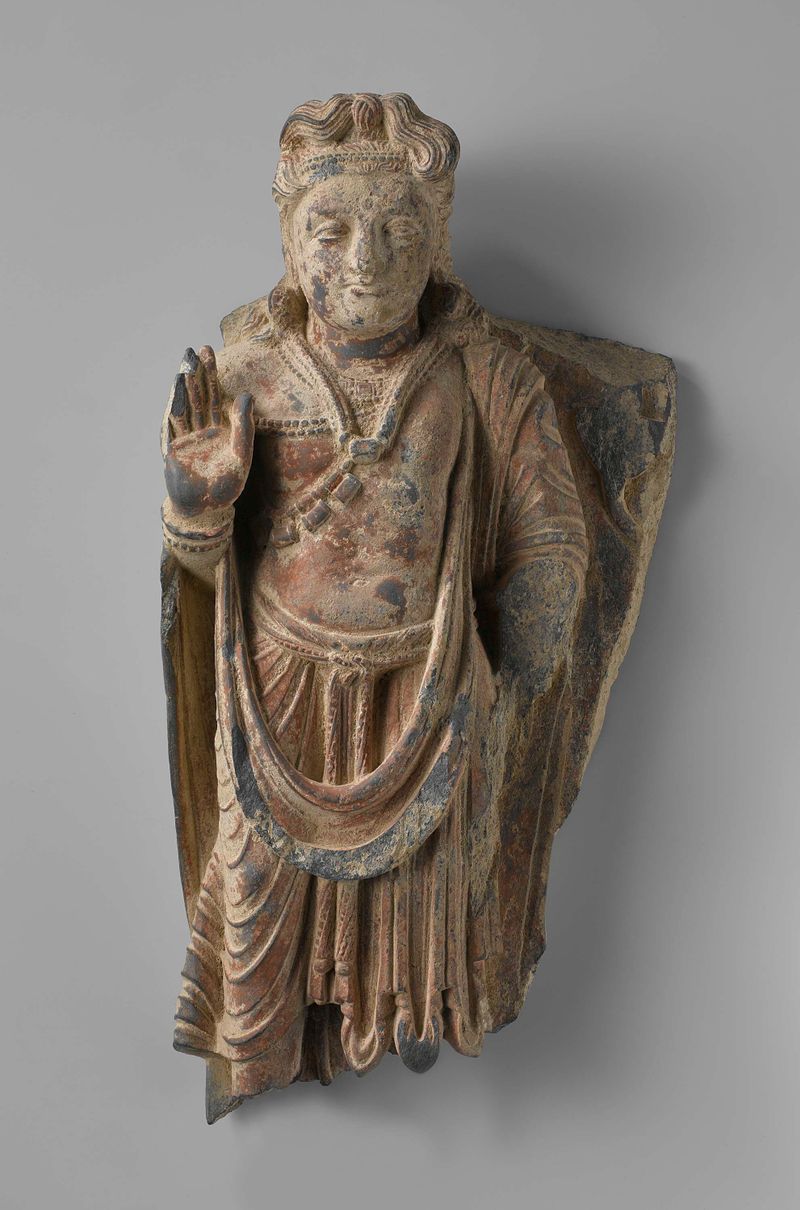
The bodhisattva Maitreya
Unknown Artist

Teabowl with a 'hare's fur' glaze
Unknown Artist