
Montjovet from below St Vincent, looking down the Val d’Aosta towards Berriaz — History & Facts
This sentiment echoes in the heart of every viewer who gazes upon the tranquil yet poignant landscape that unfolds before them. The interplay of light and shadow captures not only a place but also a sense of longing, inviting us to reflect on the past. Look to the center of the canvas, where the soft glow of sunlight illuminates the sprawling valley below, creating a vivid contrast against the deep blues and muted earth tones. The gentle brushstrokes of the foreground lead your eye toward the distant peaks, inviting exploration of the mysterious landscape.
As the viewer’s gaze ascends the rugged mountains, the subtle gradations in color evoke a sense of time passing, while the wispy clouds linger above, hinting at a fleeting moment suspended in nature. Turner infuses this scene with nostalgia, as the sunlight filtering through the clouds represents fleeting memories, illuminating the beauty that often accompanies loss. The serene composition belies the tumult of emotion hiding beneath the surface, suggesting that the grandeur of nature is at once comforting and melancholic. The juxtaposition of the bright valley with the imposing mountains speaks to the duality of experience, where tranquility coexists with the weight of remembrance. In 1836, Joseph Mallord William Turner painted this piece during a pivotal period in his life, a time marked by personal loss and the changing tides of the Romantic movement.
Known for his revolutionary approach to light and color, Turner was deeply engaged with landscapes that conveyed emotional depth. This work reflects not only his mastery in capturing natural beauty but also his contemplations on the impermanence of life, a theme that resonated widely in the artistic dialogue of his era.
More Artworks by Joseph Mallord William Turner
Browse all →
Dort or Dordrecht- The Dort Packet-Boat from Rotterdam Becalmed
Joseph Mallord William Turner
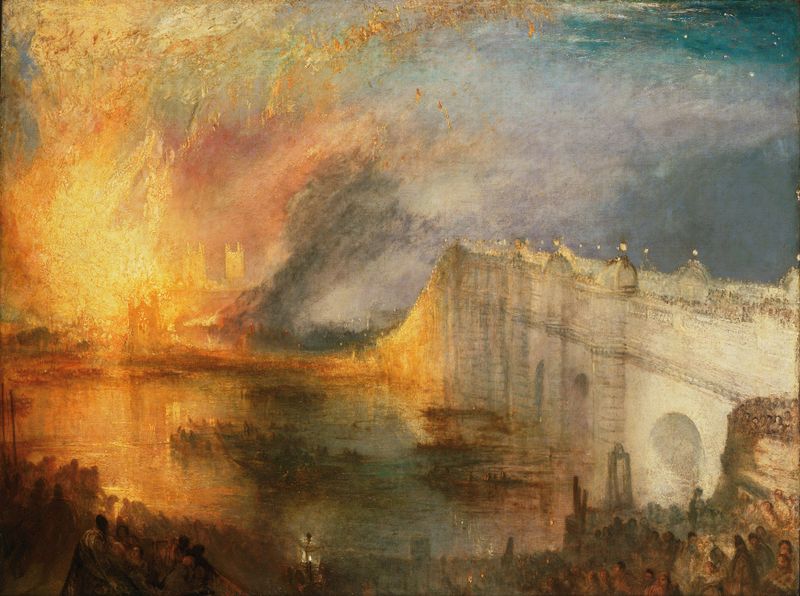
The Burning of the Houses of Lords and Commons, October 16, 1834
Joseph Mallord William Turner
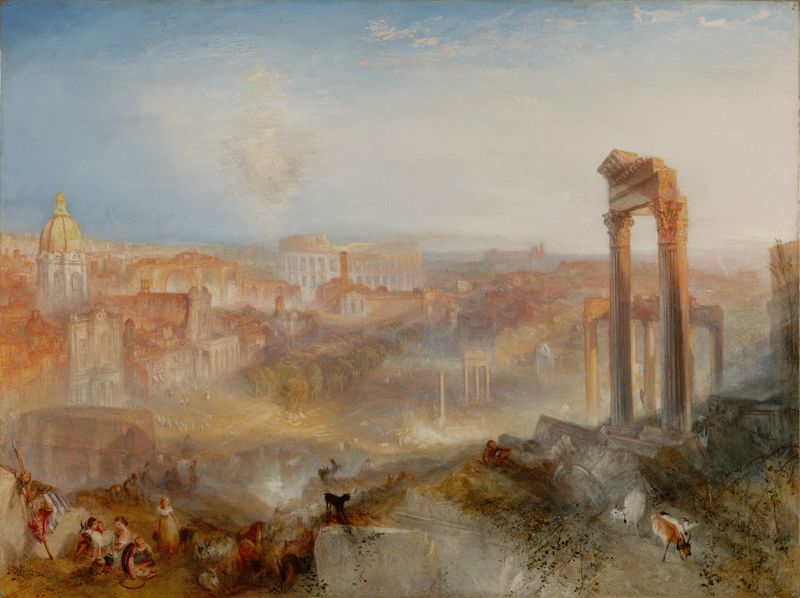
Modern Rome – Campo Vaccino
Joseph Mallord William Turner
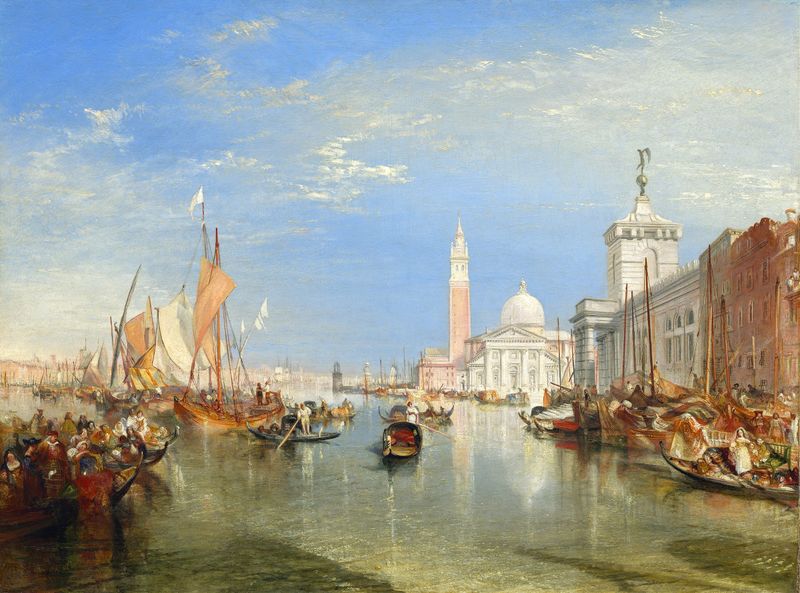
Venice – The Dogana and San Giorgio Maggiore
Joseph Mallord William Turner

The Burning of the Houses of Lords and Commons, 16 October 1834
Joseph Mallord William Turner
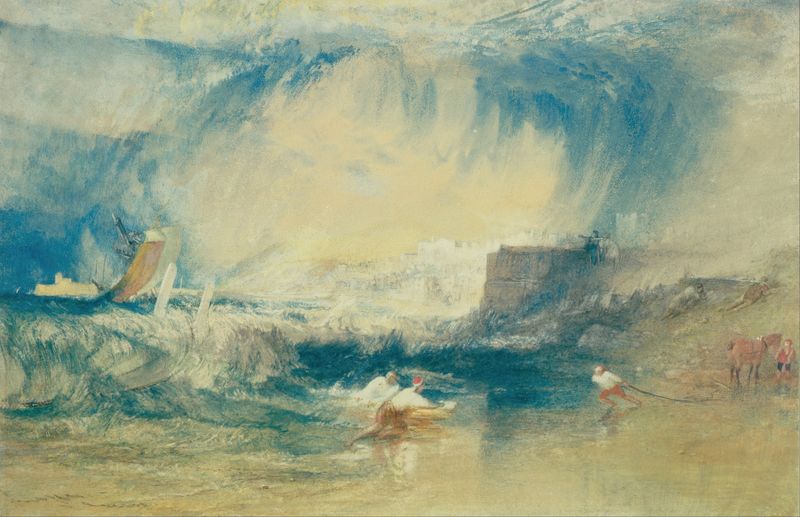
Lyme Regis, Dorsetshire, England
Joseph Mallord William Turner
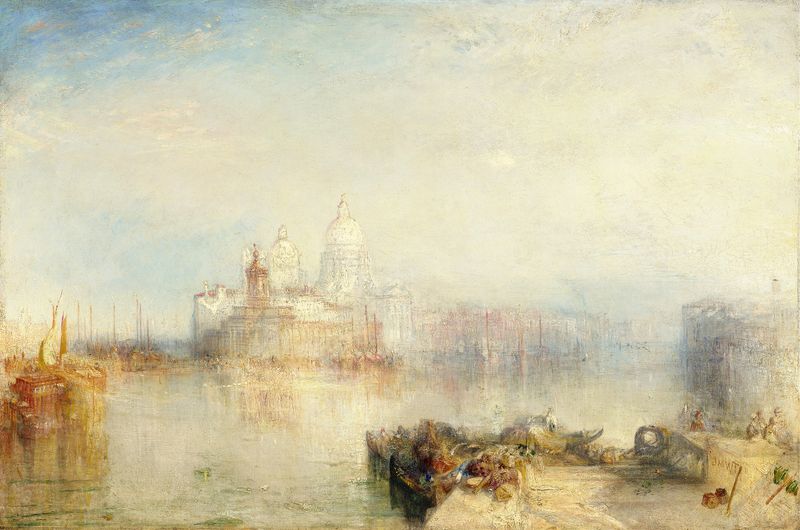
The Dogana and Santa Maria della Salute, Venice
Joseph Mallord William Turner
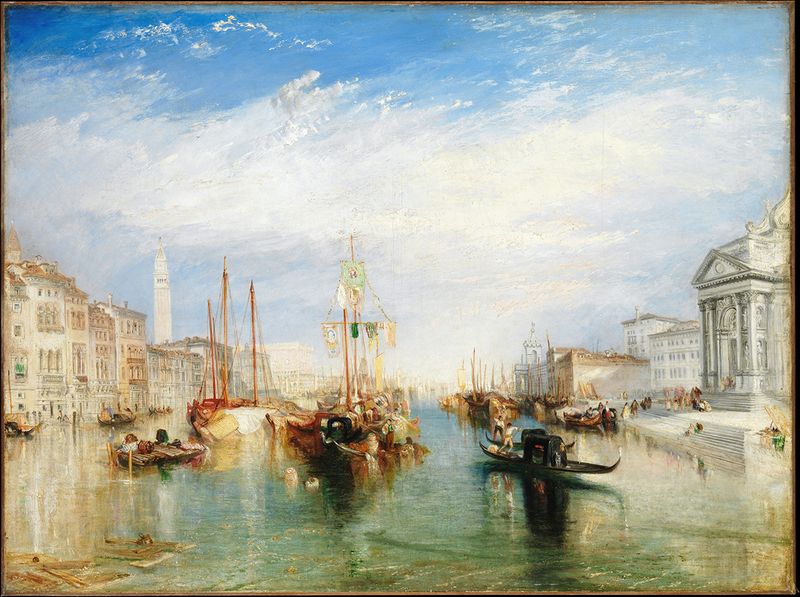
Venice, from the Porch of Madonna della Salute
Joseph Mallord William Turner
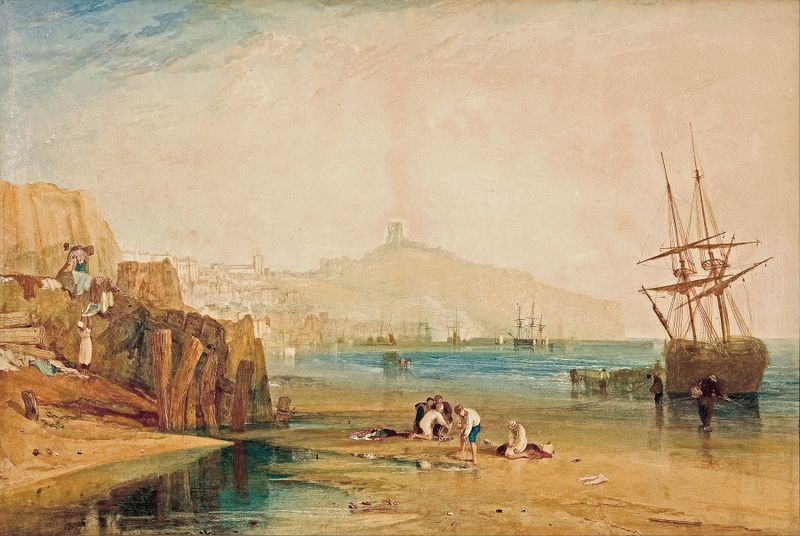
Scarborough town and castle; morning; boys catching crabs
Joseph Mallord William Turner
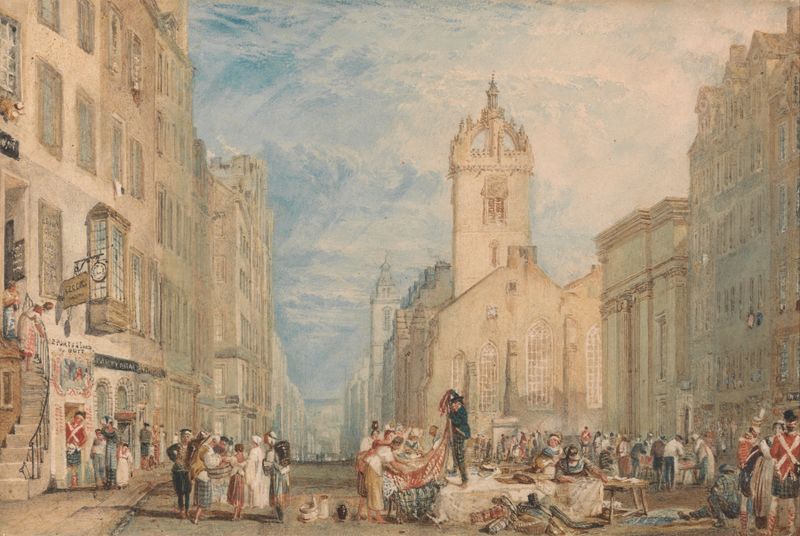
High Street, Edinburgh
Joseph Mallord William Turner





