
Montmartre, mur et moulin — History & Facts
In the heart of Montmartre, the vibrant yet melancholic spirit of Paris reverberates in every brushstroke, capturing an emptiness that speaks volumes beneath the surface. Look to the left, where the dilapidated wall rises with an almost oppressive weight, bathed in soft, hazy light. The muted earth tones of the brick contrast with the golden glow of the windmill standing sentinel, suggesting a delicate balance between decay and vitality. Notice how Corot’s soft, fluid lines embody both a physical landscape and an emotional terrain, inviting viewers to wander through the space between shadow and light. In this composition, the windmill’s presence is both a symbol of hope and a reminder of transient beauty, as if the whirring blades once spun dreams now faded with time.
The empty street, devoid of figures, enhances a palpable sense of solitude, suggesting that beauty often exists in the silence of the uninhabited. It is a poignant commentary on the fleeting nature of life and the layers of emotional depth woven into the fabric of the everyday. During the mid-19th century, Corot created this piece amidst the rise of Impressionism, a movement that sought to capture the ephemeral qualities of light and atmosphere. Working primarily in France, he was influenced by the changing social landscape of Paris, which was marked by rapid urbanization and a burgeoning art scene.
This backdrop of transformation fed into his work, allowing him to explore themes of transience and the quiet beauty of overlooked moments.
More Artworks by Jean-Baptiste-Camille Corot
Browse all →
View of Genoa
Jean-Baptiste-Camille Corot
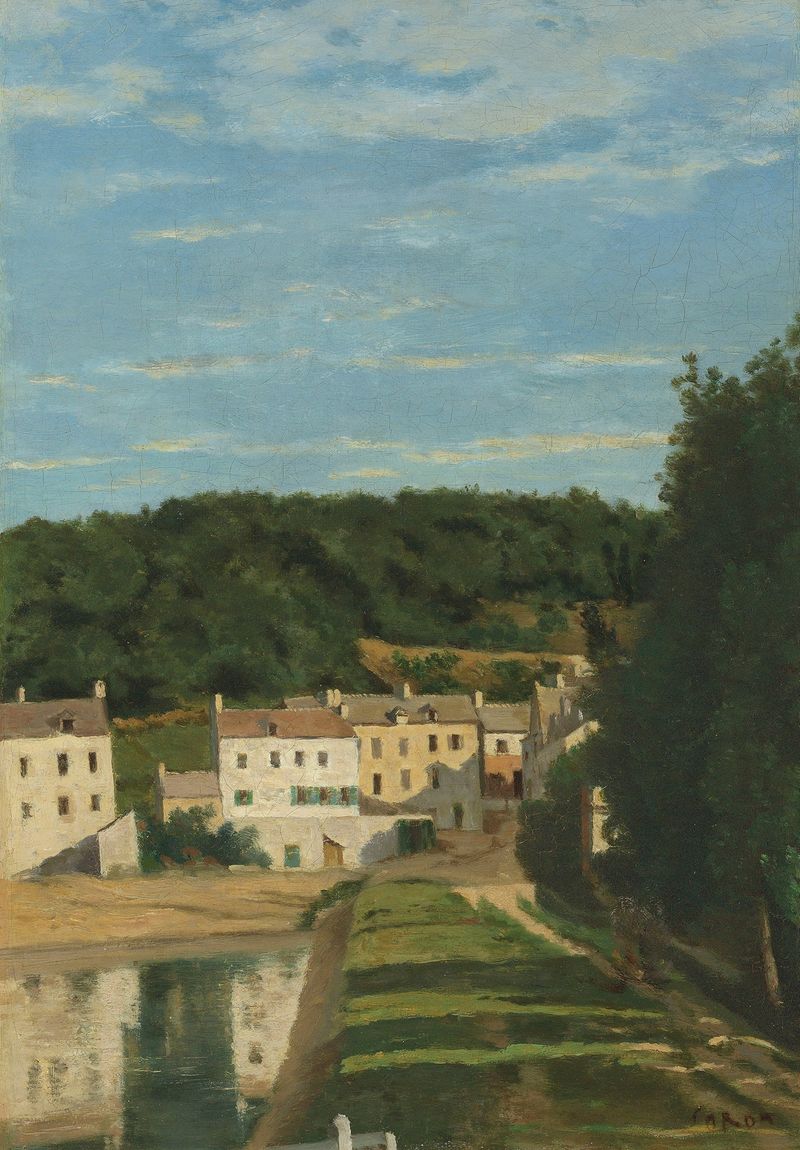
Les Maisons Cabassud À Ville D’avray
Jean-Baptiste-Camille Corot

La solitude. Souvenir de Vigen (Limousin)
Jean-Baptiste-Camille Corot
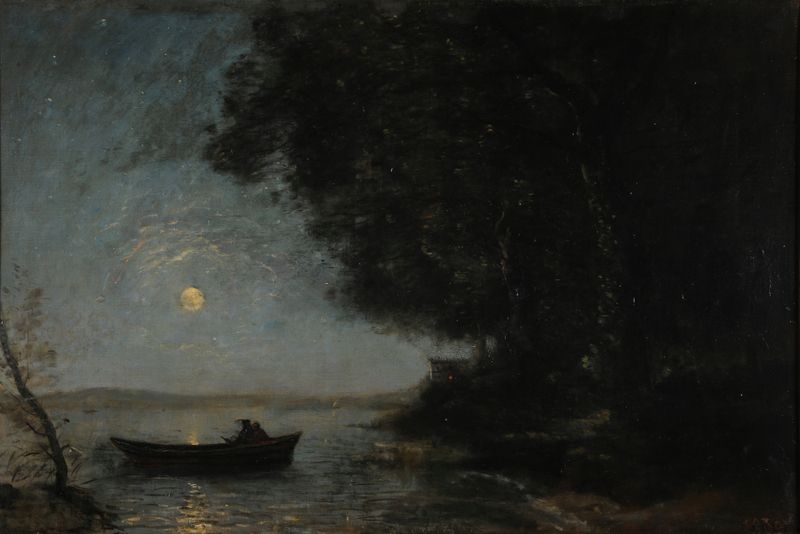
Le lac ; effet de nuit
Jean-Baptiste-Camille Corot
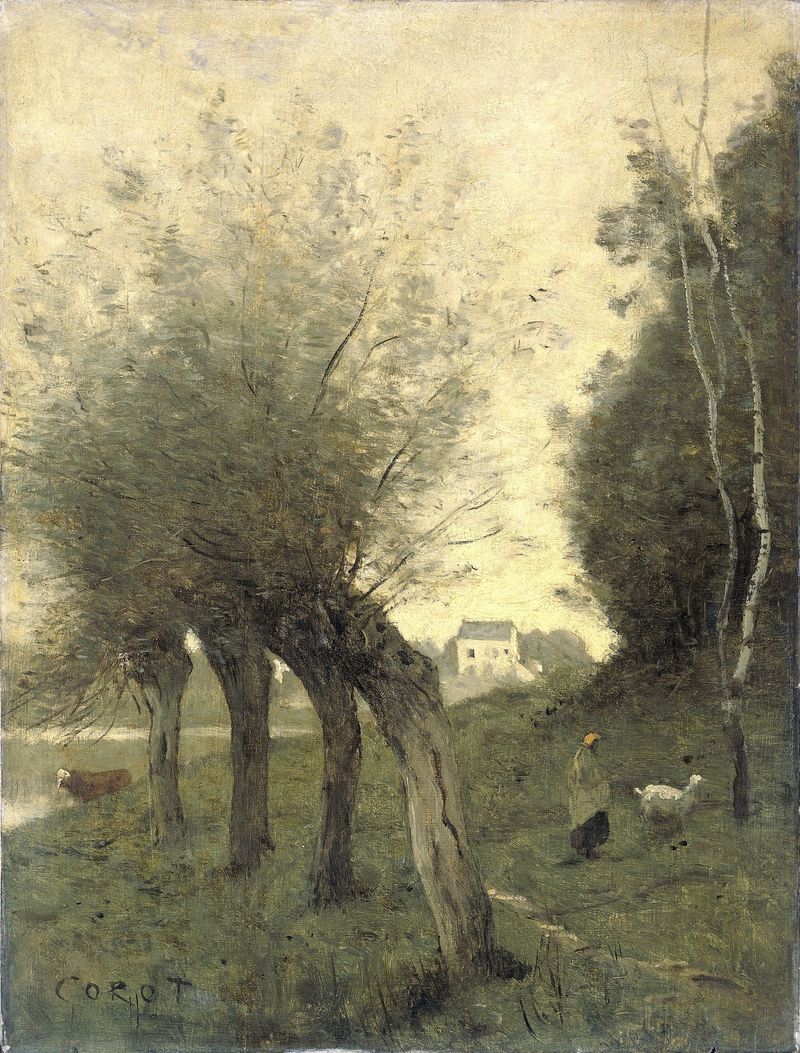
Landscape with Pollard Willows
Jean-Baptiste-Camille Corot
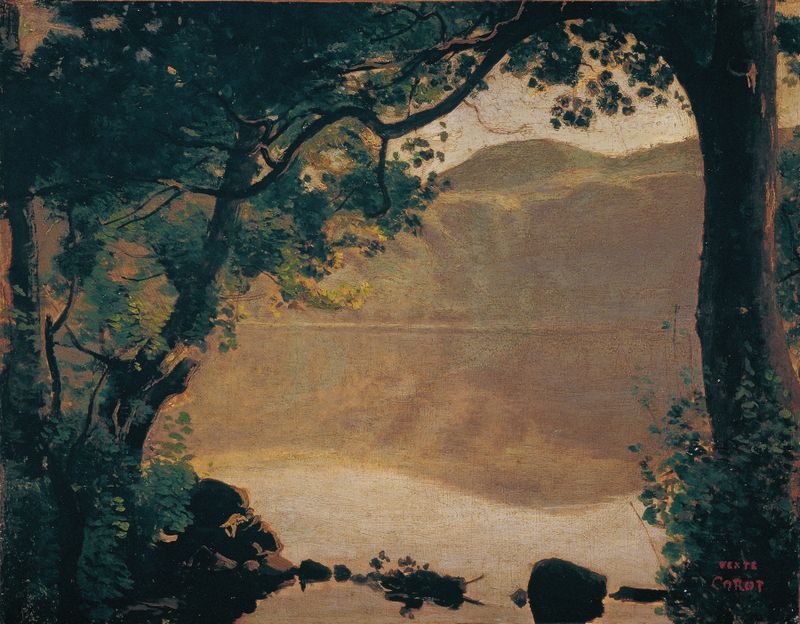
Der Nemisee
Jean-Baptiste-Camille Corot
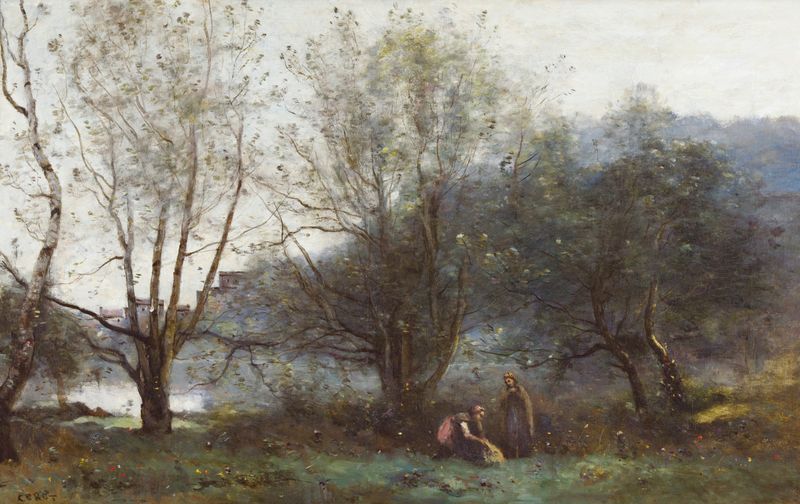
Les Étangs De Ville D’avray
Jean-Baptiste-Camille Corot
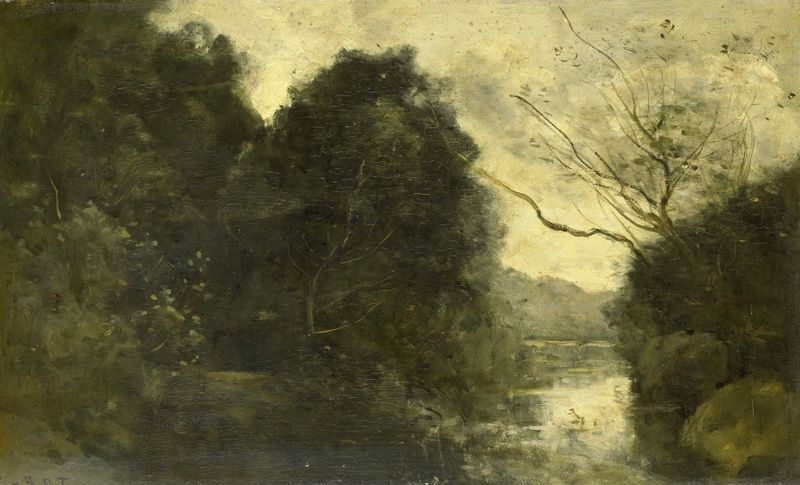
Pond in the Woods
Jean-Baptiste-Camille Corot
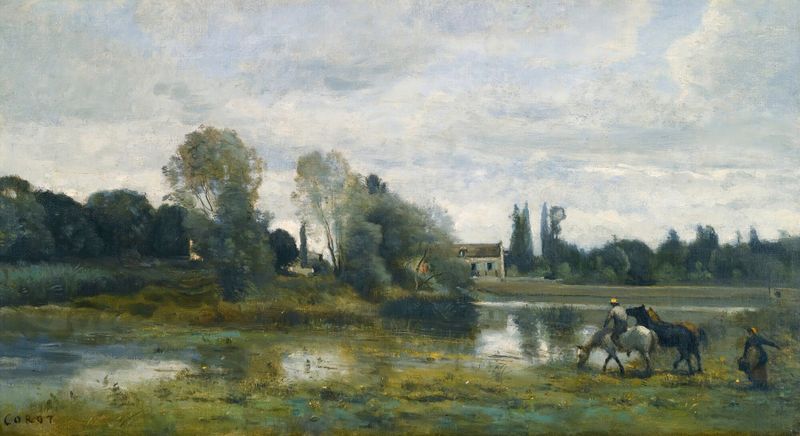
Ville D’avray; L’abreuvoir Des Chevaux
Jean-Baptiste-Camille Corot
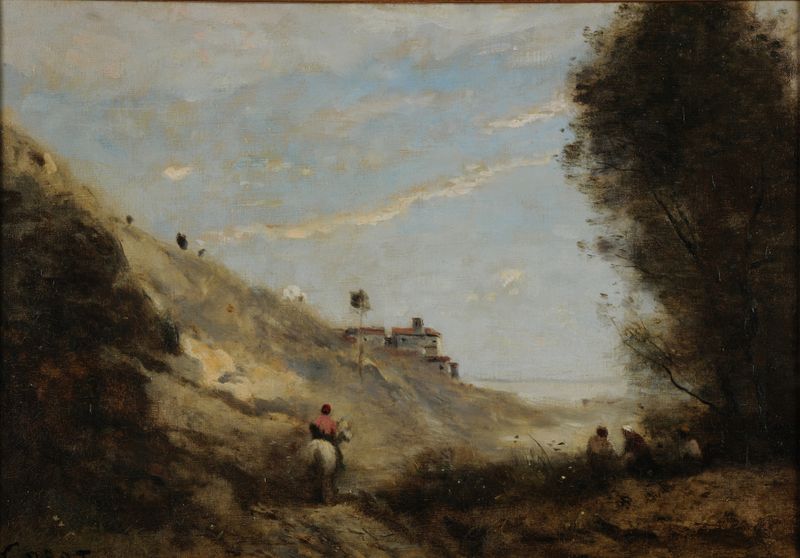
Le vallon au cavalier
Jean-Baptiste-Camille Corot





