Montmorencysta — History & Facts
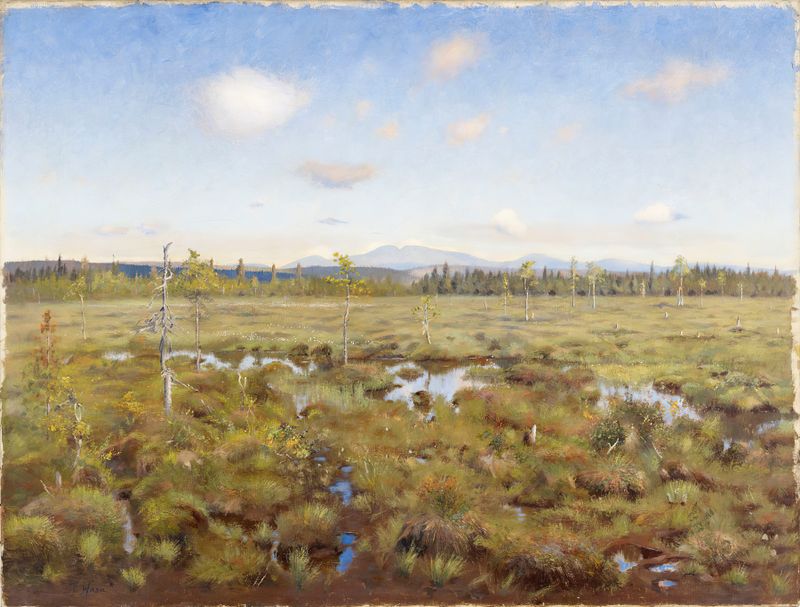
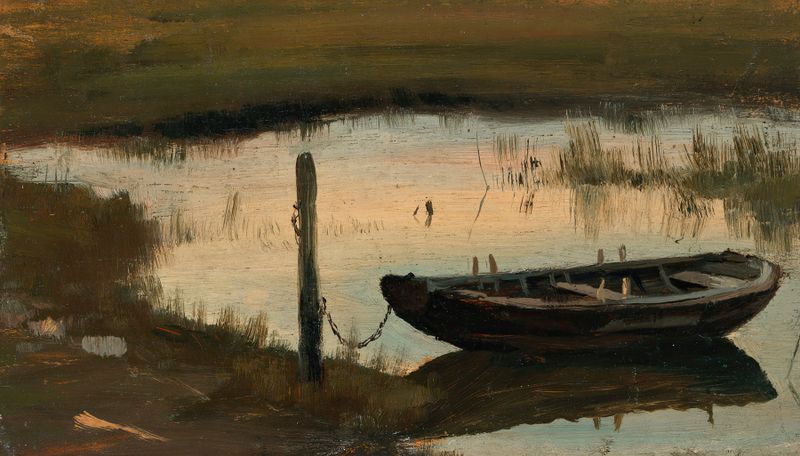
Can paint confess what words never could? The act of creating often reveals deeper truths than mere conversation, unfolding a silent dialogue that resonates within our souls. Look closely at the vibrant interplay of colors that dance across the canvas. The sweeping strokes and textured forms draw your gaze first to the luminous sky, where shades of cerulean blend into warm hues of amber, suggesting the onset of twilight. Notice how the gentle curves of the landscape flow into one another, each layer meticulously crafted to create a sense of depth and movement—inviting you, almost pleading, to explore the unseen spaces in between. Hidden within this serene depiction lies a visceral contrast between the hypnotic beauty of nature and an underlying tension that evokes a sense of longing.
The painter’s choice of darkened shadows against the glowing horizon hints at unspoken mysteries, possibly reflecting the tumultuous emotions of an artist yearning for truth. Each brushstroke tells a story, revealing a dialogue between light and darkness, beauty and melancholy that mirrors the human experience itself. In 1890, at a time when Wasastjerna was deeply engaged in the exploration of natural landscapes and their emotional resonance, he painted this piece in a France steeped in artistic innovation. The art world was experiencing the rise of Impressionism, and the artist found himself at the confluence of tradition and modernity—capturing not just the surface of the scene, but the complex emotions that lay beneath.
This context enriched his work, as he sought to convey profound truths through the medium of paint, forever altering how we perceive the world around us.