
Monzie — History & Facts
In the stillness of any room, a painting like this beckons to be gazed upon, revealing the delicate dance between beauty and decay. Look to the center of the composition, where a solitary tree stands resilient against the passage of time. Its gnarled branches, rendered in earthy tones, stretch across the canvas, creating a striking contrast with the muted background. The artist's masterful use of light highlights the texture of the bark, bringing to life the roughness of existence and nature's slow reclamation.
Notice how subtle hues of green and brown converge to create a sense of stillness, inviting contemplation. The juxtaposition of life and decay pulses through the artwork. The tree, both magnificent and weary, symbolizes endurance amidst inevitable decline. Yet, the fading colors speak volumes about impermanence; they echo the passage of seasons and the fragility of beauty.
Hidden details, like a scattering of fallen leaves at the base, emphasize the narrative of what once thrived and now succumbs to time’s relentless grip. In 1932, the artist found himself in a world grappling with economic hardship and societal transformation. Working in Scotland, Monzie reflects a period when nature was a refuge from the turmoil of modern life. Cameron, already established in the realm of landscape painting, immersed himself in capturing the essence of his surroundings, producing a work that melded personal experience with broader themes of resilience and change.
More Artworks by David Young Cameron
Browse all →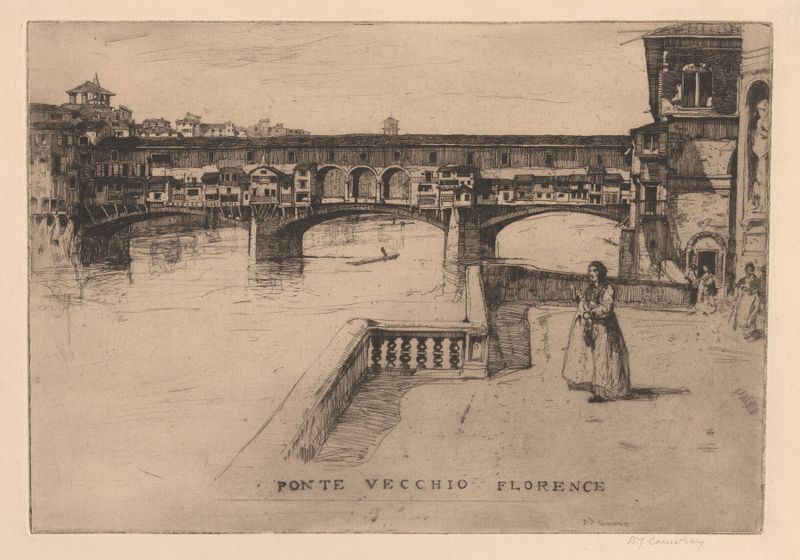
Ponte Vecchio
David Young Cameron

The Deanery, Winchester
David Young Cameron
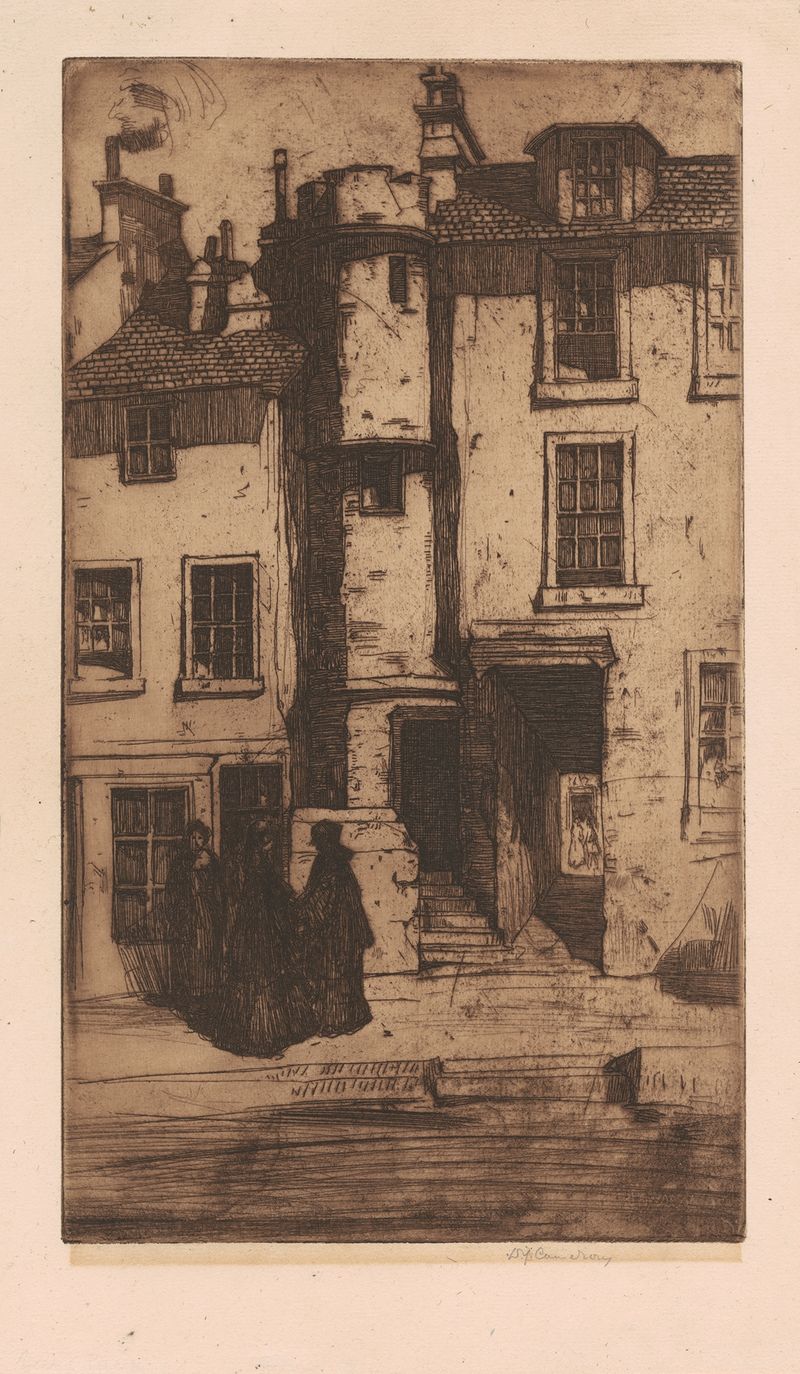
Old Houses, Stirling
David Young Cameron
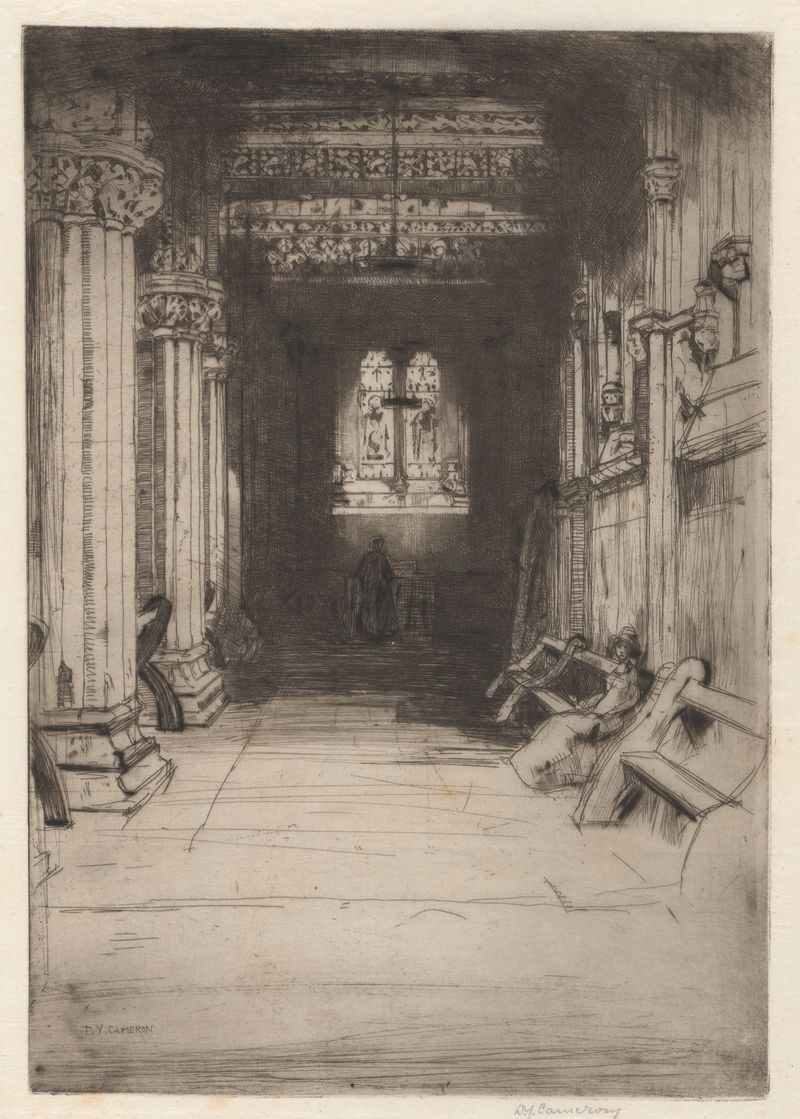
Rosslyn Chapel
David Young Cameron

The Old Museum, Beauvais
David Young Cameron
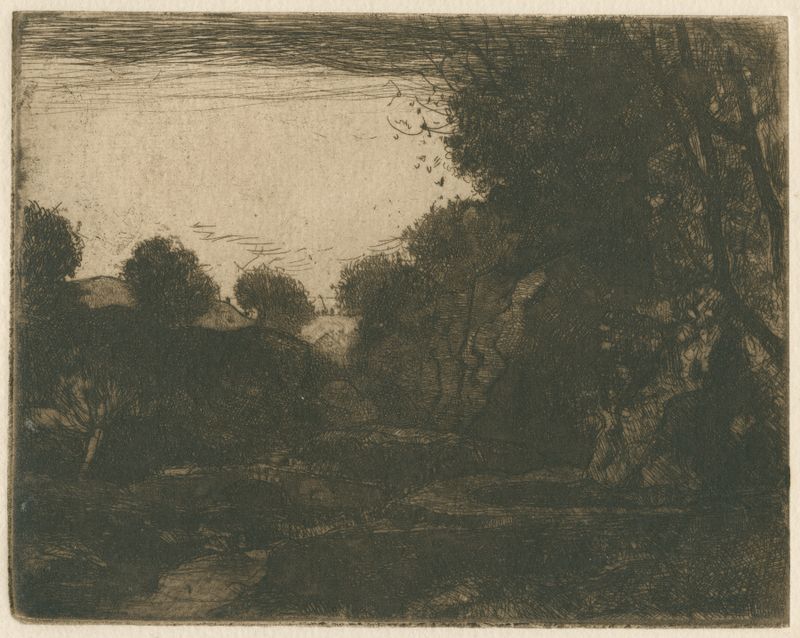
On the Bradford
David Young Cameron

The Smithy
David Young Cameron
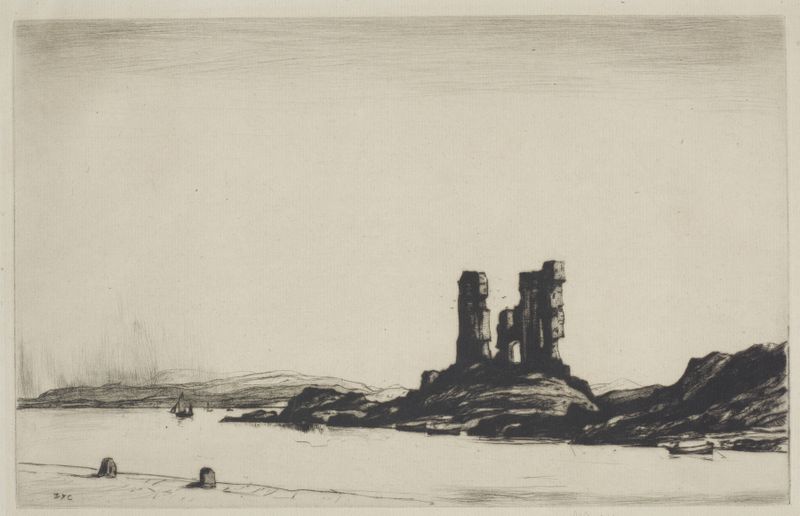
Castle Moyle
David Young Cameron
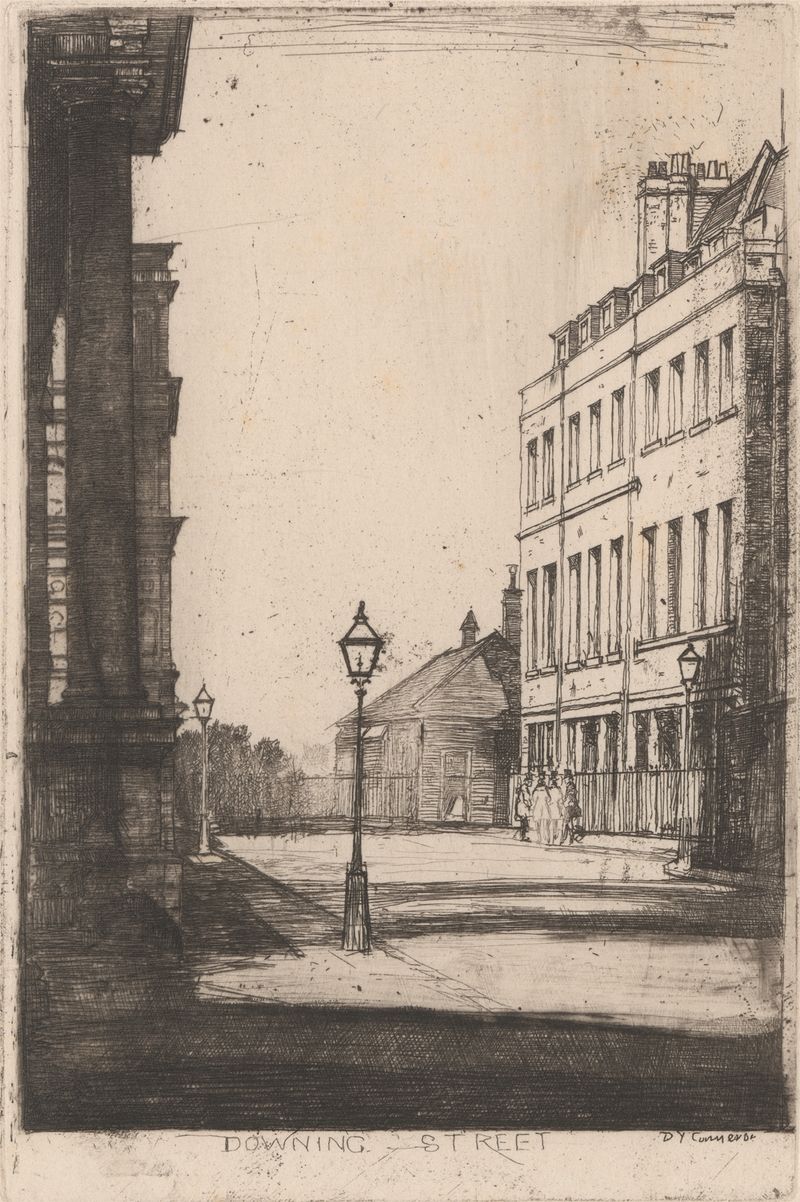
Downing Street
David Young Cameron

Glasgow Cathedral
David Young Cameron





