
Moon of the filial Son (Koshi no tsuki) — History & Facts
In Moon of the filial Son (Koshi no tsuki) by Tsukioka Yoshitoshi, the viewer is greeted with a serene night scene. The colors are predominantly deep blues and silvers, capturing the essence of moonlight. A young man, representing filial piety, stands under the luminous moon, surrounded by a tranquil landscape.
The composition evokes a sense of calm and reflection. This artwork is a woodblock print, a traditional Japanese technique known as Ukiyo-e. The details are finely executed, showcasing Yoshitoshi's skill in capturing both emotion and atmosphere. The moonlight illuminates the figure, creating a striking contrast with the dark background.
The print is characterized by its delicate lines and vibrant colors, typical of Yoshitoshi's style. Tsukioka Yoshitoshi was a prominent figure in the Ukiyo-e movement, known for his innovative approach to traditional printmaking. This particular work reflects the theme of filial piety, a significant aspect of Japanese culture. Interestingly, Yoshitoshi often incorporated elements of folklore and mythology into his prints, making each piece a narrative in itself.
Moon of the filial Son stands as a testament to his ability to blend personal emotion with cultural themes.
More Artworks by Tsukioka Yoshitoshi

Frost fills the air and the autumn air is still/lines of returning geese cross the moon in the third hour-Kenshin, from the series Twelve Aspects of the Moon
Tsukioka Yoshitoshi
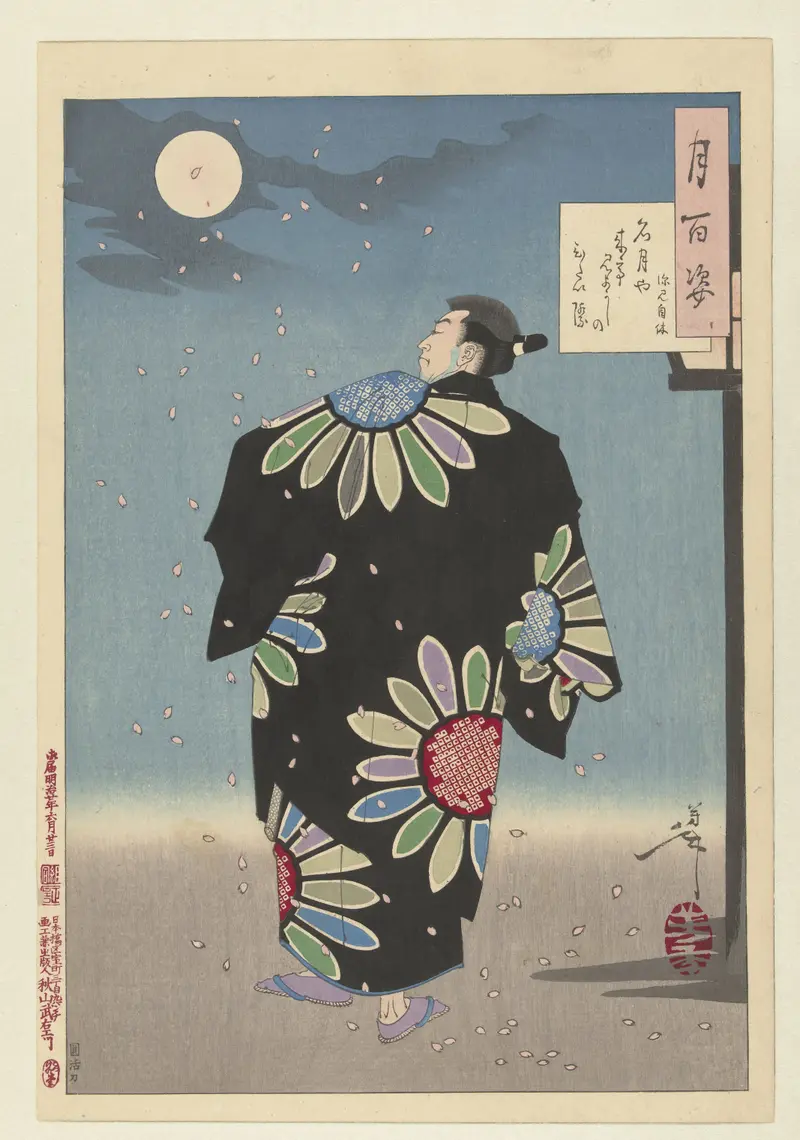
Fukami Jikyu in maanlicht
Tsukioka Yoshitoshi
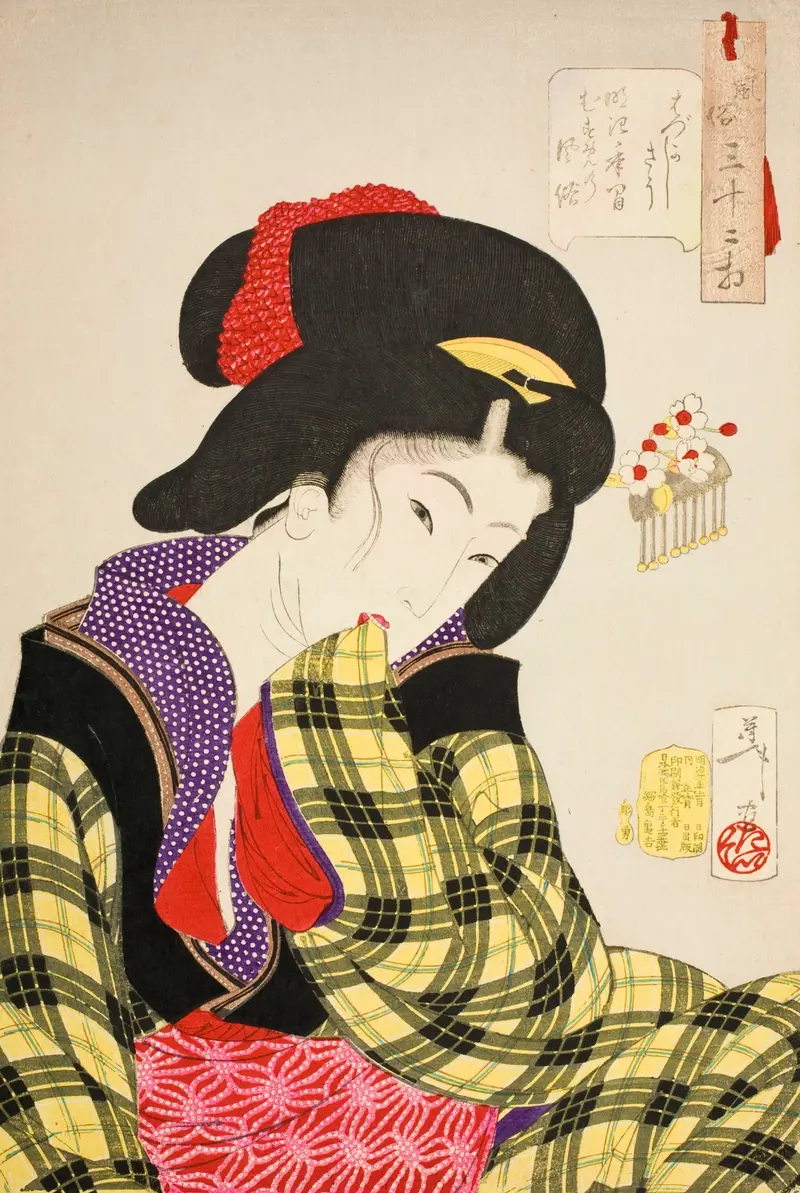
Looking Shy; The Manners of a Young Girl of the Meiji Era
Tsukioka Yoshitoshi
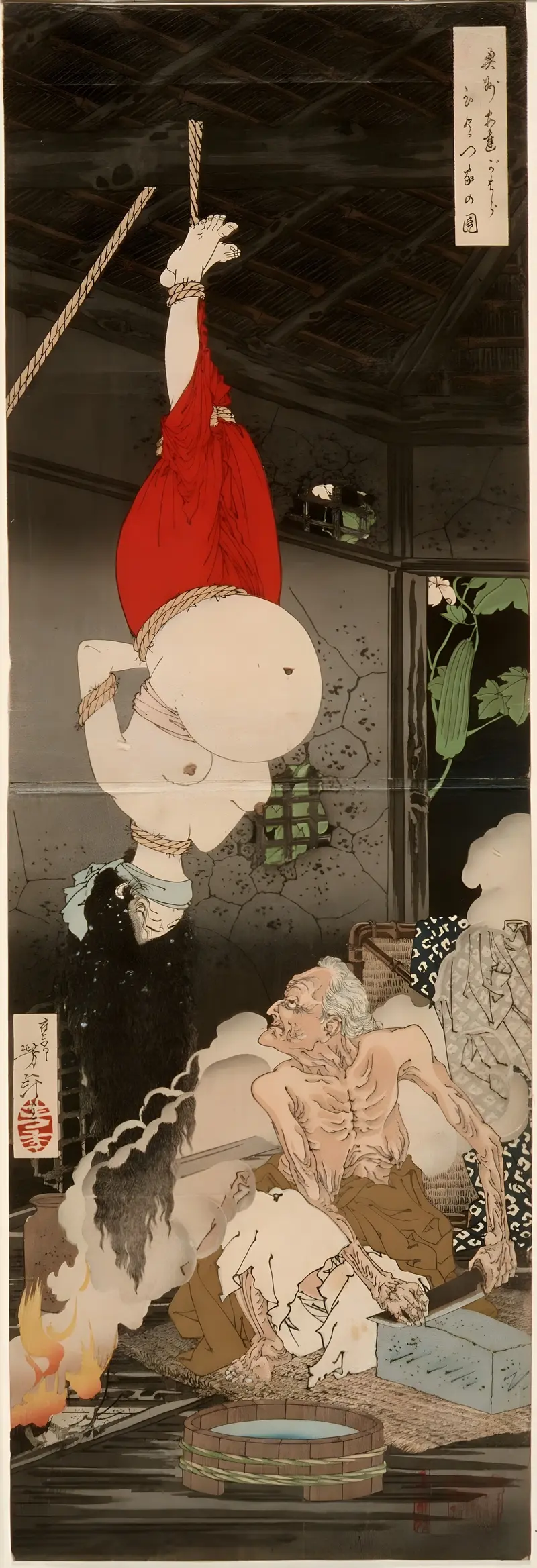
The Lonely House on Adachi Moor in Northern Japan
Tsukioka Yoshitoshi
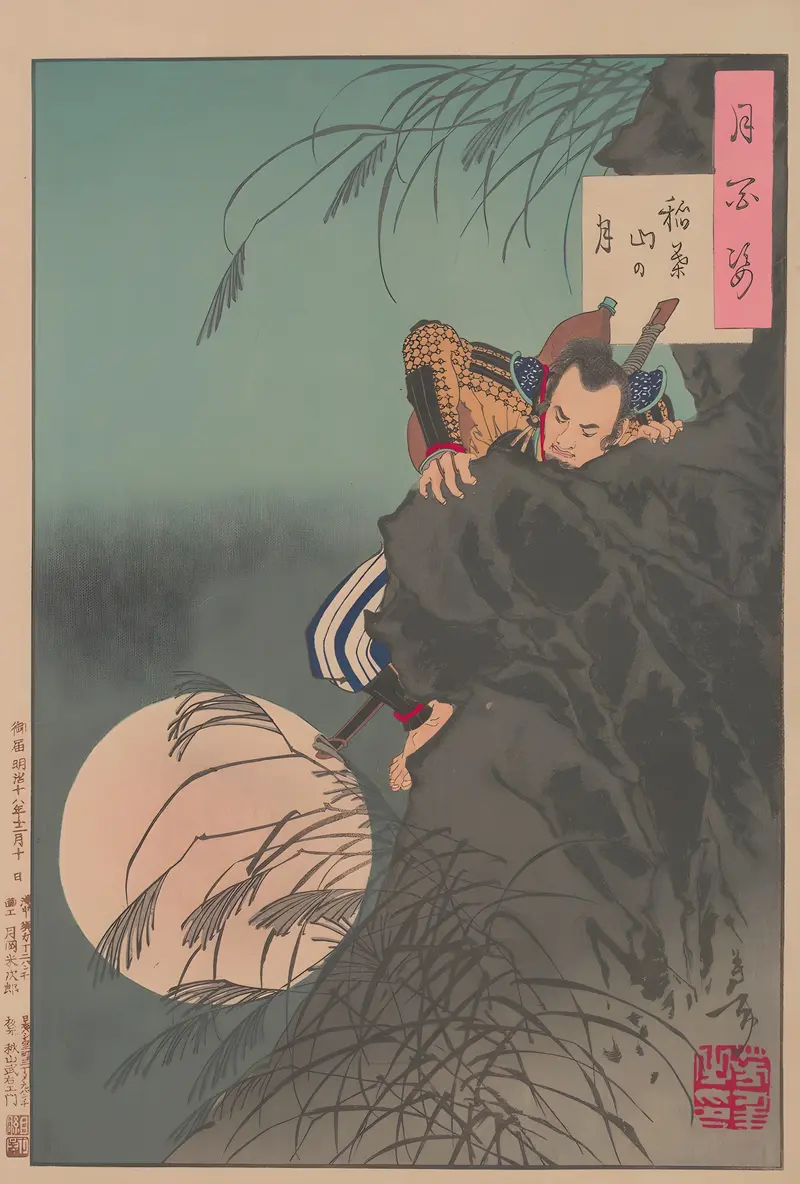
Inaba Mountain moon (Inabayama no tsuki)
Tsukioka Yoshitoshi
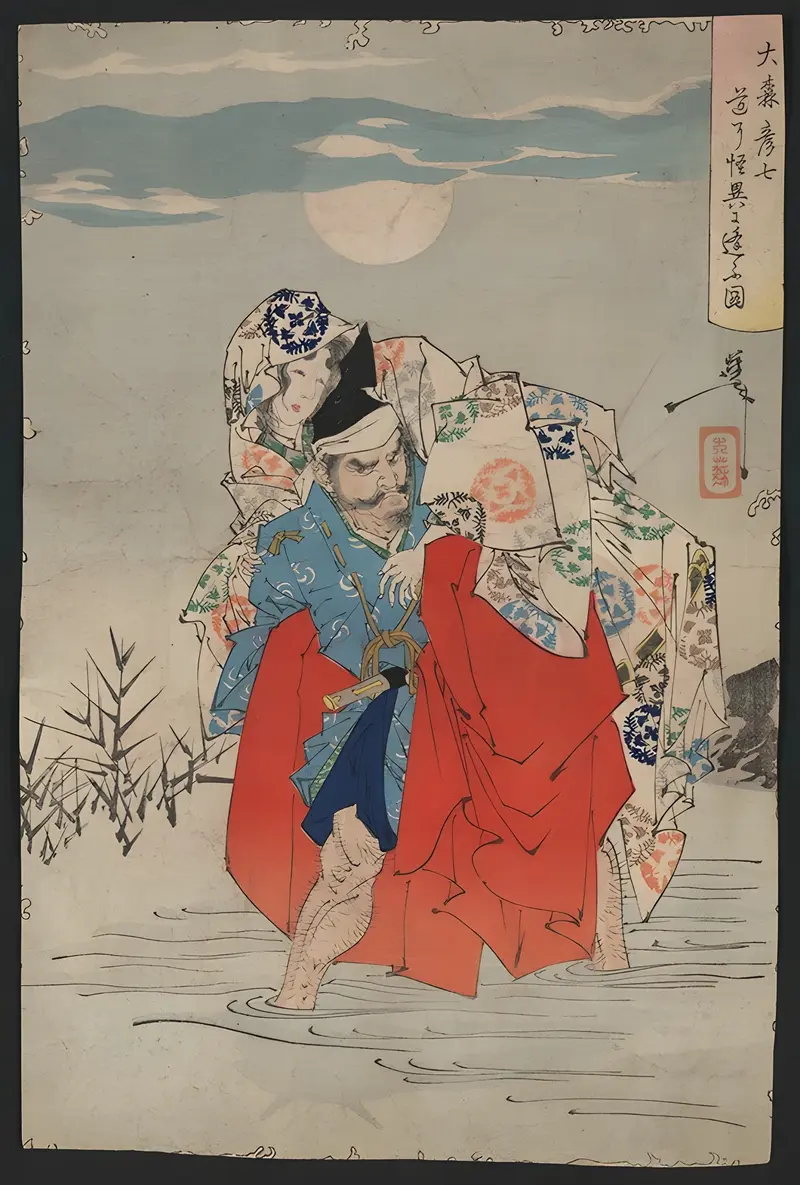
Omori Hikoshichi
Tsukioka Yoshitoshi
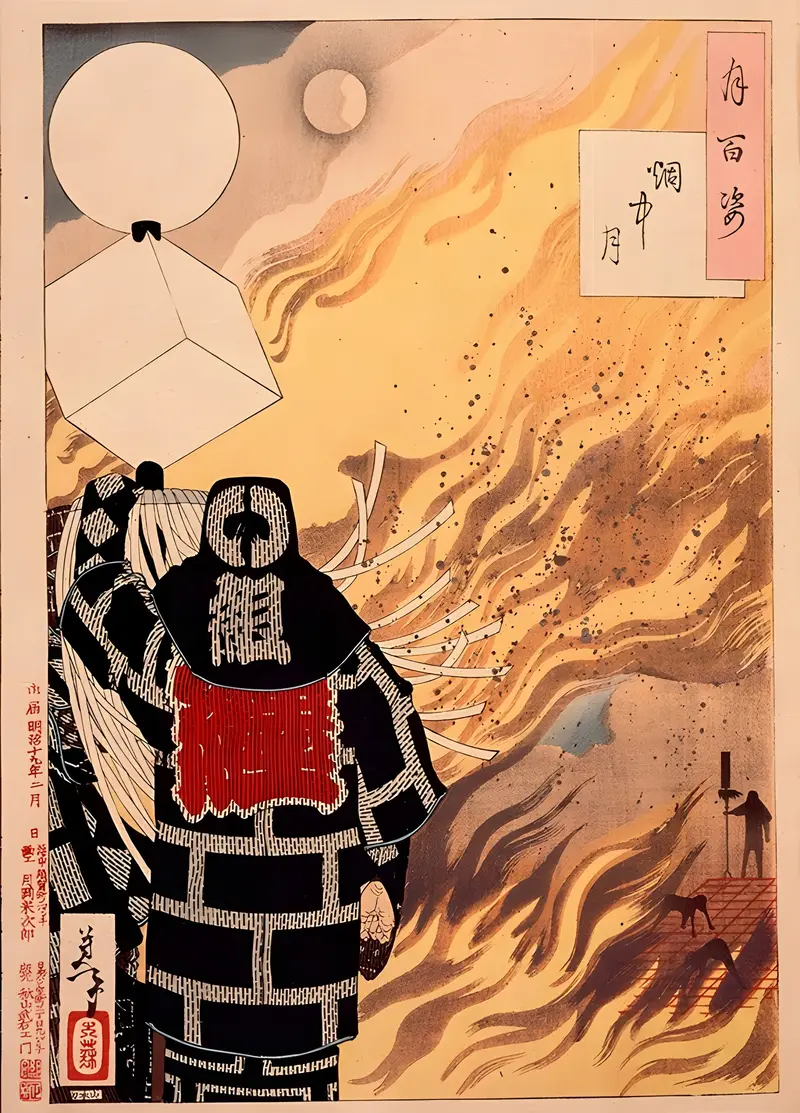
One Hundred Aspects of the Moon
Tsukioka Yoshitoshi
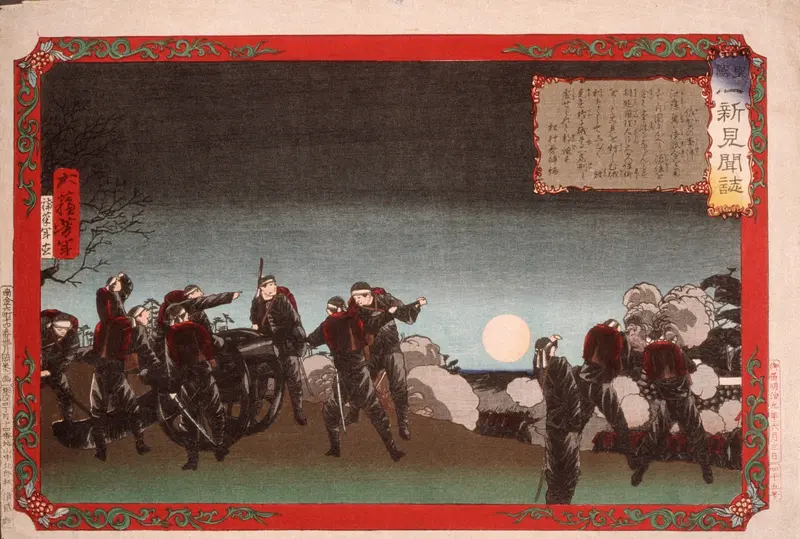
The Saga Incident
Tsukioka Yoshitoshi
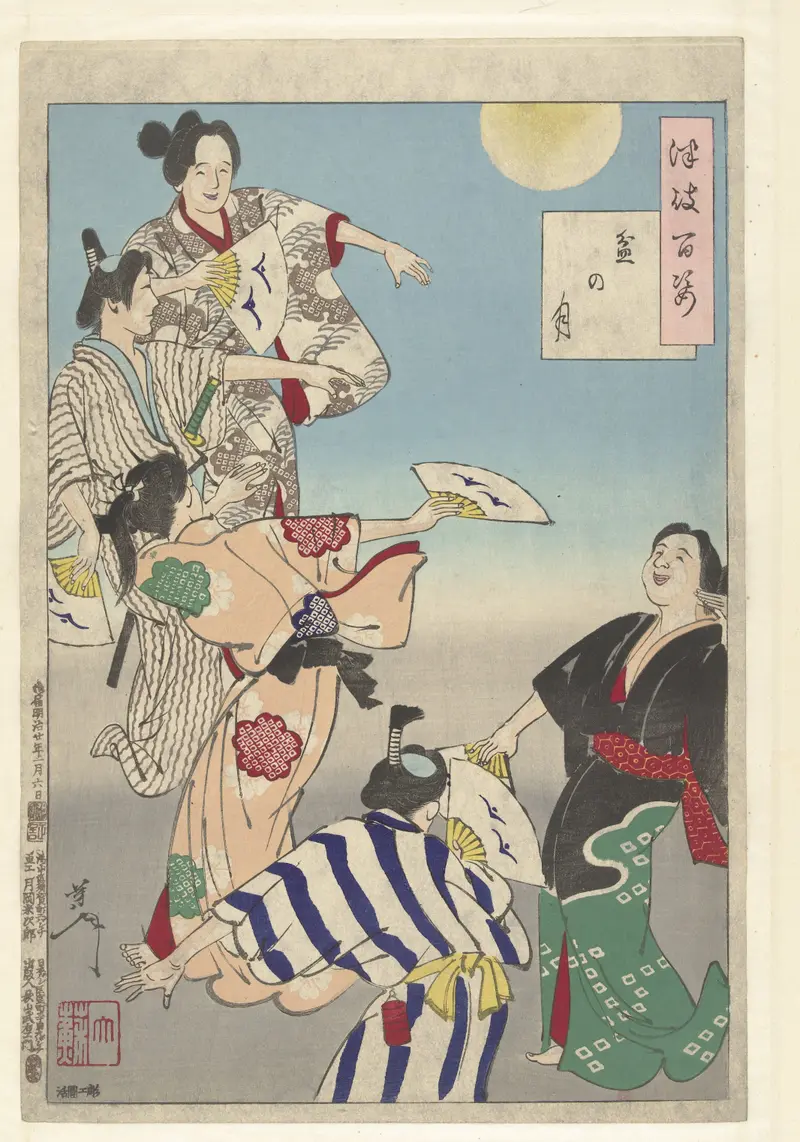
Bon Festival Moon (Bon no tsuki)
Tsukioka Yoshitoshi
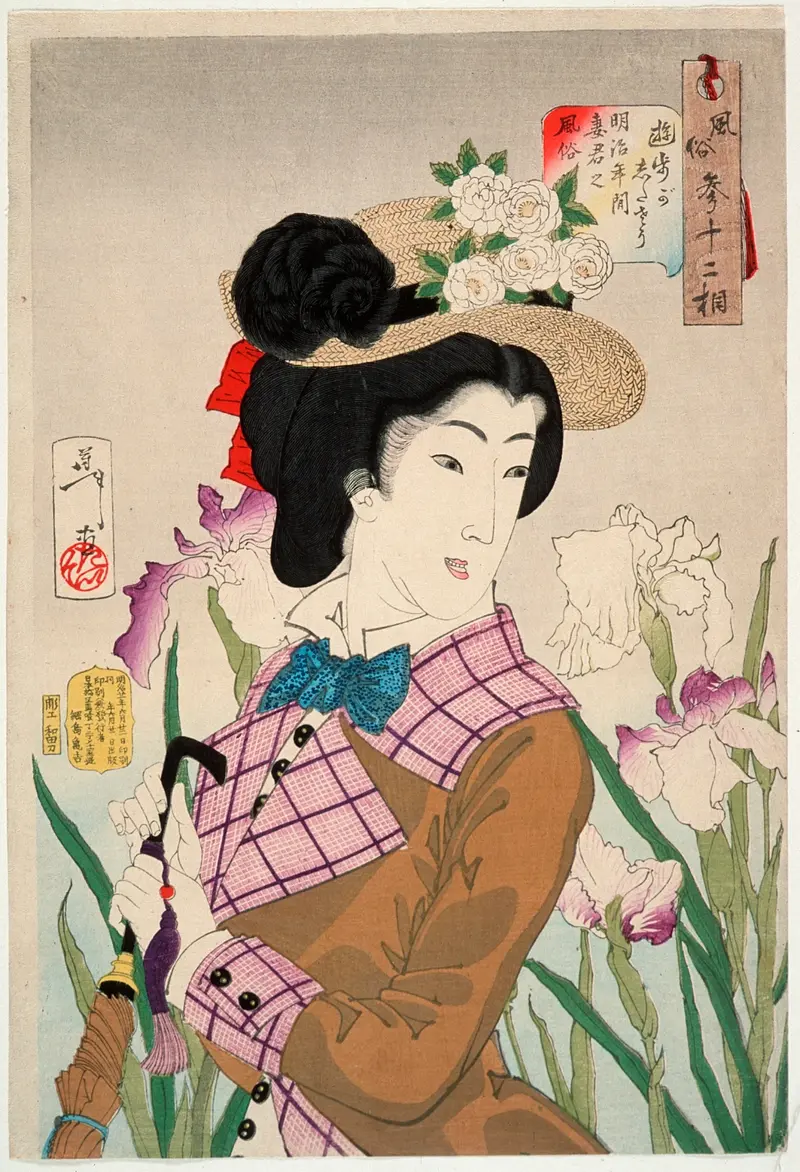
Preparing to Take a Stroll; The Wife of a Nobleman of the Meiji Period
Tsukioka Yoshitoshi



