
Moonlight Picture — History & Facts
What if beauty was never meant to be finished? In Moonlight Picture, the fleeting serenity of night captures a moment suspended between reality and the ethereal, as if the scene invites the viewer to ponder the impermanence of all things beautiful. Look to the left at the delicate interplay of light and shadow, where a soft moonbeam bathes the landscape in a silvery glow. The artist employs a cool palette of blues and whites, creating a tranquil atmosphere that beckons the viewer to linger. Notice how the gentle brushstrokes impart a sense of movement to the clouds, giving life to the stillness of the night.
The viewer's gaze is naturally drawn to the luminous reflections on the water, enhancing the sense of depth and inviting contemplation of the unseen depths beneath. The artwork reveals a profound tension between tranquility and contemplation. The solitary moon, suspended in the sky, symbolizes both isolation and an eternal connection to beauty. Its light dances across the surface of the water, suggesting the dual nature of existence—where moments of peace coexist with the realization that all beauty is transient.
Each detail, from the glimmering stars to the muted landscape, resonates with a sense of awe that transcends time. Eckersberg painted Moonlight Picture in 1821 while living in Denmark, during a period marked by the rise of Romanticism in art. This was a time when artists began to explore themes of emotion and nature, capturing the sublime. In his work, Eckersberg embraced both the picturesque quality of the landscape and the deeper emotional undercurrents that accompany our experience of beauty, setting a foundation for future explorations of light and form.
More Artworks by Christoffer Wilhelm Eckersberg
Browse all →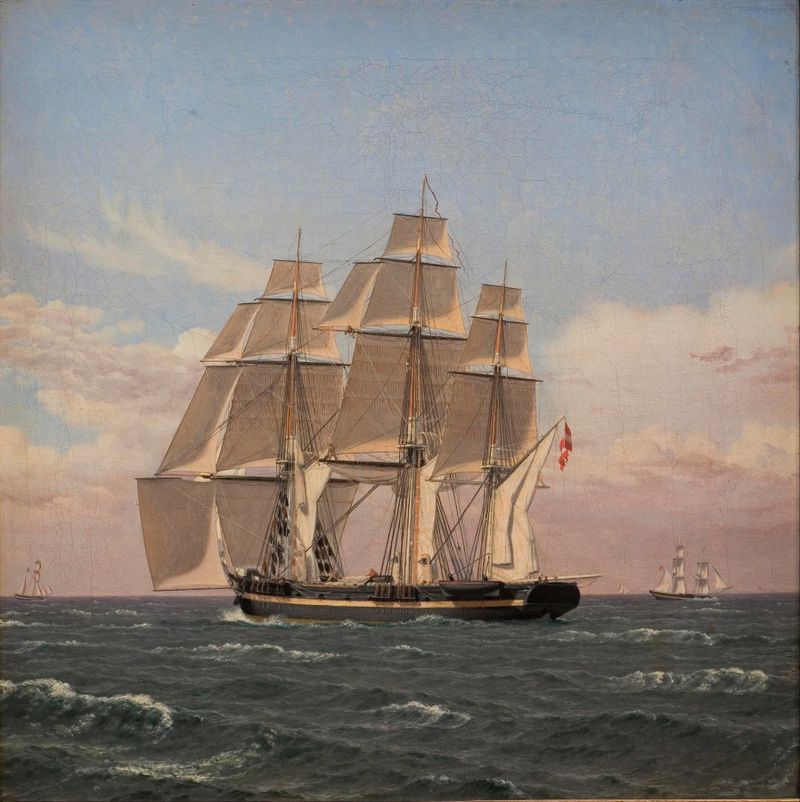
The corvette Najaden under sail
Christoffer Wilhelm Eckersberg

The Corvette Najaden under Sail
Christoffer Wilhelm Eckersberg
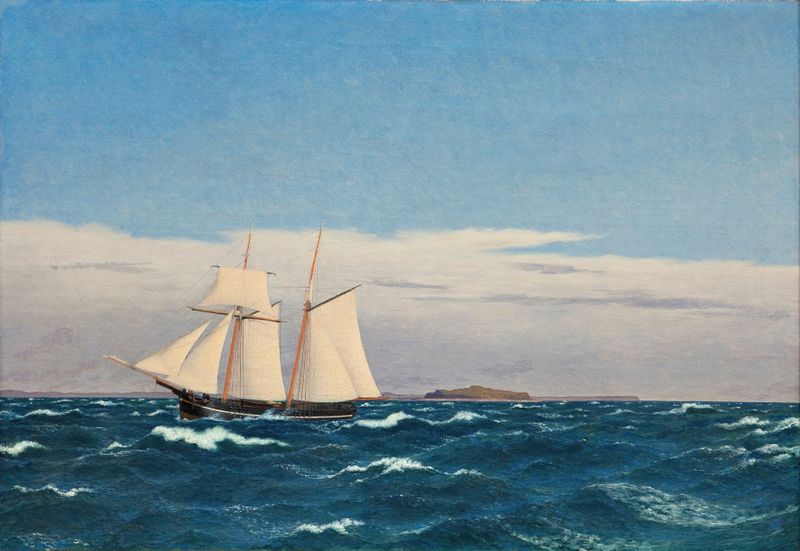
Seascape with the island of Hjelm and the coast of Jutland
Christoffer Wilhelm Eckersberg
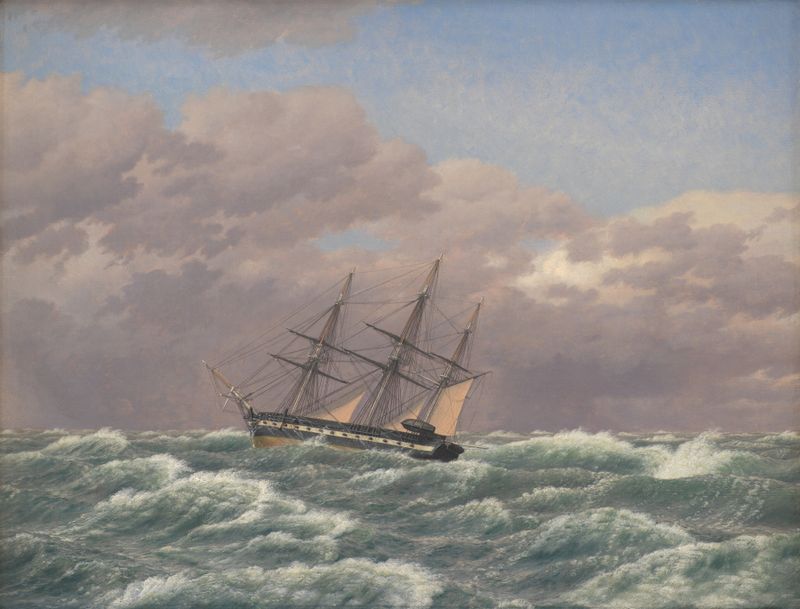
The Corvette ‘Galathea’ in a Storm in the North Sea
Christoffer Wilhelm Eckersberg
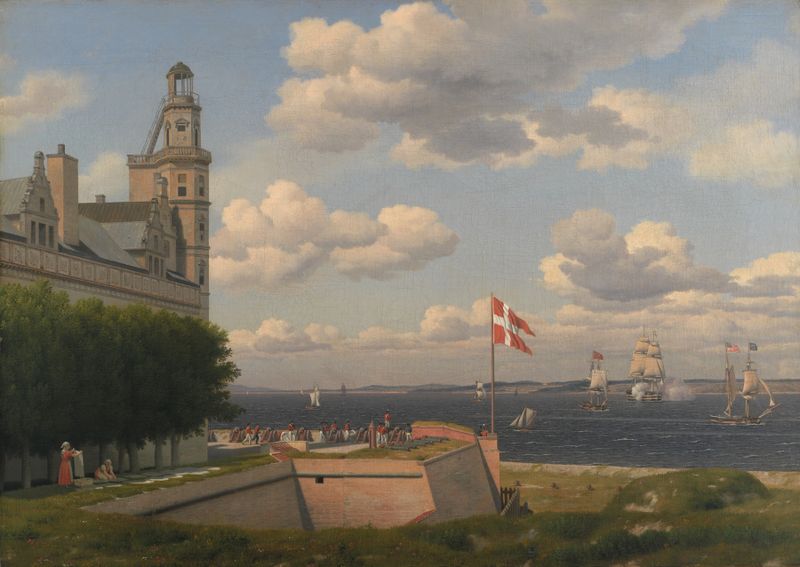
A View towards the Swedish Coast from the Ramparts of Kronborg Castle
Christoffer Wilhelm Eckersberg
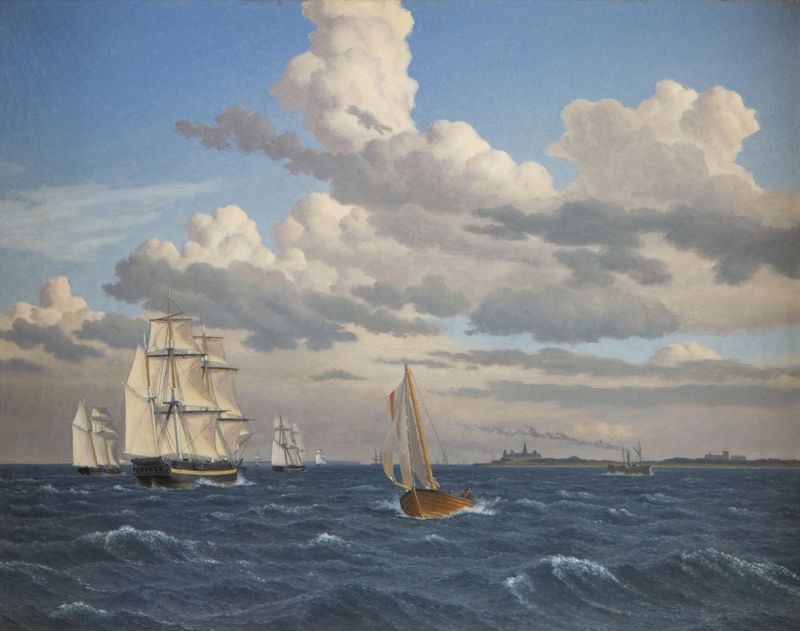
Ships in the Sound North of Kronborg Castle, Elsinore
Christoffer Wilhelm Eckersberg
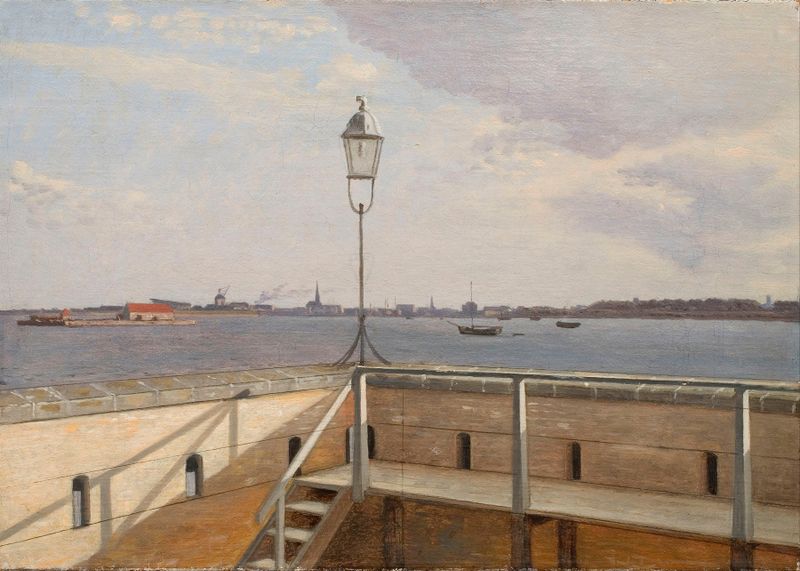
View from the Trekroner Battery with Copenhagen in the distance
Christoffer Wilhelm Eckersberg
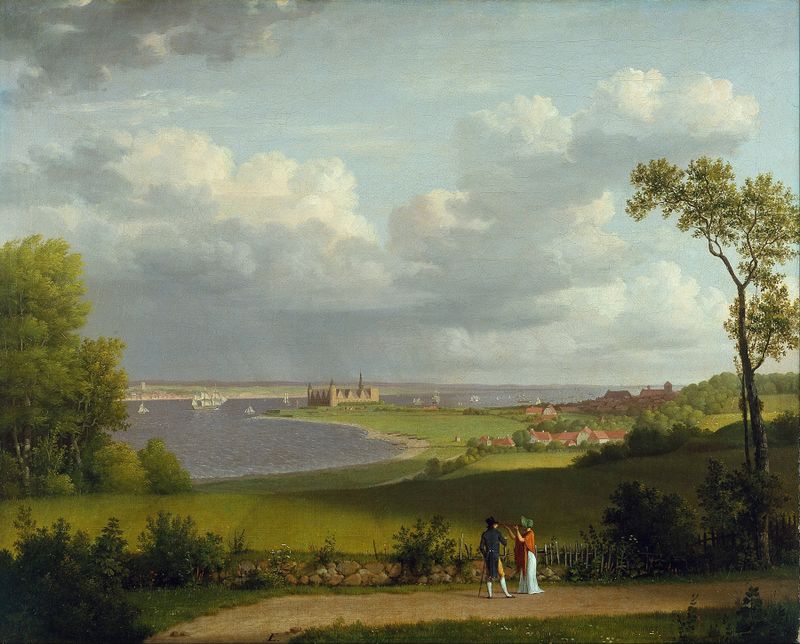
View north of Kronborg Castle
Christoffer Wilhelm Eckersberg

Vesta Temple in Rome
Christoffer Wilhelm Eckersberg
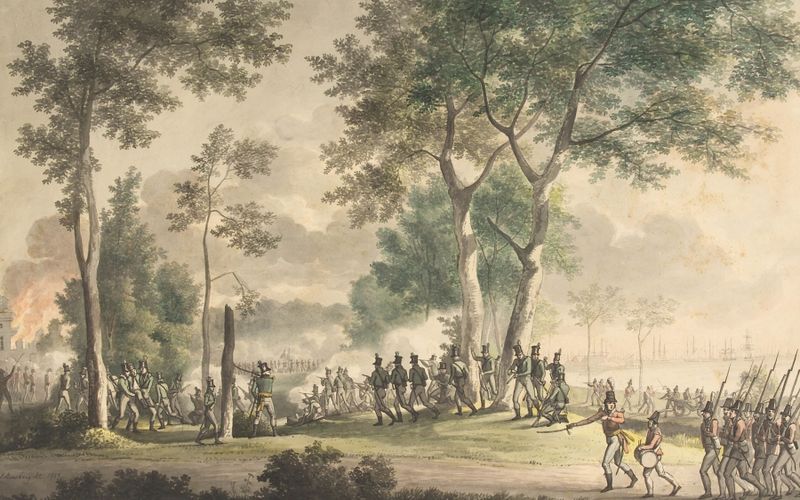
Livjægernes udfald i Classens have 31.august 1807.
Christoffer Wilhelm Eckersberg





