
Moorland — History & Facts
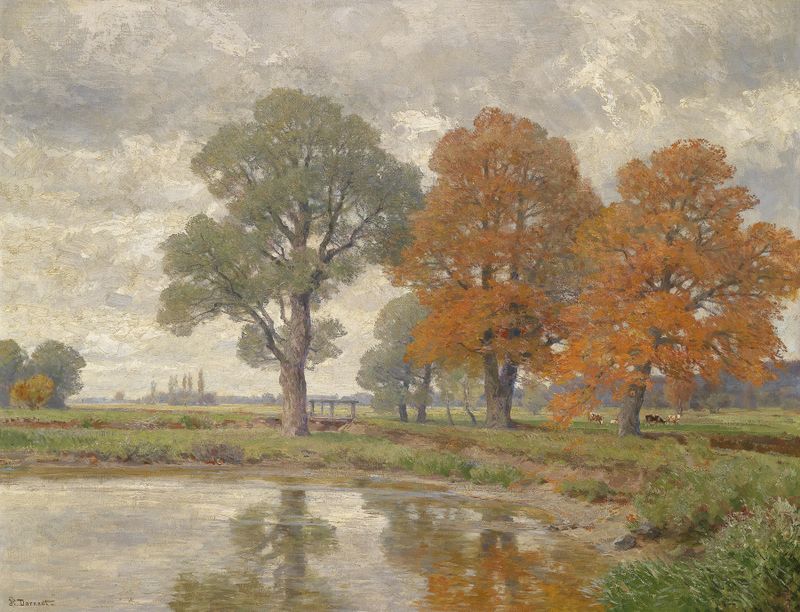
What secret hides in the quiet of the canvas? In the stillness of Moorland, a legacy unfolds, inviting the viewer to explore the beauty and solitude of nature. Look to the foreground where sweeping grasses rise in gentle undulations, each blade catching glimmers of light. The rich greens and earthy browns create a tapestry of texture, while the soft blues of the distant sky blend seamlessly into the landscape. Notice how the horizon line subtly guides the eye outward, drawing one into an expansive world that feels both familiar and untouched, a testament to the artist's keen observation of the natural environment. Delve deeper into the interplay of shadow and light, where darker patches suggest hidden depths and unspoken histories.
The subtle brushwork evokes a sense of movement, as if the scene is alive with whispers of the wind. This stillness juxtaposes a broader commentary on time’s passage, challenging the observer to reflect on what remains unseen yet profoundly felt in the landscape—an emotional resonance that lingers long after leaving the canvas. Hugo Darnaut painted this work during a period of introspection, likely amidst the evolving art movements of the early 20th century. While not much is documented about the exact date of Moorland, it stands as a reflection of an era where artists sought to capture not only the physical world but also the emotional undercurrents that define the human experience.
Darnaut's legacy transcends time through this tranquil portrayal, reminding us of the connections that bind us to nature and to one another.
More Artworks by Hugo Darnaut
Browse all →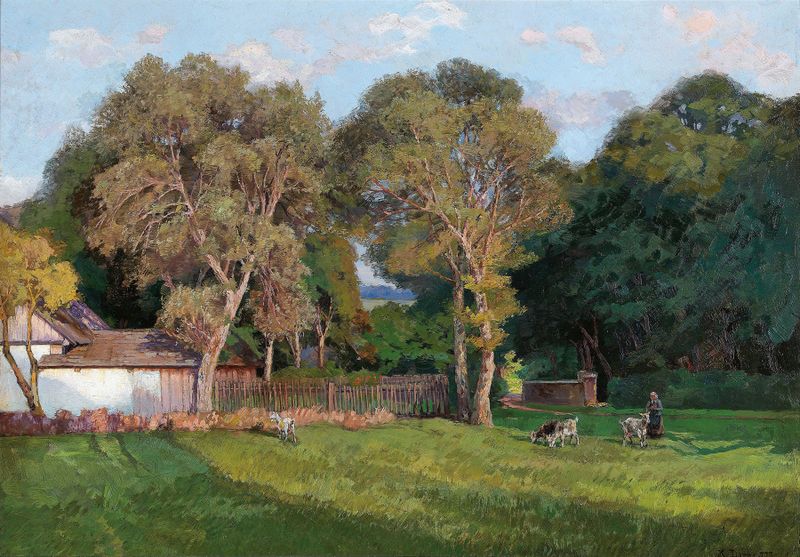
Aus dem Wienerwald
Hugo Darnaut
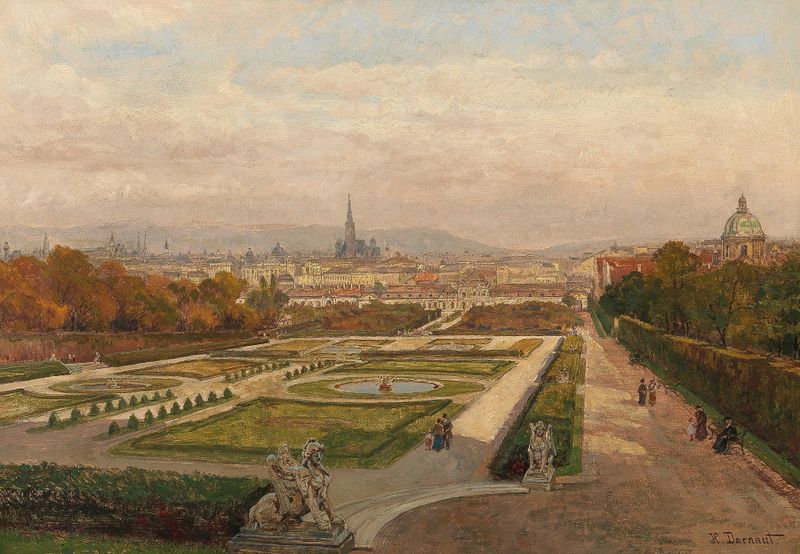
Blick vom Belvedere auf Wien
Hugo Darnaut

Motiv aus Plankenberg
Hugo Darnaut

In einem Wiener Garten (II., Praterstraße 60)
Hugo Darnaut

A Scene at Dusk in Late Autumn
Hugo Darnaut
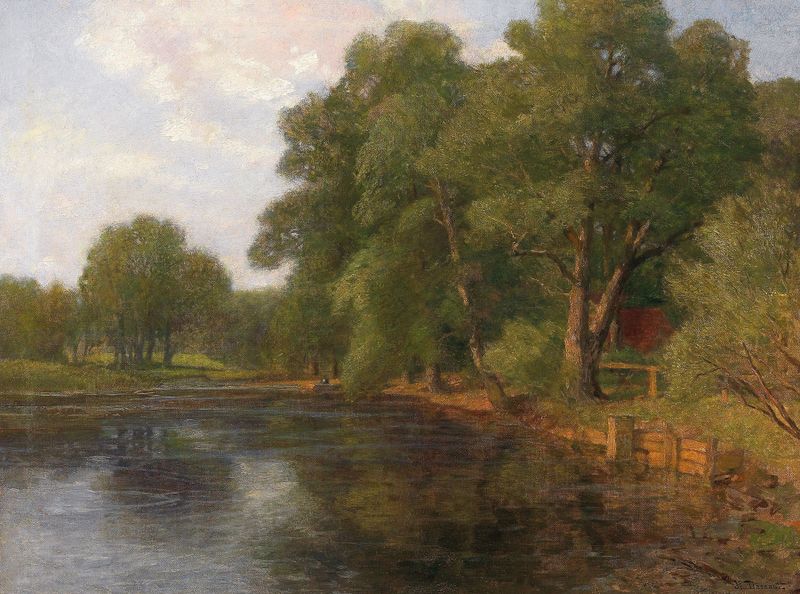
Motiv bei Plankenberg
Hugo Darnaut

Die Ruine Starhemberg im Piestingtal
Hugo Darnaut
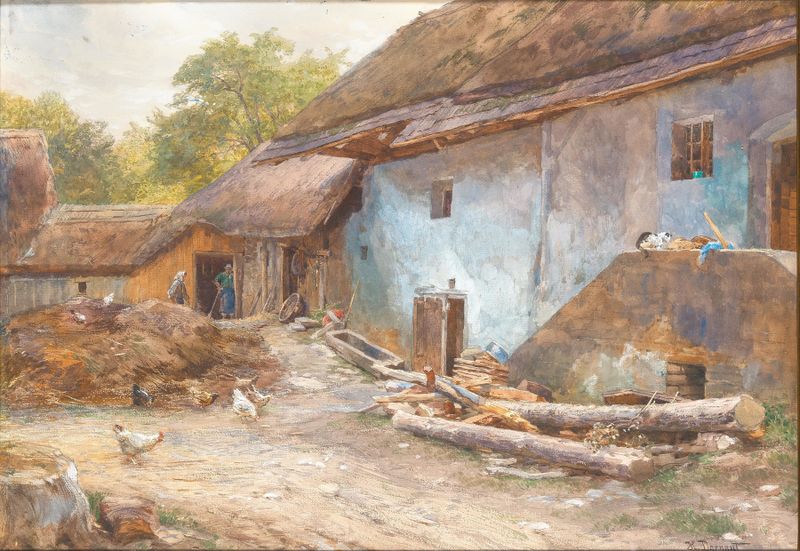
Niederösterreichischer Bauernhof
Hugo Darnaut

River Landscape with Small Herd of Cows and a Village in the background
Hugo Darnaut
Spätherbsttag
Hugo Darnaut





