
Mooswald — History & Facts
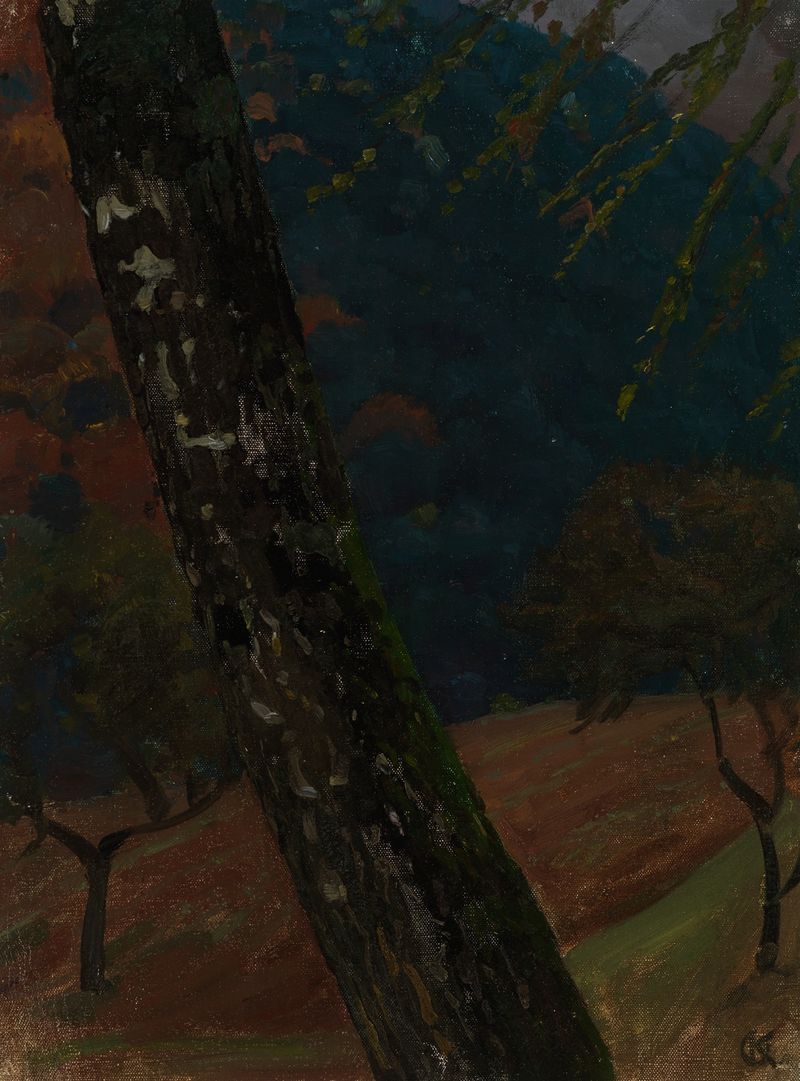
Could a single brushstroke hold eternity? In the quiet depths of Mooswald, silence resonates through the layered pigments, inviting contemplation and introspection. Look to the center of the canvas, where the gentle blend of greens and browns melds into an organic tapestry. The brushstrokes, both fluid and deliberate, create a sense of depth that draws the eye into an immersive wilderness. Notice how the interplay of shadow and light casts an ethereal glow, highlighting the contours of the foliage while simultaneously evoking the serene stillness of a hidden forest.
Each stroke seems to breathe, suggesting life within the stillness. Delve deeper into the work, and you’ll discover a harmony of tension—each color choice evokes a feeling, as the darkness of the forest mingles with luminous highlights. The vibrant greens speak of renewal, while the browns hint at decay, reflecting the eternal cycle of life and death. In this interplay, one can sense the unspoken stories of the woodland, whispers of creatures unseen and moments untouched by time, all captured within the confines of the canvas. Gustav Kampmann painted Mooswald during a period when he sought to reconcile the natural world with his artistic voice.
Although the exact date remains unknown, his work reflects a broader movement among artists of his time, who were exploring the expressive potential of color and form against the backdrop of a rapidly changing society. This painting embodies his quest for tranquility amidst chaos, inviting viewers to pause and immerse themselves in the silent beauty of nature.
More Artworks by Gustav Kampmann
Browse all →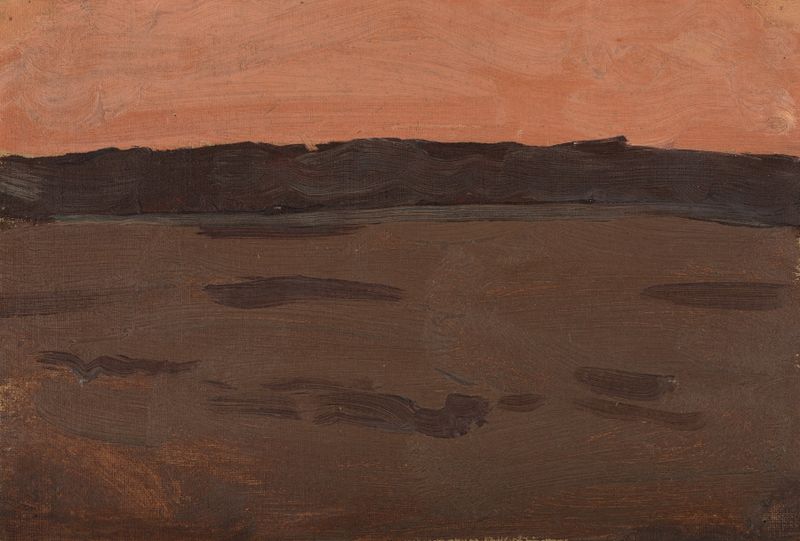
Abendstimmung
Gustav Kampmann

Eisenbahn am Abend
Gustav Kampmann

Nach Sonnenuntergang im Winter
Gustav Kampmann

Blick von der Hornisgrinde
Gustav Kampmann

Hügelige Landschaft mit Baumreihe
Gustav Kampmann
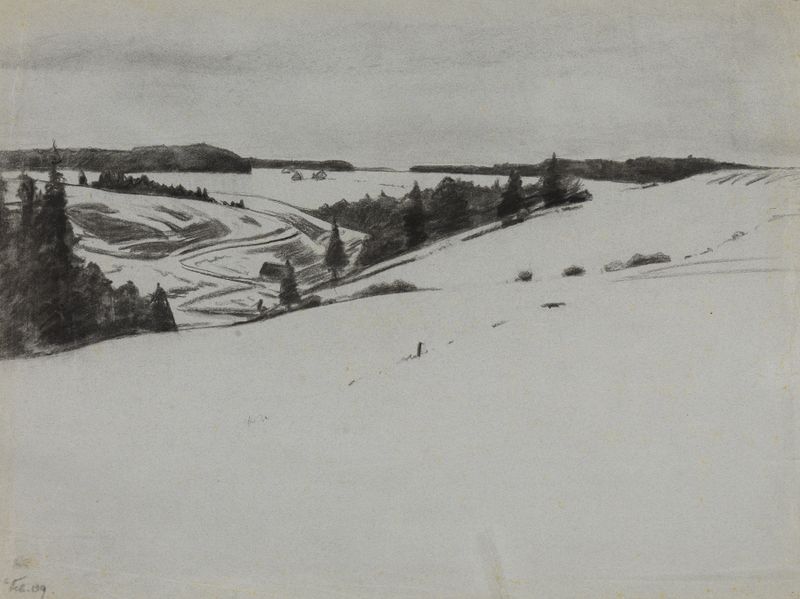
Schneelandschaft bei Königsfeld
Gustav Kampmann
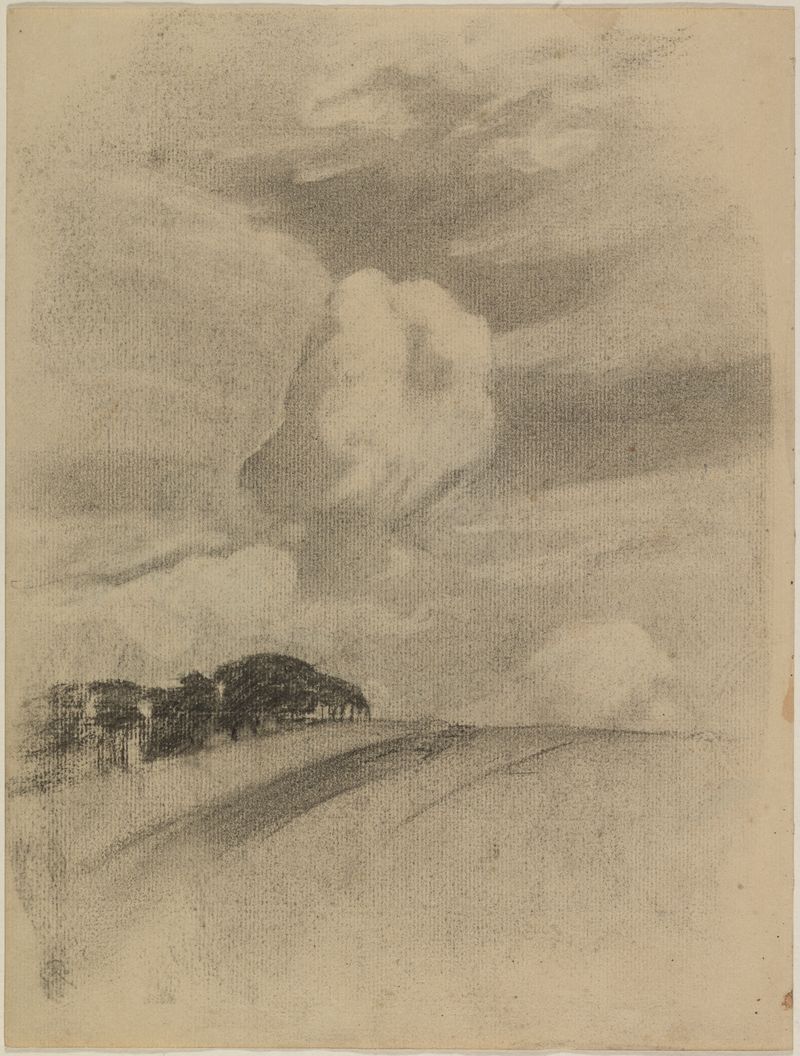
Landschaftsstudie
Gustav Kampmann
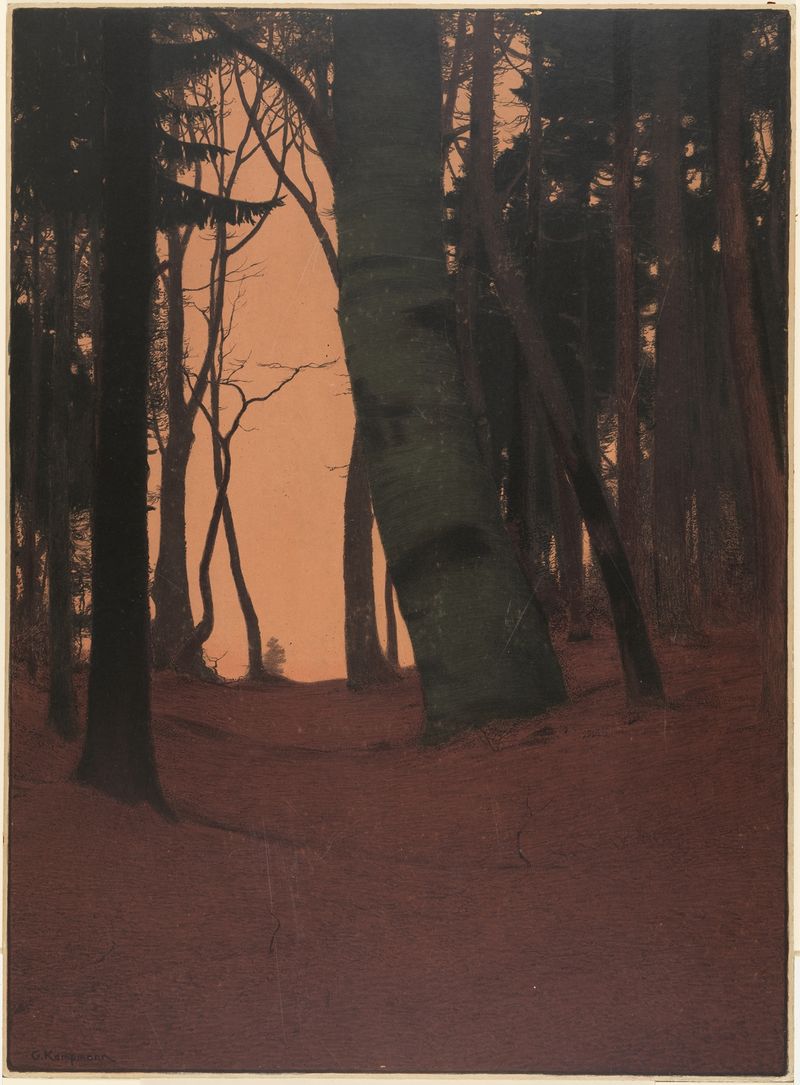
Abend im Wald
Gustav Kampmann

Drei alte Weiden bei Langenpreising
Gustav Kampmann
Baumstamm bei Obersteinbach
Gustav Kampmann





