Moret-Sur-Loing — History & Facts
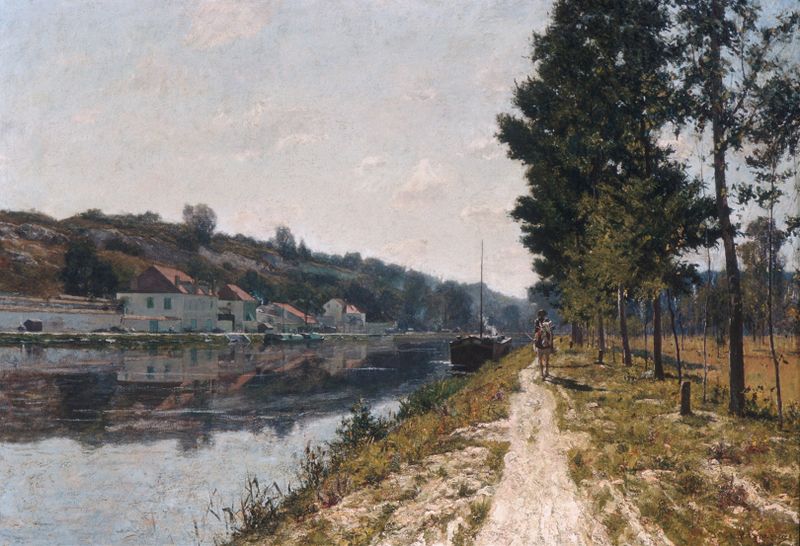
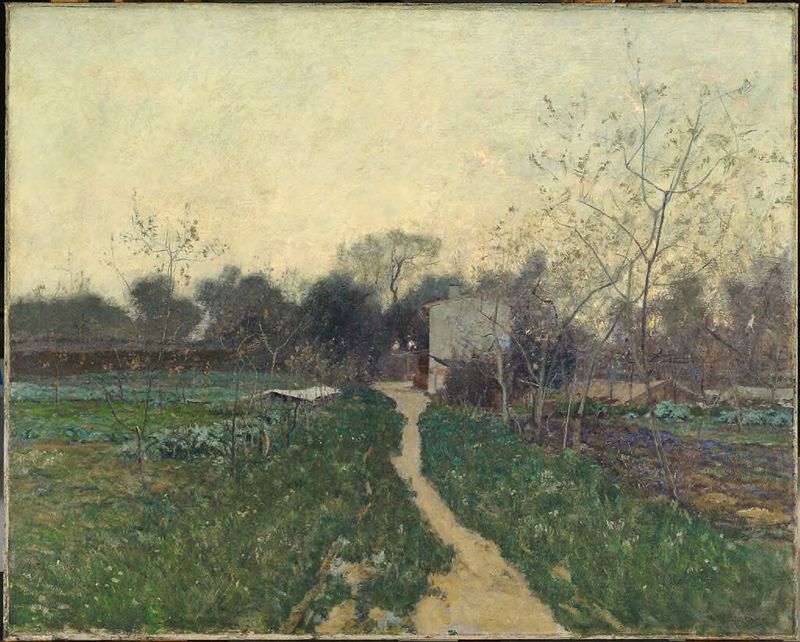
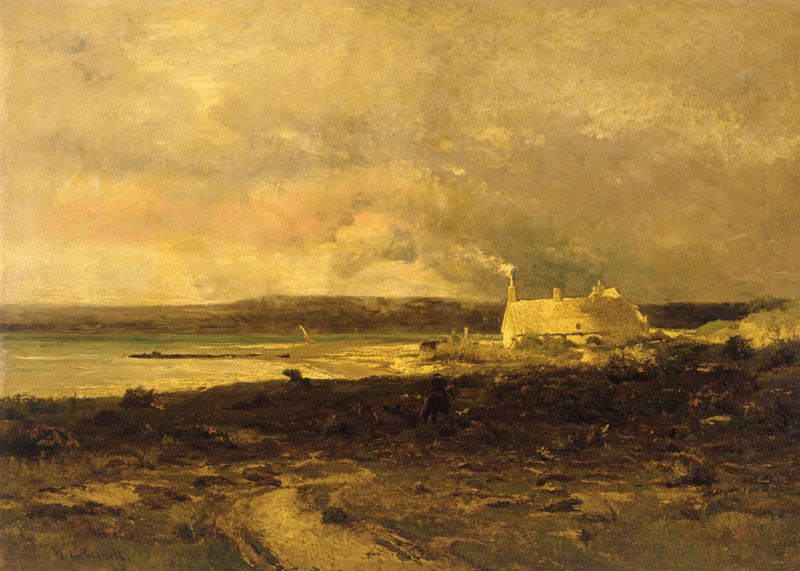
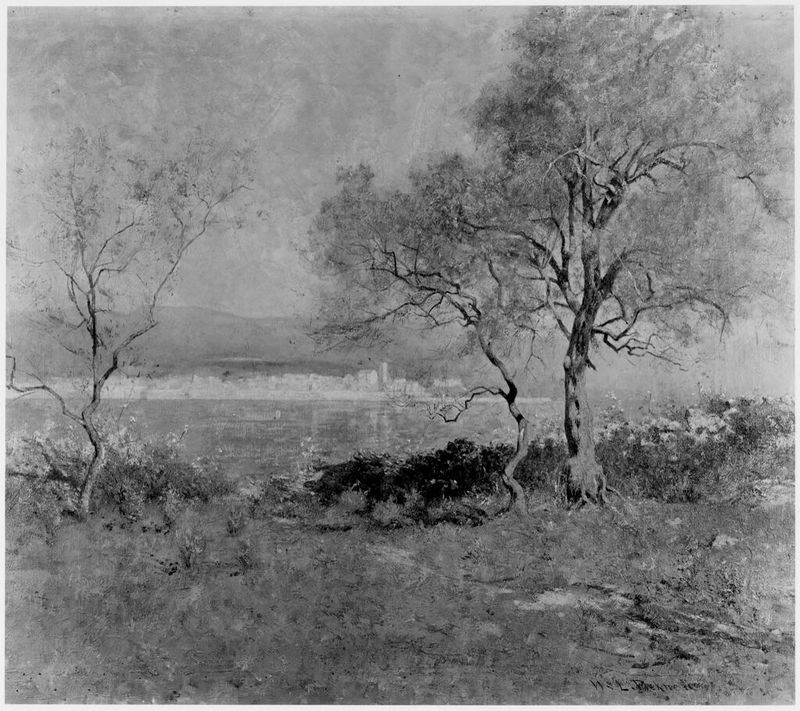
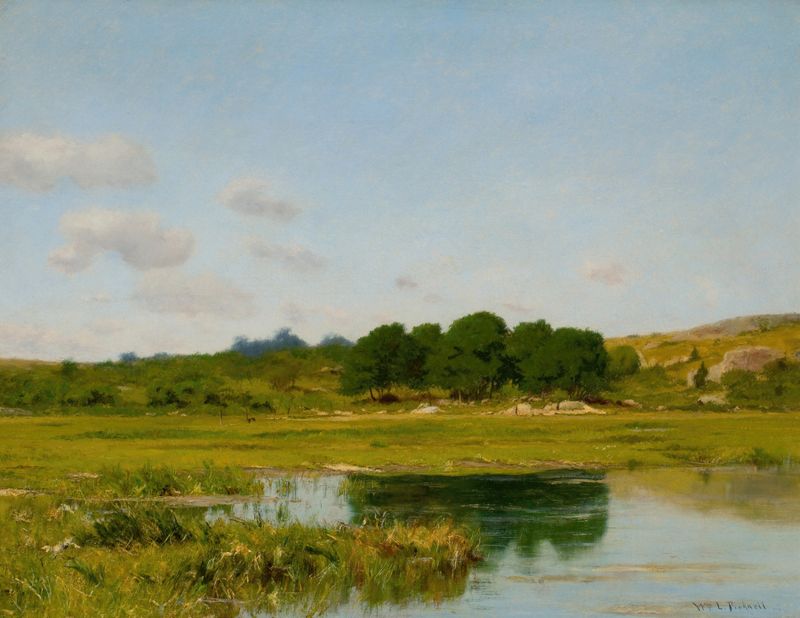
What secret hides in the quiet of the canvas? A stillness fills the air, where whispers of the past linger in the muted colors and gentle brushstrokes, evoking a profound sense of grief and reflection. Look closely at the serene landscape, where the meandering river curves gracefully through the scene. The soft hues of green and brown invite you to explore, while the delicate play of light captures the fleeting moment of dusk. Notice how the trees stand tall, their branches reaching out as if yearning for something lost, and the water reflects the subtle colors of the sky, blurring the line between reality and memory. In this landscape, contrasts abound: the stillness of nature juxtaposes the emotional turmoil beneath the surface.
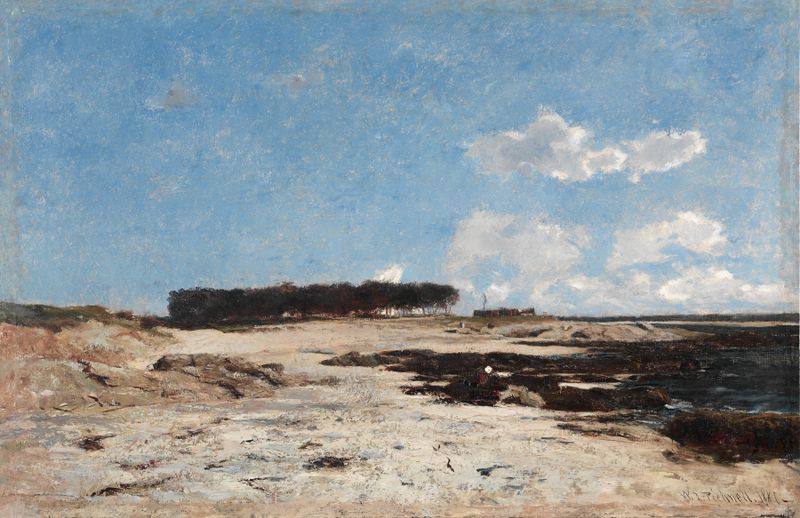
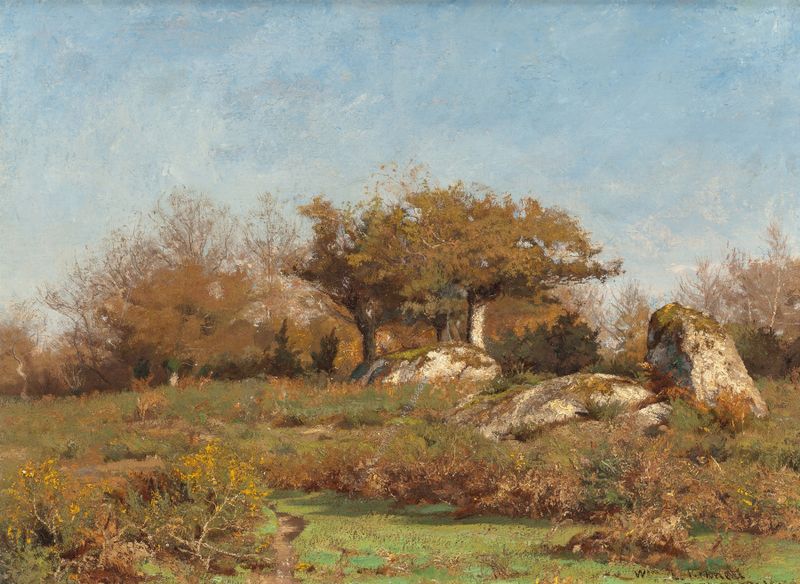
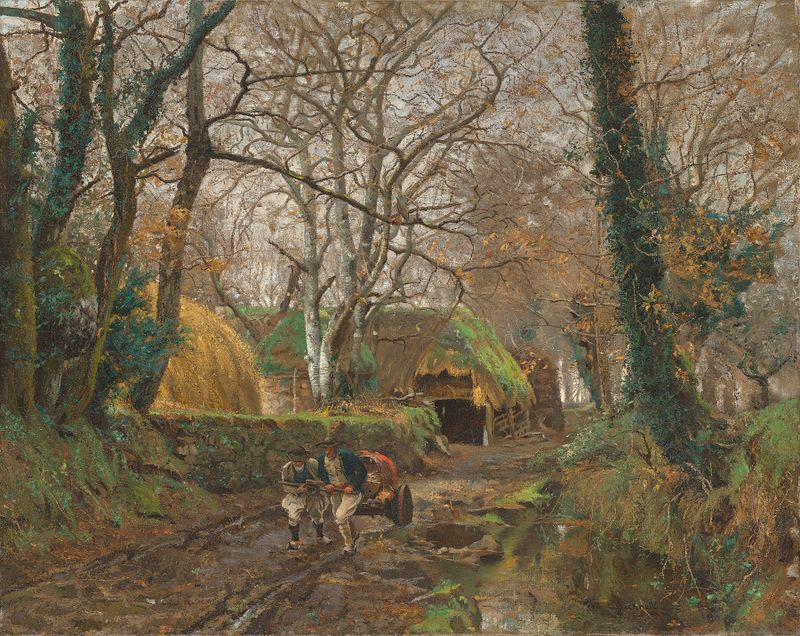
The quiet of the countryside echoes the inner sorrow that lingers, suggesting a story of loss and longing. Small details, like the scattered leaves or the distant cottage, speak volumes about the passage of time and the weight of remembrance, transforming the setting into a vessel for unresolved emotions. William Lamb Picknell created this piece during a period of artistic exploration in the late 19th century. Although the exact date remains undetermined, he painted it while living in France, amidst a burgeoning appreciation for Impressionism.
The tranquility of the French countryside served as both a refuge and a backdrop for his reflections, capturing the complex interplay between nature's beauty and the ache of personal loss.