Springtide — History & Facts
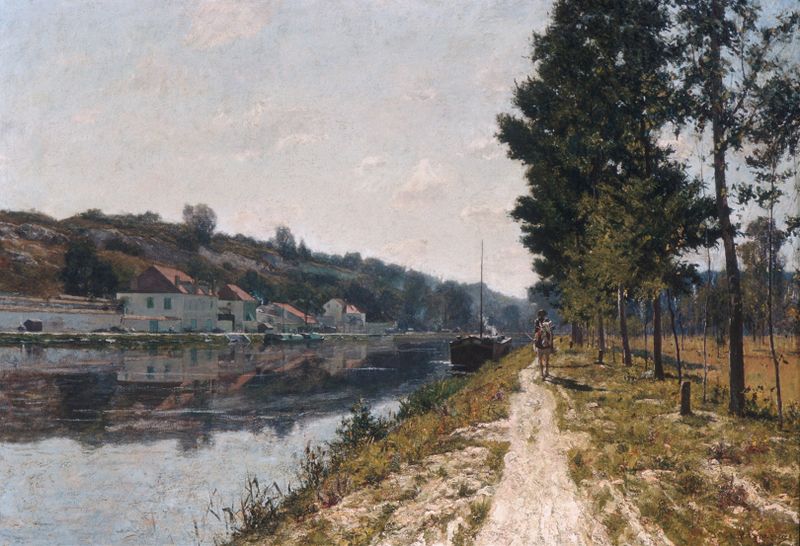
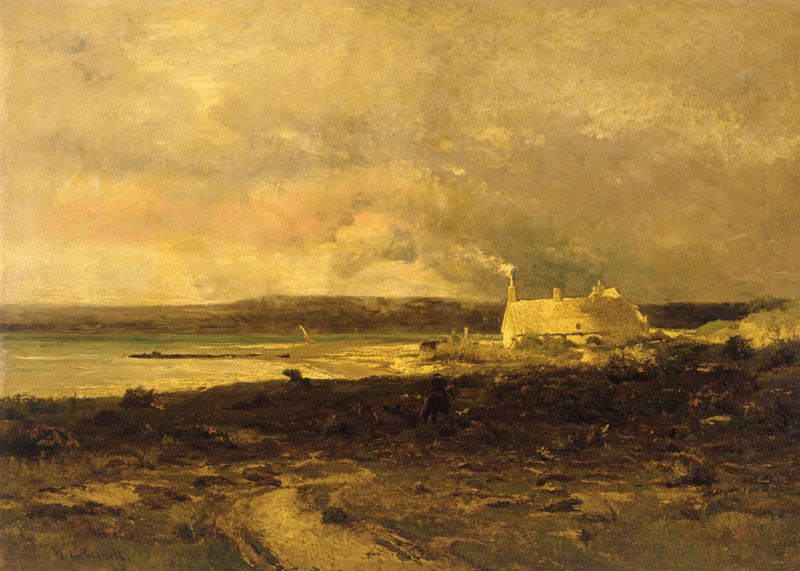
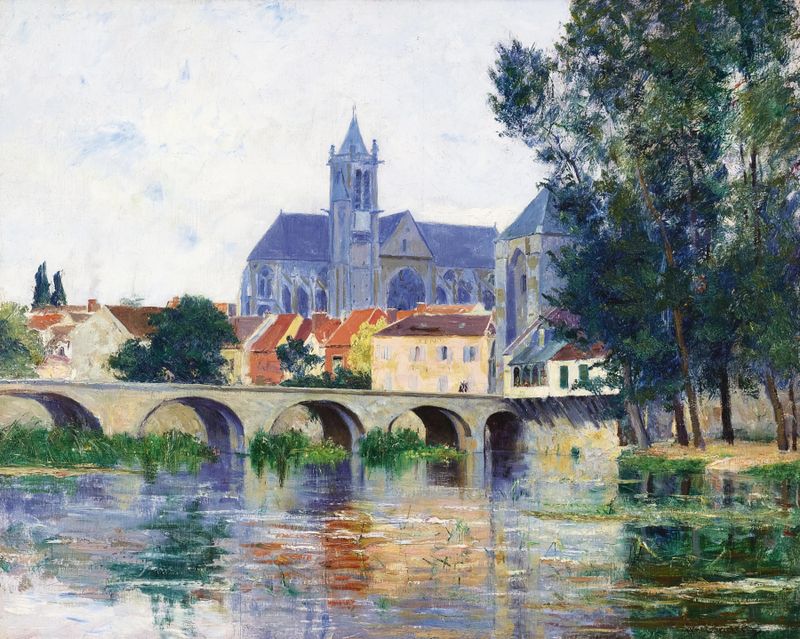
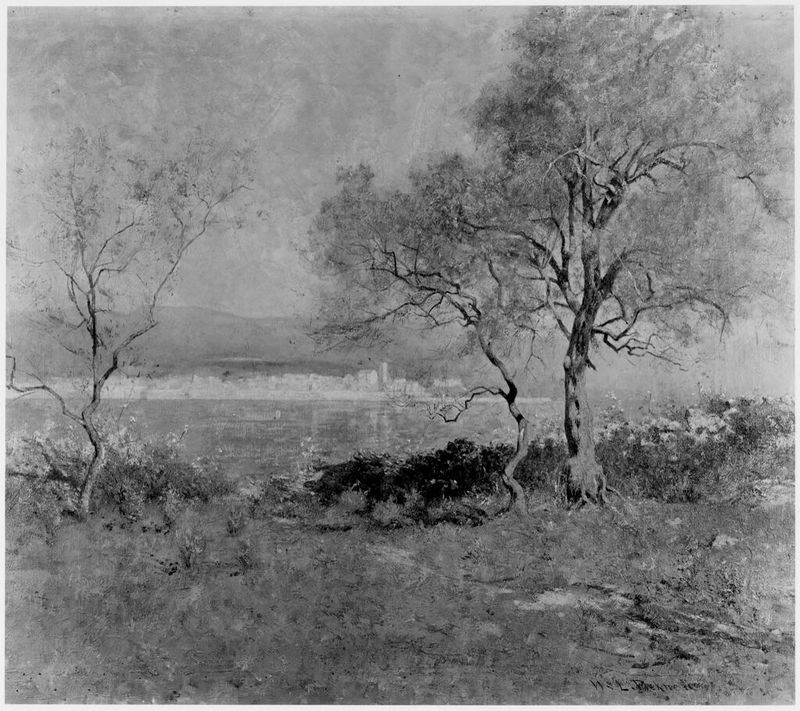
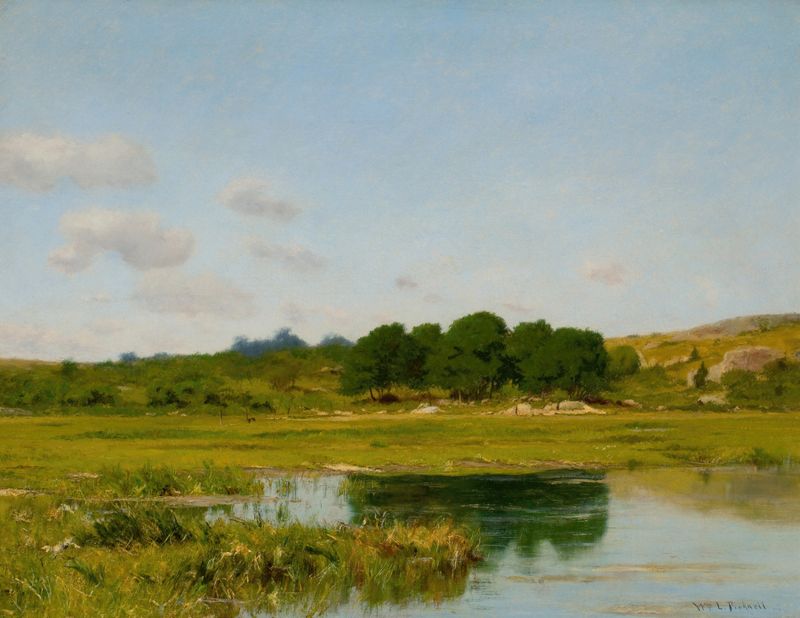
In its stillness, art captures the delicate equilibrium of nature, where each stroke and hue are whispers of balance. Look to the center of the canvas, where soft, inviting greens blend with hints of golden sunlight filtering through the leaves. The gentle play of light creates a serene contrast between the vibrant foliage and the tranquil waters, leading your gaze toward the horizon. Notice how the artist skillfully employs a palette of cool and warm tones, inviting a sense of harmony that draws the viewer deeper into the scene. What lies beneath this serene surface is a profound exploration of seasonal transitions.
The intertwining of spring’s blossoming life and the hint of winter’s retreat offers a visual metaphor for renewal and the cyclical nature of existence. Each brushstroke tells a story of potential and growth, evoking emotions of hope and tranquility amidst the ever-shifting tides of life. In the late 19th century, the artist was immersed in the plein air movement, painting this piece in the idyllic landscapes of New England. During this period, he was exploring the interplay of light and atmosphere, influenced by his contemporaries.
The world was witnessing a shift toward Impressionism, and Springtide embodies both a personal and artistic evolution, reflecting a moment of clarity that mirrored the broader search for balance in a transforming art scene.