Springtime, Antibes — History & Facts
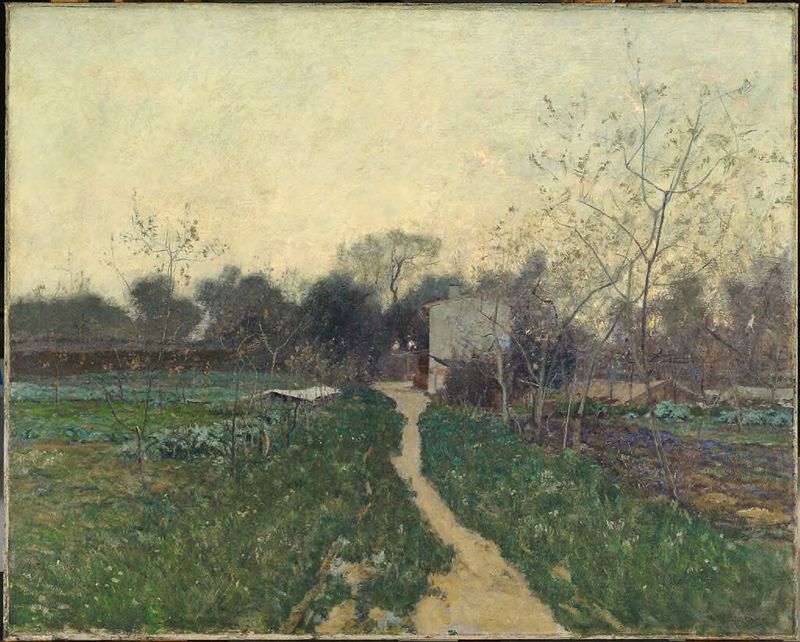
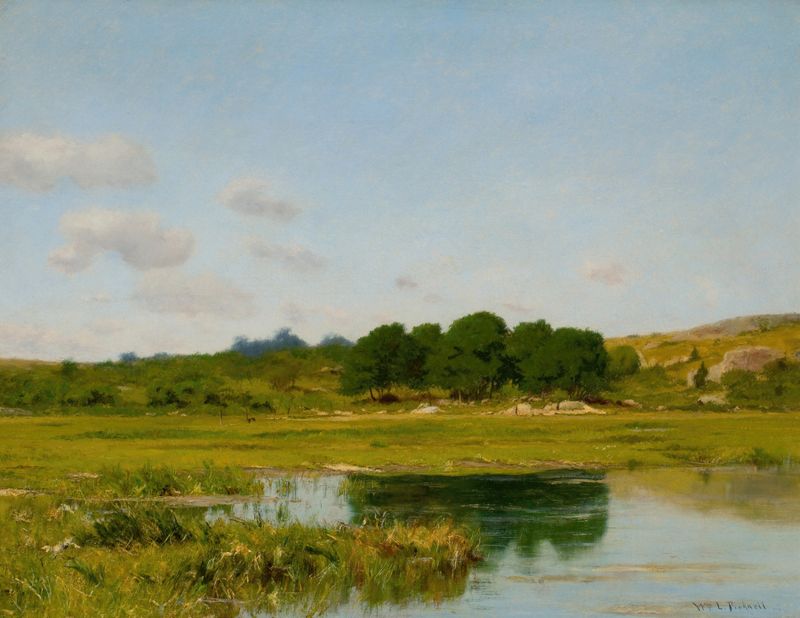
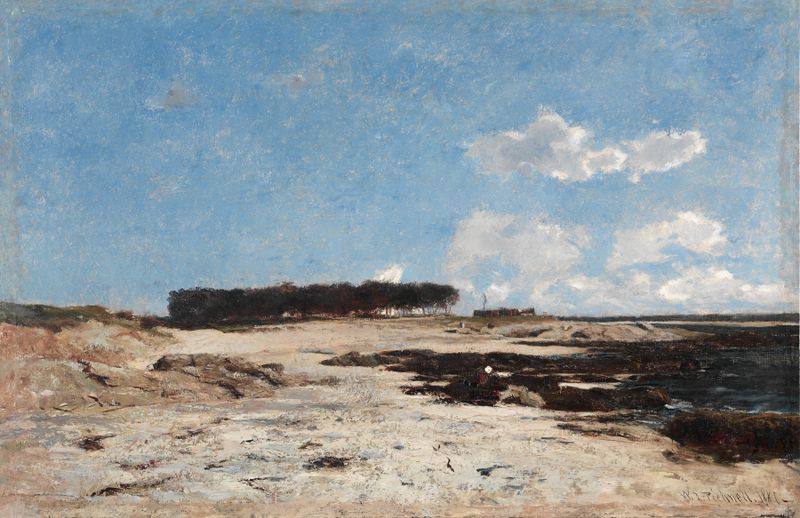
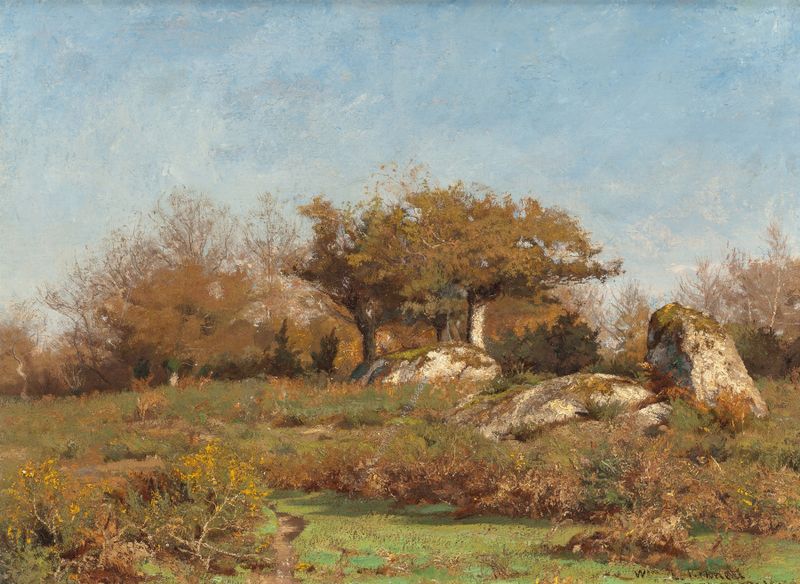
The quietude of nature often speaks louder than words, inviting us to transcend the mundane and glimpse the extraordinary. In Springtime, Antibes, the invitation to such reflection is palpable, coaxing the viewer into a world of serene beauty and contemplative stillness. Look to the center, where the canvas blooms with a soft interplay of greens and blues, capturing the essence of a Mediterranean spring. The gentle strokes reveal a sun-drenched landscape, dappled with the rich hues of foliage and the shimmering sea.
Notice how the light dances across the water's surface, creating a fluid symphony of color that harmonizes with the gentle contours of the hills. The composition draws you in, as if you are standing on the threshold of a peaceful retreat, surrounded by nature’s embrace. Hidden within this idyllic scene lies a poignant contrast between the vibrancy of life and the depth of solitude. The lush vegetation seems to hold secrets, whispering of the stories of those who wandered here before.
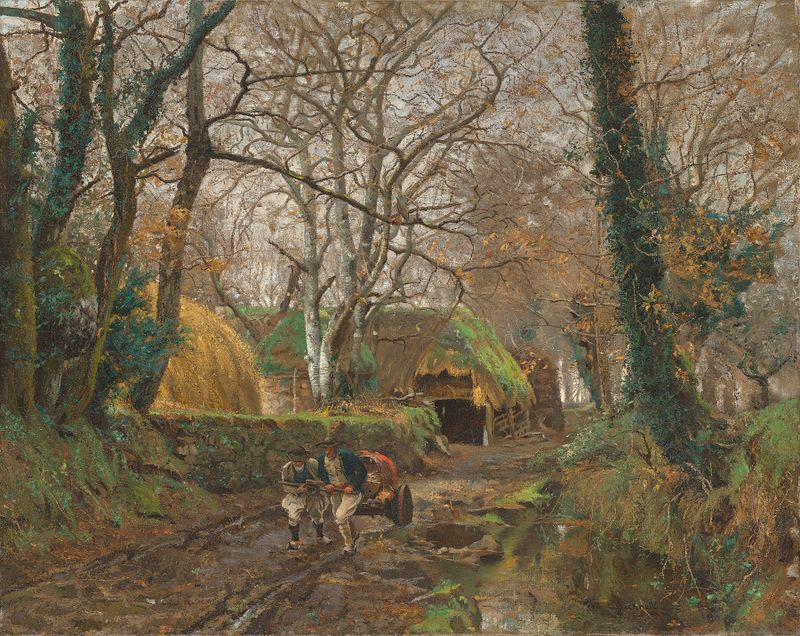
There’s a tension between the exuberance of spring and the underlying tranquility, suggesting a deeper connection to nature that transcends the individual experience. Each brushstroke resonates with introspection, inviting contemplation of our place within the cycle of life. During the years this piece was painted, approximately between 1890 and 1897, the artist found himself increasingly drawn to the luminous landscapes of Southern France. As Impressionism evolved, Picknell embraced its tenets, capturing light and atmosphere with a sensitivity that echoed the artistic movements of his time.
His experiences in this vibrant region reflect both personal evolution and a broader shift in the art world, where the exploration of color and light became a transformative journey for many.