Pont Aven — History & Facts
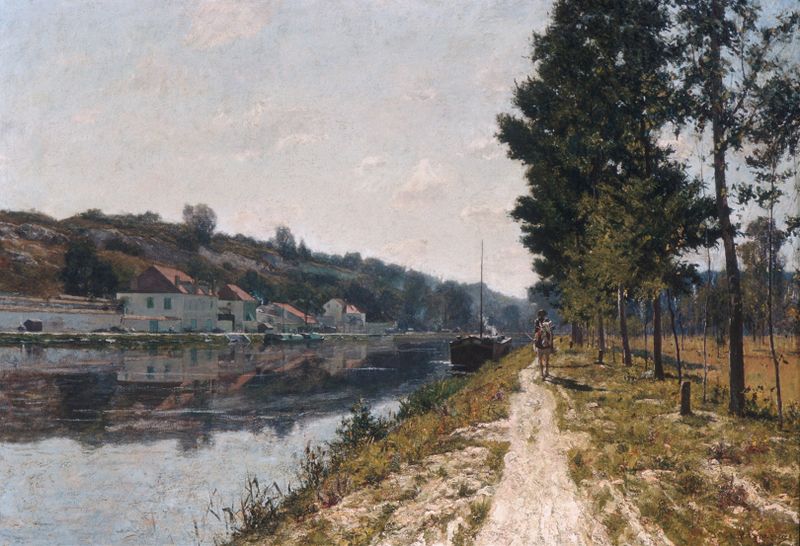
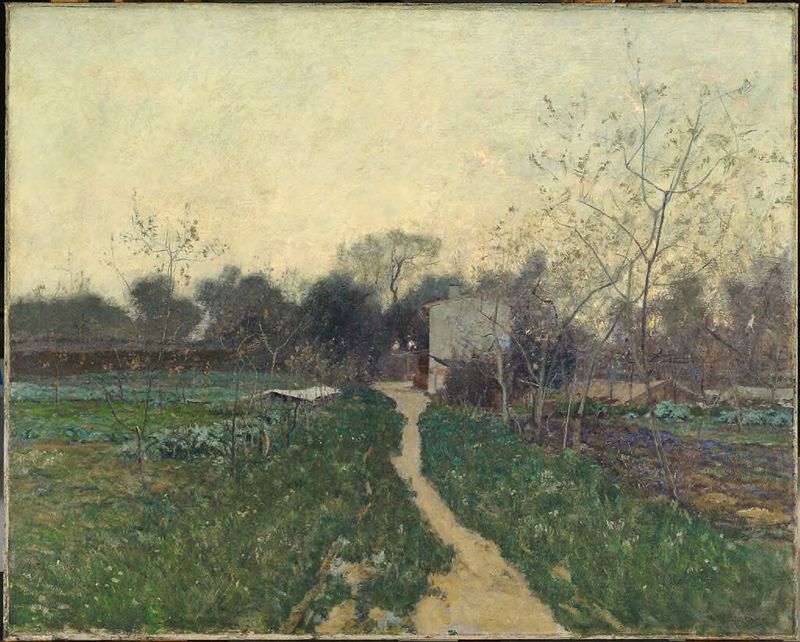
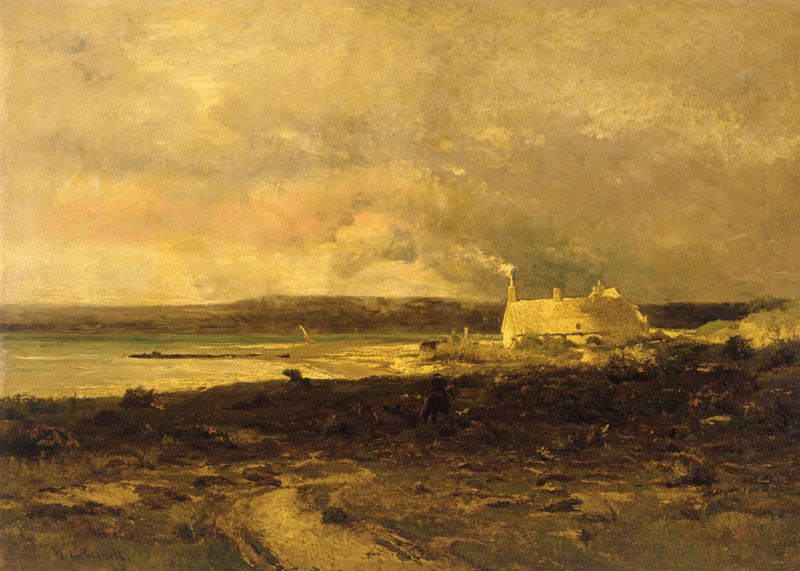
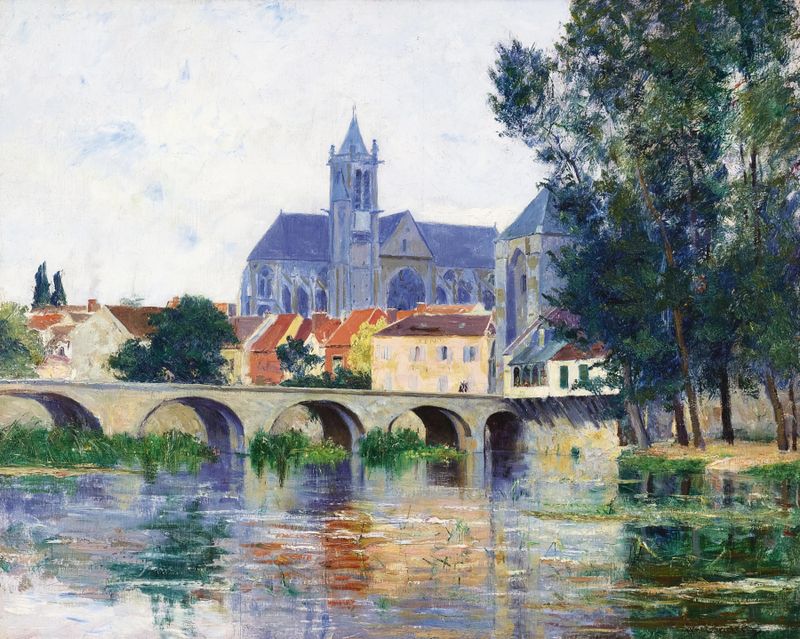
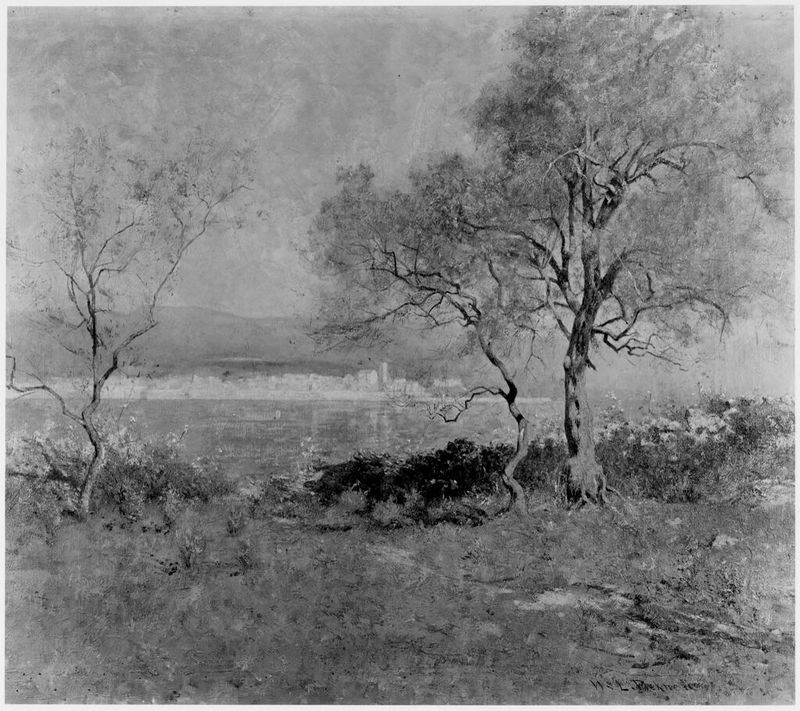
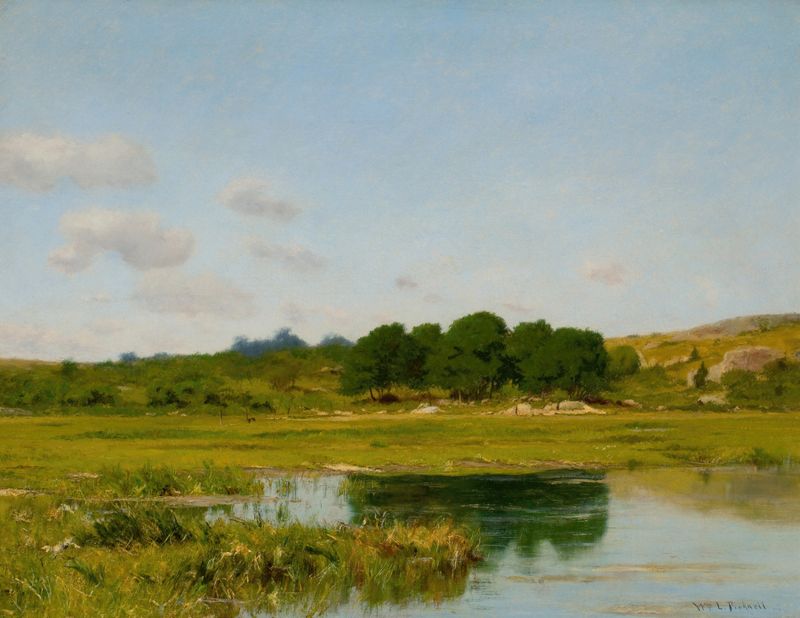
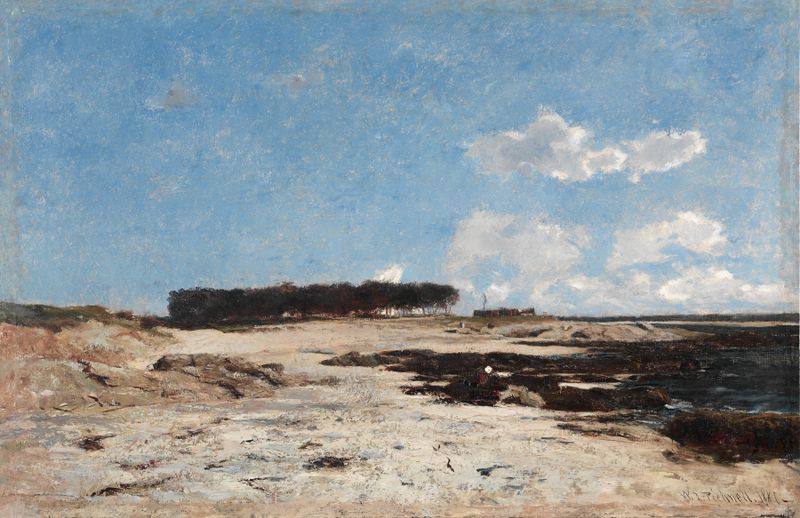
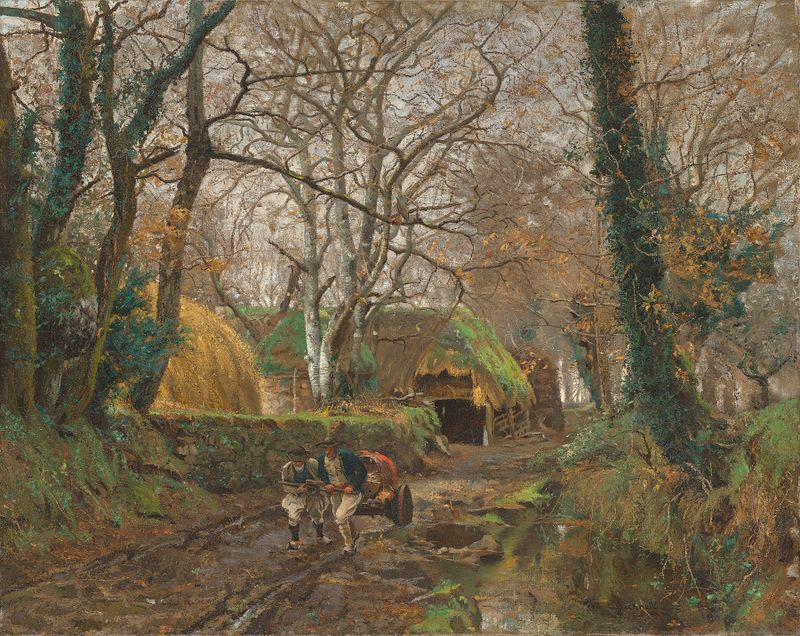
In Pont Aven, the essence of truth is captured in a moment suspended within the vivid strokes of a master artist. This piece draws you into a world where colors and forms intertwine, inviting reflection on the landscape of memory itself. Look to the left, where vibrant greens blend seamlessly into the azure sky, hinting at the lush surroundings of the Breton village. Notice how the river meanders through the scene, its gentle curves echoing the fluidity of life.
The contrast between the bold brushwork of the trees and the delicate play of light on the water draws your eye, creating a sense of movement and stillness simultaneously, as though the canvas breathes. Here, the interplay of light and dark transcends mere decoration; it narrates the emotional landscape of the village. Each shadow holds a whisper of solitude while the bright patches suggest fleeting joy. The figures, though small, represent the connection of humans to nature, standing as sentinels to the tranquility that surrounds them.
This balance of presence and absence evokes a melancholic longing, inviting viewers to search for their own truths within the scene. William Lamb Picknell created this piece in 1886 while living in Pont Aven, a town that became a hub for artists seeking new perspectives. At this time, the artist was exploring the influences of Impressionism, reflecting the dynamic changes in his life and the art world. The vibrant colors and bold techniques he employed signaled a departure from traditional representation, making this work a poignant exploration of both place and identity.