
Moret, the Wood-Mill — History & Facts
In the quiet embrace of this piece, the viewer is drawn into the subtle awe of a wood-mill, where nature and industry intertwine. Start by examining the lower left corner, where the sturdy, weathered timbers of the mill ground against the delicate strokes of the surrounding foliage. The earthy browns of the wood contrast with the vibrant greens, creating a visual harmony that pulls the eye upward, revealing the serene sky above. The interplay between light and shadow reveals the textures of bark and leaf, demonstrating the artist’s meticulous attention to detail and a mastery of color that evokes a sense of tranquility. As you linger, consider the deeper significance of this serene scene.
The juxtaposition of nature's vibrancy with the industrial elements hints at a delicate balance between progress and preservation. The stillness of the figures, absorbed in their work, speaks to the quiet dignity of labor, while the surrounding foliage reminds us of nature's enduring presence amid human endeavor. Each stroke of paint captures not just the scene, but the very essence of coexistence. In 1890, the artist found himself immersed in a rapidly changing France, where impressionism was gaining ground, demanding new interpretations of landscape and life.
Working from his studio, Lepère sought to encapsulate the harmony of rural life during an era marked by industrialization, evoking a sense of nostalgia while celebrating the beauty of craftsmanship and the serene landscapes that framed it.
More Artworks by Auguste Louis Lepère
Browse all →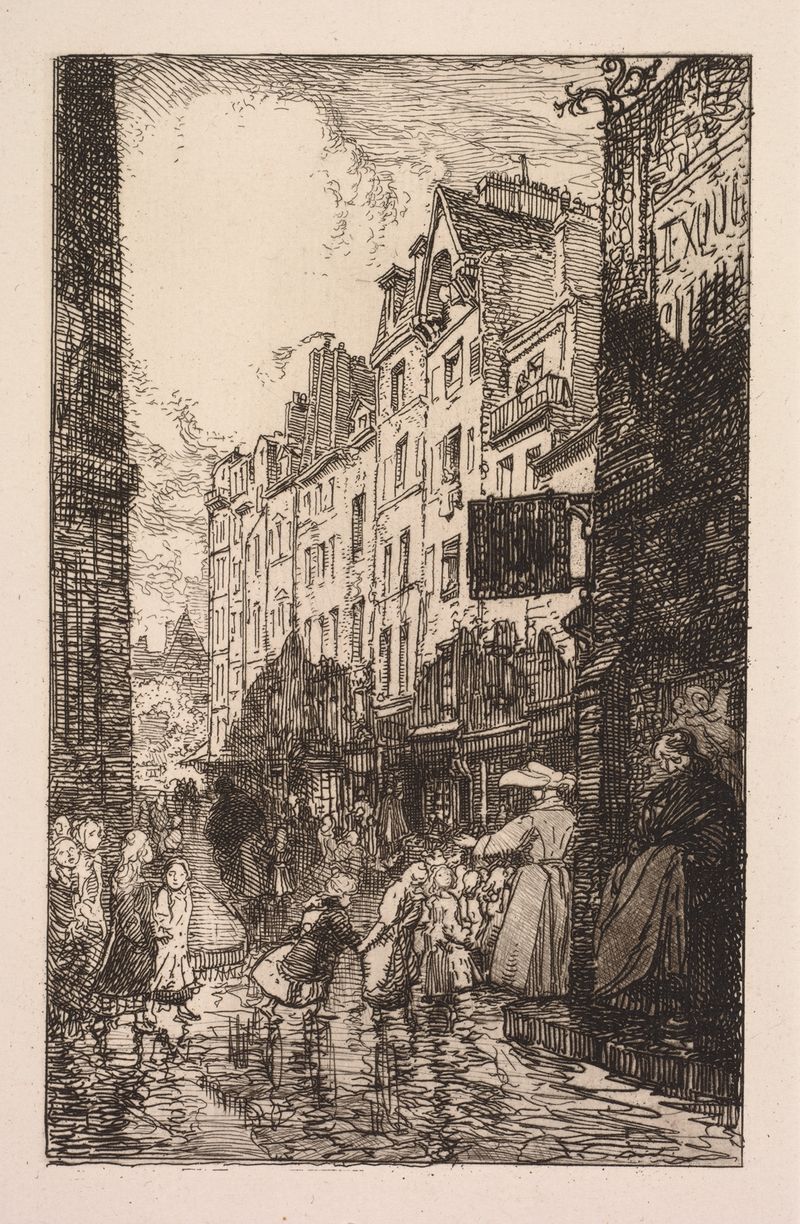
La Rue des Prêtres Saint-Séverin
Auguste Louis Lepère
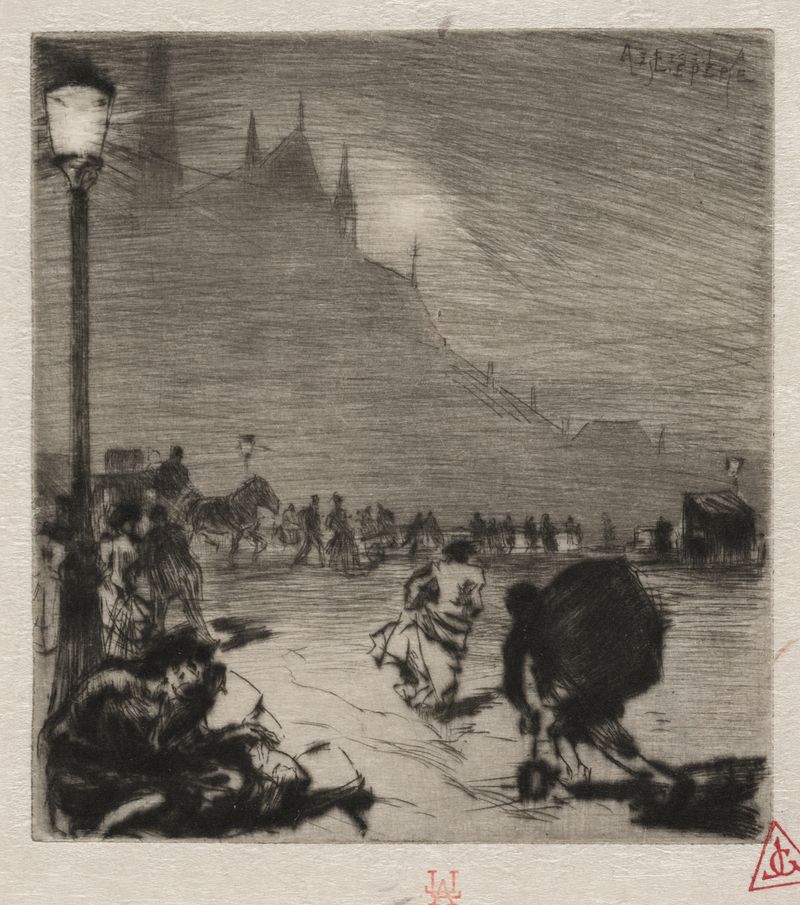
Au Coin du Pont-aux-Doubles
Auguste Louis Lepère
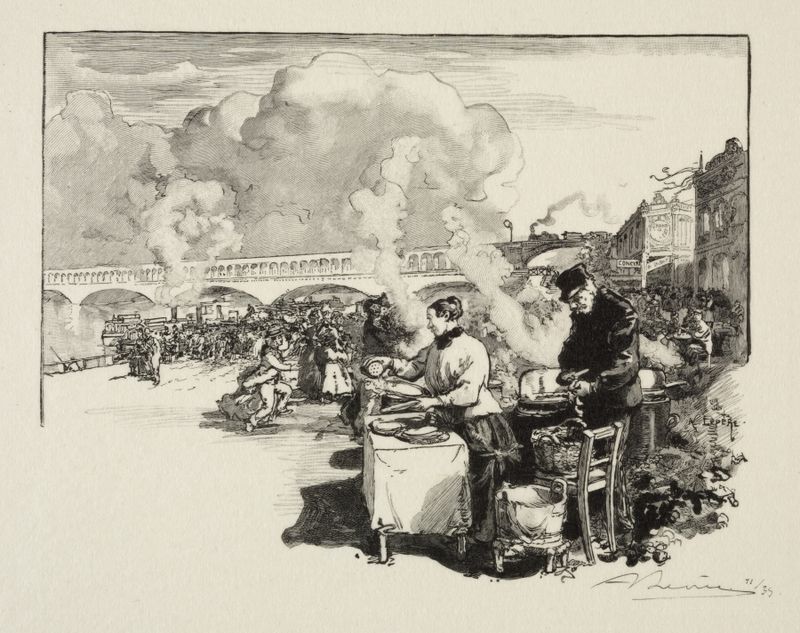
Debarcadère des bateaux-omnibus
Auguste Louis Lepère

La Seine, au quai de la Rapée
Auguste Louis Lepère
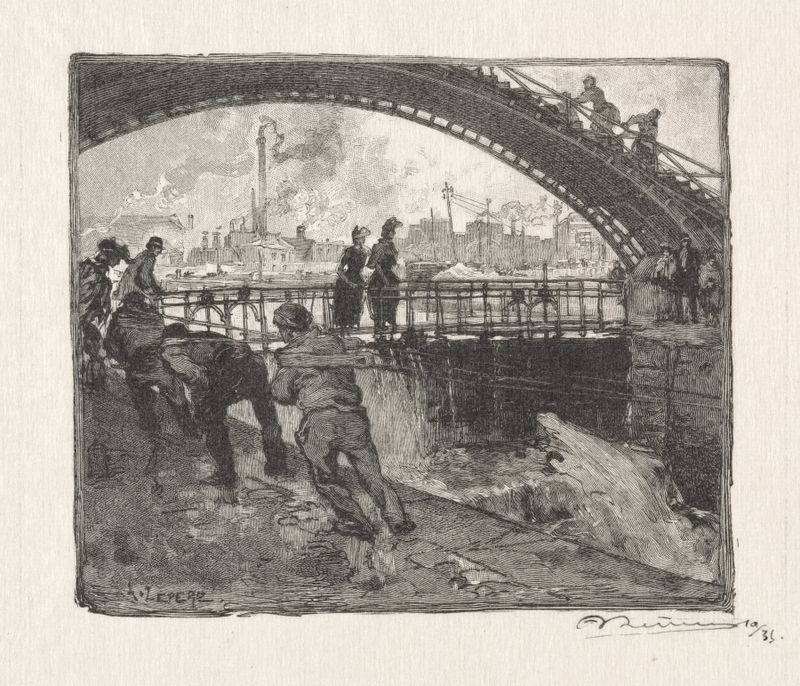
L’Ecluse du Canal St. Martin
Auguste Louis Lepère

Le Boulevard Montmartre, le Soir
Auguste Louis Lepère

Une Chasse au Mont Gérard
Auguste Louis Lepère
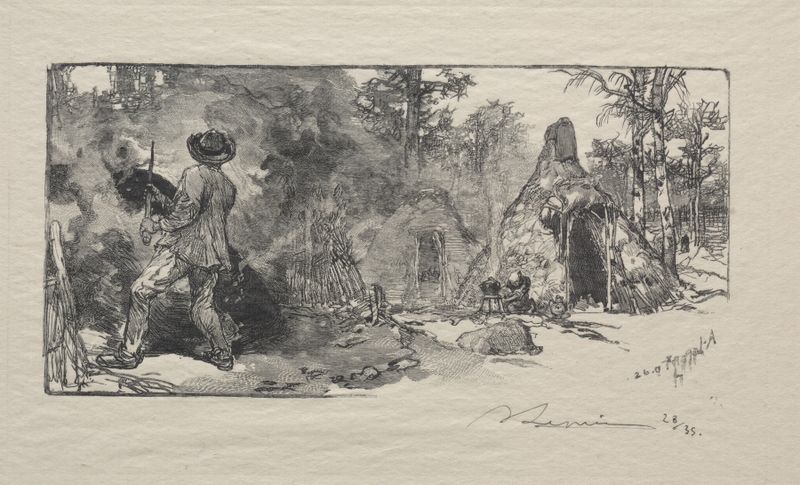
Les Charbonniere
Auguste Louis Lepère
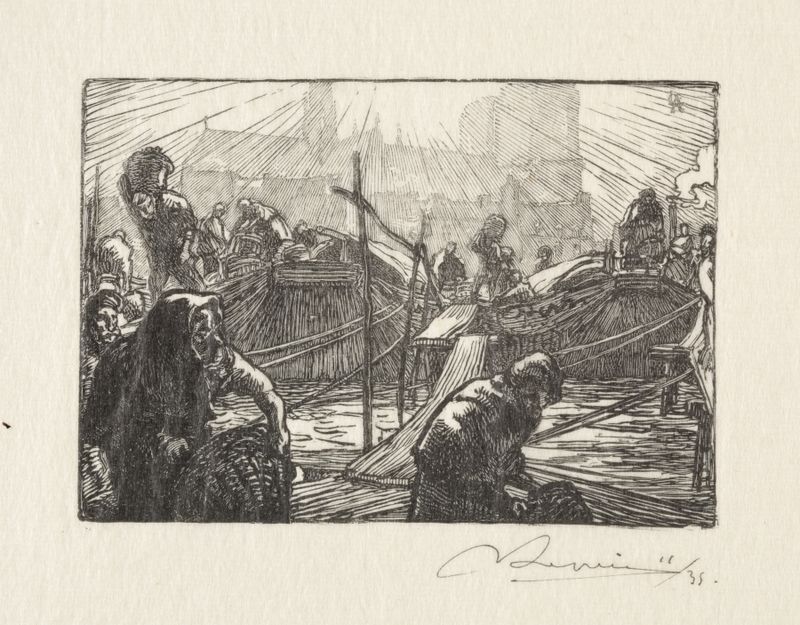
Notre Dame vue du Marché aux pommes
Auguste Louis Lepère

Le Palais des Arts Liberaux, Intèrieur
Auguste Louis Lepère





