
Morgue – Paris — History & Facts
In the hushed stillness of a morgue, the haunting juxtaposition of life and death beckons contemplation. The serene beauty of the human form collides with the stark reality of mortality, challenging our faith in the eternal. Look to the center of the canvas where a lifeless figure lies draped in muted tones, the skin almost luminescent against the somber backdrop. The artist’s brushwork captures the tension between the soft curvature of the body and the cold, clinical environment, creating a dialogue between vulnerability and the inevitability of decay.
Notice the gleam of light that bathes the figure, as if to exalt its existence even as it succumbs to oblivion. Beneath the surface, a profound conflict emerges: the fragility of human life set against the relentless passage of time. The contrasting shades reveal not just the physical state of the body but also the emotional resonance of loss and mourning. This work subtly invites viewers to wrestle with their own beliefs about life, death, and the spirit that lingers even in the stillness of the afterlife. In 1900, Wojciech Weiss was living in Paris, a city throbbing with artistic innovation and existential inquiry.
This was a time when artists were grappling with themes of realism and symbolism, exploring the human condition through a lens of raw honesty. As Weiss painted Morgue – Paris, he was deeply influenced by the societal shifts around him, reflecting both personal struggles and the broader questions of faith that haunted a world on the brink of modernity.
More Artworks by Wojciech Weiss
Browse all →
Kraków w oddali II
Wojciech Weiss
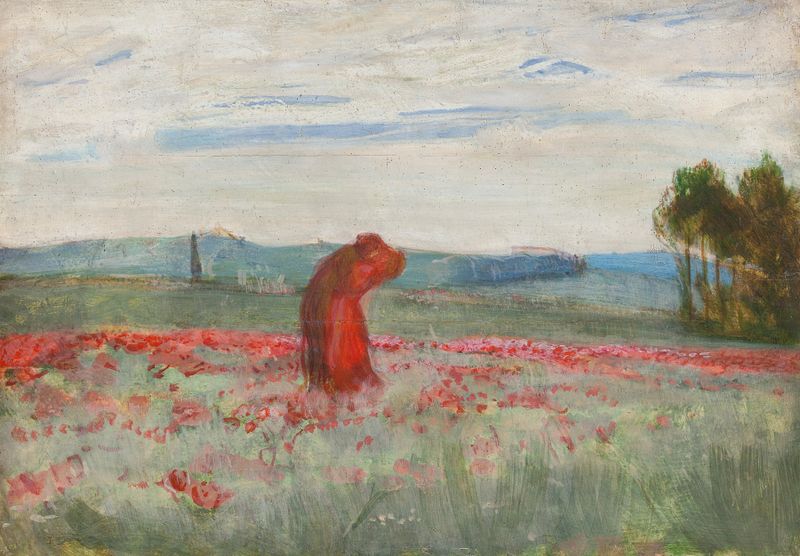
Pocałunek wśród maków
Wojciech Weiss

Calvary
Wojciech Weiss
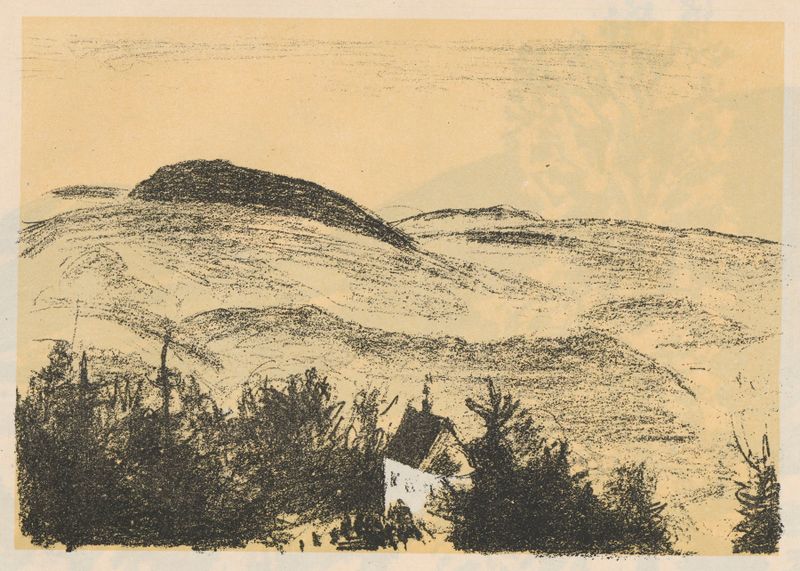
Kalwaria
Wojciech Weiss

Landscape with Trees
Wojciech Weiss
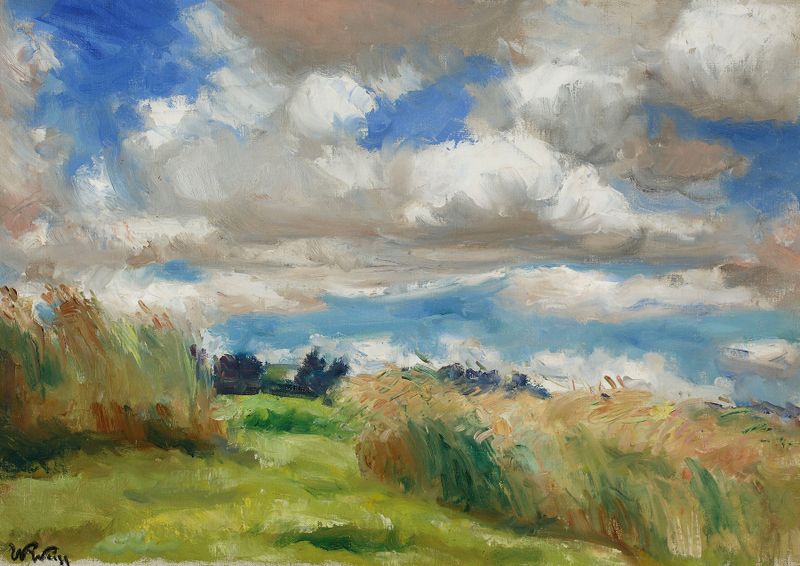
Landscape of Kalwaria Zebrzydowska
Wojciech Weiss

Apple-Trees
Wojciech Weiss
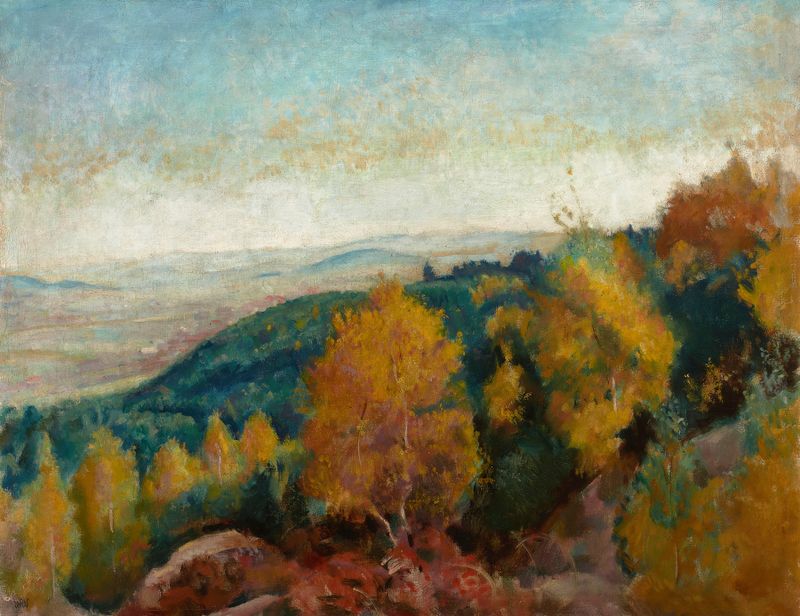
Autumn Landscape – Environs of Kalwaria Zebrzydowska
Wojciech Weiss

In the garden
Wojciech Weiss

Landscape with hollyhocks
Wojciech Weiss





