
Morning after Storm, Mid-Atlantic — History & Facts
What secret hides in the quiet of the canvas? In the aftermath of a storm, nature's serenity often conceals a deeper tumult, echoing the betrayal of tranquility distorted by chaos. Look to the left, where wisps of cloud cling to the horizon, their edges illuminated by a fragile light that suggests both promise and peril. The landscape opens up to a vast expanse of muted greens and browns, rich with the remnants of a tempest, while a gentle breeze ripples through the grasses in the foreground. Notice how the artist's brushwork, simultaneously bold and delicate, captures a moment of hesitation—nature at once recovering and yet still reeling from the storm's wrath. Beneath the surface calm lies a tension between hope and desolation.
The tranquil colors contrast sharply with the jagged outlines of darkened clouds, hinting at past turmoil. Here, the stillness offers no comfort; it reveals the frailty of peace, as if nature itself is grappling with the echoes of betrayal left behind by the storm's fury. Each stroke holds a whisper of the chaos just passed, inviting the viewer to contemplate the complexities of resilience. In 1914, Thomas Moran painted this masterpiece during a time when the world stood on the brink of great change.
His work reflected the beauty and vulnerability of the American landscape, a theme that resonated deeply as society faced the impending turmoil of World War I. The artist, known for his romantic landscapes, continued to explore the relationship between nature and human emotion, imbuing each canvas with a sense of contemplation and reverence for the natural world.
More Artworks by Thomas Moran
Browse all →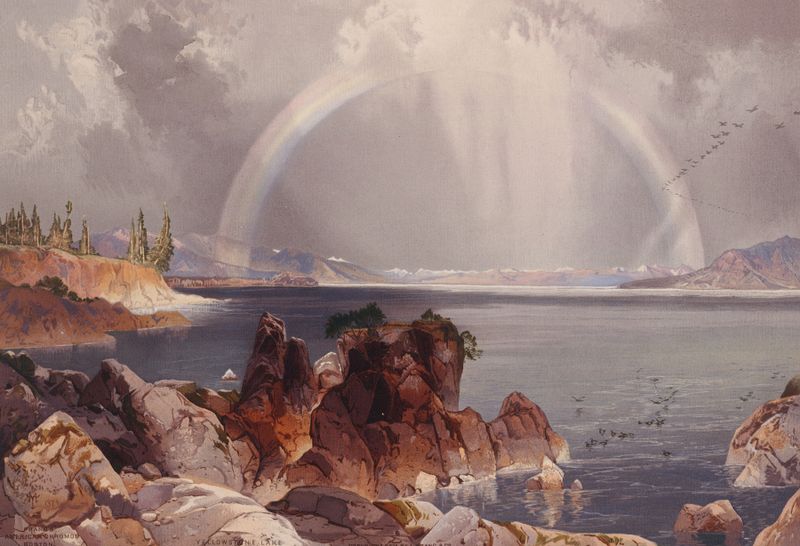
Yellowstone Lake
Thomas Moran

Grand Canyon of the Colorado River
Thomas Moran

Grand Canyon, Colorado River
Thomas Moran

The Towers of Tower Falls, Yellowstone
Thomas Moran
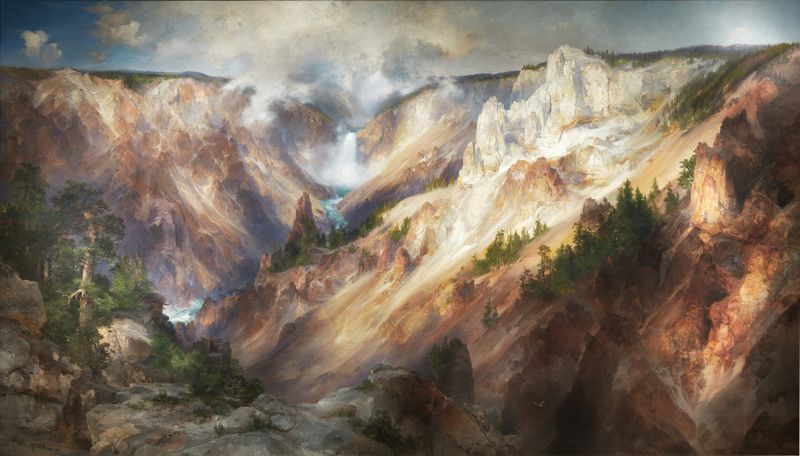
The Grand Canyon Of The Yellowstone
Thomas Moran

Mountain of the Holy Cross
Thomas Moran

Cliffs Of The Upper Colorado River, Wyoming Territory
Thomas Moran
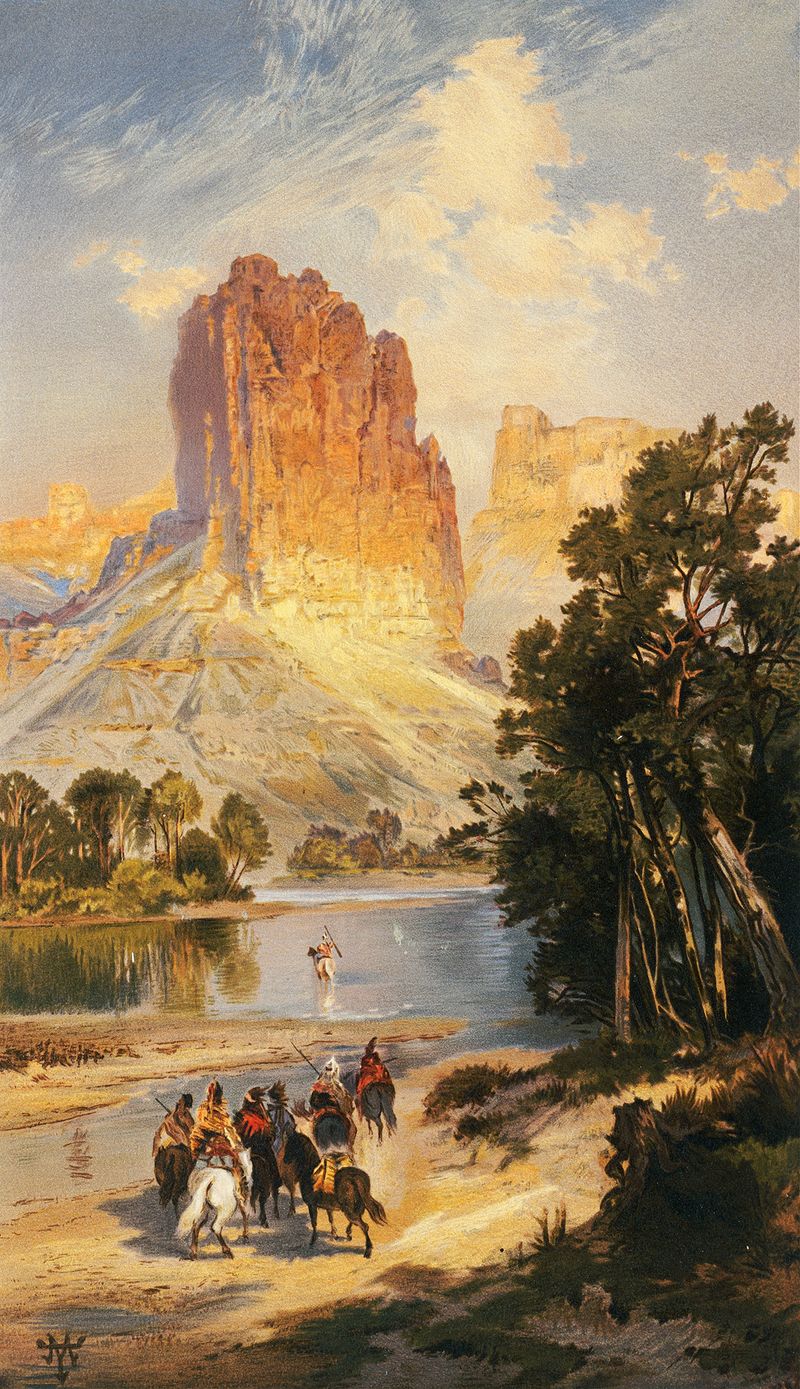
Cliffs of the Upper Colorado River, Wyoming Territory
Thomas Moran

Mammoth Hot Springs, Yellowstone
Thomas Moran
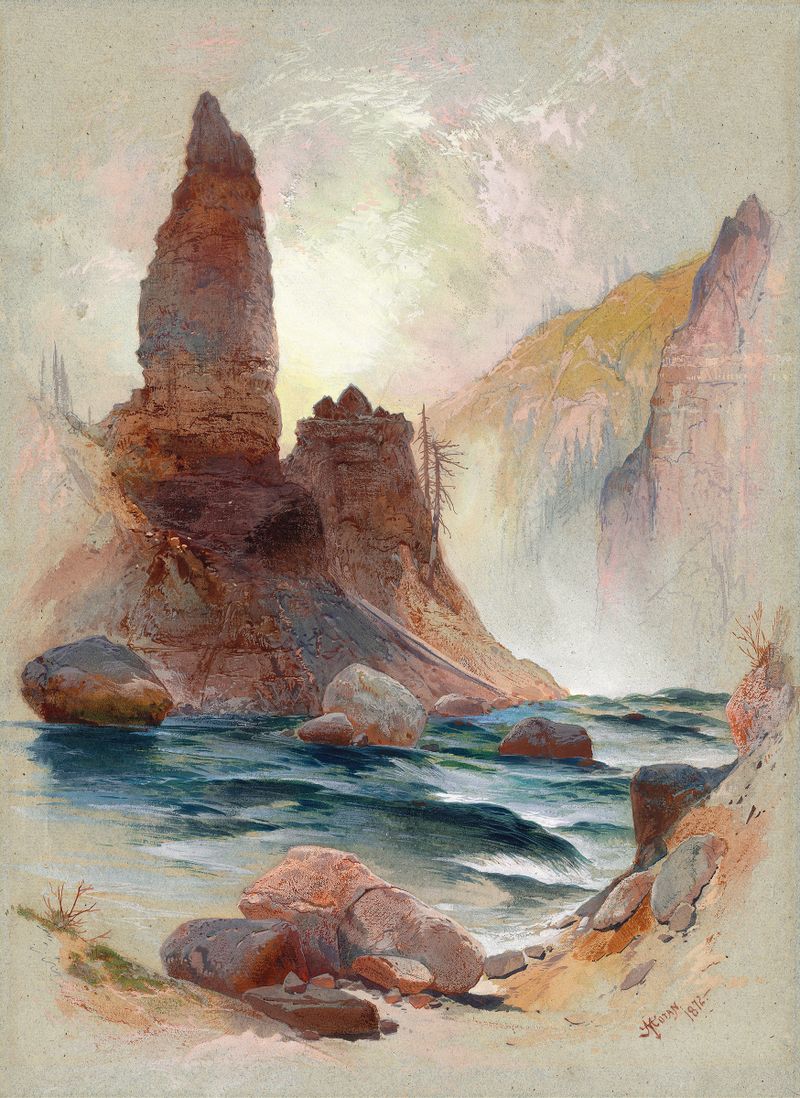
Tower at Tower Falls, Yellowstone
Thomas Moran





