Morning Haze — History & Facts
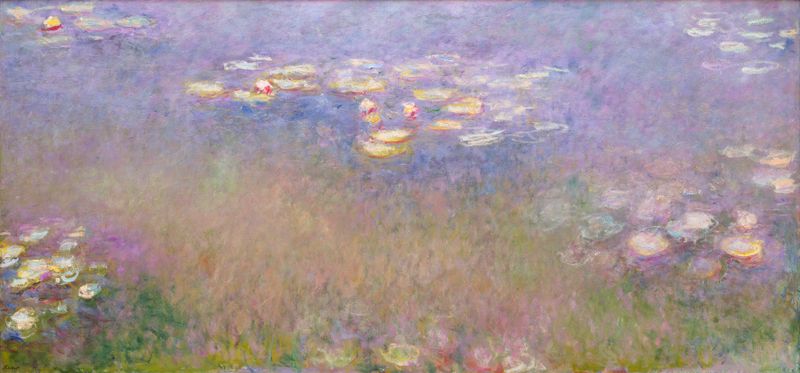
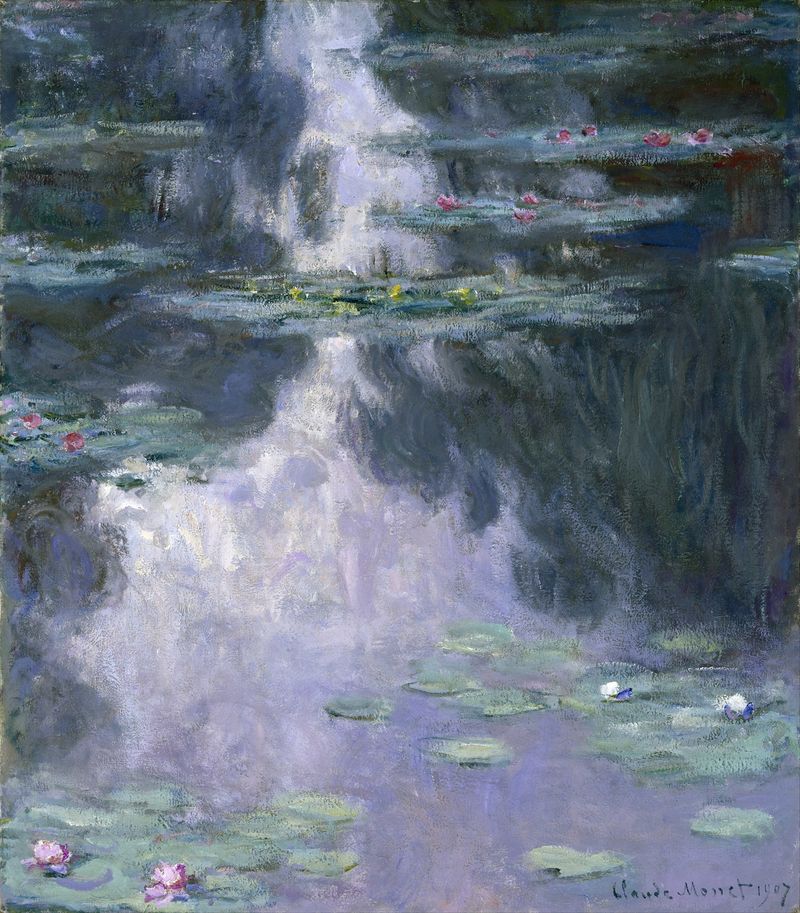
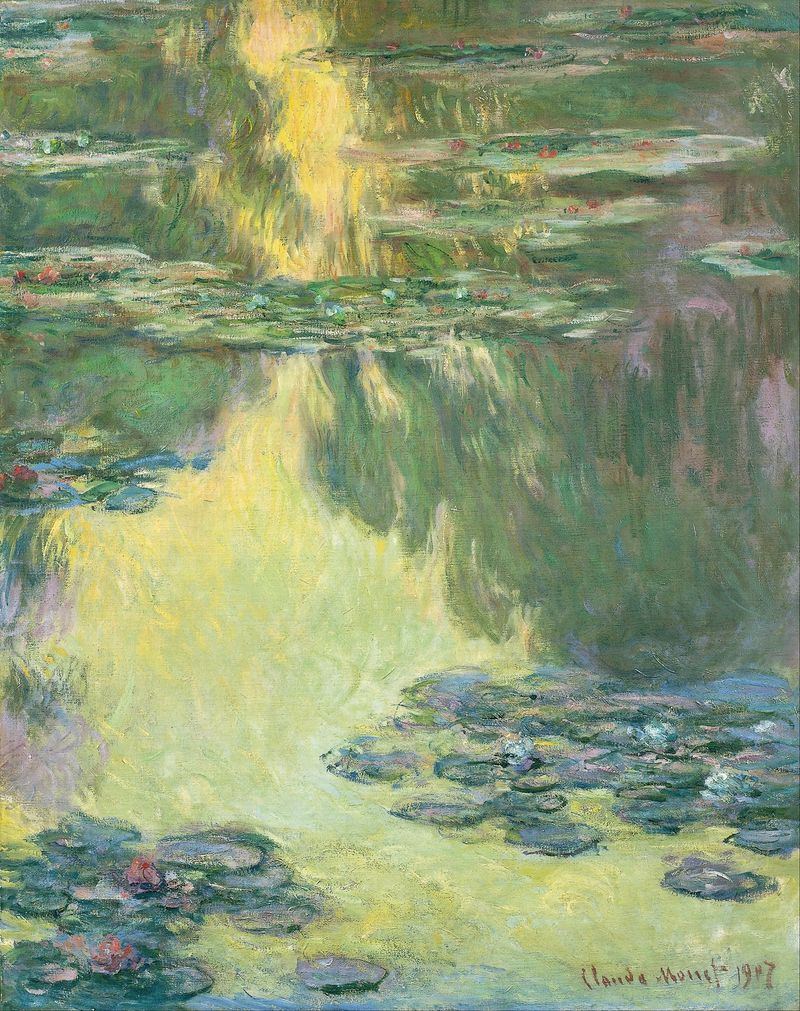
Could a single brushstroke hold eternity? In Morning Haze, the awe of nature’s ephemeral beauty is translated into a symphony of color and light that invites reflection on the passage of time. Look to the foreground, where soft hues of blue and lavender dance across the canvas, creating a mist that clings to the landscape. Notice how the light filters through, illuminating the delicate strokes that define the trees and water, almost as if they are whispering secrets of dawn. The colors blend seamlessly, capturing the moment just before the sun fully emerges, evoking a gentle tranquility that resonates deep within us. Yet beneath this serene surface lurks a poignant tension—the fleeting nature of morning itself.
The haziness speaks to the ephemeral quality of life, a reminder that beauty is often temporary. The delicate balance between light and shadow hints at the struggles of perception; what we see is not always what exists, and reality is often obscured by our own interpretations. Each brushstroke feels deliberate yet spontaneous, encapsulating the paradox of permanence within transience. In 1888, Monet painted this artwork in Giverny, where he sought to capture the changing effects of light and atmosphere on the landscape.
During this period, he was immersed in a transformative phase of Impressionism, pushing the boundaries of traditional techniques while exploring new ways to depict nature. His work reflects both personal exploration and a broader movement within art, as he cultivated an ever-deepening connection with the world around him.