
Mors Janua Vitae (Death is the gate to life) — History & Facts
In Mors Janua Vitae, Koloman Moser presents a striking interplay of colors and forms. The painting features a central figure, often interpreted as a personification of death, surrounded by vibrant flora and ethereal elements. The use of deep blues and bright yellows creates a dramatic contrast that draws the viewer's eye.
The setting appears to be a dreamlike landscape, blurring the lines between life and death. The painting is executed in oil on canvas, a medium that allows for rich textures and vivid colors. Moser's technique includes smooth brushwork that enhances the flowing forms and organic shapes within the composition. The dimensions are approximately 100 x 120 cm, making it a sizable piece that commands attention.
Viewers can appreciate the intricate details and the harmonious balance of elements throughout the work. Koloman Moser was a prominent figure in the Vienna Secession movement, known for his innovative designs and contributions to decorative arts. Mors Janua Vitae reflects his interest in symbolism and the exploration of existential themes. An interesting fact about this work is its duality; while it depicts death, it also emphasizes the continuity of life, inviting viewers to reflect on their own perceptions of mortality.
Moser's ability to blend art with philosophical inquiry makes this piece significant in his oeuvre.
More Artworks by Koloman Moser

Butterfly
Koloman Moser
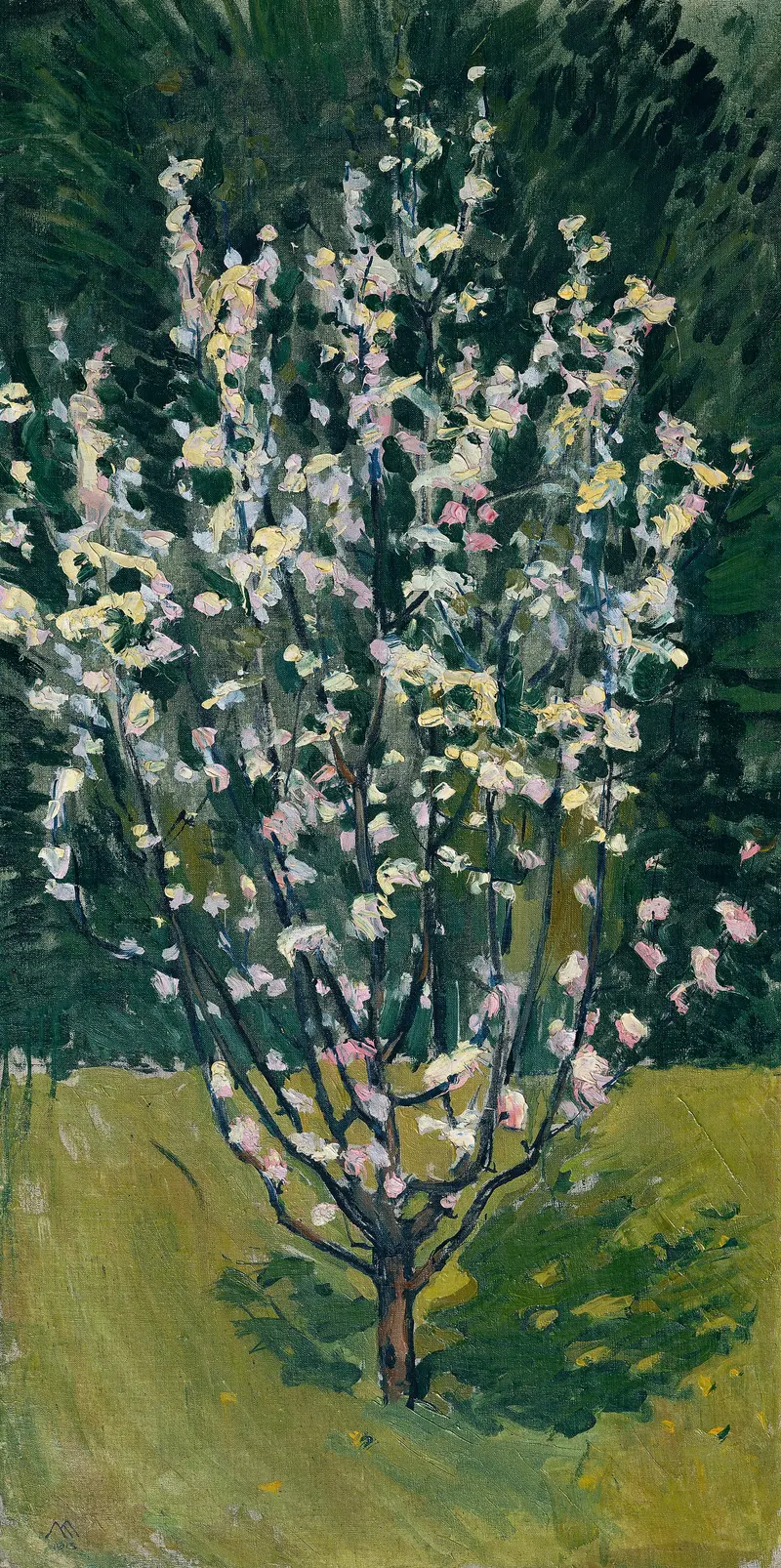
Blühendes Bäumchen
Koloman Moser
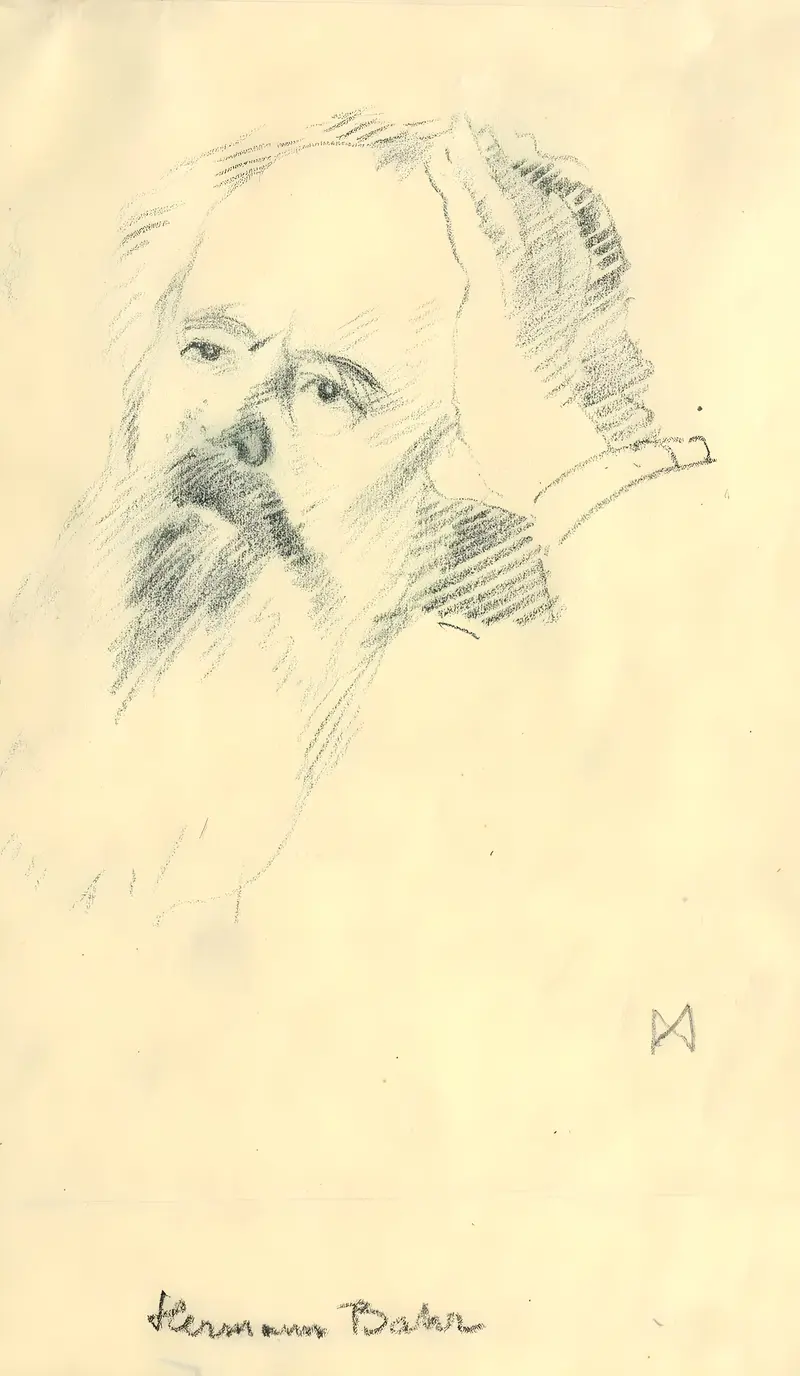
Porträt Hermann Bahr
Koloman Moser

Lesendes Mädchen
Koloman Moser

Liebespaar
Koloman Moser
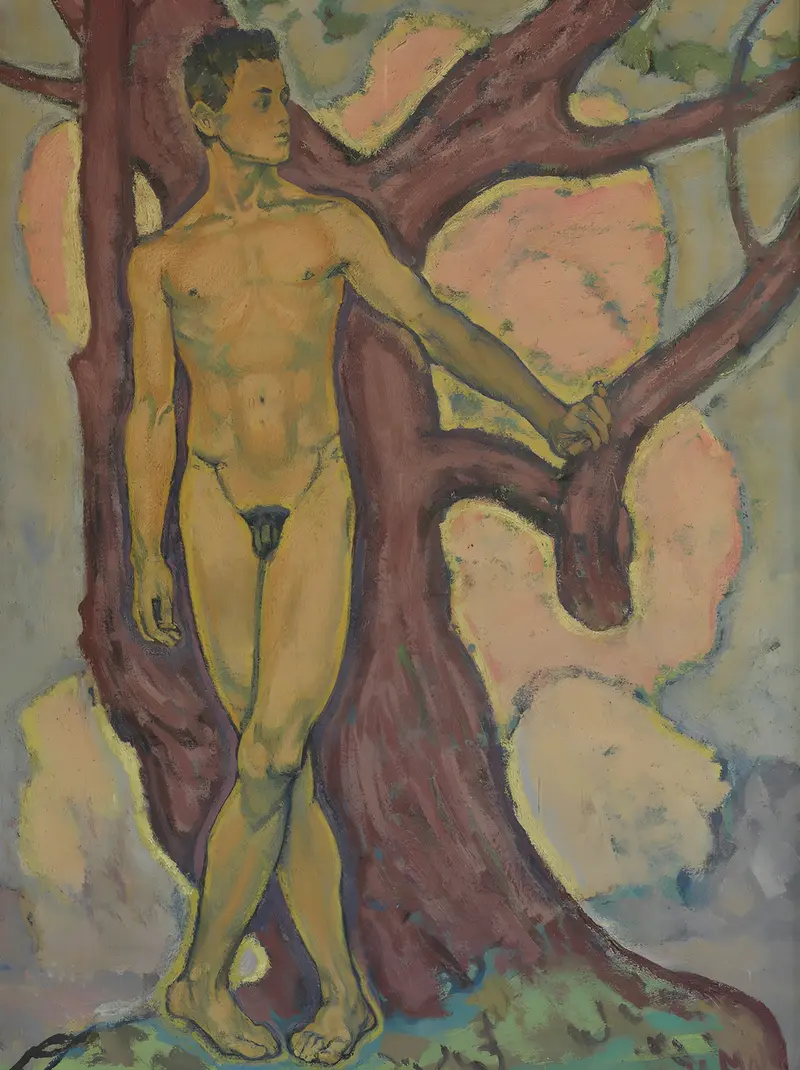
Allegorie Jüngling
Koloman Moser
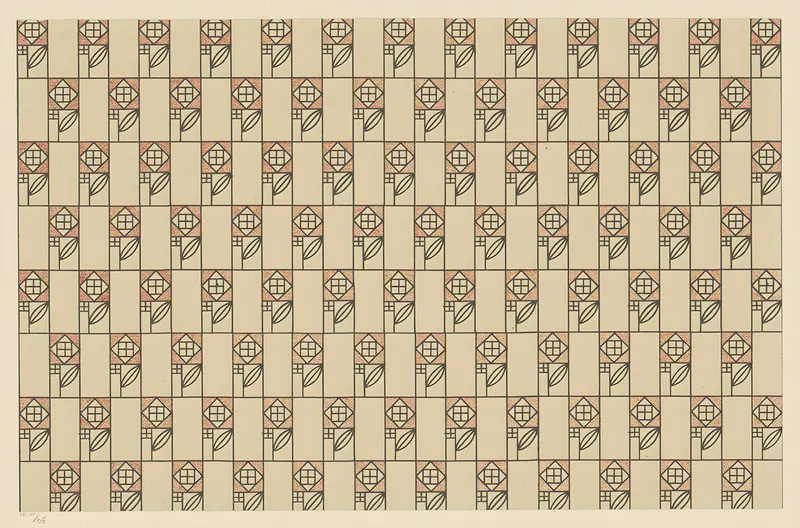
Einwickelpapier der Wiener Werkstätte mit Rosenmarke
Koloman Moser
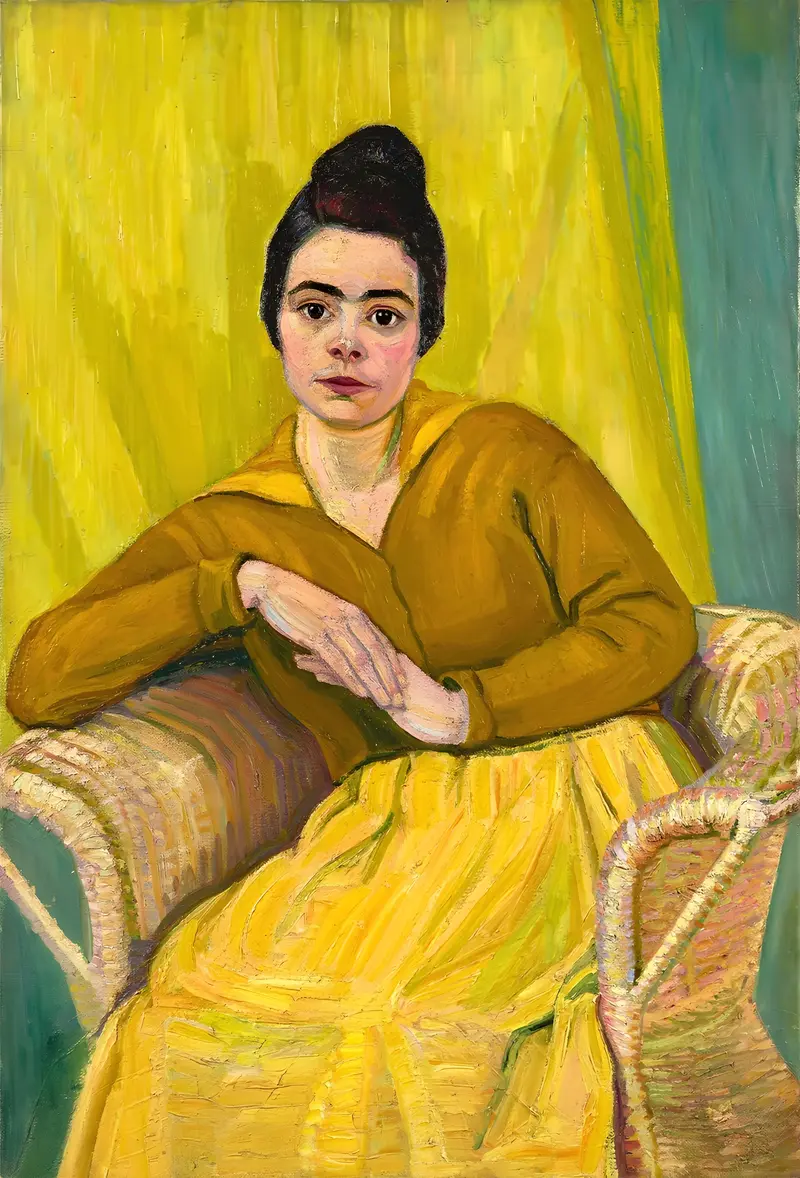
Sitzende Dame im Korbstuhl
Koloman Moser
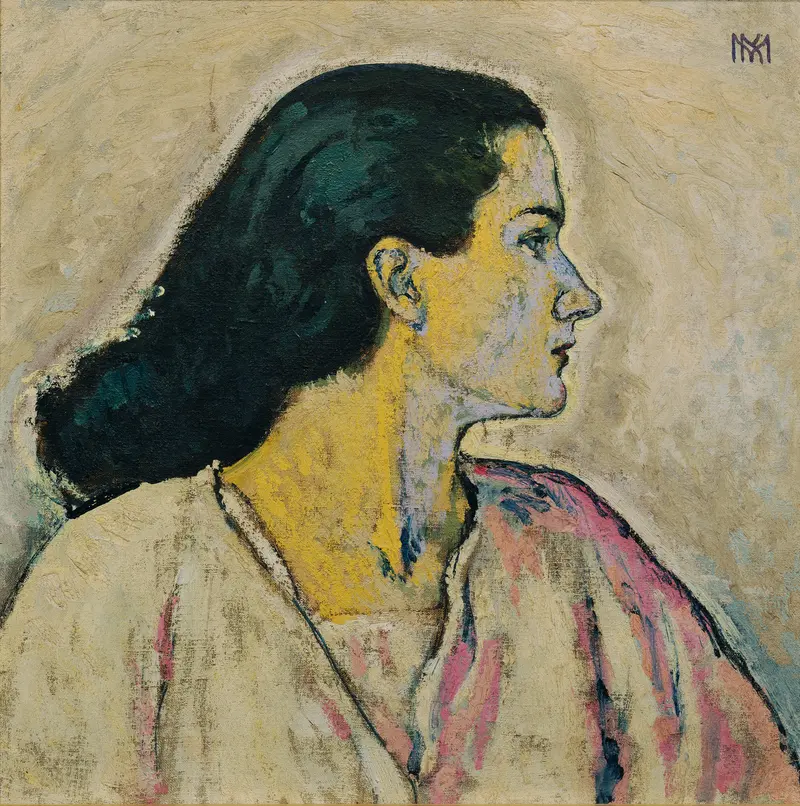
Frauenbildnis im Profil
Koloman Moser
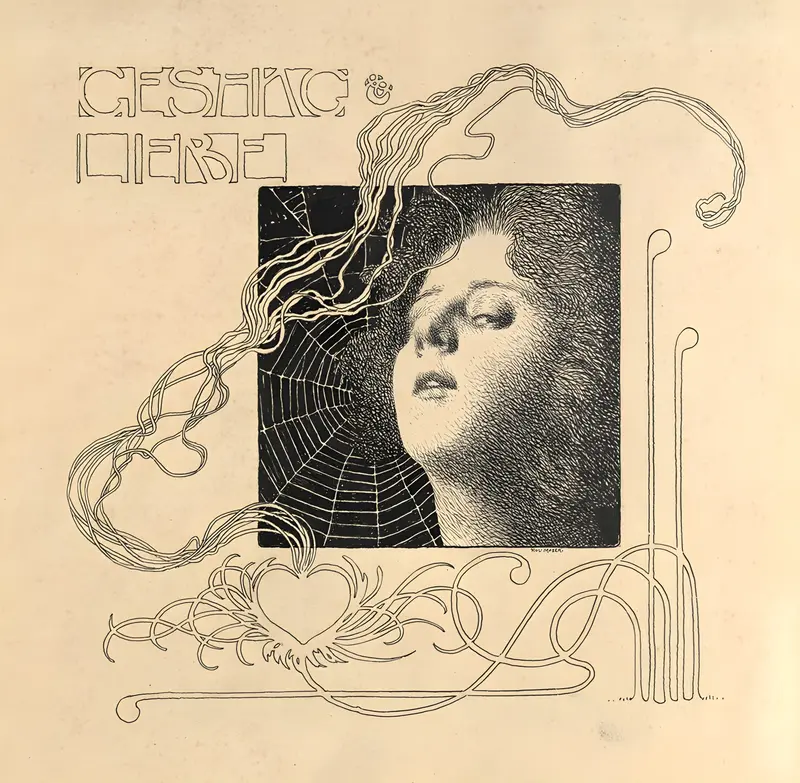
Gesang – Liebe
Koloman Moser





