
Most Kierbedzia — History & Facts
Could beauty survive in a century of chaos? In the stillness of Most Kierbedzia, the delicate interplay of light and shadow whispers of a world teetering on the edge of transformation. Look to the left where the sun, a soft golden orb, casts a warm glow over the arching silhouette of the bridge. The intricate detailing of the structure stands in stark contrast to the tumultuous sky above, painted in swirling grays and blues that evoke a sense of foreboding. Notice how the artist employs a muted palette for the water below, reflecting both the serene and the tumultuous elements of the scene, creating a harmony that feels both fragile and enduring. The juxtaposition between the solid, unwavering bridge and the ethereal clouds above highlights the tension between permanence and impermanence.
Small boats dot the water, their movement suggesting life continues amidst uncertainty, while the subtle ripples evoke the fragility of existence itself. Each brushstroke holds an emotional weight, an acknowledgment of the struggle to find beauty in a crumbling world. Tadeusz Cieślewski painted Most Kierbedzia in 1930, a time when Europe was grappling with the aftermath of World War I and the rise of political instability. Living in Warsaw, Cieślewski was influenced by the burgeoning modernist movement, which sought to capture the essence of contemporary life.
This work reflects his desire to find serenity in chaos, encapsulating both a moment in time and a broader existential contemplation.
More Artworks by Tadeusz Cieślewski
Browse all →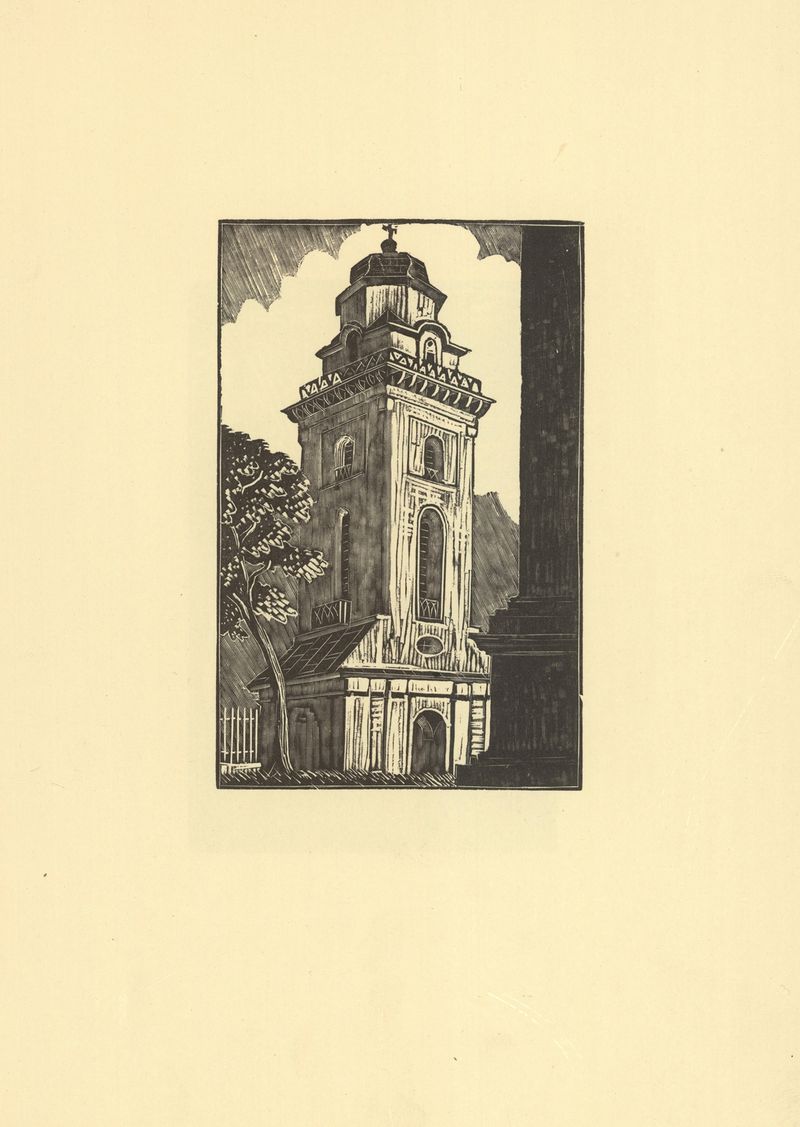
Zamość Pl.2
Tadeusz Cieślewski
Dwanaście widoków Warszawy – Title page
Tadeusz Cieślewski
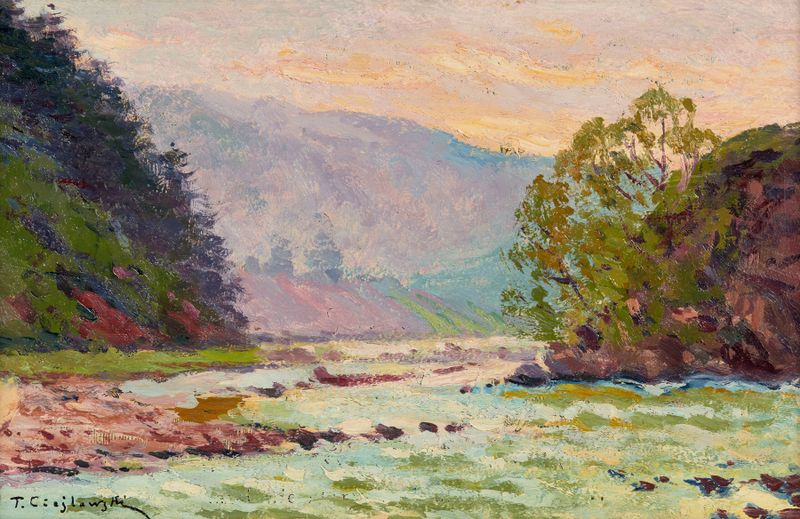
Mountainous landscape with a river
Tadeusz Cieślewski
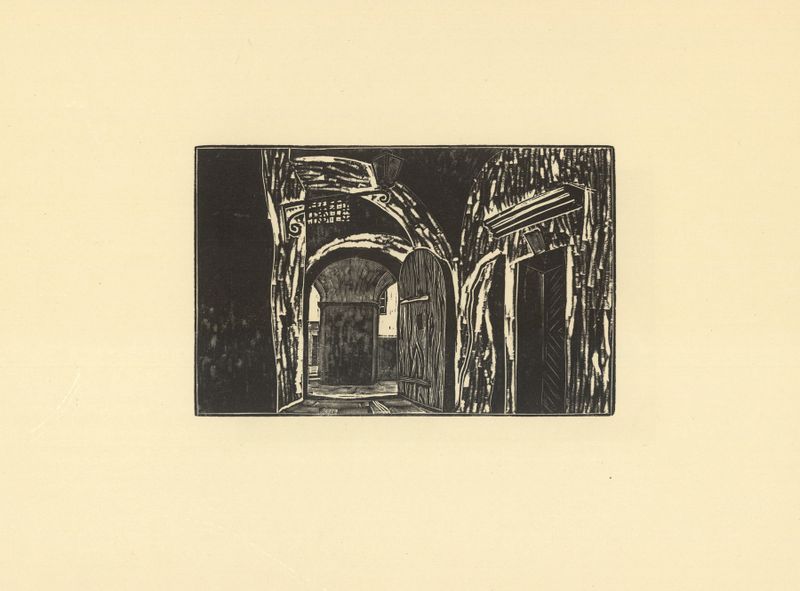
Zamość Pl.3
Tadeusz Cieślewski
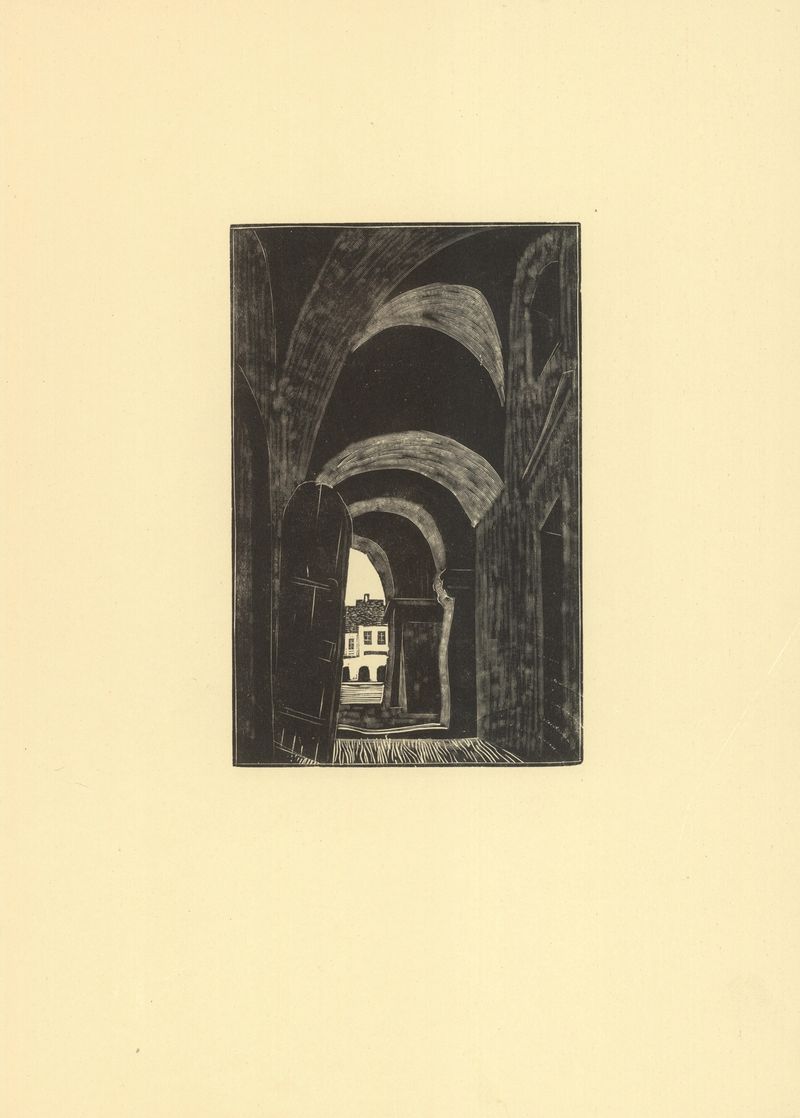
Zamość Pl.5
Tadeusz Cieślewski
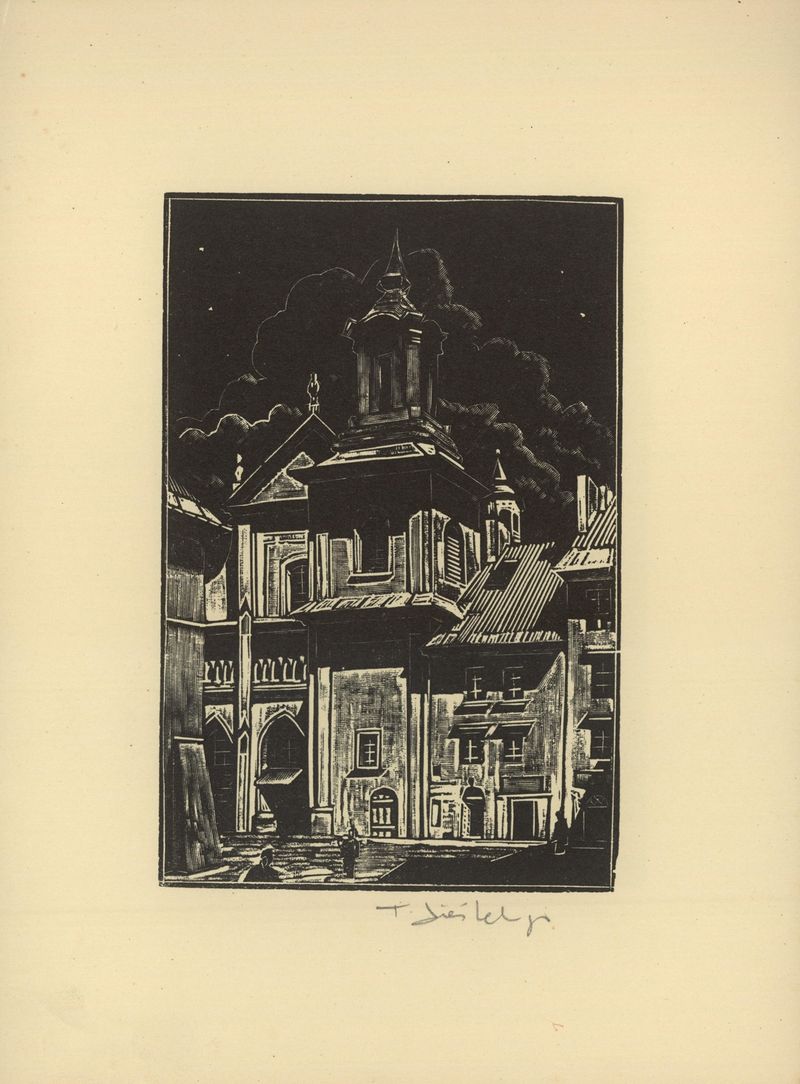
Kościół Dominikanów
Tadeusz Cieślewski

Pomnik Kopernika
Tadeusz Cieślewski
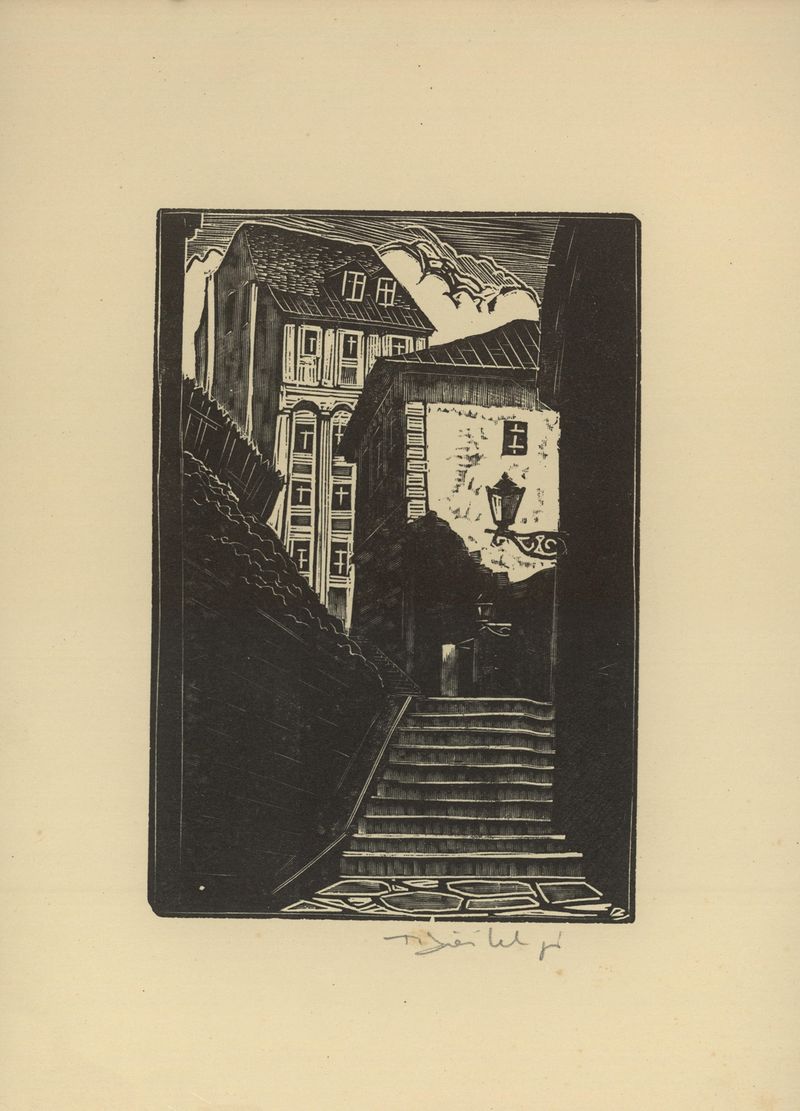
Kamienne Schodki
Tadeusz Cieślewski
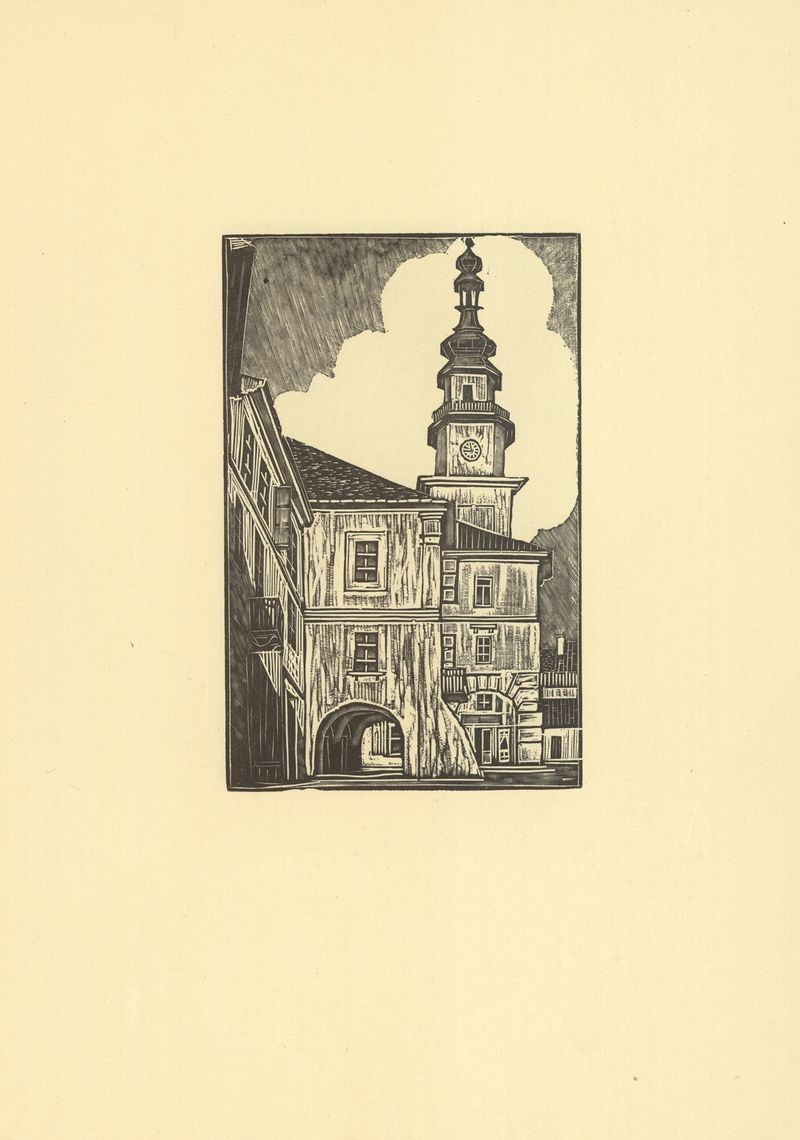
Zamość Pl.4
Tadeusz Cieślewski
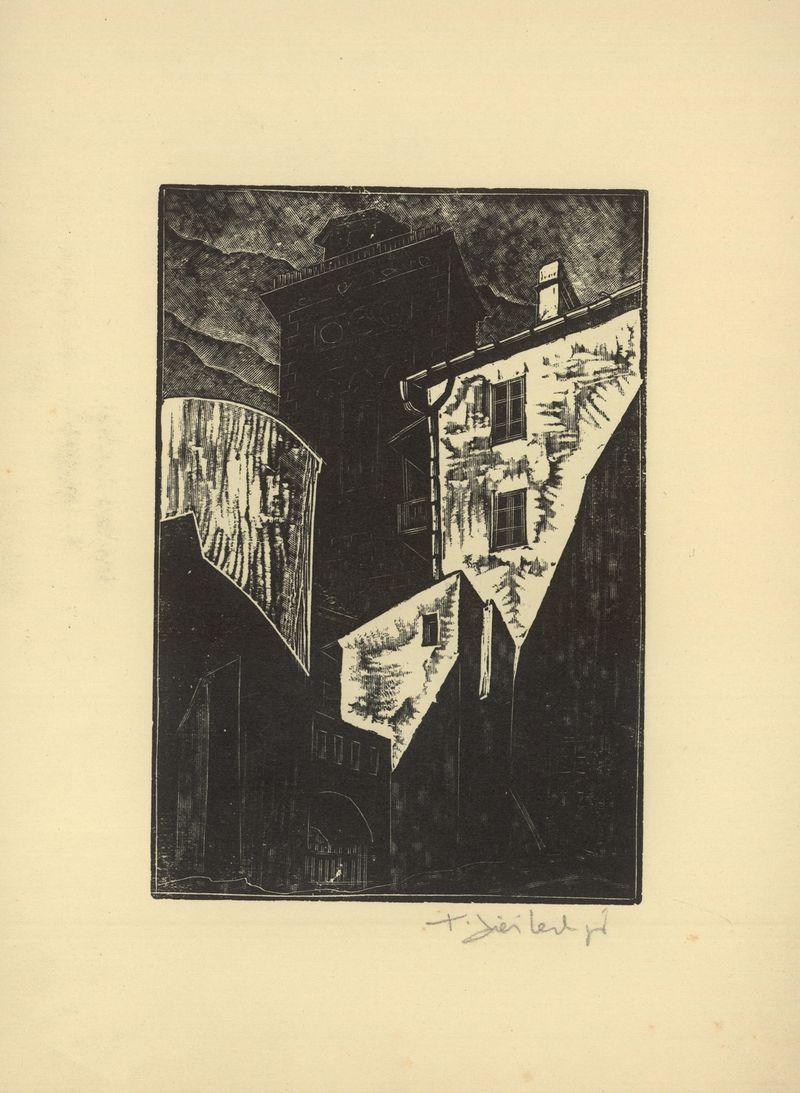
Wieża Bernardynów
Tadeusz Cieślewski
More Architecture Art
Browse all →
The statue of Liberty
Frédéric Auguste Bartholdi

View of Houses in Delft, Known as ‘The Little Street’
Johannes Vermeer

View of Houses in Delft, Known as ‘The Little Street’
Johannes Vermeer

The Cathedral in Rouen. The portal, Grey Weather
Claude Monet

The yellow house
Vincent van Gogh

The Church in Auvers-sur-Oise, View from the Chevet
Vincent van Gogh