Motif from Leštiny — History & Facts
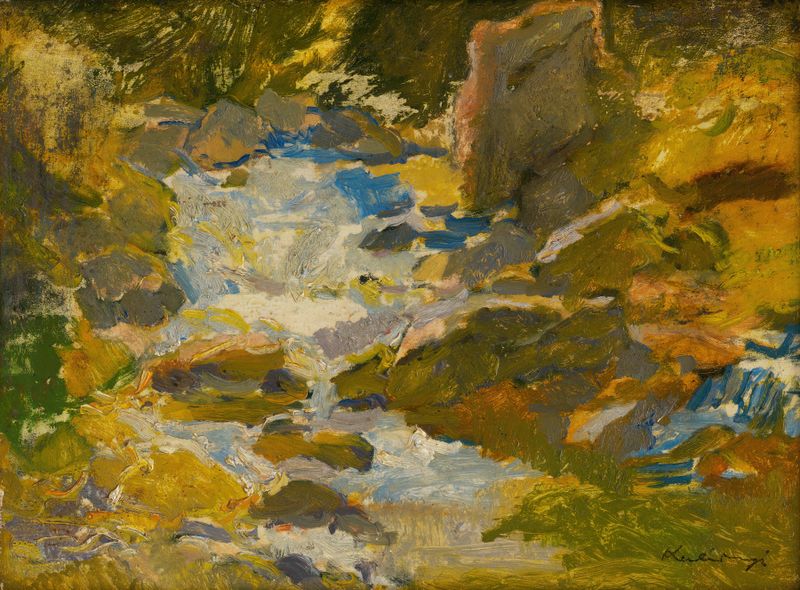
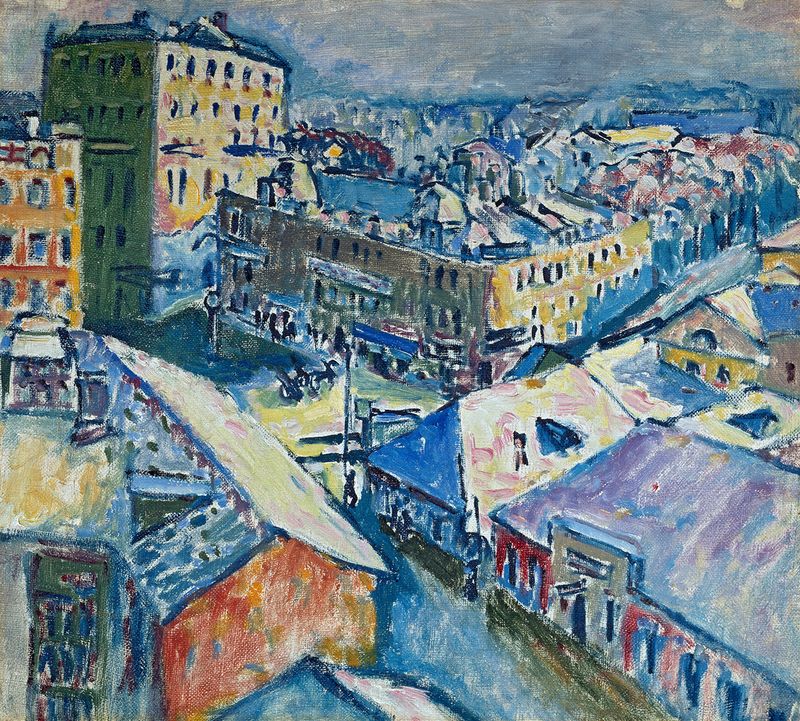
In the stillness of art, voids echo the deepest truths of existence. What happens when silence speaks? Look to the center of the composition, where muted hues cradle an absence, a void that both invites and disquiets. The technique is masterful; the brushstrokes seem deliberate yet fluid, creating a rhythm that pulls the eye inward.
Subtle contrasts between dark and light lead us into the depths of the canvas, while sharp lines frame the space, giving structure to the intangible. Here, color becomes an emotional landscape, revealing the essence of what is not shown. Beneath the surface, the painting grapples with themes of absence and presence. The void suggests a yearning, a longing for connection that resonates with the viewer’s own experiences of emptiness.
The juxtaposition of the vibrant brushwork against the stark absence evokes a tension between life and silence, reflecting the complexities of human emotion. Each glance reveals hidden layers — the potential for what might be felt, but remains unsaid. At the turn of the 20th century, Alexander Kubínyi was deeply immersed in the evolving world of art, creating Motif from Leštiny in 1900. During this period, he was influenced by both the rise of modernism and the encroaching sense of existential crisis in Europe.
As he painted, the world around him was shifting dramatically, and his work began to explore themes of identity and the void, reflecting his own inner struggles and the changing landscape of artistic expression.