
Motiv aus Zell — History & Facts
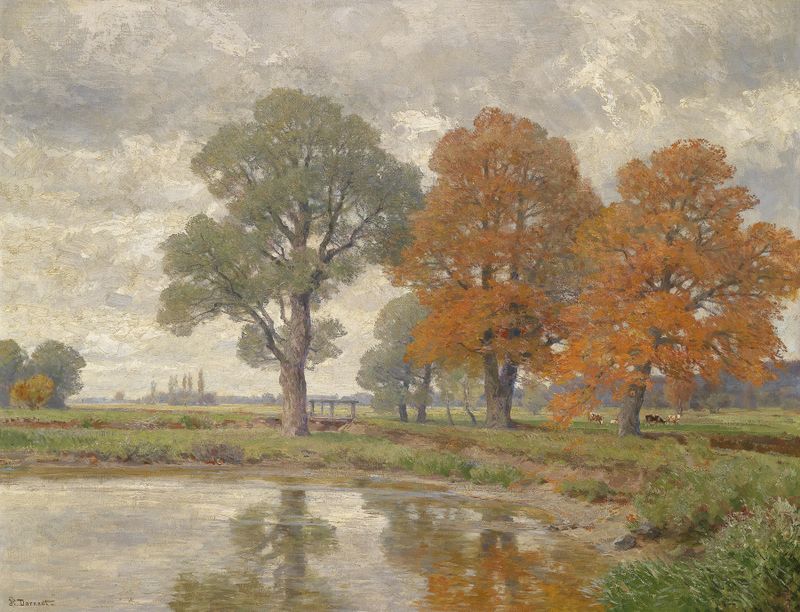
In the tender stillness of Motiv aus Zell, transformation is not just a theme; it is a silent witness, echoing through the brushstrokes and colors that breathe life into this serene moment. Look to the verdant hills that cradle the village, where the lush greens meld seamlessly into the warm hues of early evening light. Notice how the gentle flow of the river reflects a tapestry of color — from the deep emeralds of the trees to the soft blush of the sky. The artist's meticulous attention to detail invites the viewer to engage with each element, creating a harmonious dialogue between the landscape and the human figures, subtly positioned in the foreground. The tension between stillness and the passage of time pervades the canvas.
Each figure, absorbed in quiet contemplation, offers a glimpse of personal transformation, their silhouettes suggesting stories untold. The juxtaposition of nature’s permanence against the ephemeral nature of human experiences evokes a poignant sense of introspection. The soft gradients of color not only enhance visual depth but also symbolize the transitional phases in life — moments of reflection, growth, and acceptance. Hugo Darnaut painted Motiv aus Zell in 1883 while residing in the idyllic village of Zell am See, Austria.
This period marked a significant evolution in his artistic style, as he sought to capture the essence of the natural world around him, reflecting both Romantic and early Impressionist influences. During this time, the broader art world was shifting towards capturing fleeting moments, which would become a defining characteristic of modern art.
More Artworks by Hugo Darnaut
Browse all →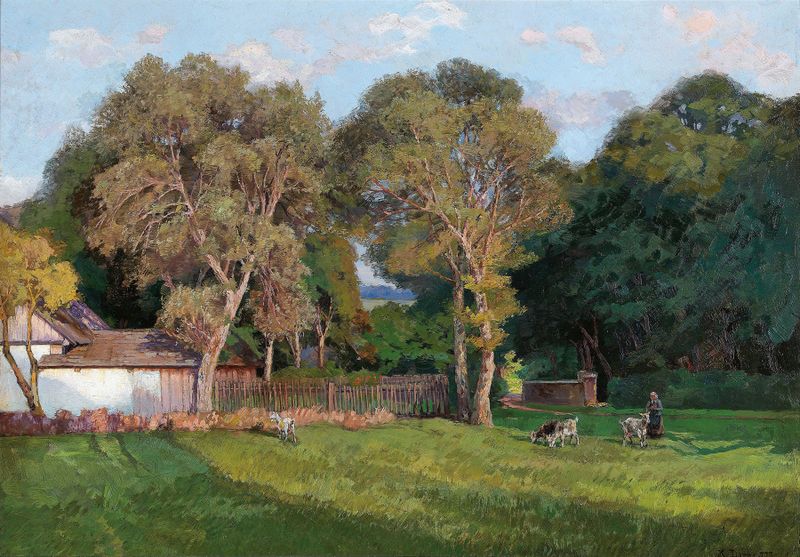
Aus dem Wienerwald
Hugo Darnaut
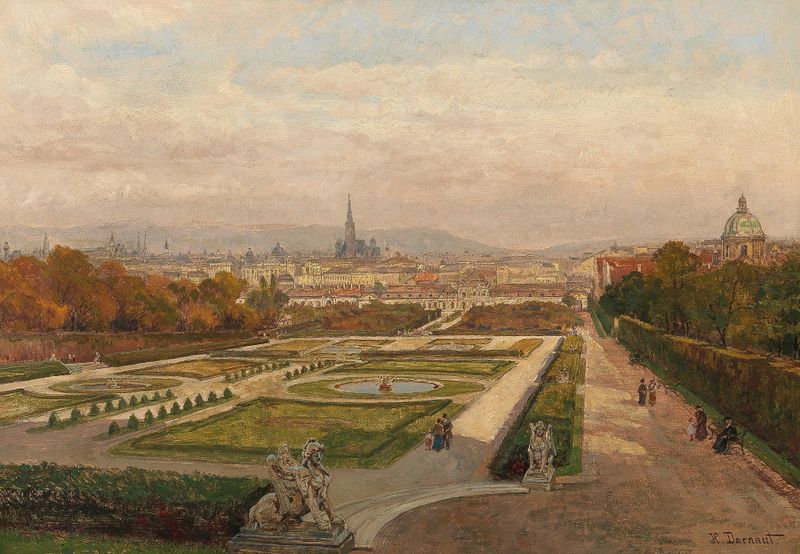
Blick vom Belvedere auf Wien
Hugo Darnaut

Motiv aus Plankenberg
Hugo Darnaut

In einem Wiener Garten (II., Praterstraße 60)
Hugo Darnaut

A Scene at Dusk in Late Autumn
Hugo Darnaut
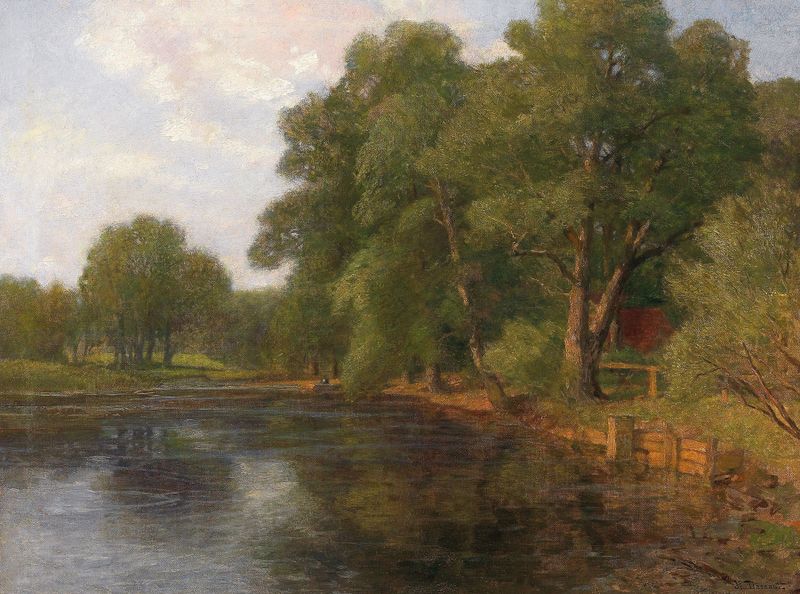
Motiv bei Plankenberg
Hugo Darnaut

Die Ruine Starhemberg im Piestingtal
Hugo Darnaut
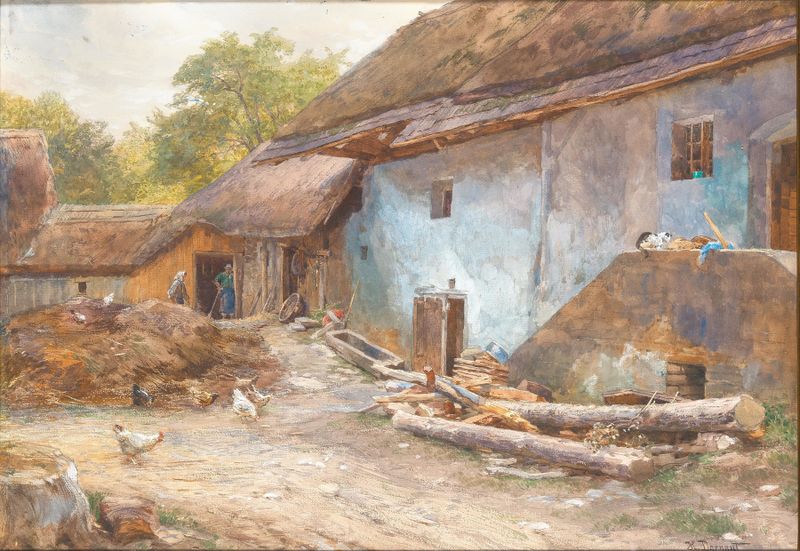
Niederösterreichischer Bauernhof
Hugo Darnaut

River Landscape with Small Herd of Cows and a Village in the background
Hugo Darnaut
Spätherbsttag
Hugo Darnaut





