
Mountain landscape — History & Facts
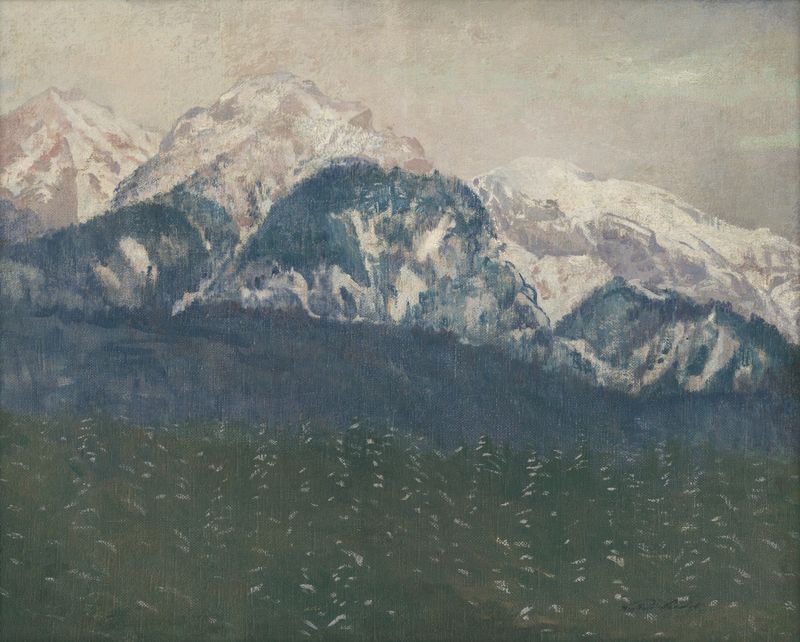
In a world where nature stands as both witness and participant, the legacy of a moment resides in the layers of paint. Each brushstroke embodies a narrative, inviting viewers to pause and ponder the stories that unfold in stillness. Look to the center of the composition, where the majestic mountain range rises dramatically against the horizon. The subtle layering of cool blues and warm earth tones creates depth, while the interplay of light captures the transient nature of daybreak.
Notice how the clouds softly embrace the peaks, their wispy forms echoing the gentle curves of the landscape below. The careful balance of colors enhances the sense of tranquility, yet hints at the untamed spirit of the wilderness. Delve deeper into the painting’s emotional landscape, where contrasts reveal layers of meaning. The serene foreground, dotted with wildflowers, juxtaposes the imposing mountains, suggesting the fragile coexistence of beauty and strength.
Shadows play along the rocky surfaces, evoking a sense of mystery and the unseen forces that shape the environment. The viewer is compelled to consider not only the picturesque scene but also the enduring legacy of nature itself, sculpted over eons. In 1926, Ferdinand Katona painted this work during a period marked by the rise of modernism and a renewed interest in the natural world. Living in Hungary, he experienced the shifting tides of artistic expression while finding solace in the landscapes around him.
This painting reflects both his personal journey and the broader cultural movement of the time, capturing a moment that resonates with generations yet to come.
More Artworks by Ferdinand Katona
Browse all →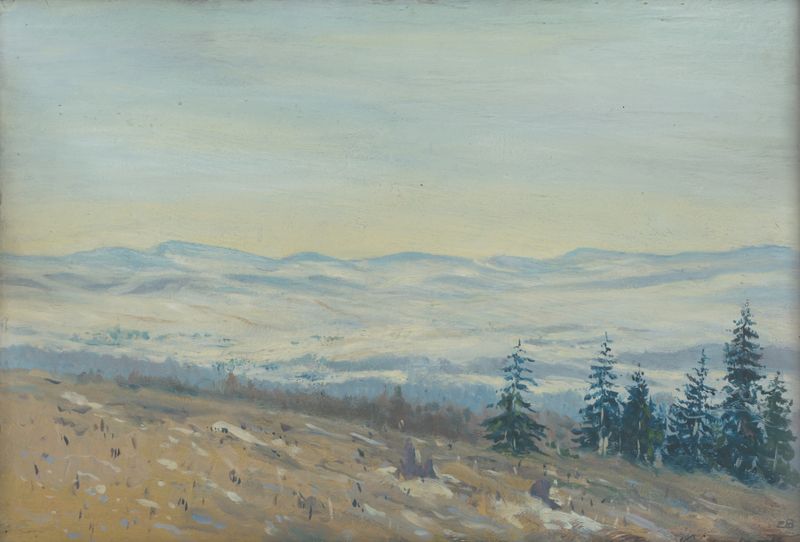
High Tatras
Ferdinand Katona
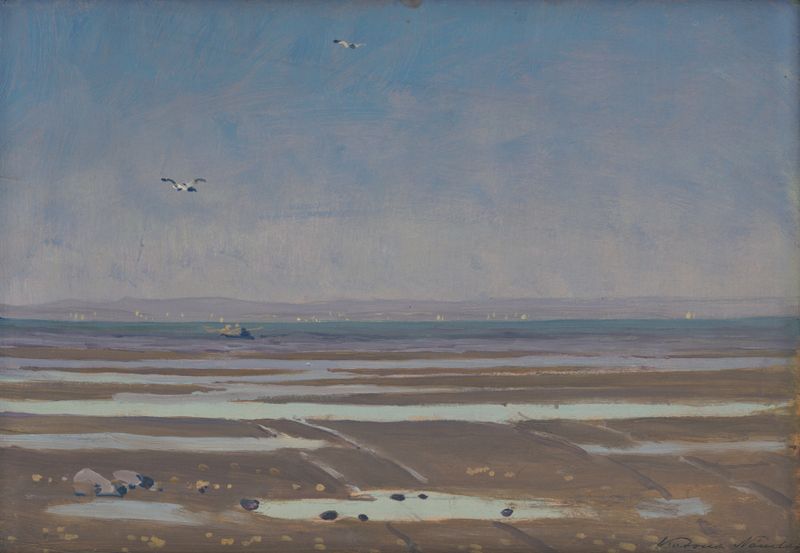
Early spring
Ferdinand Katona
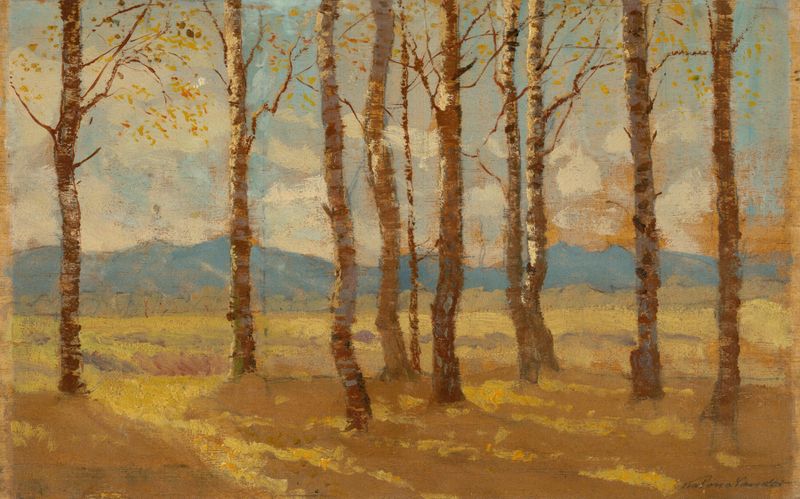
Birches in Autumn
Ferdinand Katona
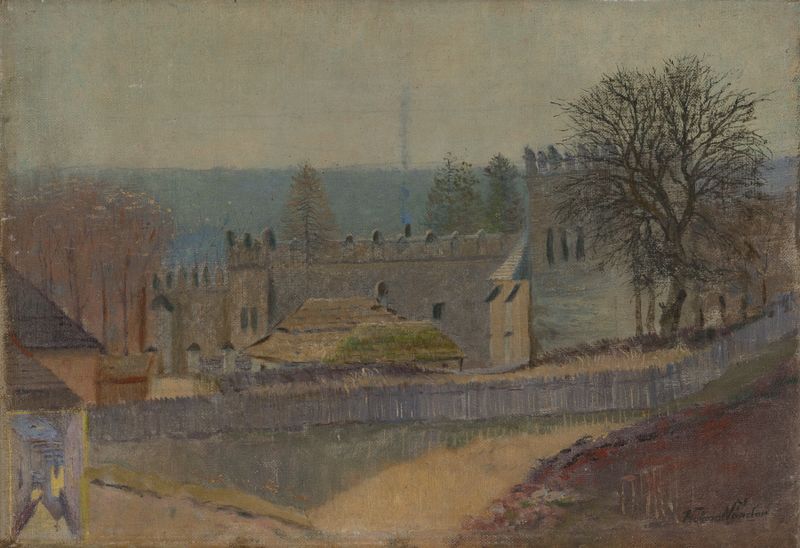
View of Strážky
Ferdinand Katona
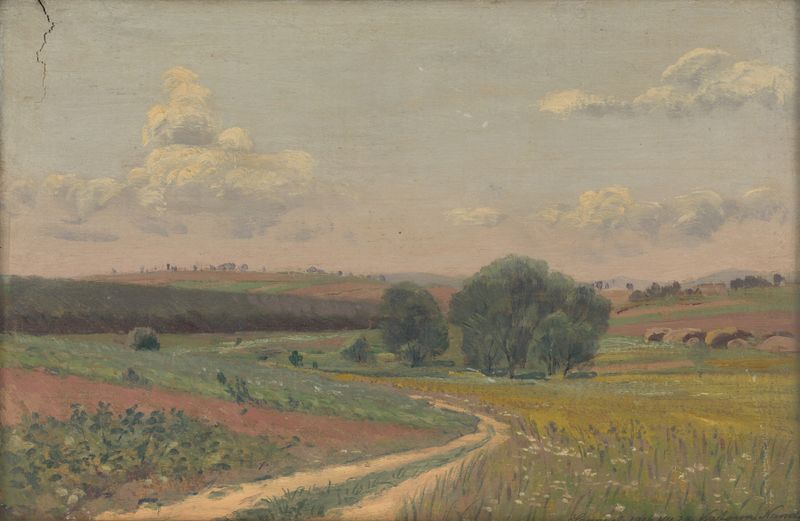
Landscape with a dirt road
Ferdinand Katona
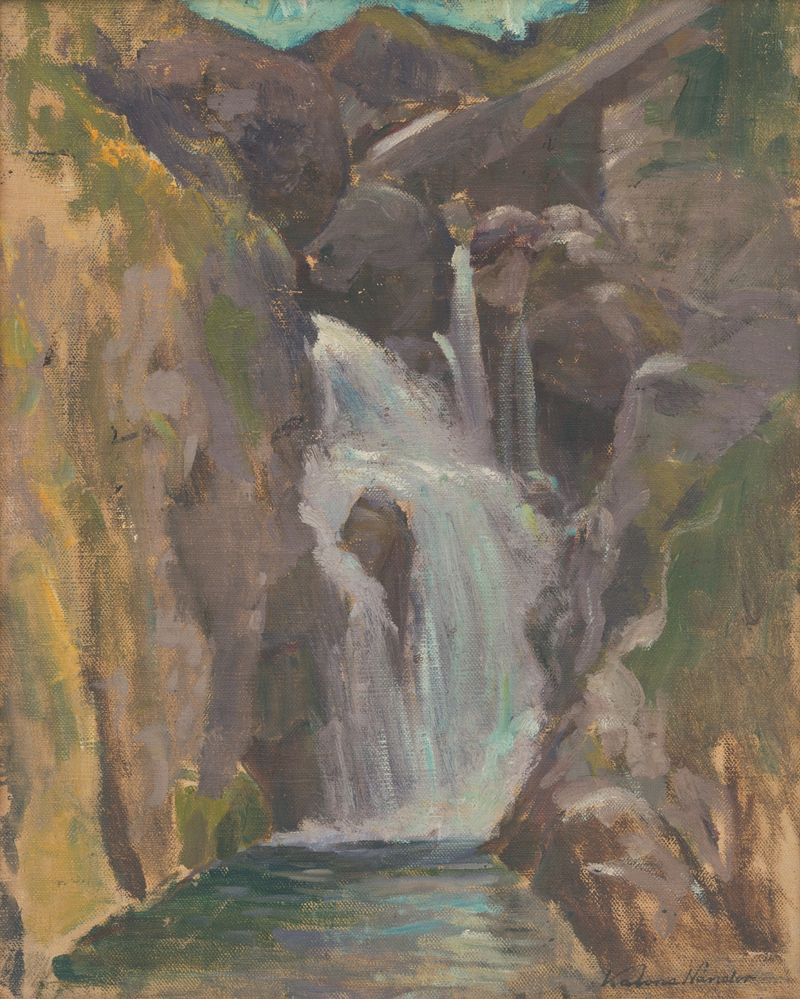
Waterfall
Ferdinand Katona
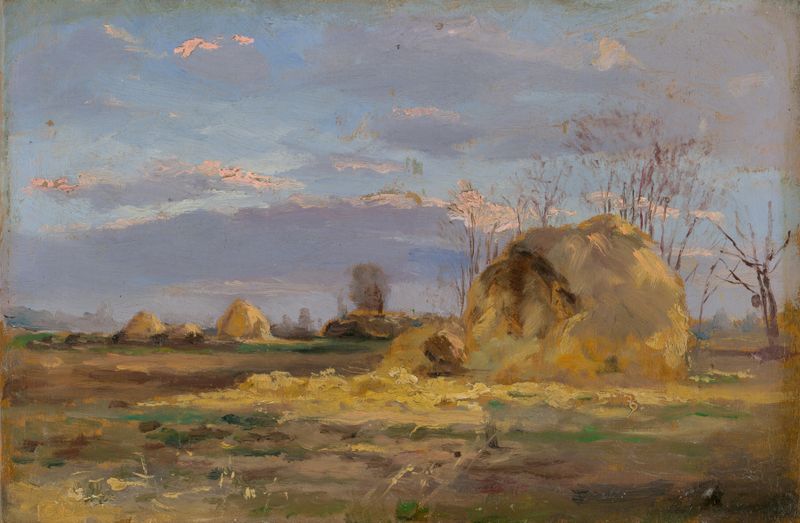
Autumn Landscape with Trees
Ferdinand Katona
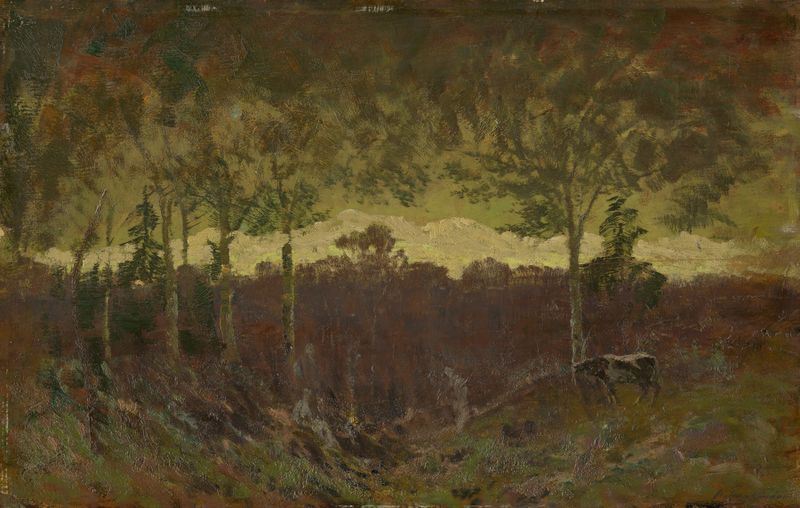
Early Evening Tatras Landscape
Ferdinand Katona
View of the High Tatras
Ferdinand Katona
Early Spring
Ferdinand Katona





