
Mountain Landscape — History & Facts
In the quiet expanse of nature, destiny weaves its narrative through the mountains, each peak a testament to the struggles and triumphs of the human spirit. Look to the horizon in Mountain Landscape, where the rugged outlines of the mountains draw your eye upward, invoking a sense of awe. The gentle strokes of greens and browns blend seamlessly into the blues of the sky, creating a harmonious interplay between earth and air. Gilpin’s use of light reveals the textures of the rocky surfaces, enhancing the drama of the scene, while the soft clouds linger above, suggesting both serenity and transience. Within this composition lies a profound emotional tension; the towering mountains, both majestic and intimidating, symbolize the challenges that define our paths.
The faint hint of sunlight breaking through the clouds serves as a reminder of hope amidst struggle, while the vastness of the landscape echoes the solitude often found in pursuit of one’s destiny. Each element—a tree, a rock, a stream—plays its part in a larger narrative, quietly urging the viewer to reflect on their own journey. During the late 18th century, while creating this work, the artist found himself deeply influenced by the Romantic movement, which emphasized the sublime beauty of nature. Painted in England between 1762 and 1783, Mountain Landscape reflects a time of growing interest in the emotional experience of the natural world, as artists began to explore the complex interplay between humanity and the environment.
Gilpin, an early advocate for the picturesque, sought to capture the essence of nature in a way that resonated with both the heart and the mind.
More Artworks by William Gilpin
Browse all →
Bridgnorth Bridge, Shropshire
William Gilpin
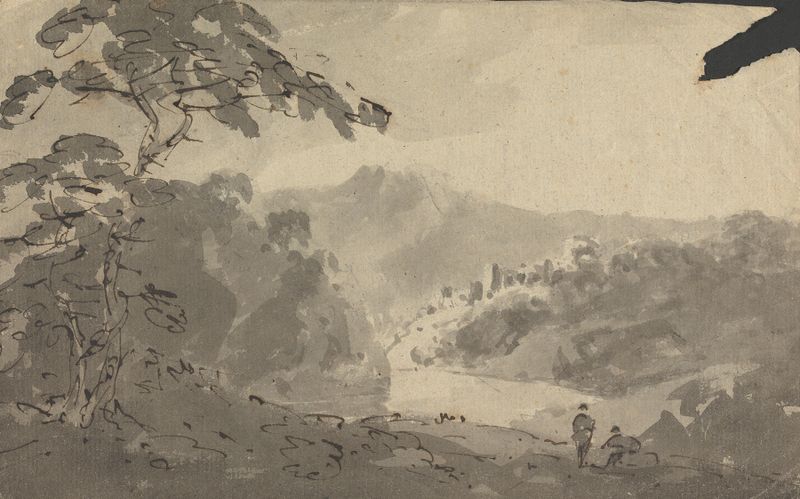
Two Men Looking Into Landscape with Castle, River and Mountain Scene
William Gilpin
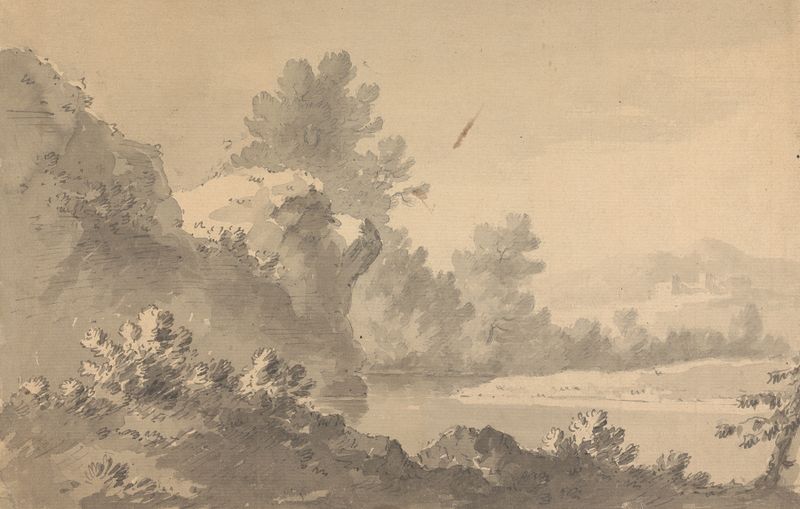
River Landscape with Castle in the Distance
William Gilpin
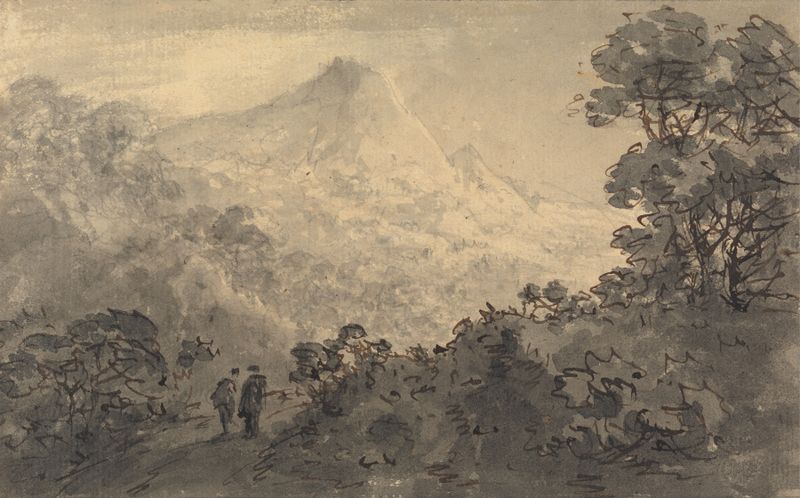
Snowdon
William Gilpin

Hilly Landscape
William Gilpin
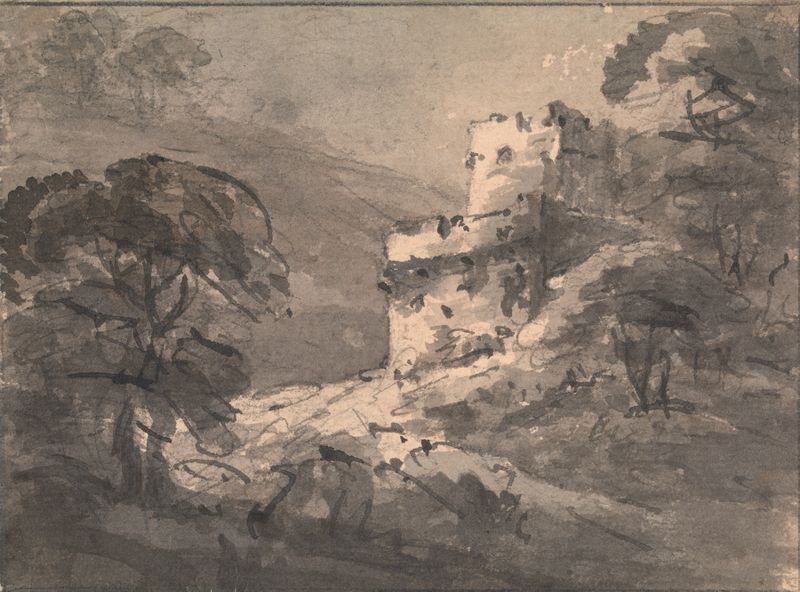
Landscape with a Ruined Castle on the Right
William Gilpin

Mountainous Landscape with Trees – High Crags to the Right
William Gilpin

View of Castle Ruin
William Gilpin
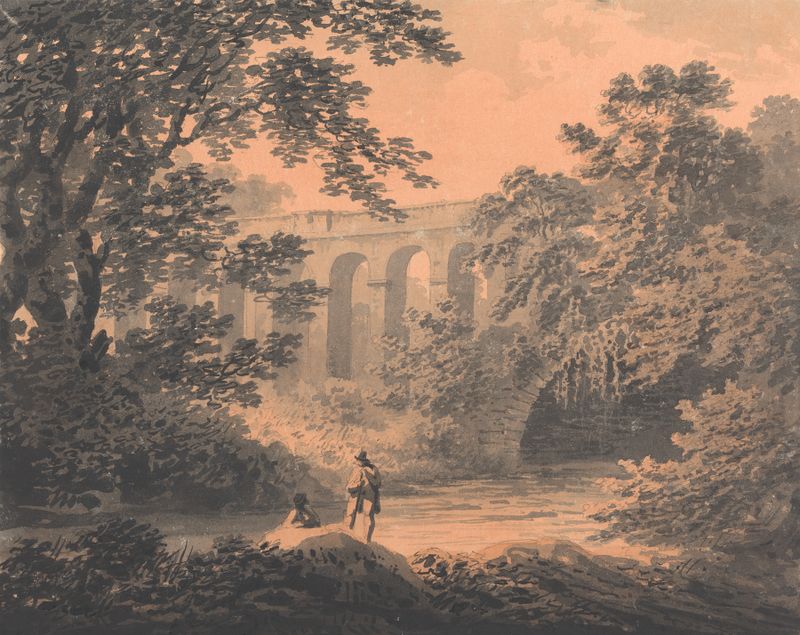
Bridge on the Malton Road from York
William Gilpin

Landscape with Two Trees and Castle
William Gilpin





